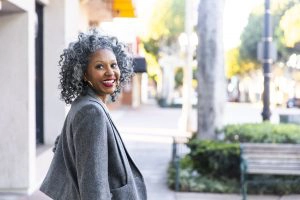
If your hair seems to have changed right along with the rest of you after 50, you are not imagining things. Hair that was once thick may suddenly feel finer. Straight hair can develop a wave, curls may become harder to control, and strands that behaved beautifully for decades can become dry, coarse, or frustratingly flat. Then there is gray hair, which sometimes seems to have an entirely different personality from the hair it replaced.
The good news is that having great hair after 50 is absolutely possible. The trick is to stop treating your hair exactly the way you did at 30.
Hormonal changes, genetics, aging, medications, health conditions, chemical processing, heat styling, and changes in the scalp can all affect how our hair looks and feels. That means the shampoo, haircut, color, or styling routine you’ve relied on for years may no longer be giving you the results you want.
Consider this your starting point. Whether you’re dealing with thinning hair, embracing your gray, looking for a more flattering haircut, trying to coax some volume out of fine strands, or simply wondering what on earth happened to your once-predictable hair, we’ve got you covered.
Why Does Hair Change After 50?
One of the most noticeable changes is often density. Individual strands can become finer with age, making the overall head of hair appear less full. Hair growth patterns can change as well, and menopause may coincide with changes in density, texture, dryness, and shedding.
This is also the age when many women begin noticing a widening part, more scalp showing around the crown, or a ponytail that isn’t quite as substantial as it used to be. That doesn’t necessarily mean the same thing is happening to everyone. Hair breakage, naturally fine strands, temporary shedding, and true hair loss are different problems and may require different solutions.
If you’re suddenly losing considerably more hair than usual, developing bald patches, experiencing scalp symptoms, or noticing a dramatic change, don’t assume it’s simply part of getting older. Talk with your doctor or dermatologist. Hair changes can sometimes be associated with medical conditions, nutritional deficiencies, medications, or other issues worth investigating.
Start here: Hair Loss in Women After 50: What to Do
Thinning Hair After 50
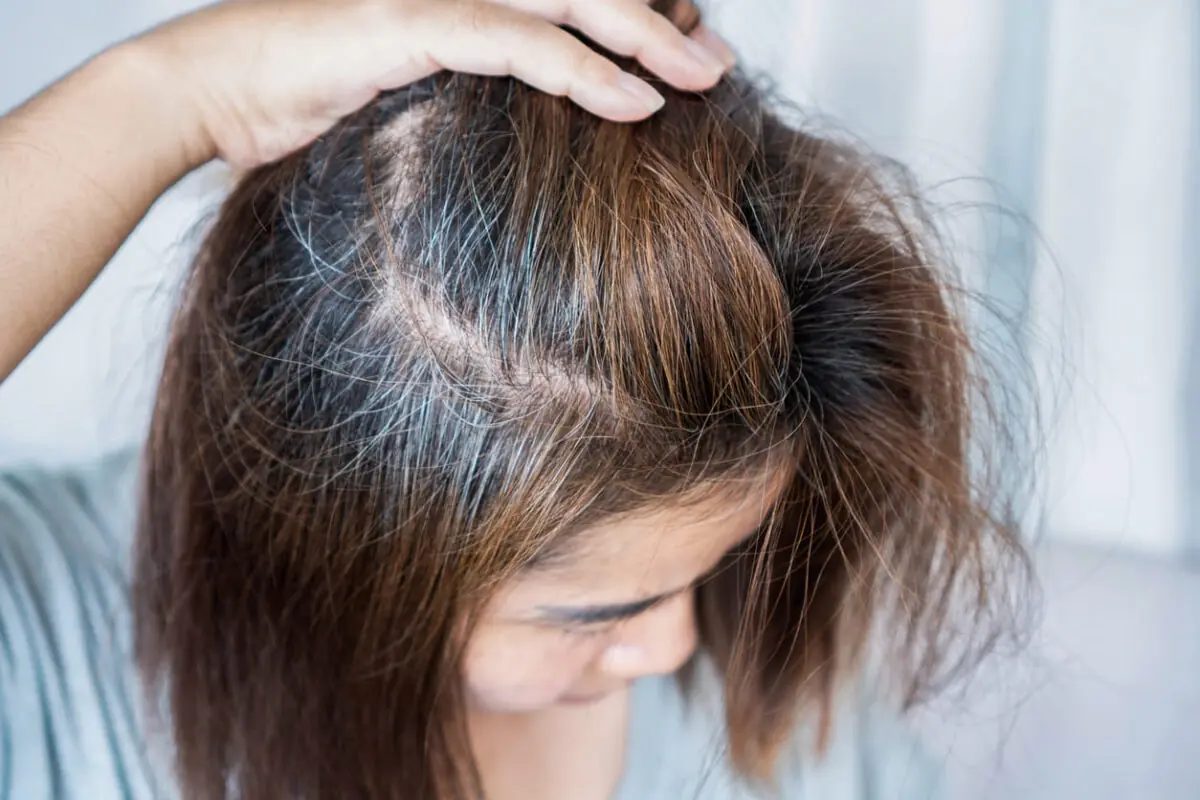
Few hair changes cause as much concern as thinning. You see more hair in the shower, your part looks wider in photographs, or you suddenly realize you can see your scalp under bright bathroom lighting. Nothing improves a morning quite like discovering your overhead lighting has become your enemy.
Before buying every bottle promising thicker hair, figure out what you’re actually dealing with.
Fine hair refers to the diameter of an individual strand. You can have fine hair and plenty of it. Thinning hair refers to a reduction in density. Breakage makes hair appear thinner because strands are snapping rather than necessarily falling from the follicle. Hair loss or excessive shedding can have still other causes.
Understanding the difference makes it much easier to choose an appropriate haircut, styling technique, product, or professional treatment.
Explore next:
Hair Loss in Women After 50: What to Do
Is It Normal for Hair to Fall Out as You Age?
10 Choppy Haircuts for Thin Hair
Menopause and Your Hair
Menopause gets blamed for practically everything after 50, and hair isn’t entirely escaping this one.
Hormonal changes around perimenopause and menopause can coincide with changes in hair growth and density. Some women notice increased shedding, while others find their strands becoming finer, drier, or simply different in texture.
The frustrating part is that there isn’t one universal version of “menopause hair.” Your friend may suddenly develop curls while you’re wondering where half your volume went.
This is why it’s worth looking at the whole picture rather than immediately buying a supplement or miracle serum. Persistent or significant hair loss deserves a conversation with a qualified healthcare professional, particularly when the change is sudden.
Read more: Menopause and Hair Loss: What You Need to Know
Fine Hair After 50
If you’ve always had fine hair, age can make creating volume even trickier. Heavy conditioners, oils, creams, and styling products may leave it looking flatter rather than healthier.
The right haircut can make a tremendous difference. Blunt ends can create the appearance of density, while strategically placed layers can add movement and volume. Too many layers, however, can sometimes make already fine ends look even thinner.
Styling matters too. Root volume, the direction of your blow-dry, where you place your part, and the amount of product you use can completely change the finished result.
If your hair is fine, remember that more product does not necessarily equal more hair. Sometimes it just equals expensive, sticky hair.
Find inspiration: 9 Ideas for Medium-Length Fine Hair
How to Get More Volume at the Roots
Root volume can make fine, thinning, or even thick hair look completely different.
Start with the basics. Avoid concentrating heavy conditioner at the roots, experiment with changing your part, and use styling products designed to create lift without coating the hair. Blow-drying the roots away from their natural direction can also help create height.
A good root-lifting product can be particularly helpful, but the best formula depends on your hair type. Fine hair generally needs lightweight hold, while thicker hair may need more control to keep the roots lifted.
We have dedicated guides for exactly that reason.
Shop and compare: Best Root Lifters for Thick Hair or Best Root Lifters for Thin Hair
Going Gray After 50
Going gray used to be something women were expected to hide. Thankfully, we’ve moved on.
Gray, silver, white, and salt-and-pepper hair can be absolutely stunning, but going gray doesn’t necessarily mean doing nothing to your hair. In fact, gray hair sometimes requires more attention.
As pigment changes, you may notice differences in texture, shine, moisture, and manageability. Environmental exposure, minerals, styling products, and heat can also contribute to unwanted yellow or dull tones in light gray and white hair.
The goal shouldn’t be making gray hair behave like your old pigmented hair. It should be learning what makes the hair you have now look its best.
What to Do About Coarse Gray Hair
One of the most common complaints we hear about gray hair isn’t the color. It’s the texture.
Some women discover that their beautiful new silver strands feel wiry, rough, or stubborn. Products that worked perfectly for years may suddenly leave the hair dry or coated.
Hydration becomes particularly important. A gentler cleansing routine, consistent conditioning, occasional deeper treatments, thoughtful heat styling, and the right finishing products can make coarse hair feel considerably softer.
And don’t underestimate your styling tools. Repeated high heat can make already-dry strands even less cooperative, so heat protection and sensible temperatures matter.
Our complete guide: How to Soften Coarse Gray Hair
Finding the Best Haircut After 50
There is no rule saying women need to cut their hair short after 50. There is also no rule saying you should keep it long simply because you’ve always worn it that way.
The best haircut is the one that works with your current hair, face, lifestyle, and willingness to style it.
If your ends have become thin, taking off some length may instantly make your hair appear fuller. If your hair is thick, strategic layering can remove bulk and create movement. Curly hair may benefit from a completely different shape than straight hair.
And if your idea of styling involves approximately four minutes and a cup of coffee, tell your hairstylist that. Bringing home a haircut that requires a professional blowout every morning is not terribly useful if you have no intention of giving it one.
Get ideas:
Modern Hairstyles for Women Over 50
Low-Maintenance Hairstyles for Women Over 50
Short Hairstyles After 50
Short hair can be fantastic for creating shape and making styling easier, but “short” doesn’t mean one particular haircut.
A pixie can showcase cheekbones and work beautifully with texture. A bob offers seemingly endless variations. A layered crop can create movement, while a blunt bob may give finer hair the appearance of greater density.
Before making a major chop, consider your natural texture and how much daily styling you’re willing to do. A haircut that looks effortless in a photograph may have required a stylist, a round brush, three products, and 35 minutes to become effortless.
See the possibilities: Flattering Short Hairstyles for Women Over 50 or Short Hairstyles for Women Over 50.
Long Hair After 50
Yes, you can have long hair after 50.
Hair doesn’t reach your 50th birthday and receive instructions to report immediately for a bob.
What matters more is condition, density, shape, and whether you like how your hair looks. Long hair with dry, sparse ends may benefit from a trim or layers, while healthy long hair can look gorgeous at any age.
Longer styles also give you more options for ponytails, buns, braids, waves, and updos. If you’ve been told you’re “too old” for long hair, we’d suggest ignoring that advice and concentrating on whether the style actually suits you.
Read: The Long Hair Renaissance: Embracing Long Locks After 50
Curly Hair After 50
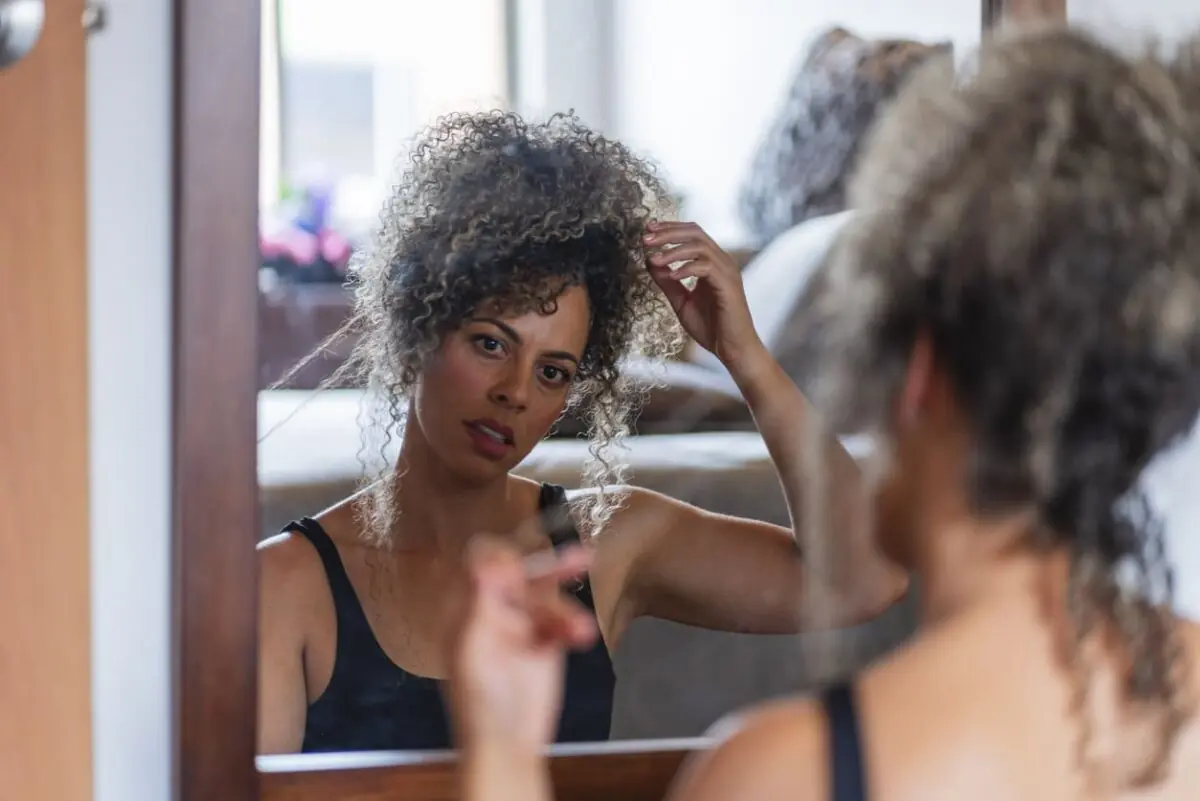
Curls can become more or less pronounced as hair changes with age, which sometimes means relearning a texture you thought you understood.
A great curly haircut should work with your curl pattern rather than forcing it into a shape it doesn’t naturally want to hold. Layers can help distribute volume and encourage definition, although their placement matters.
Moisture is important for many curly textures, but piling on rich products can weigh down finer curls. Experiment with product amount, application technique, air drying, and diffusing until you find the balance between definition and movement.
Most importantly, don’t assume your curls need to be straightened to look polished. Natural curls, waves, coils, and textured gray hair can be some of the most striking looks after 50.
Get inspired: Curly Hairstyles for Women Over 50
Choosing Hair Color After 50
Hair color can brighten your complexion, make your eyes pop, add dimension to fine hair, and completely refresh your appearance. It can also work against you if the shade is too harsh for your coloring.
One common mistake is continuing to use exactly the same hair color you’ve worn for decades. Skin tone, natural hair color, gray percentage, and contrast can all change over time.
That doesn’t mean everyone needs to go lighter. It means color deserves another look.
Highlights, lowlights, balayage, babylights, dimensional brunettes, warmer blondes, and blended gray can all create softer effects than a single flat shade. A good colorist can help determine which direction works with your skin tone, existing gray, maintenance budget, and how frequently you’re willing to visit the salon.
And that last consideration matters. A gorgeous color requiring a salon visit every three weeks stops being quite so gorgeous when you’re planning your life around your roots.
Hairstyles for Your Face Shape
You’ve probably heard rules about which hairstyles supposedly belong with round, square, oval, heart-shaped, or long faces. Think of those as starting points rather than commandments.
The goal is usually to create balance and draw attention toward the features you like most.
Length around the jaw, bangs, face-framing layers, volume at the crown, and the placement of your part can all change the visual proportions of a hairstyle. Glasses also deserve consideration because frames become part of that overall picture.
Bring several photographs to your stylist, but don’t simply ask for the haircut in the photo. Ask how that shape would work with your face, density, texture, hairline, and styling habits.
Read: The Best Haircut for Your Face Shape
The Best Hair Products After 50
One of the easiest mistakes to make is shopping according to age rather than according to what your hair actually needs. There is no magical shampoo that knows you turned 50.
Choose products based on your primary concern. Fine hair may benefit from lightweight volumizing products. Dry or coarse hair may need additional moisture. Gray hair may occasionally need products that address unwanted tones. Curly hair often needs help balancing moisture, definition, and hold. Color-treated hair needs products appropriate for maintaining the color and condition.
Your routine doesn’t need 14 steps either. For many women, a thoughtfully chosen shampoo and conditioner, heat protectant, and one or two styling products will accomplish more than a bathroom shelf overflowing with products that all promise miracles.
Styling Hair After 50
Technique becomes increasingly important as hair changes.
If you’re chasing volume, learn how to lift the roots while blow-drying. If frizz is your problem, experiment with reducing manipulation as the hair dries. If your ends look thin, curling or waving them differently can create the appearance of fullness. If your hair is dry, turn down the temperature on your hot tools.
Even something as simple as changing your part can give you instant lift.
This is also where video tutorials can be much more useful than simply telling someone to “add volume.” We will continue adding practical styling guides to help you recreate flattering looks at home without needing professional-level skills.
Build a Routine for the Hair You Have Now
Perhaps the most useful thing you can do for your hair after 50 is stop trying to force it to be exactly what it was 20 years ago.
Your texture may have changed. Your density may have changed. You may be gray now. You may suddenly have curls. Perhaps you’ve decided that spending 45 minutes blow-drying your hair is no longer remotely interesting.
Work with what you’ve got.
Start with the problem that bothers you most and address that first. If your hair is thinning, determine why before worrying about styling products. If it’s coarse and gray, concentrate on moisture and manageability. If it’s flat, look at your cut, root products, and styling technique. If you’re simply bored with it, maybe what you need isn’t another treatment at all. Maybe you need a fabulous new haircut.
Great hair after 50 isn’t about trying to make your hair look 25 again. It’s about understanding the hair you have today and learning how to make that hair look fantastic.