If you’ve noticed more hair in your brush lately or a widening part that wasn’t there a few years ago, you’re not alone. Hair thinning affects millions of women as they age, particularly during and after menopause when hormonal changes can alter the hair growth cycle.
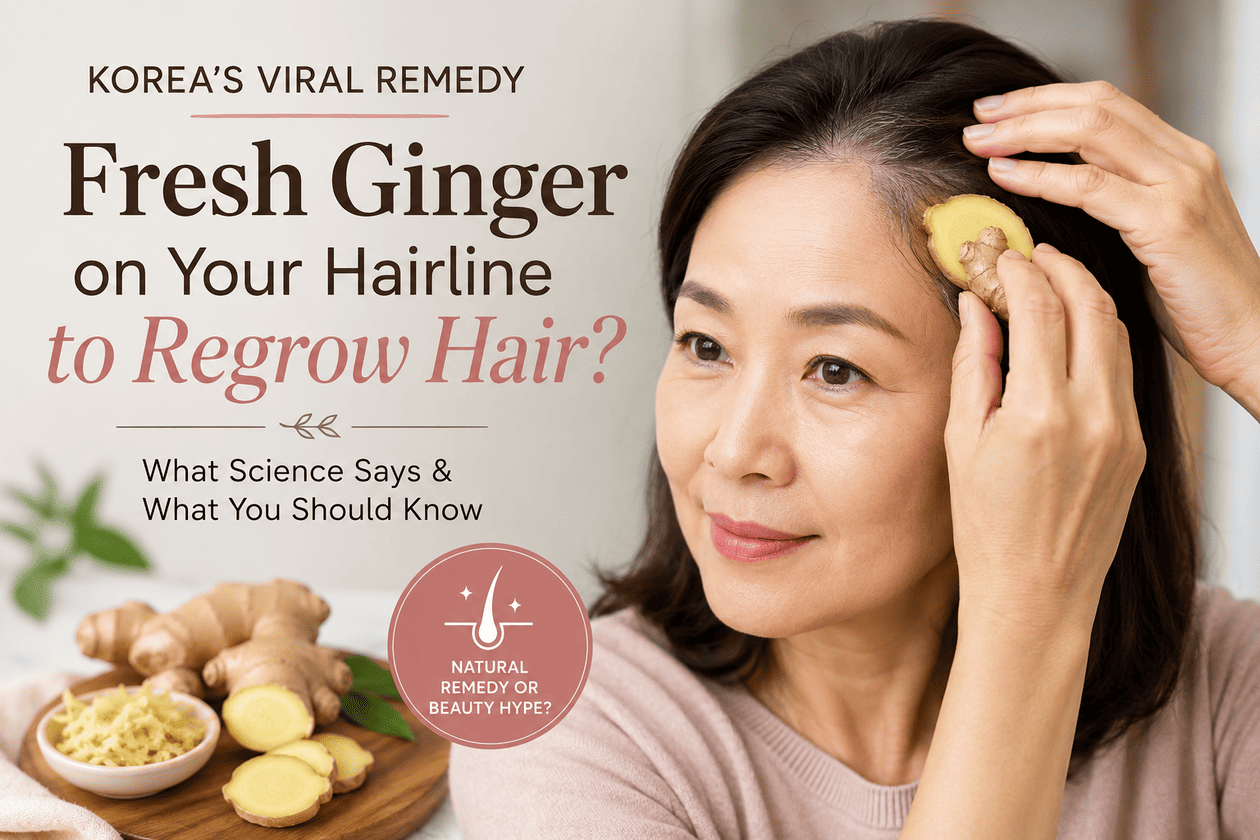
That’s one reason a centuries-old Korean beauty remedy has recently gone viral on TikTok: rubbing fresh ginger directly onto the hairline to encourage hair growth.
The remedy has roots in traditional East Asian wellness practices and has become increasingly popular among women looking for natural alternatives to expensive hair treatments. But does it actually work? Is it safe? Let’s separate the folklore from the science.
Why Ginger Became a Hair-Growth Remedy
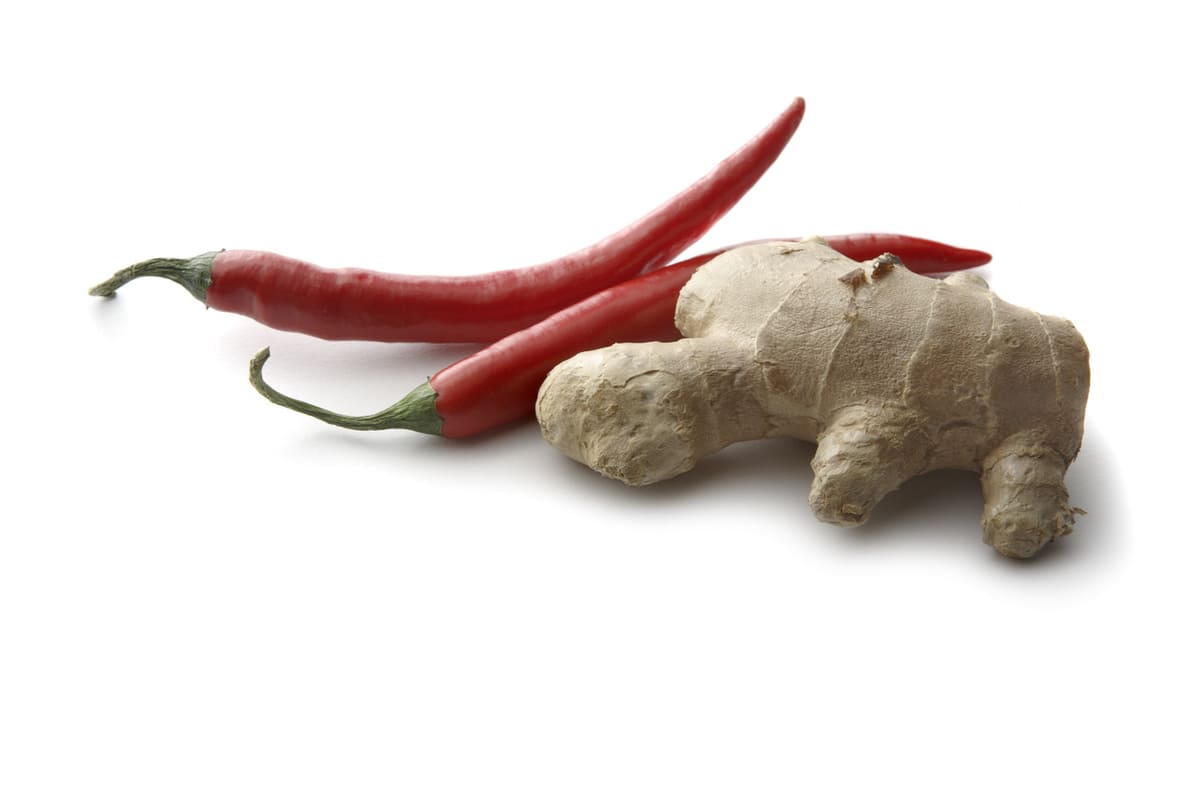
Fresh ginger contains several biologically active compounds, including gingerol, shogaol, and zingerone. These compounds have anti-inflammatory and antioxidant properties, which have led some people to believe that ginger can improve scalp health and stimulate dormant hair follicles.
The theory is simple: when fresh ginger is rubbed onto the scalp, it creates a warming sensation and increases blood flow to the area. Better circulation, proponents argue, may help nourish hair follicles and encourage growth.
Many women report seeing “baby hairs” along their hairline after several weeks of use, fueling the remedy’s popularity.
What Does the Research Say?
While ginger has been studied extensively for its anti-inflammatory and antioxidant benefits, scientific evidence supporting ginger as a hair-growth treatment is surprisingly limited.
In fact, one laboratory study found that 6-gingerol (the primary active compound in fresh ginger) actually suppressed hair growth in human hair follicle cells. Researchers suggested that ginger may inhibit, rather than stimulate, hair growth under certain conditions.
That doesn’t necessarily mean rubbing ginger on your scalp will cause hair loss, but it does mean that the scientific evidence doesn’t currently support ginger as a proven hair-regrowth treatment.
The Cedrol Connection
Here’s where things get fascinating. While fresh ginger itself lacks convincing evidence as a hair-growth treatment, scientists have recently begun studying one of its lesser-known compounds: cedrol.
Cedrol is a naturally occurring sesquiterpene found in several plants, including ginger. Emerging research suggests it may have genuine hair-growth potential.
In experimental studies, cedrol has been shown to influence pathways involved in hair follicle development and growth. Some researchers have found that formulations containing cedrol promoted hair growth and follicle activity in laboratory and animal models.
In fact, some studies have suggested cedrol may perform comparably to established hair-growth ingredients under certain experimental conditions. The catch? Researchers are studying purified, concentrated cedrol not slices of fresh ginger rubbed on the scalp.
In other words, the exciting science isn’t necessarily about the home remedy itself. It’s about specific compounds that scientists are isolating and investigating as possible future hair-loss treatments.
Why Some Women Think It Works
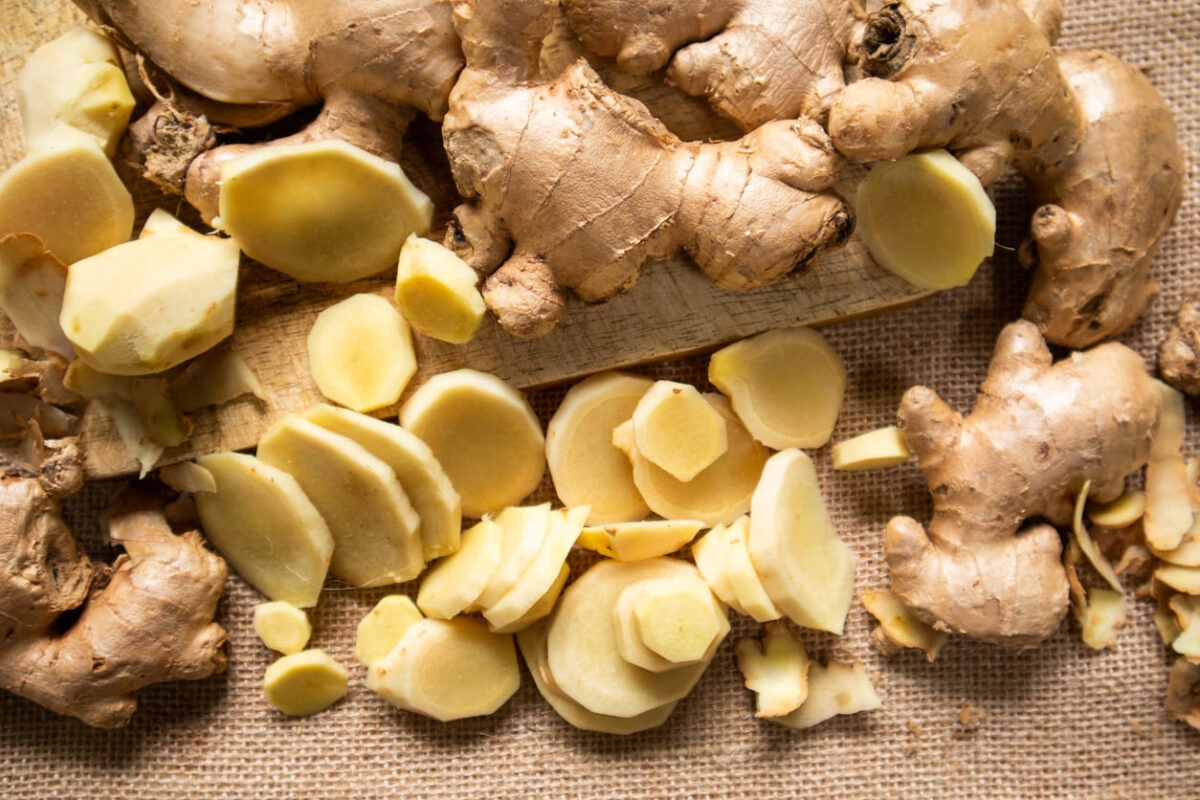
There are several reasons women may notice improvement after trying ginger:
Improved Scalp Health
A healthier scalp can create a better environment for existing hair. Ginger’s anti-inflammatory properties may help reduce irritation or mild scalp inflammation.
Increased Blood Flow
The tingling sensation caused by fresh ginger can temporarily increase circulation near the skin’s surface. While improved circulation alone doesn’t guarantee new hair growth, some people enjoy the invigorating feeling.
Reduced Hair Breakage
When women begin focusing on scalp care, they often adopt other healthy habits at the same time. Habits like gentler styling, better nutrition, or reduced heat damage, all of which may contribute to fuller-looking hair.
The Risks You Should Know About
Before you start grating fresh ginger, proceed with caution. Fresh ginger can be surprisingly irritating to the skin. Some people experience:
- Redness
- Burning sensations
- Itching
- Contact dermatitis
- Scalp sensitivity
Women with sensitive skin, eczema, psoriasis, or color-treated hair should be especially careful. If you’re curious about trying the remedy, perform a patch test on a small area of skin first and discontinue use immediately if irritation occurs.
Better-Supported Options for Hair Thinning
For women experiencing age-related thinning, especially around the hairline, there are treatments with significantly stronger scientific support.
These include:
- Topical minoxidil (Rogaine)
- Addressing nutritional deficiencies, such as low iron or vitamin D
- Managing hormonal changes associated with menopause
- Low-level laser therapy devices
- Consultation with a dermatologist specializing in hair loss
Because hair thinning after 50 can stem from hormonal shifts, thyroid issues, stress, medications, or nutritional deficiencies, identifying the underlying cause is often more effective than relying on a single home remedy.
The Bottom Line
The Korean ginger-hairline remedy is an intriguing beauty tradition that continues to attract attention online. While ginger may offer some scalp-health benefits and a stimulating sensation, current scientific evidence does not support it as a proven method for regrowing hair.
For women looking to restore thinning hair, especially during and after menopause, the most reliable approach is still a combination of professional evaluation, evidence-based treatments, and healthy lifestyle habits. As with many beauty trends, ginger may be worth viewing as a wellness ritual rather than a miracle cure. Sometimes the best beauty secret isn’t finding the latest viral remedy, it’s understanding what really works.