
There’s a moment many women reach after experimenting with dermal fillers when they pause and think: Is this still me? What once felt like a subtle refresh can, over time, begin to feel a little… off. Features may look heavier, less defined, or simply not aligned with how you see yourself. If that sounds familiar, you’re not alone – and you’re certainly not stuck. Dissolving fillers has become an increasingly common and empowering option for those who want to reset, refine, or completely rethink their aesthetic.
Let’s walk through what dissolving fillers actually means, how it works, and what you should thoughtfully consider before taking that step.
Understanding What’s Being Dissolved
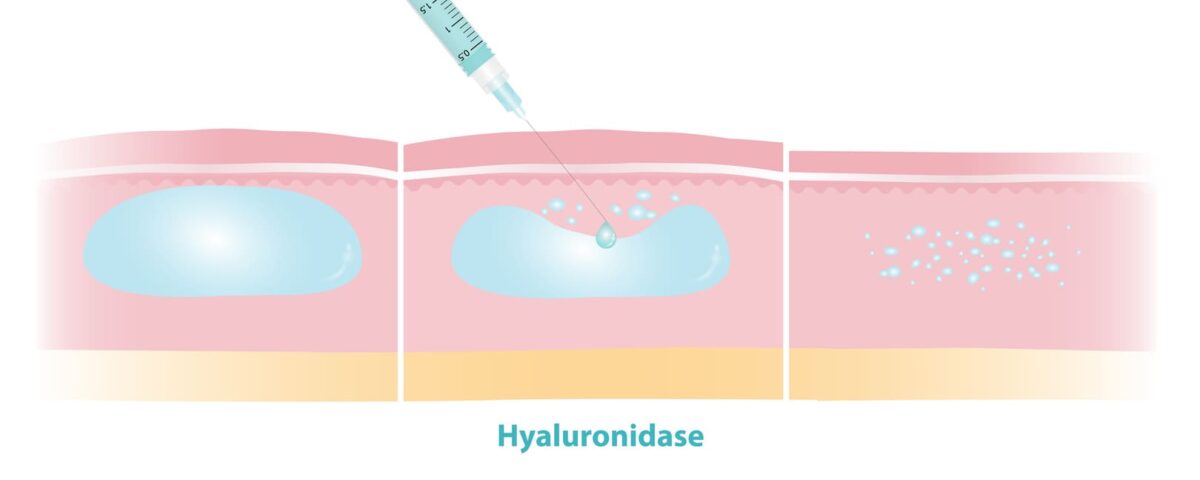
Most modern fillers are made of hyaluronic acid (HA), a substance your body naturally produces to keep skin hydrated and plump. Brands like Juvederm and Restylane fall into this category. Because HA is naturally occurring, it can also be safely broken down using an enzyme called hyaluronidase.
This is what makes dissolving possible.
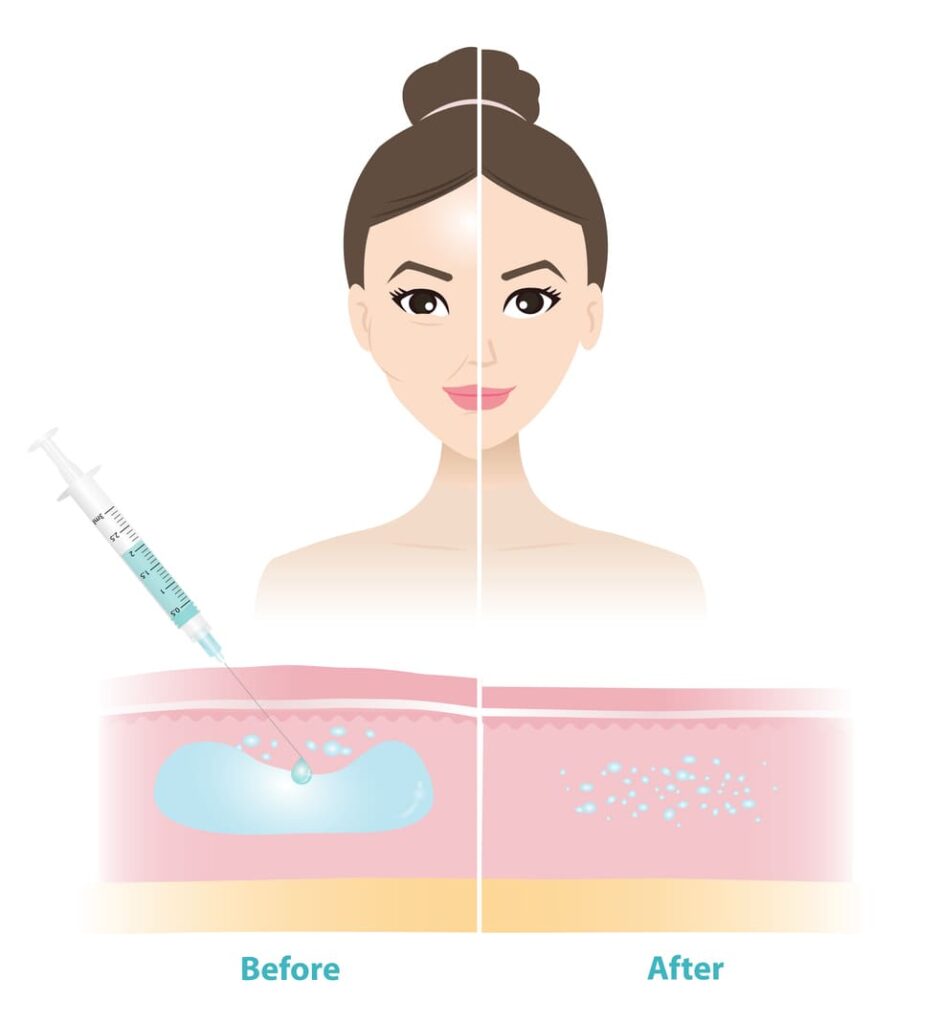
Hyaluronidase works by breaking apart the hyaluronic acid molecules, allowing your body to gradually absorb and eliminate them. In simple terms, it “melts” the filler. This can be done partially—if you just want refinement—or fully, if you’re ready for a complete reset.
Not all fillers can be dissolved this way, but the vast majority used today can, which is reassuring for anyone feeling hesitant about being “stuck” with a result.
Why Women Choose to Dissolve Fillers

The decision to dissolve isn’t always dramatic. Sometimes it’s subtle and thoughtful, evolving over time.
For some, it begins with noticing that their face doesn’t move or reflect light the way it used to. Cheeks may appear overly full, lips may look slightly overdone, or under-eye filler may start to look puffy rather than refreshed. What was once enhancement can shift into distortion – often very gradually.
Others choose to dissolve because their aesthetic preferences have changed. There’s been a noticeable shift in recent years toward more natural, less “filled” appearances. Softer contours, better skin quality, and subtle structure are becoming the new standard.
Then there are practical reasons. Filler can migrate, especially in areas like the lips. It can also last longer than expected, building up over time with repeated treatments. Dissolving gives you a chance to clear that accumulation and start fresh, often with a more conservative approach moving forward.
And sometimes, it’s simply about reconnecting with your natural face.
What the Process Feels Like
If you’re imagining something complicated or intimidating, it’s actually quite straightforward.
A trained provider injects hyaluronidase into the area where the filler is placed. You may feel a quick sting, similar to getting filler itself. The enzyme begins working almost immediately, though full results can take a few days to settle.
Swelling is common right after the procedure – ironically, you might look temporarily more “filled” before things calm down. Bruising can also occur, depending on the area treated and your skin’s sensitivity.
Most people see noticeable reduction within 24–72 hours, with final results appearing over about a week.
It’s worth noting that dissolving isn’t always an all-or-nothing event. Many providers take a gradual approach, especially in delicate areas, dissolving a portion first and reassessing before doing more. This helps avoid overcorrection and allows you to ease into your new (or rather, original) look.
Will You Look “Worse” After?
This is one of the most common concerns, and it’s a valid one.
There’s a fear that once filler is gone, the face will look deflated, aged, or somehow worse than before. In reality, this is rarely the case, but there are a few nuances.
If you’ve had filler for a long time, your skin may have stretched slightly to accommodate the volume. When the filler is dissolved, it can take a little time for the skin to readjust. This doesn’t mean permanent sagging; it just means your face is recalibrating.
Also, your eye may need time to adjust. If you’ve grown accustomed to a certain level of fullness, returning to your natural contours can feel surprising at first, even if it looks objectively balanced and refreshed.
Many women report something unexpected after dissolving: a sense of relief. Their face feels lighter, more expressive, and more like them again.
Choosing the Right Provider Matters
Dissolving filler is as much an art as placing it.
An experienced injector understands facial anatomy deeply and knows how to dissolve strategically. Removing too much too quickly can create unevenness, while dissolving too little may not achieve the desired effect.
There’s also an important distinction: hyaluronidase doesn’t only target filler; it can also break down some of your body’s natural hyaluronic acid. This is temporary, as your body replenishes it, but it’s another reason why precision matters.
A thoughtful provider will evaluate your face holistically, discuss your goals in detail, and create a plan that aligns with how you want to look – not just today, but long-term.
What Happens Next?
Dissolving filler doesn’t mean you’re done with aesthetic treatments forever, unless you want to be.
For some, it’s a reset before reintroducing filler in a more refined, conservative way. For others, it opens the door to alternative treatments like skin tightening, laser therapy, or collagen-stimulating procedures that focus more on skin quality than volume.
And for many, it’s simply enough to return to baseline and embrace a more natural approach to aging – one that prioritizes movement, expression, and authenticity.
A More Empowered Perspective

There’s something quietly powerful about choosing to dissolve fillers. It reflects a shift from chasing an ideal to defining your own version of beauty.
Your face isn’t static. It evolves, just like your preferences, your lifestyle, and your sense of self. What felt right five years ago may not feel right today, and that’s not a mistake; it’s growth.
Dissolving fillers isn’t about regret. It’s about refinement. It’s about giving yourself permission to adjust, to simplify, and to reconnect with what feels genuine.
If you’ve been looking in the mirror and sensing that something isn’t quite aligned, it might be worth exploring. Not because you have to change anything, but because you can.
And having that choice? That’s where the real beauty lies.
Read More:
How Much Collagen Do You REALLY Need Each Day?