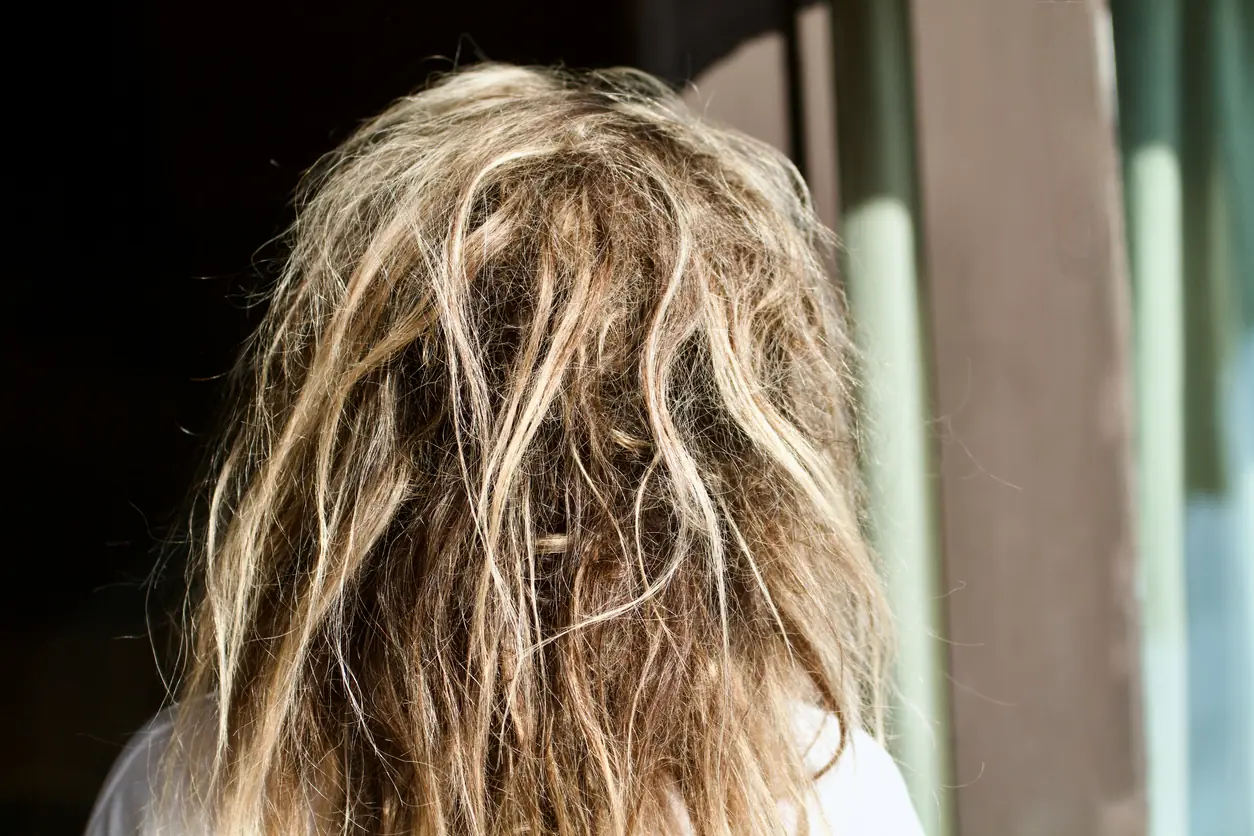
Getting your hair-dyed for the first time can make you feel like a powerful new woman. Your hair still holds onto its luster, making the new dye-job look even more silky and vibrant. But if hair dye has become a regular part of your beauty regiment, then the shine, texture, and integrity of your hair definitely isn’t what it used to be. Even fresh out of the salon, your hair is noticeably duller and dryer. Excessive bleaching and hair dying can dangerously compromise your hair strands, leaving them brittle, weak, and prone to splitting or even falling out.
Even without color-treatments, aging and menopause can make drastic changes to women’s hair. It becomes naturally courser, and often thinner, after the age of 40. When you add in regular bleaching, dying, and root touch-ups, you could be headed on the path to destruction. But even the most dire hair disasters can be healed with gentle hydrating products, a suitable cut, careful styling, and enough patience.
How Color-Treatment Damages Your Hair
Bleach works by literally opening up the hair cuticle, the outer protective layer that reflects light and creates shine. This allows the bleach to penetrate the strand and eat away the melanin inside. The aggressive dissolving of this pigment results in a lighter hair color.
At the same time, bleach may also break down the hair’s natural protein and structural bonds, leading to dryness and damage. It can also leave the cuticle less smooth, making hair appear dull and rough. If you don’t space out your routine dye-jobs or touch-ups, then you risk damaging your hair in a way that is irreparable.
Aging Hair & Gray Coverage
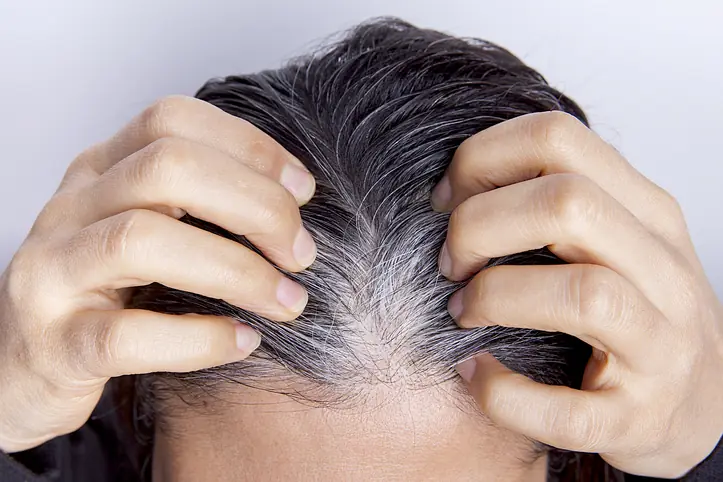
Another driver of dullness is our desire to cover up gray hair. When many women first begin coloring their hair, they’re often covering a few grays or adding subtle highlights to brighten their complexion. The hair is generally healthy, the color services are minimal, and the results are vibrant and glossy.
Those few gray strands gradually become more numerous, requiring more frequent touch-ups and often stronger color formulations. What may have started as a gentle demi-permanent color can evolve into regular applications of harsher permanent color designed for maximum gray coverage.
To make matters worse, the scalp produces less natural oil as we age. Hair can become drier, coarser, and less reflective, making it more challenging to maintain the glossy appearance we enjoyed in our younger years.
Read More: 10 Great Shampoos for Gray Hair
Heat Styling & Environmental Stress
Frequent blow-drying, flat ironing, and curling can compound the effects of coloring. Sun exposure, hard water, and environmental pollutants can also contribute to fading and loss of shine.
How to Restore Shine to Color-Treated Hair
The key to reviving damaged hair is protecting the integrity of the hair while maintaining beautiful color.
Choose a Gentler Color System
If you’re receiving a single-process color service, ask your stylist about newer color technologies that are designed to minimize stress on the hair. Ammonia-free formulas and oil-delivery color systems can often provide excellent gray coverage while helping preserve softness and shine.
If you’re trying to give your hair time to heal, then it’s best to avoid any major style changes. But if you’re really wanting to switch-up your color, then you’ll need to choose a color that won’t require tons of processing to achieve a nice end result. Consult with your stylist or take a look at the color wheel to identify what color formulation will help you achieve a flawless look.
Only Apply Color Where It’s Necessary
One of the most important rules for maintaining healthy color-treated hair is to only apply permanent color to new growth whenever possible. The ends of your hair are older, dryer, and have been repeatedly exposed to hot tools and color processing. Continuously pulling permanent color through previously colored hair can lead to unnecessary damage and dullness.
Rather than saturating the entire head with color at every appointment, ask your stylist to refresh the ends only when needed. This helps maintain color without over-processing the hair.
Use Products Designed for Color-Treated Hair
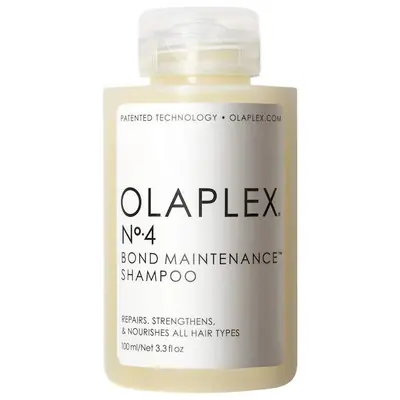
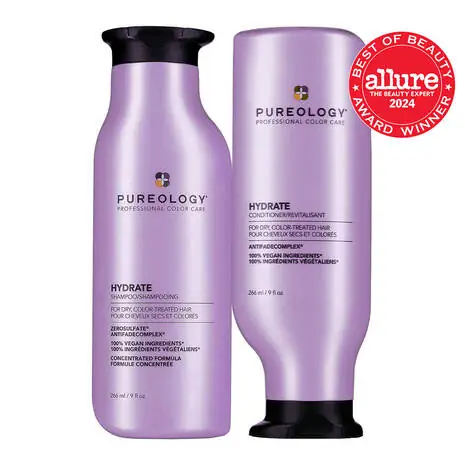
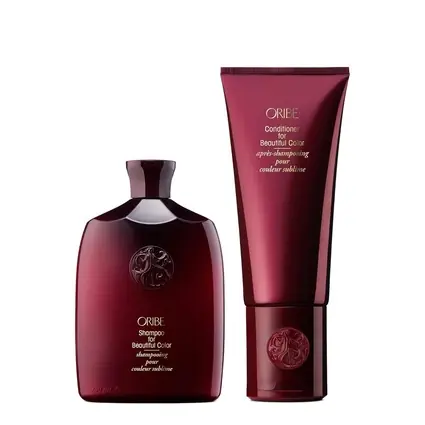
Color-safe shampoos and conditioners help minimize oxidation, preserve vibrancy, and maintain moisture. Look for formulas specifically created to support color longevity and hair health.
Tips to Be Gentle On Your Hair
Excessive heat can quickly undo the benefits of a great color service. Your hair needs a delicate touch and time to heal. Reduce heat styling! I know it’s difficult when we want to have the perfect put-together look every day. Whenever possible, lower the temperature of your styling tools and use a heat protectant before blow-drying, curling, or straightening.
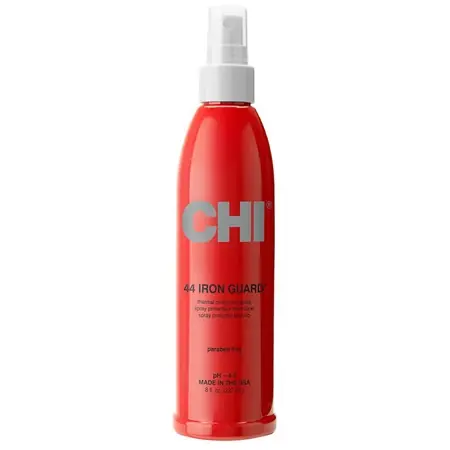
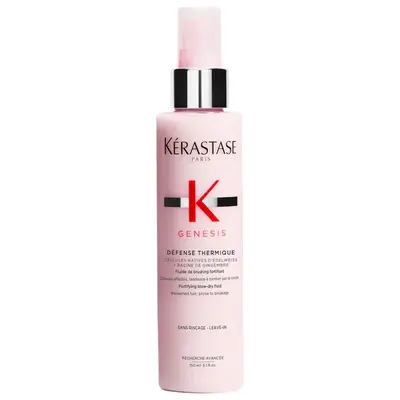
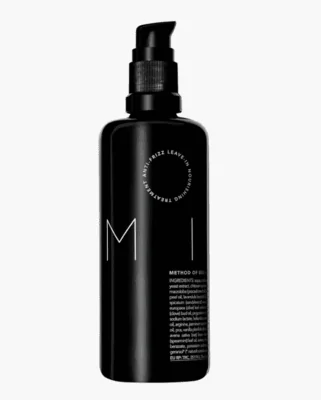
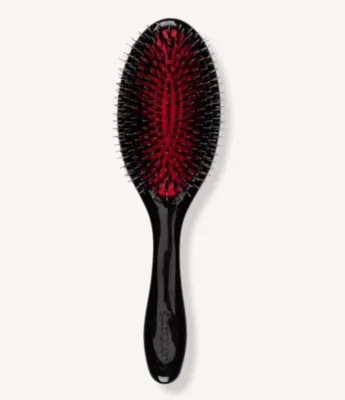
Also, brush smartly! This is an area many people overlook. A quality boar bristle brush can help distribute your scalp’s natural oils from roots to ends, improving smoothness and adding natural shine. Whenever you style your hair, make sure you’re not excessively tugging and pulling. Always start by brushing the ends, and work your way up.
Lastly, you might have to sacrifice those steaming hot showers. A cool rinse at the end of your shower can help smooth the cuticle layer, allowing hair to reflect more light and appear shinier. Cooler showers reduce heat damage and also help hair dye last longer. That means less trips to the salon, less damage, and more money in your wallet.
Get a Sensible Cut
This might be the last thing any woman wants to hear, but a sensible chop can remove damaged ends that are holding you back from looking fresh and polished. I’m not saying everything must go!
Consult with your stylist about a cut that would be suitable to your look. Consider removing a couple inches off the ends, or try some strategic layering that will maintain length and volume while eliminating dead weight.
With the proper styling and at-home care, hair color doesn’t have to mean sacrificing your luscious locks. While years of coloring can gradually affect texture and shine, it’s never too late to reevaluate and regrow! If your hair isn’t as shiny as it once was, don’t assume it’s simply a sign of aging. Often, a few changes in your color and cut can bring back softness, shine, and a more youthful-looking finish.
Read Next: