

Love in the final chapter of one’s life deserves appreciation, not judgment or silence. It deserves to be named, felt, and honored just as fiercely as love in youth. I wrote the journal entry below after my first date with Bob, whom I met shortly after losing my husband, Al, to cancer. At 81, I wondered if it was too late to feel butterflies again. The answer was clear and immediate. No. Love does not expire. If anything, it becomes more precious.
“I adore this new man in my life! Absolutely, someone to be proud to be with. And he appears to like me. So, is this lust? Love? Widow’s Fire? I’m not sure. I just know it’s the best thing that’s happened to me in three years, and I want to envelop myself into this man. I have prayed to God and to Al, “Please send me a wonderful man like the man I had.” And I believe they may have done it.”
An Unexpected Gift
For me, it was an unexpected and deeply welcomed gift from God, the Universe, and from my own willingness to recognize it and find the courage to accept it, even when others did not see it the same way. I had to move past judgment, including my own, and thankfully, I did.
When I was mourning Al, something unexpected emerged in me. I felt a strong physical longing for touch, especially the embrace of a man. Late at night, I found myself searching online for answers, trying to make sense of what I was feeling. That is when I came across a term I had never heard before: widow’s fire. I read article after article describing a surge of desire after loss, and I sat there thinking, Oh my God. This is me.
Widow’s Fire
I kept reading. Other widows described the same hunger for closeness and connection. It was common, and yet rarely discussed. I began to understand something that brought me real comfort: desire after loss does not erase love. It does not replace it. It simply signals movement.
Six weeks after Al’s death, I admitted to myself that I wanted companionship again, and I was not ashamed. That honesty is what gave me the courage to ask Bob to dance the moment I laid eyes on him, on a night I did not even want to go out but was lovingly pushed out the door by my friends. And yes, the two martinis helped with that, too!
Who knew love could still be so beautifully magical, intriguing, a little crazy, and deeply tender at this age? The secret is wanting it, staying open to it, and not passing up a good opportunity when it appears. Life truly is for the living, and I plan to fully live it to my abilities.
Love is different when you are in your 80s. Oh yes. The lights may be a little lower, but the tenderness remains. Sweet whispers in the ear and the touch of a warm embrace brings the heart back to life. It offers the glow of remembered youth, with vigor and desire rekindled, and a fire in the pit of the stomach that warms both days and nights.
There is No “Right” Age for Love
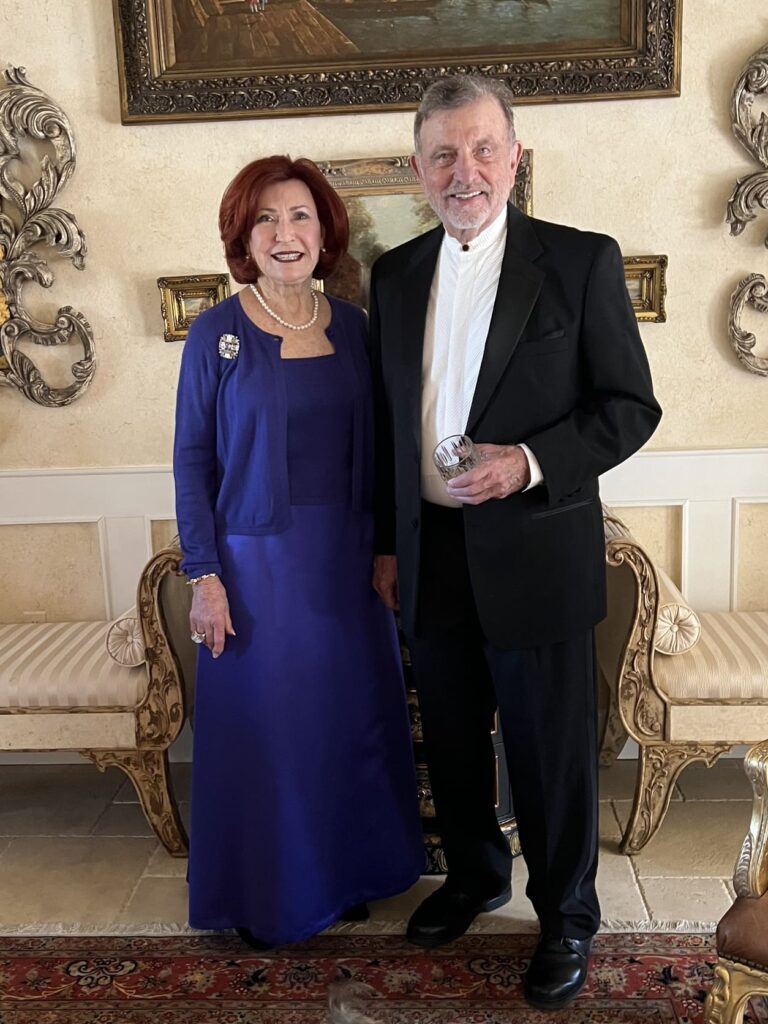
New love at any age is a treasure. No one gets to decide the “right age” or tell anyone they’re too old for attraction or love. For me—and I know others who found love again later—that “young at heart” feeling begins and ends with the willingness to own being a sexual being. If I get my way, I’ll always be Bob’s sexual desire, as he is mine.
In my heart, I’m still somewhere in my late 30s or early 40s. I can still fit into the clothes I wore then. I take good care of myself, dress my age with a nod to my younger self, and never hesitate to refresh my naturally red hair every five weeks. I believe in enhancing what wants a little help, and I certainly enjoy the results. I can still strut a runway!
While it took time for my adult children to accept how I feel and understand my desire to love again and continue living after the death of their father, Al, I am grateful that I stayed true to myself and honored what I felt. Today, I can see their pride when they put their arms around my shoulders and claim me as their mom. They have witnessed the struggles and the triumphs.
They know I am aging, just as I do; they also know I deserve the gift of love. They worry, as do I, when we hear that one of my peers has passed. We are aware that my clock is running, and that, truly, is a crying shame.
But for now, I’m just fine. Let that darn clock tick away. I’ve got my world by the tail, and I’m swinging on my rainbow. I’ve got my man, and he’s got me.
Lesson’s Learned
There are things I have learned from this late-in-life “second chance,” and one of them is to enjoy the moment, because it is fleeting. During Al’s long illness, when I served as his caretaker—with much appreciated help from others—I cherished every moment he was still here. We both knew the clock was ticking. And now, with Bob, I cherish every moment for a different reason: I have been gifted a renewal of passion.
I speak with so many of my wonderful women friends who have lost their partners to death, divorce, or increasingly, a later-in-life ending known as “grey divorce,” the growing trend of couples separating after decades of marriage. On the bright side, some tell me they have rediscovered themselves. No longer part of a couple, they are free, sometimes for the first time in decades, to explore interests, activities, and experiences they never pursued before, for a wide variety of reasons. But others speak honestly about loneliness. Many say they miss being part of a couple. They miss having someone to go places with, to talk to and confide in, to snuggle with on the couch and in bed. Someone to travel with or just enjoy a romantic dinner now and then.
Growing old together is truly a luxury, and not all of us are granted it. Al and I did not have that gift, but I hope Bob and I will, walking hand in hand through whatever time life still gives us. And I am an advocate for everyone: go find those butterflies, even if you’re in your eighties.
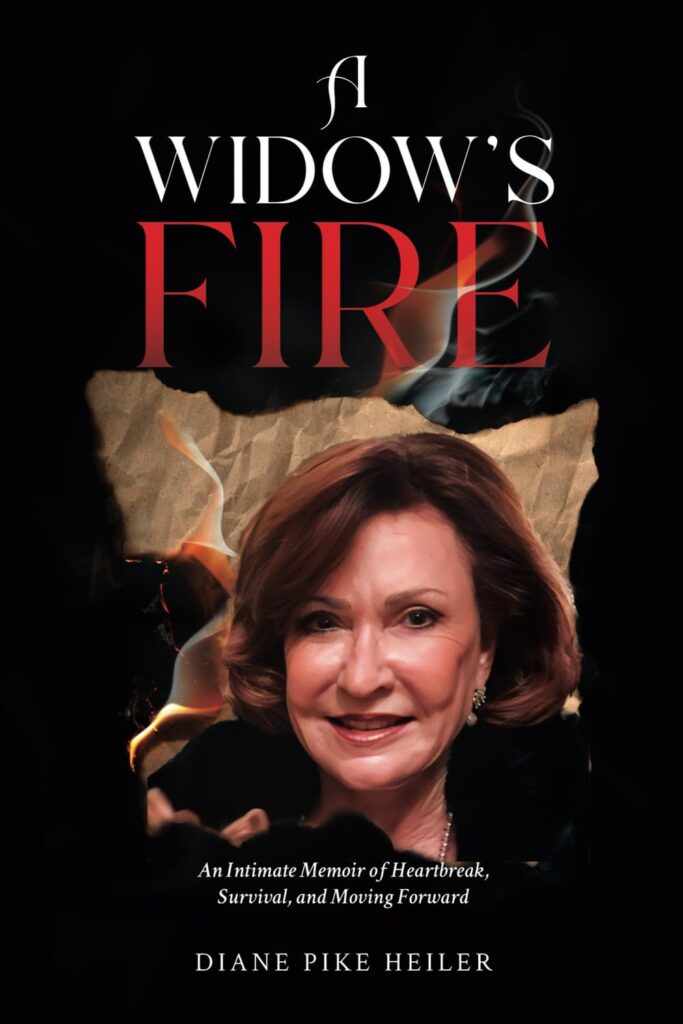
Diane Heiler is the author of A Widow’s Fire: An Intimate Memoir of Heartbreak, Survival, and Moving On. After losing her beloved husband following a decade-long battle with cancer, and navigating the weight of anticipatory grief, Diane never set out to write a book. She began journaling to heal, but as she connected with others who had experienced deep loss, she realized her story could offer comfort and inspiration. Through raw honesty and unexpected revelations, Diane’s memoir invites readers on a powerful journey of grief, resilience, and the surprising ‘fire’ that helped reignite her will to move forward.