
Is lifeless skin dragging you down? Or is an unexpected breakout causing you discomfort and embarrassment? Maybe you have some sort of skin rash that just won’t go away? If you’re experiencing any of these skin issues and you just can’t seem to correct them, the underlying culprit could be chronic skin inflammation.
Inflammation is a common cause of many health and skin problems, as well as some serious illnesses. But what is inflammation, and how can you reduce it for better-looking healthier skin?
What is Inflammation
An inflammatory response is triggered when your body feels threatened or harmed. Whether you eat something that doesn’t agree with you touched something you are allergic to or sustain an injury, the immune system sends white blood cells to protect and heal the area. Once healed, the white blood cells retract and the inflammation goes away. It’s a very natural and healthy process.
However, an array of diet and lifestyle factors can lead to chronic inflammation. Poor eating habits, lack of sleep, and increased stress can create widespread inflammation that lingers in your body.
Signs of Inflammation

Inflammation on the inside eventually starts to show on the outside like on your skin. Long-term inflammation even starts to break down collagen, which causes sagging and premature aging.
What’s more? When you’re body is inflamed, you may experience a number of symptoms throughout your body and skin, including:
Skin-Related Symptoms:
- Persistent acne or adult-onset breakouts
- Rosacea and facial redness
- Eczema and dermatitis
- Stubborn blackheads and clogged pores
- Hives and unexplained rashes
- Dry, flaky patches
- Uneven skin tone and dark spots
- Slower wound healing
Body-Wide Symptoms:
- Joint pain and stiffness (especially morning stiffness)
- Digestive issues and leaky gut syndrome
- Persistent fatigue
- Brain fog and difficulty concentrating
- Intensified menstrual or menopausal symptoms
- Frequent headaches or migraines
- Unexplained weight gain
- Sleep disturbances
More Serious Conditions Linked to Chronic Inflammation:
- Arthritis and osteoporosis
- Cardiovascular disease
- Type 2 diabetes
- Alzheimer’s disease and dementia
- Autoimmune disorders
- Certain cancers
More serious illnesses that are associated with inflammation include:
- Arthritis
- Heart disease
- Alzheimer’s
- Cancer
8 Powerful Strategies to Reduce Skin Inflammation
Before you feel overwhelmed, remember this: early signs of inflammation are actually valuable information. Your body is communicating that something needs attention. By making targeted lifestyle adjustments, you can ease or even eliminate these symptoms, revealing healthier, more radiant skin in the process.
1. Transform Your Diet with Anti-Inflammatory Foods

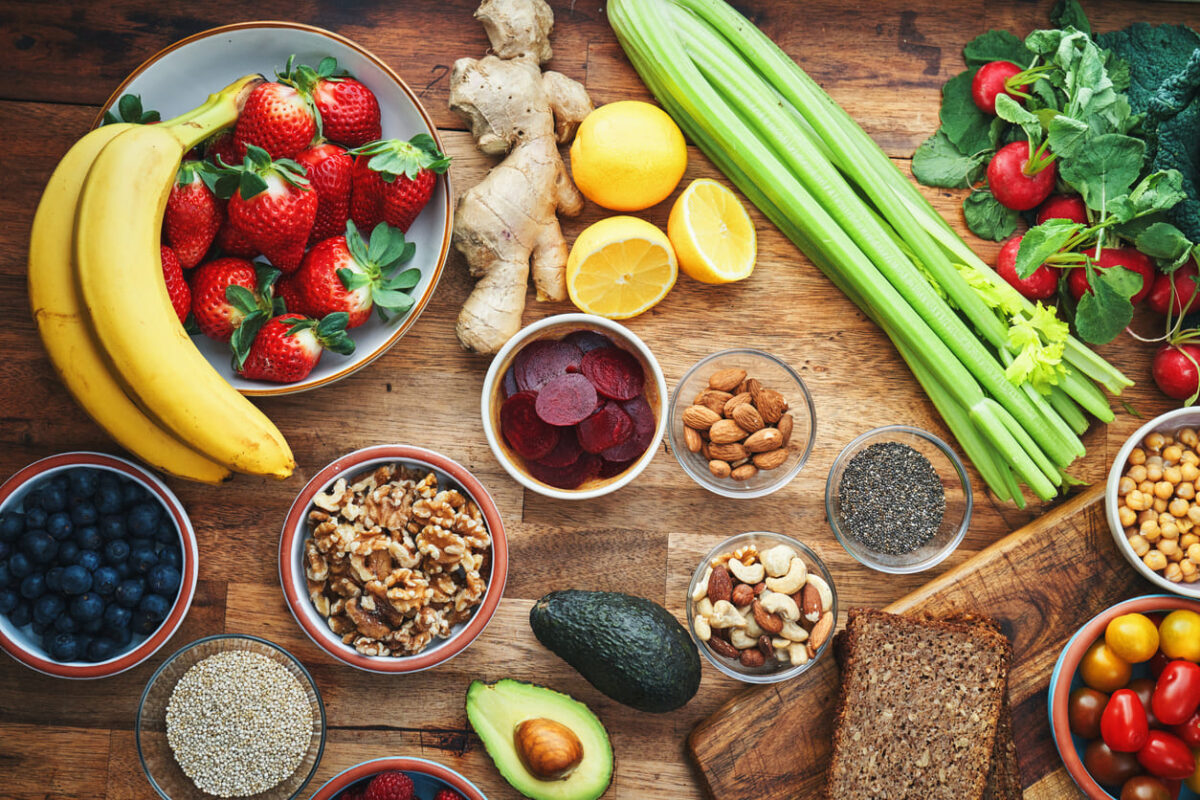
Your kitchen is your most powerful pharmacy. Foods rich in antioxidants and omega-3 fatty acids naturally combat inflammation while strengthening your immune system and fighting free radicals.
Load up on these inflammation-fighting superstars:
Dark leafy greens like kale, spinach, and Swiss chard
Colorful vegetables, especially cruciferous options like broccoli and Brussels sprouts
Berries—particularly blueberries, strawberries, and blackberries
Fatty fish such as wild-caught salmon, sardines, and mackerel (at least twice weekly)
Nuts and seeds, including walnuts, almonds, flaxseeds, and chia seeds
Citrus fruits packed with vitamin C
Extra virgin olive oil as your primary cooking fat
Green tea, which contains powerful anti-inflammatory compounds
Embrace anti-inflammatory spices:
Turmeric (enhanced with black pepper for better absorption)
Ginger
Cinnamon
Garlic
Cayenne pepper
Try swapping your morning coffee for a creamy turmeric latte made with almond or oat milk, turmeric, ginger, cinnamon, and a touch of honey. It’s a delicious, warming way to start your day while actively reducing inflammation.
2. Identify and Eliminate Inflammatory Trigger Foods
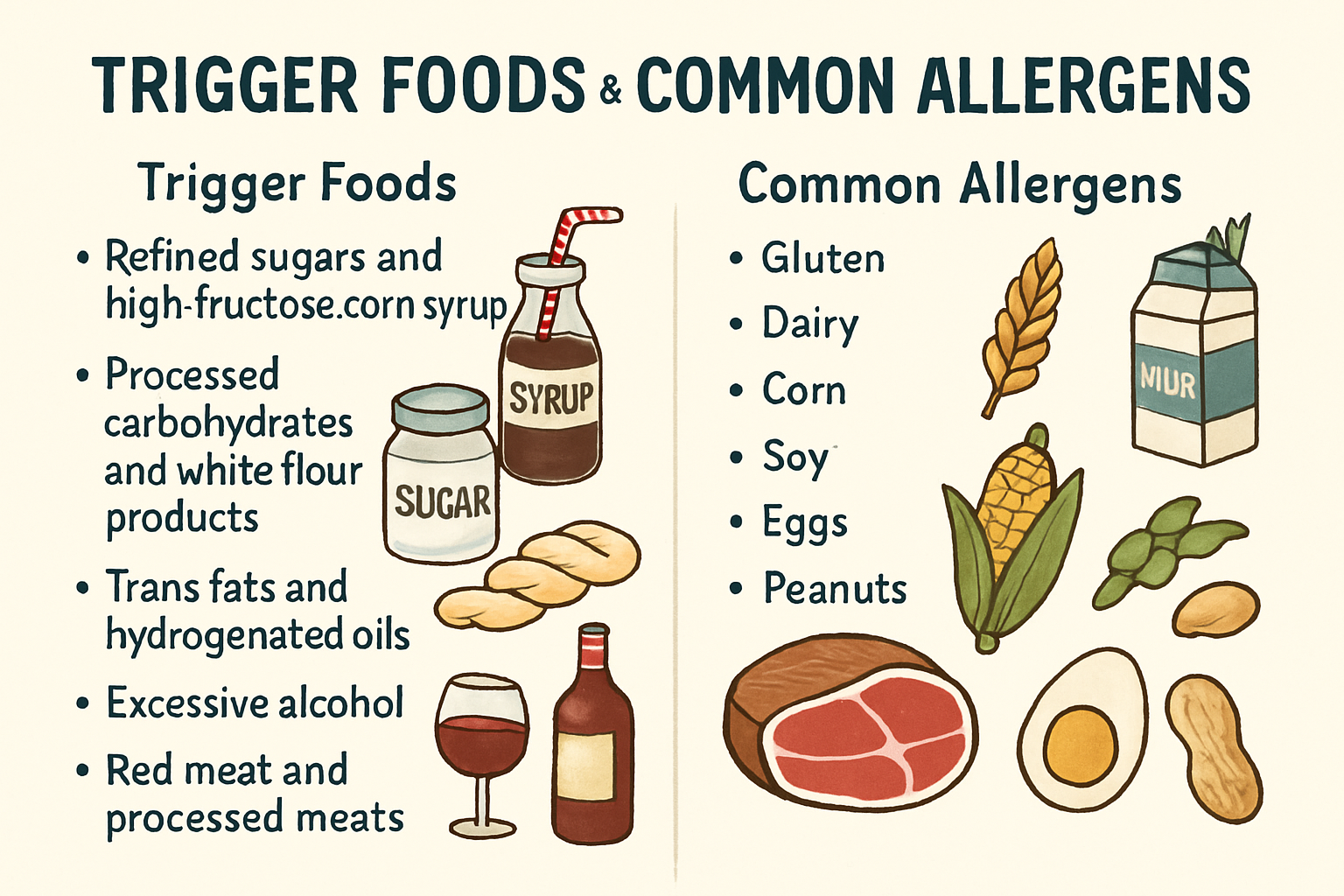
Just as important as what you add to your diet is what you remove. Certain foods are notorious inflammation triggers, especially as we age and our digestive systems become more sensitive.
Common inflammatory culprits include:
Refined sugars and high-fructose corn syrup
Processed carbohydrates and white flour products
Trans fats and hydrogenated oils
Excessive alcohol
Red meat and processed meats
Common allergens: gluten, dairy, corn, soy, eggs, and peanuts
Many women over 50 develop food sensitivities they never had before due to hormonal changes and decreased digestive enzyme production. Consider keeping a food journal for two weeks, noting what you eat and any symptoms that follow. This can reveal patterns you might otherwise miss.
For a more thorough approach, try an elimination diet where you remove potential triggers for 3-4 weeks, then systematically reintroduce them one at a time while monitoring your body’s response. Working with a functional medicine practitioner, nutritionist, or holistic health coach can provide personalized guidance through this process.
3. Prioritize Organic and Clean Eating
Pesticides, herbicides, and hormones in conventional foods can trigger inflammatory responses in your body. While buying 100% organic may not be realistic for everyone, focus on purchasing organic versions of the “Dirty Dozen“—foods with the highest pesticide residues—and choosing grass-fed, hormone-free meats whenever possible.
If budget is a concern, shop at farmers markets near closing time for discounts, join a CSA (Community Supported Agriculture) program, or prioritize organic purchases for the foods you eat most frequently.
4. Move Your Body Regularly and Purposefully

Exercise is one of the most effective anti-inflammatory interventions available, and it’s completely free. When you engage in cardiovascular activity, your body releases anti-inflammatory proteins called myokines, along with feel-good endorphins that reduce stress.
Physical activity also promotes circulation, helps eliminate toxins through sweat, maintains healthy weight, and supports better sleep—all factors that reduce inflammation.
Aim for this weekly exercise routine:
150 minutes of moderate aerobic activity (30 minutes, five times per week)
Two strength-training sessions to maintain muscle mass and bone density
Daily stretching or flexibility work
Low-impact options like swimming, water aerobics, or cycling if you have joint concerns
The key is finding activities you genuinely enjoy. If the gym feels like torture, try dance classes, hiking with friends, tennis, pickleball, yoga, tai chi, or even gardening. Movement doesn’t have to mean suffering—it should be something you look forward to.
For women over 50, incorporating strength training is particularly crucial. It counteracts muscle loss, strengthens bones, improves balance, and helps regulate blood sugar—all factors that influence inflammation.
5. Hydrate Strategically Throughout the Day

Proper hydration supports every cellular process in your body, including flushing out inflammatory compounds and keeping skin plump and radiant. Yet many women over 50 are chronically dehydrated without realizing it.
Calculate your ideal water intake: Take your body weight in pounds, divide by two, and drink that number of ounces daily. For example, if you weigh 140 pounds, aim for 70 ounces (about nine cups) of water each day.
Tips to increase your water intake:
Start each morning with a large glass of room-temperature water with lemon
Keep a reusable water bottle with you always
Set hourly reminders on your phone to take several sips
Eat water-rich foods like cucumber, watermelon, and celery
Drink herbal teas throughout the day
Add fresh fruit or herbs to your water for flavor
Remember that coffee, black tea, and alcohol are dehydrating, so increase your water intake on days you consume these beverages.
6. Master Stress Management Techniques

Chronic stress is one of the most significant contributors to inflammation, yet it’s often the factor we address least. When you’re stressed—whether from a genuine threat or simply running late—your body releases cortisol and enters fight-or-flight mode. While helpful in true emergencies, prolonged elevation of cortisol wreaks havoc on your immune system, accelerates aging, and promotes widespread inflammation.
For women navigating the challenges of this life stage—from aging parents to career transitions to health concerns—stress can feel constant and unavoidable. But managing your response to stress is entirely within your control.
Incorporate these stress-reduction practices daily:
Meditation or mindfulness practice (even 5-10 minutes makes a difference)
Deep breathing exercises, particularly before meals and bedtime
Regular time in nature—forest bathing has proven anti-inflammatory effects
Gentle yoga or restorative movement
Journaling to process emotions and concerns
Creative pursuits like painting, music, or crafts
Social connection with supportive friends
Setting firm boundaries around your time and energy
Professional support from a therapist or counselor when needed
Consider adopting a “stress jar” practice: each evening, write down your worries on small papers and place them in a jar, literally setting them aside until the next day. This simple ritual can help create mental space for rest.
7. Prioritize Restorative Sleep

Sleep is when your body performs essential repair work, including reducing inflammation and regenerating skin cells. Poor sleep quality or insufficient sleep (less than 7-8 hours) elevates inflammatory markers throughout your body and shows up quickly on your face.
Unfortunately, many women over 50 struggle with sleep due to hormonal changes, night sweats, or increased nighttime waking. Making sleep a non-negotiable priority can transform your health and appearance.
Create a sleep sanctuary with these strategies:
Maintain a consistent sleep schedule, even on weekends
Keep your bedroom cool (60-67°F is ideal)
Eliminate screens at least one hour before bed
Use blackout curtains or a sleep mask
Try white noise or nature sounds to mask disruptions
Invest in comfortable, supportive bedding
Take a warm bath with Epsom salts and lavender before bed
Avoid caffeine after 2 PM and alcohol close to bedtime
Consider magnesium supplementation (consult your doctor first)
Practice gentle stretching or legs-up-the-wall pose before bed
If sleep issues persist despite these efforts, speak with your healthcare provider about hormone therapy, sleep studies, or other interventions that might help.
8. Audit and Upgrade Your Skincare and Personal Care Products
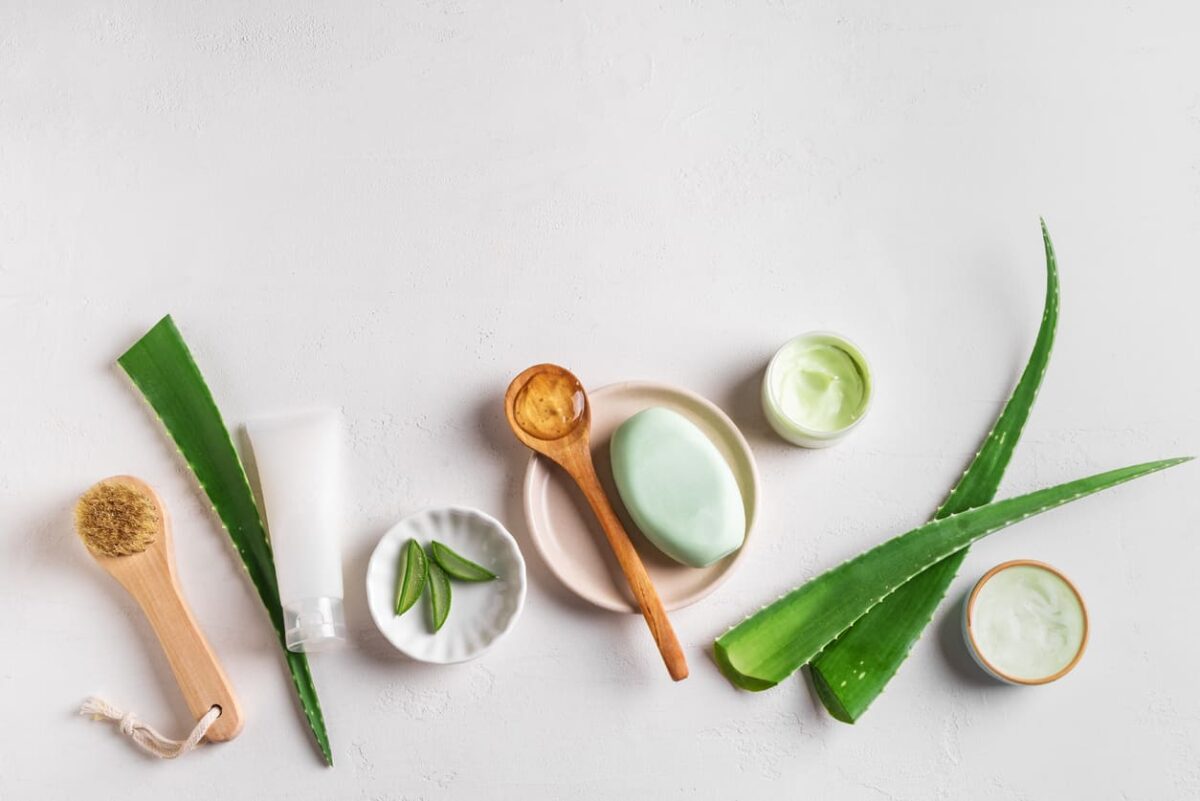
Your skin is your body’s largest organ, absorbing up to 60% of what you apply to it. Conventional skincare products often contain dozens of synthetic chemicals, preservatives, fragrances, and other ingredients that can trigger inflammatory responses, disrupt hormones, and burden your immune system.
Look for these concerning ingredients and avoid them:
Parabens (methylparaben, propylparaben, etc.)
Phthalates
Synthetic fragrances
Sodium lauryl sulfate (SLS)
Petroleum-derived ingredients
Formaldehyde-releasing preservatives
Chemical sunscreen ingredients like oxybenzone
Instead, choose products that are:
Certified organic by reputable third-party organizations
Free from synthetic fragrances (look for “fragrance-free” or essential oils)
Non-comedogenic if you’re prone to breakouts
Formulated with anti-inflammatory ingredients like niacinamide, green tea extract, ceramides, and peptides
Appropriate for mature skin concerns
Consider simplifying your routine altogether. Often, less is more when it comes to reducing inflammation. A basic regimen of gentle cleanser, antioxidant serum, moisturizer with anti-inflammatory ingredients, and mineral sunscreen may serve you better than a complicated multi-step routine filled with active ingredients.
Don’t forget about other personal care products: your shampoo, body lotion, deodorant, makeup, and even laundry detergent can contribute to your toxic load and inflammatory burden. Gradually transition to cleaner alternatives as you use up current products.
Additional Support: Supplements That Combat Inflammation
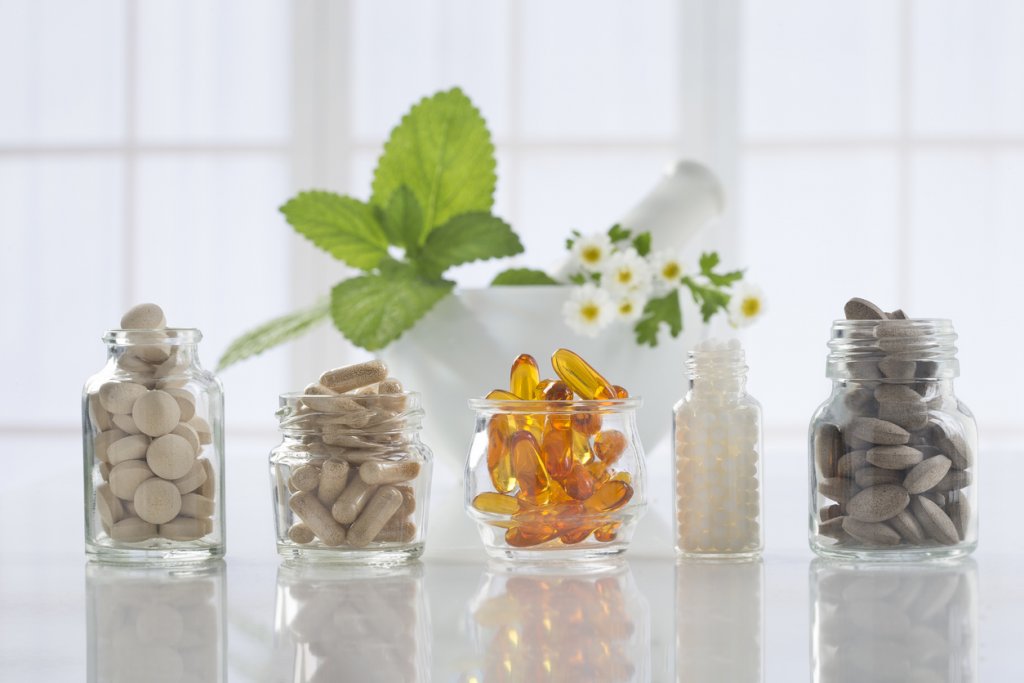
While food should always be your primary source of nutrients, certain supplements can provide additional anti-inflammatory support, especially as our bodies become less efficient at absorbing nutrients with age.
Consider these evidence-based options (always consult your healthcare provider first):
Omega-3 fatty acids (EPA and DHA from fish oil or algae)—look for 1,000-2,000mg daily
Curcumin/turmeric with black pepper extract for absorption
Vitamin D3 (many women over 50 are deficient)
Probiotics for gut health and immune balance
Resveratrol for antioxidant protection
Quercetin for its anti-histamine and anti-inflammatory effects
Vitamin C for collagen production and immune support
Magnesium glycinate for stress management and cellular function
Quality matters enormously with supplements. Look for third-party testing certifications from organizations like NSF, USP, or ConsumerLab to ensure you’re getting what the label promises without contaminants.
Your Action Plan: Starting Today
Addressing chronic inflammation doesn’t require perfection—it requires consistency and self-compassion. Rather than overhauling everything at once (which often leads to burnout), choose 2-3 strategies from this list to implement this month.
Perhaps you’ll start by adding more colorful vegetables to your meals, committing to a 20-minute daily walk, and switching to a cleaner face cream. Once these become habits, layer in additional changes. Small, sustainable steps create lasting transformation.
Track your progress by taking photos of your skin, noting energy levels, and monitoring other symptoms. Many women notice improvements within 2-4 weeks of making anti-inflammatory lifestyle changes, with continued benefits accumulating over time.
Remember: the skin concerns you’re experiencing aren’t inevitable parts of aging—they’re signals that your body needs support. By addressing inflammation at its root, you’re not just improving your complexion; you’re investing in your long-term health, vitality, and quality of life.
Your radiant, comfortable skin is waiting on the other side of these healing practices. You deserve to feel confident and beautiful at every age.