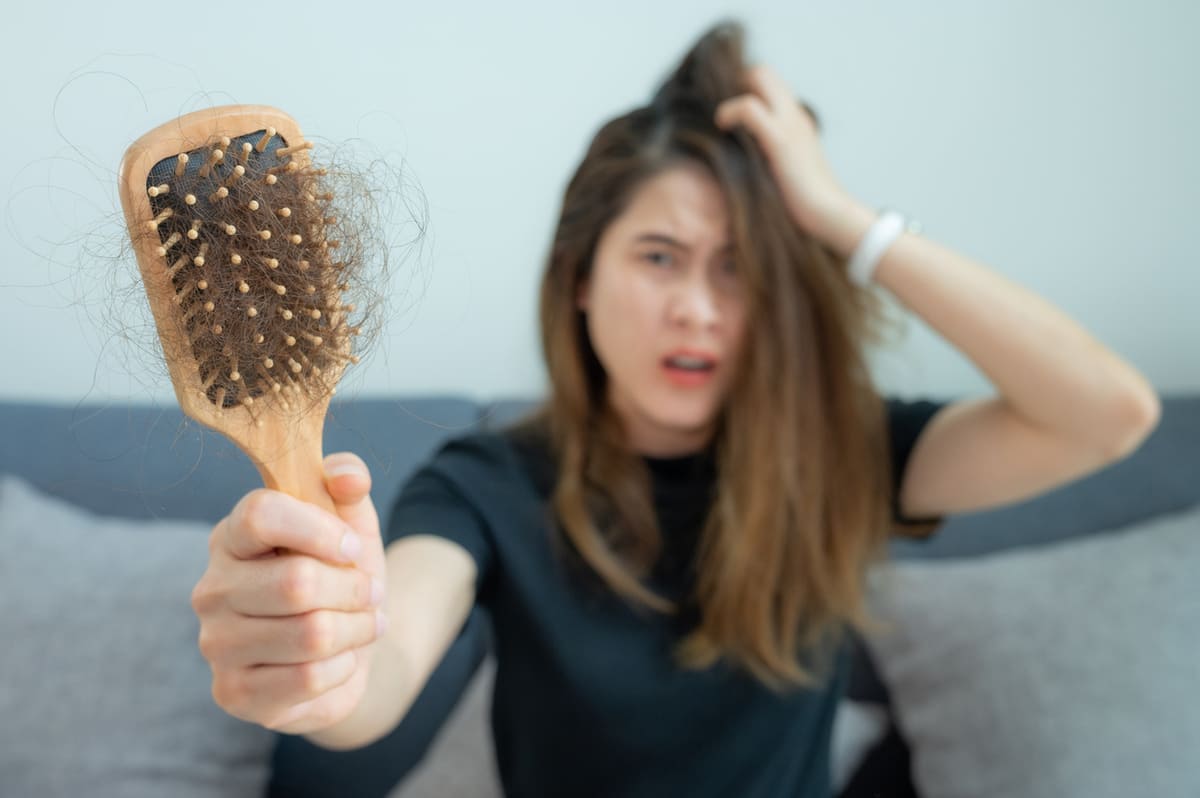
If your brush seems to glide through your hair more easily than it used to, thinning strands could be to blame. While it’s completely normal to lose between 50 and 100 hairs each day, problems arise when new, healthy hair doesn’t grow back to replace what’s shed. Over time, this imbalance can lead to noticeable thinning, wider parts, or a lack of volume that’s hard to ignore. For many women, especially as hormones shift with age, hair loss can feel frustrating and even unsettling.
There’s no shortage of shampoos, serums, and treatments promising thicker, fuller hair—and some can certainly help. But topical solutions only go so far if your body isn’t getting the nutrients it needs from within. After all, hair health is closely tied to overall health, and what you eat plays a major role in how well your hair grows, repairs, and stays strong.
So if food truly is medicine, could your diet be part of the solution? Certain vitamins, minerals, and healthy fats are known to support hair follicles, strengthen strands, and reduce excessive shedding. Before investing in another bottle on the shelf, it may be worth looking at what’s on your plate—and how the right foods could help fight hair loss from the inside out.
Foods that Fight Hair Loss
Hair loss can result from several factors – genetics, hormonal changes, and, yes, diet. The clinical term for hair loss is alopecia, and there are several different varieties that one can experience. Androgenetic alopecia (AGA) has been shown to respond to changes in diet, according to a study in Dermatology and Therapy.
According to the study, micronutrients such as vitamin D, iron, and vitamin C were all shown to positively affect hair regrowth, especially when AGA is present. For those who struggle with Alopecia areata (AA), when the immune system attacks the hair follicle, vitamin D can also be beneficial.
The idea of taking supplements or changing your diet to combat hair loss isn’t new. In fact, biotin is often touted as a hair and nail super vitamin. However, biotin has yet to show any measurable effect on either AGA or AA; in fact, it can cause false laboratory results. Talk to your doctor before starting any vitamin regimen or diet that focuses on biotin.
Since hair loss isn’t a one-size-fits-all origin, it’s impossible to hand out an easy diagnosis and plan of action to combat it. It’s important to find out the basis of your hair loss first, especially since hair loss can be a sign of a larger problem or vitamin deficiency.
That being said, boosting your vitamin C, D, and iron levels, especially through food, is a simple and generally safe thing to do. Plus, these nutrients can treat or prevent plenty of other maladies, such as the common cold or other common illnesses.
Best Foods That Fight Hair Loss
So, where do you get that vitamin C, D, and iron? There are plenty of great sources for each.
Vitamin C
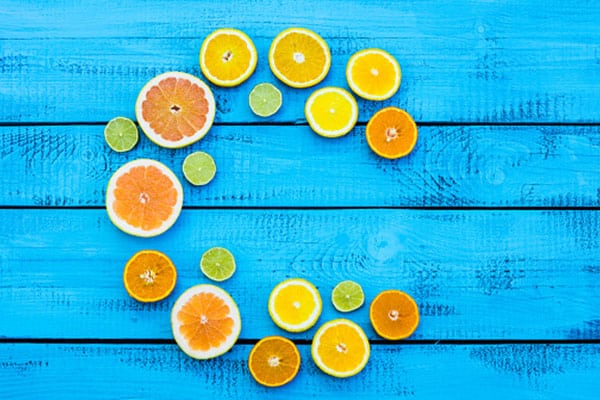
Yes, you can get your daily requirement of vitamin C from your morning OJ, but that’s not the only place you’ll find it. In fact, many fruits contain significantly more vitamin C than oranges. For the most bang for your buck, squeeze some guava juice. This tropical fruit contains 671 mg (or 746% of your daily requirement) per 200 calories.
If you want even more and the satisfaction of eating your veggies at the same time, slice up some bell peppers. You’ll snack on a whopping 1091% of your daily intake in 200 calories, plus get a healthy dose of fiber. Just keep those peppers red; they contain nearly twice the amount of vitamin C as green peppers.
Our preferred vitamin C supplement is Paleovalley Essential C Complex.
Vitamin D
Dubbed ‘the sunshine vitamin,’ vitamin D is naturally produced by the body in small amounts, but deficiencies are commonplace. To boost your vitamin D intake, conventional wisdom says to order the salmon. It isn’t wrong – you’ll get more than your recommended daily requirement of 200 calories. But another food packs much more punch.
Crimini mushrooms that have been exposed to sunlight or UV light contain nearly 1450% of your daily requirement per 200 calories. So order the full English breakfast and bask in the glow of vitamin D.
If you don’t love salmon or mushrooms, remember that many of our common fridge and pantry staples are fortified with vitamin D milk, cereals, yogurt, and even tofu can add a bit to your daily total.
Our preferred vitamin D supplement is NatureWise Vitamin D3.
Iron
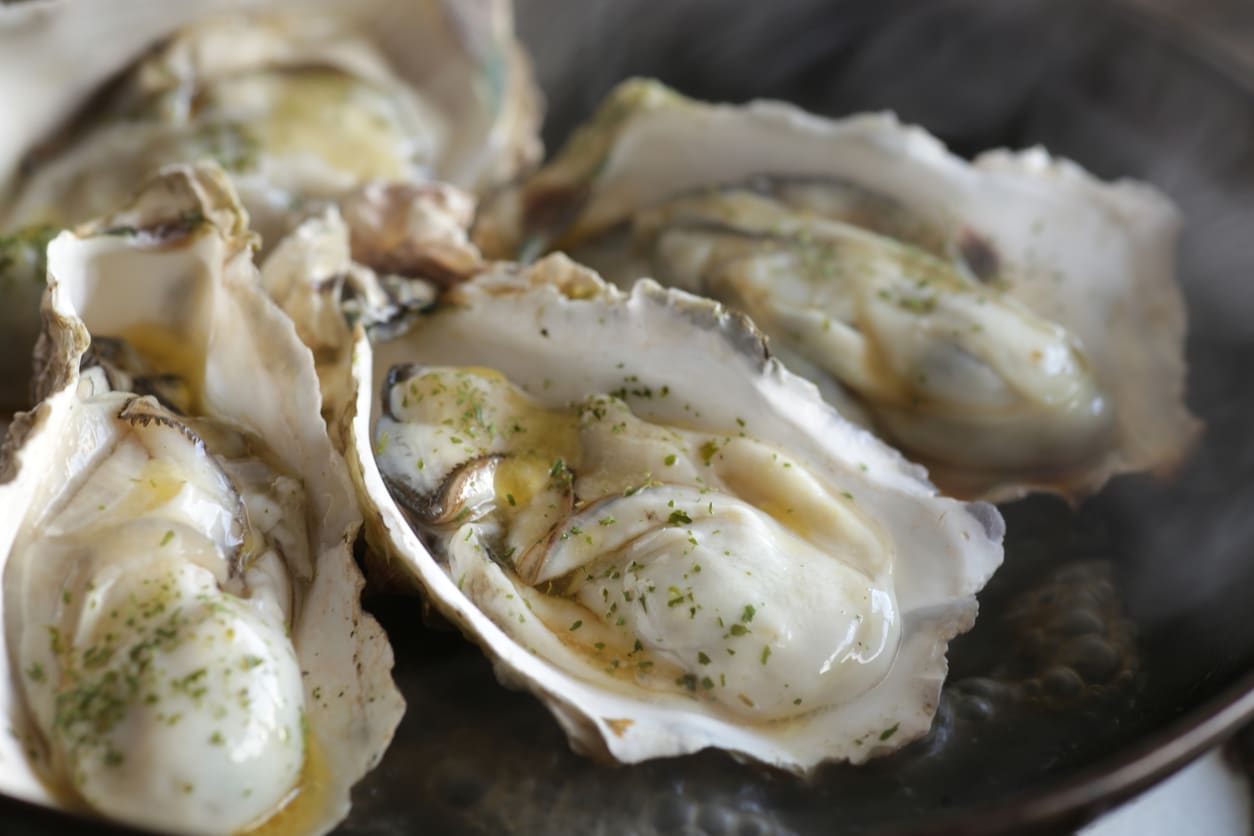
Most people think of red meat when they think of iron, and of course, they are correct. Beef is high in iron. But it’s not the only protein that can boost iron levels. Seafood, and in particular, shellfish, is a surprising source.
Oysters on the half shell can provide 63% of your daily requirement per 200 calories. Cuttlefish, whelks, or octopus also give nearly half of your daily needs. So, order the Spanish tapas plate and feel no guilt.
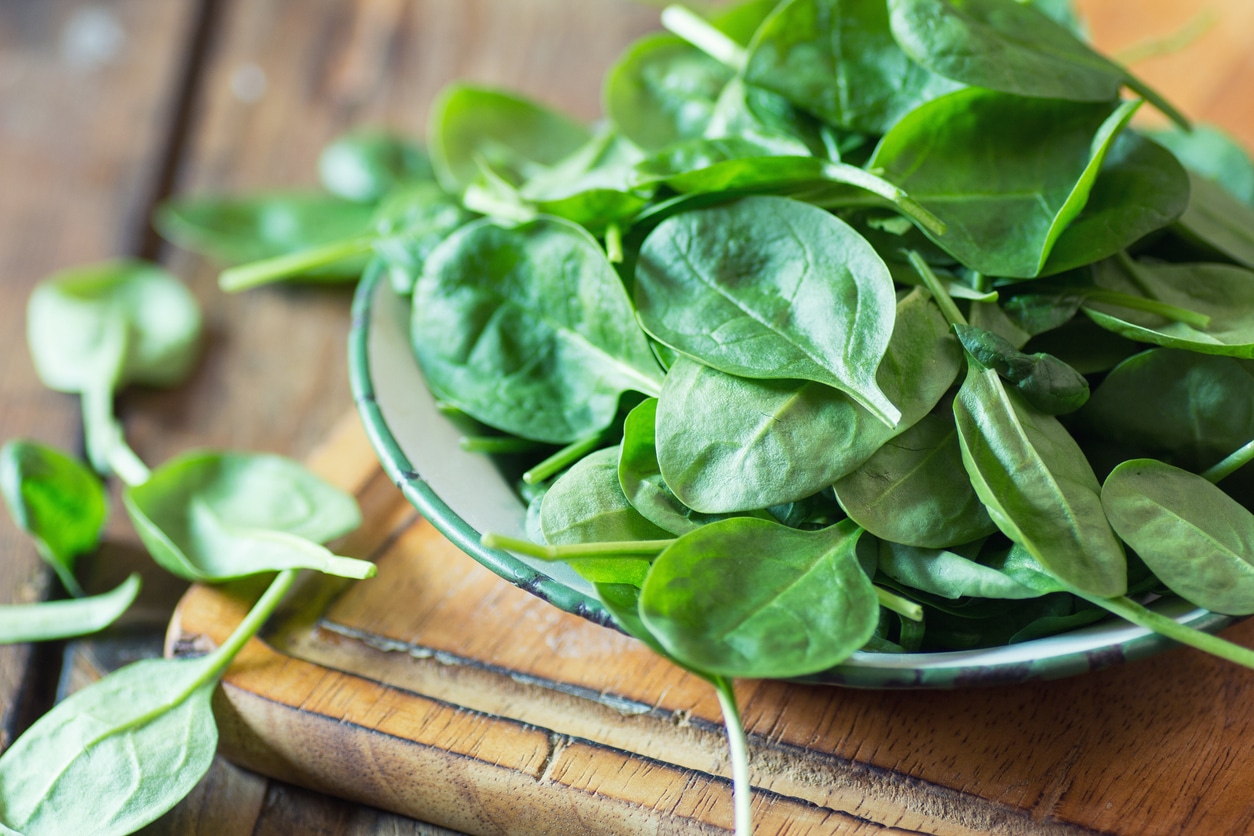
For vegetarians, spinach is another excellent iron source, although it can be tough to eat 200 calories of just spinach. You’ll also find iron in dried fruit and dried beans, both a staple of vegetarian and vegan diets.
Our preferred iron supplement is MegaFood Blood Builder – Iron Supplement.
Wrapping it Up
Hair loss can be influenced by genetics, hormones, and lifestyle—but nutrition also plays a key role. Eating the right foods can help support hair strength, growth, and overall scalp health.
Protein-rich foods are essential because hair is primarily made of keratin, a type of protein. Eggs, Greek yogurt, lean poultry, fish, beans, and lentils provide the building blocks your hair needs to grow and repair. Iron is another critical nutrient, as low iron levels are commonly linked to hair thinning. Foods like spinach, lentils, red meat, and pumpkin seeds help improve iron intake, especially when paired with vitamin C–rich foods.
Omega-3 fatty acids nourish hair follicles and support scalp health. Fatty fish such as salmon, sardines, and mackerel are excellent sources, as are walnuts, chia seeds, and flaxseeds. Biotin and zinc also play important roles in preventing breakage and shedding. You’ll find these nutrients in nuts, seeds, whole grains, and eggs.
Finally, antioxidants help protect hair follicles from oxidative stress. Berries, citrus fruits, sweet potatoes, and bell peppers are rich in vitamins A and C, which support collagen production and healthy sebum levels. A balanced, nutrient-dense diet won’t guarantee perfect hair—but it creates the best possible foundation for stronger, healthier growth.
If your hair is thinning, you can start by increasing the amount of vitamin-rich foods you ingest every day. You can even try a thickening shampoo to see if that will help. However, if neither of these steps is helping, you should consult a doctor to determine if your overall diet could be a contributing factor or if there’s something else going on with your health.
Read Next:
7 Common Mistakes That Damage Your Hair