
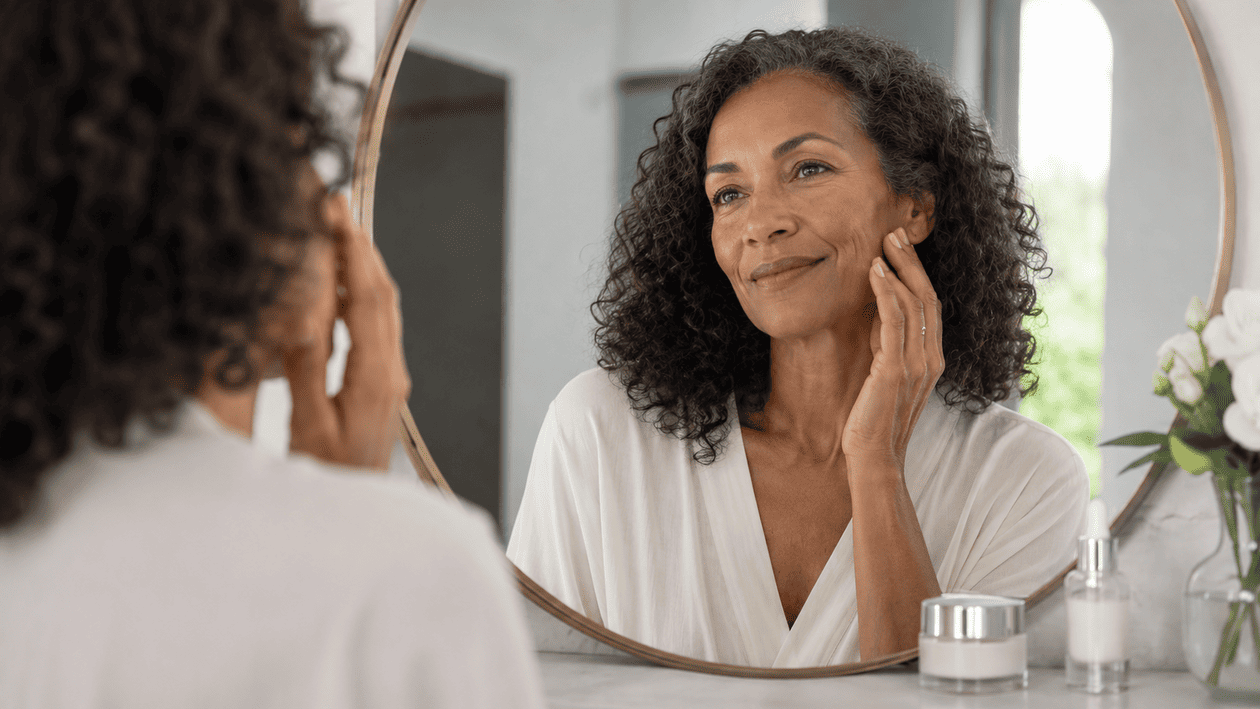
If you’ve spent more than five minutes on skincare TikTok, Instagram, or even wandered through the beauty aisle lately, you’ve probably heard the phrase “collagen banking.” It sounds wonderfully responsible, almost like opening a retirement account for your face.
The idea is certainly appealing. Build up your collagen now, and you’ll have plenty in reserve later. Unfortunately, our skin doesn’t come with a collagen savings account, and biology doesn’t work quite that way. That doesn’t mean the entire concept is nonsense, though.
The truth lies somewhere between the marketing hype and the cynical eye-rolls. While you can’t literally “store” collagen for future use, you absolutely can support your skin’s ability to produce and preserve collagen throughout your life, including after 50.
If you’re wondering whether collagen banking is worth your attention, let’s separate the science from the social media buzz.
First, What Is Collagen?
Collagen is the most abundant protein in the human body. It’s the structural framework that gives skin firmness, elasticity, and strength. It’s also found in bones, tendons, ligaments, and connective tissue.
As we age, collagen production naturally slows. Existing collagen also breaks down more quickly, especially with repeated sun exposure, smoking, pollution, and chronic inflammation. That’s why skin gradually becomes thinner, less firm, and more prone to wrinkles.
For women, menopause adds another layer to the story. Declining estrogen accelerates collagen loss, which is one reason skin often seems to change so quickly during the years surrounding menopause.
So…Can You Actually “Bank” Collagen?
Not exactly. Despite the catchy name, there is no scientific evidence that your skin stores extra collagen the way you might save money in a bank account.
Instead, the phrase “collagen banking” is really shorthand for protecting the collagen you already have while consistently encouraging your skin to make more. Dermatologists generally view the concept this way rather than as a literal biological process.
Think of it less as making deposits into a vault and more like maintaining your house.
You can’t build one beautiful deck and expect it to stay perfect forever without maintenance. But regular upkeep absolutely helps it last longer.
Your skin works much the same way.
Is It Too Late After 50?
Absolutely not. In fact, this is where the conversation often becomes misleading online. Many influencers present collagen banking as something women should have started at 25. That’s lovely advice…for people who currently are 25.
The reality is that collagen production continues throughout adulthood. While it slows with age, your skin still responds to proven collagen-stimulating ingredients and treatments. You simply need realistic expectations.
No cream will erase twenty years of sun exposure, but several strategies have solid evidence for improving skin quality over time.
The Number One Way to Protect Collagen
If you do only one thing, make it sunscreen. Ultraviolet radiation is one of the biggest causes of collagen breakdown, a process known as photoaging. Daily broad-spectrum SPF protects the collagen you still have while reducing additional damage.
This is one of those rare skincare recommendations that dermatologists almost universally agree on.
Some excellent daily options include:
- EltaMD UV Clear SPF 46
- La Roche-Posay Anthelios Melt-in Milk SPF 60
- Beauty of Joseon Relief Sun SPF 40
- CeraVe Hydrating Mineral Sunscreen
The best sunscreen is ultimately the one you’ll actually wear every single day.
Retinoids Are Still the Gold Standard
If collagen banking had an MVP, it would probably be retinoids.
Prescription tretinoin and over-the-counter retinol products have decades of research supporting their ability to improve fine lines and stimulate collagen production over time.
The key phrase there is over time.
This isn’t an overnight miracle. Most people begin noticing improvements after several months of consistent use. If you’re new to retinoids, start slowly, perhaps two nights per week, and increase gradually as your skin adjusts.
Products worth considering include:
- RoC Retinol Correxion Deep Wrinkle Night Cream
- Medik8 Crystal Retinal
- CeraVe Resurfacing Retinol Serum
If your skin is particularly sensitive after menopause, using a rich moisturizer before or after your retinoid can significantly reduce irritation.
Vitamin C Helps More Than You Think
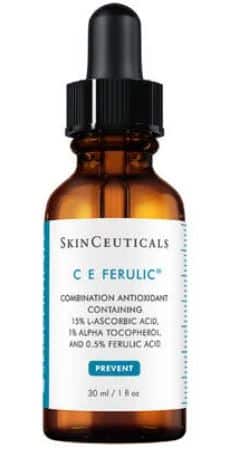
Vitamin C isn’t just another trendy antioxidant. It’s actually required for normal collagen synthesis, making it one of the most evidence-supported ingredients you can add to a morning skincare routine. Combined with sunscreen, it also helps defend skin against environmental damage.
Some excellent Vitamin C serums include:
Store Vitamin C away from heat and sunlight since it becomes unstable once oxidized. If your serum has turned dark brown, it’s probably time to replace it.
What About Peptides?
Peptides are another ingredient frequently mentioned in discussions about collagen banking. They’re small protein fragments that can act as signaling molecules, essentially encouraging skin to perform certain repair functions.
Research on peptides is promising, although not nearly as extensive as the evidence supporting retinoids and sunscreen. Still, they’re generally well tolerated and may be especially helpful for women whose skin no longer tolerates stronger ingredients.
Products containing peptides include:
- The Ordinary Multi-Peptide + Copper Peptides
- Olay Regenerist Micro-Sculpting Cream
- Revision Skincare Revox Line Relaxer
Do Collagen Supplements Actually Work?
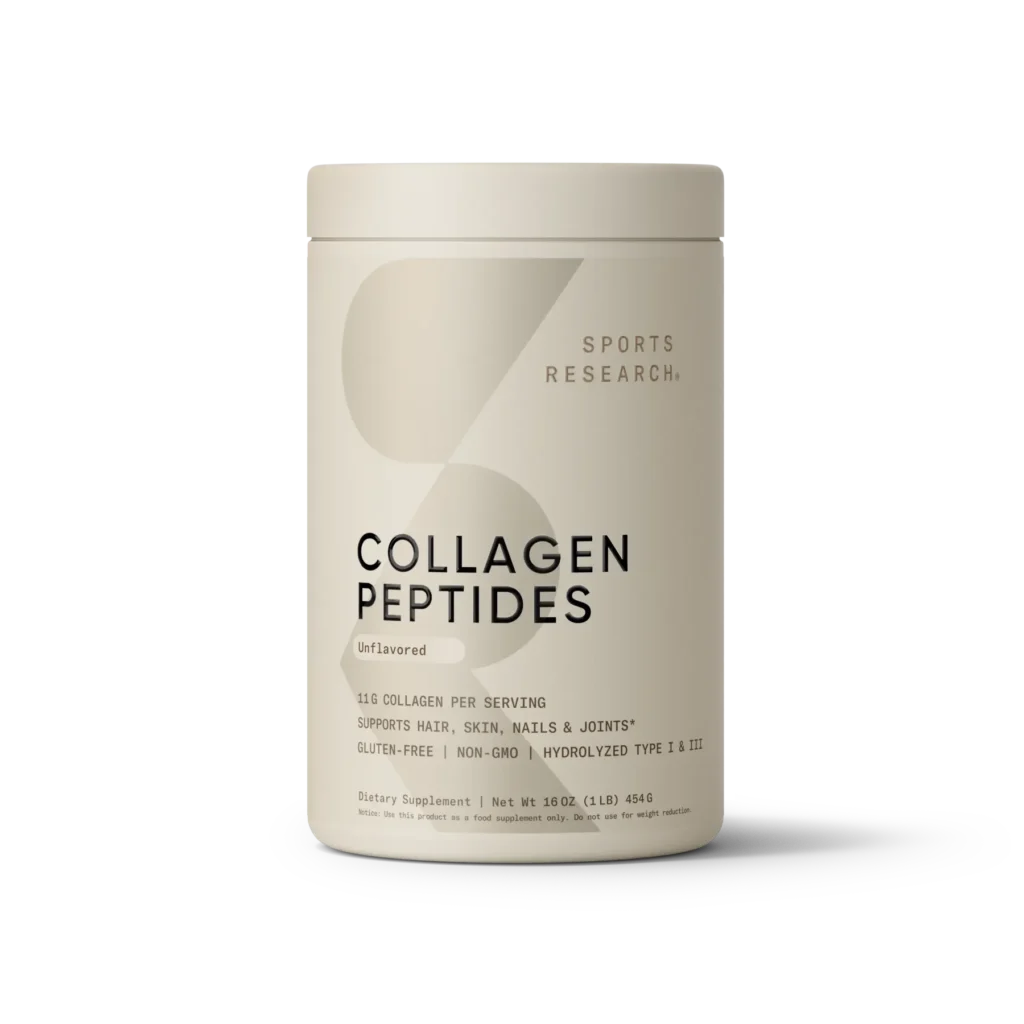
Some studies suggest collagen supplements improve hydration, elasticity, and wrinkles. However, a large 2025 meta-analysis found that when researchers looked specifically at higher-quality and independently funded studies, those apparent benefits largely disappeared. The authors concluded there is currently insufficient high-quality evidence to recommend collagen supplements specifically for skin aging.
That doesn’t necessarily mean collagen powders are useless. Some people genuinely feel they notice improvements in joints, nails, or overall skin appearance. It simply means the evidence isn’t as clear-cut as the advertisements might suggest.
If you enjoy taking collagen and it fits your budget, that’s your choice. Just don’t expect it to outperform sunscreen, retinoids, or healthy lifestyle habits. I personally add collagen powder to my coffee each morning.
Professional Treatments Can Stimulate Collagen
For women interested in office procedures, several treatments have much stronger evidence for stimulating new collagen production than expensive creams alone.
These include:
- Microneedling
- Fractional laser treatments
- Radiofrequency microneedling
- Certain ultrasound-based procedures
- Biostimulatory injectables such as Sculptra
Recently, regenerative treatments that encourage your own collagen production rather than simply filling wrinkles have become increasingly popular in aesthetic medicine.
These treatments aren’t inexpensive, but when performed by qualified professionals, they generally have more scientific support than many viral skincare gadgets.
Don’t Forget Lifestyle
Sometimes the most effective collagen-supporting habits aren’t sold in beautiful glass bottles.
Your skin also benefits from:
- eating enough protein
- colorful fruits and vegetables rich in antioxidants
- regular exercise
- quality sleep
- not smoking
- managing chronic stress
None of these habits is particularly glamorous. None of them will become a viral TikTok trend. Yet collectively, they probably matter more than chasing every new beauty buzzword.
The Bottom Line
Collagen banking isn’t really about storing collagen for the future. It’s about consistently protecting the collagen your skin still has while supporting your body’s natural ability to make more.
After 50, that means focusing on what actually has evidence behind it:
- Daily sunscreen
- Retinoids if your skin tolerates them
- Vitamin C
- A healthy lifestyle
- Professional collagen-stimulating treatments if they’re appropriate for your goals and budget
Everything else falls somewhere between “possibly helpful” and “excellent marketing.” Your skin doesn’t need panic. It doesn’t need twenty-seven expensive serums layered together every night. It certainly doesn’t need you feeling guilty because you didn’t start “collagen banking” when you were 28.
What it does need is consistent, evidence-based care. Fortunately, it’s never too late to start giving it exactly that.
Read Next: