
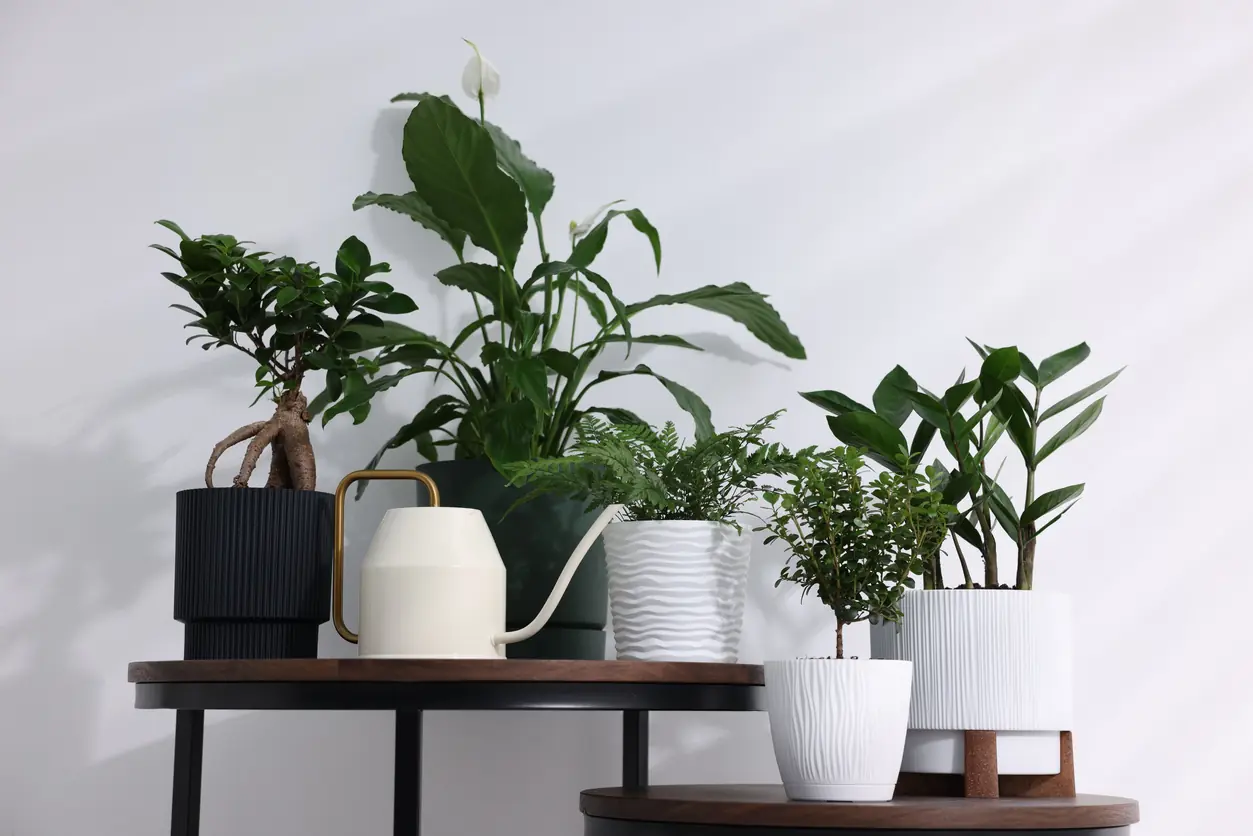
Adding a little greenery to your home can liven up the place without requiring excessive effort. Green is a naturally calming color for the mind. Plus, plants take in Co2 while releasing fresh oxygen. For those of us living in apartments, enduring the winter, or living in a dreary landscape, starting with just a plant or two can help cycle out stale air and instantly refresh your indoor space — but be warned, you may soon become addicted to collecting new plants!
I have had a rubber tree in a semi-big pot for almost 30 years. I trim it when it tries to become a tall tree, give it water when I think of it, some plant food every so often, and it thrives! Rubber plants are one of the very best for Co2 and oxygen exchange. Some other plants that are considered to be good oxygen exchangers and air purifiers for other toxins include:
The Snake Plant (also called mother-in-law’s tongue)
With its tall, sculptural leaves and striking green patterns, the snake plant is an attractive, low-maintenance addition to almost any room. It is often described as an air-purifying plant because laboratory studies have shown that it can absorb small amounts of airborne pollutants, such as formaldehyde and benzene. It tolerates low light, requires infrequent watering and continues releasing oxygen at night, making it an especially popular choice for bedrooms.
Areca Palm and Gerbera Daisy
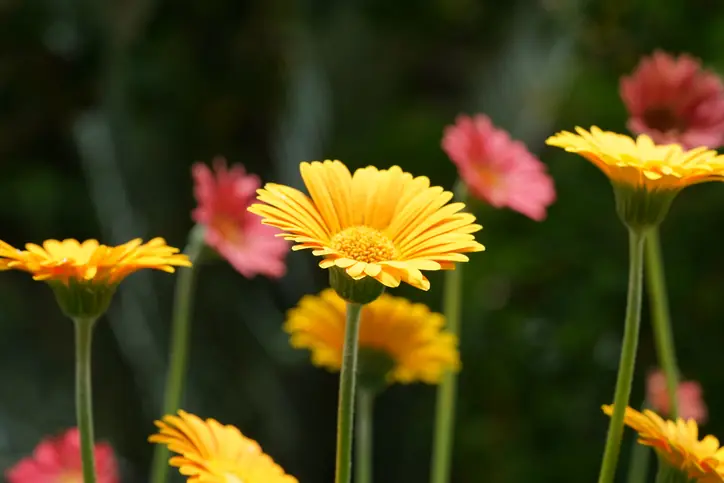
Both can remove benzene and formaldehyde from the air. The areca palm and Gerbera daisy can both add color and natural beauty to an indoor space. With its feathery fronds, the areca palm makes a lush statement and may release moisture into the air through transpiration, although it grows best in bright, indirect light and needs consistent watering. The Gerbera daisy offers cheerful, vividly colored blooms, however, it requires plenty of light and attentive care to thrive indoors.
Weeping Fig
The weeping fig is a graceful indoor tree known for its slender branches and glossy green leaves. Laboratory studies suggest that it can absorb small amounts of airborne pollutants such as formaldehyde, trichloroethylene, and benzene. This plant thrives in bright, indirect light and prefers consistently moist—but not waterlogged—soil. Because it is sensitive to drafts, temperature changes, and being moved, the weeping fig may shed its leaves when stressed. With stable conditions and proper care, however, it can become a striking, long-lasting addition to the home.
Boston Ferns and Asparagus ferns
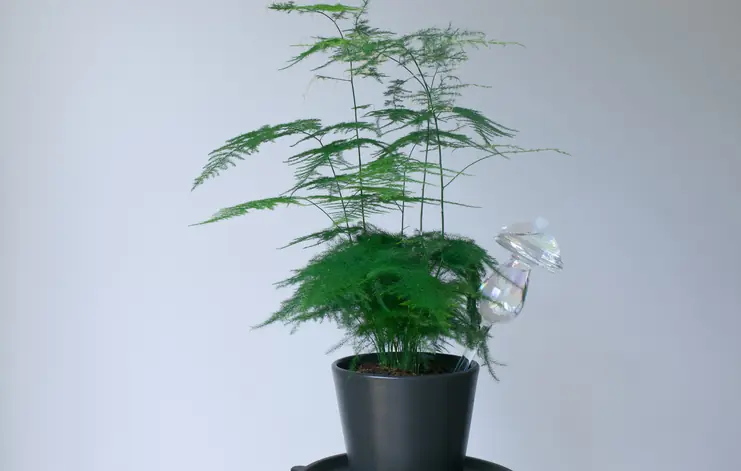
Boston ferns and asparagus ferns bring soft texture and vibrant greenery to indoor spaces, though they are not closely related despite their similar names. The Boston fern has arching, feathery fronds and is often promoted for its ability to absorb small amounts of airborne pollutants. It thrives in bright, indirect light and needs consistently moist soil and high humidity.
The asparagus fern is generally more tolerant of occasional dryness, but it also prefers indirect light and humid conditions. Pet owners should note that asparagus ferns are toxic to cats and dogs.
These are excellent choices for beauty, oxygen exchange and toxin removers. My husband’s asparagus fern is huge! His name is Harry.
Dracaena
Dracaena plants are popular indoor accents known for their slender stems and dramatic, often striped foliage. Laboratory studies suggest that some varieties can absorb small amounts of airborne pollutants, including formaldehyde and benzene. They generally thrive in bright, indirect light but can tolerate lower-light conditions, and they prefer their soil to dry slightly between waterings. Their easygoing nature makes them a practical choice for beginners, but pet owners should be aware that dracaenas are toxic to cats and dogs if eaten.
Aloe Vera
Aloe Vera is a true medicine plant. It’s leaves can be broke off in pieces. Its clear gel is full of amino acids and vitamins, packed with anti-bacterial and anti-inflammatory agents. Aloe sooths burn and skin issues, even psoriasis for some people. It also removes formaldehyde from the air.
Cactus
Cactus houseplants are perfect if you don’t have a green thumb or much time on your hands. Give cactus a drink when you think of it, every month or so, some sun or little sun. Cacti thrive on neglect. I have one in a very small window sill size pot, that makes a new baby every year but hasn’t been moved out of the pot for over 20 years! These plants can be very unassuming, but the flowering types go all out with spectacular flowers. Incredible!
Flowering Plants
Some plants such as the Gerber Daisy and Christmas Cactus present you with flowers. My succulent Christmas cactus flower faithfully each Christmas, one with red flowers, one with white. The Peace Lily is another that removes trichloroethylene from the air and gives you a sweet leave shaped flower with a tongue pistil. Give it and these flowering plants a sunny window, and they will flower for you beautifully.
In return for minimal caretaking effort, houseplants provide ornamental beauty, improve indoor air quality, and raise your spirits. And gardening enthusiasts get to keep their green thumbs in use during the long winter months. Most are easy care for the not so green thumbs. Everyone benefits from living with and incorporating houseplants. Happy Gardening!
Read Next:
12 Tips for a Thriving Home Garden