
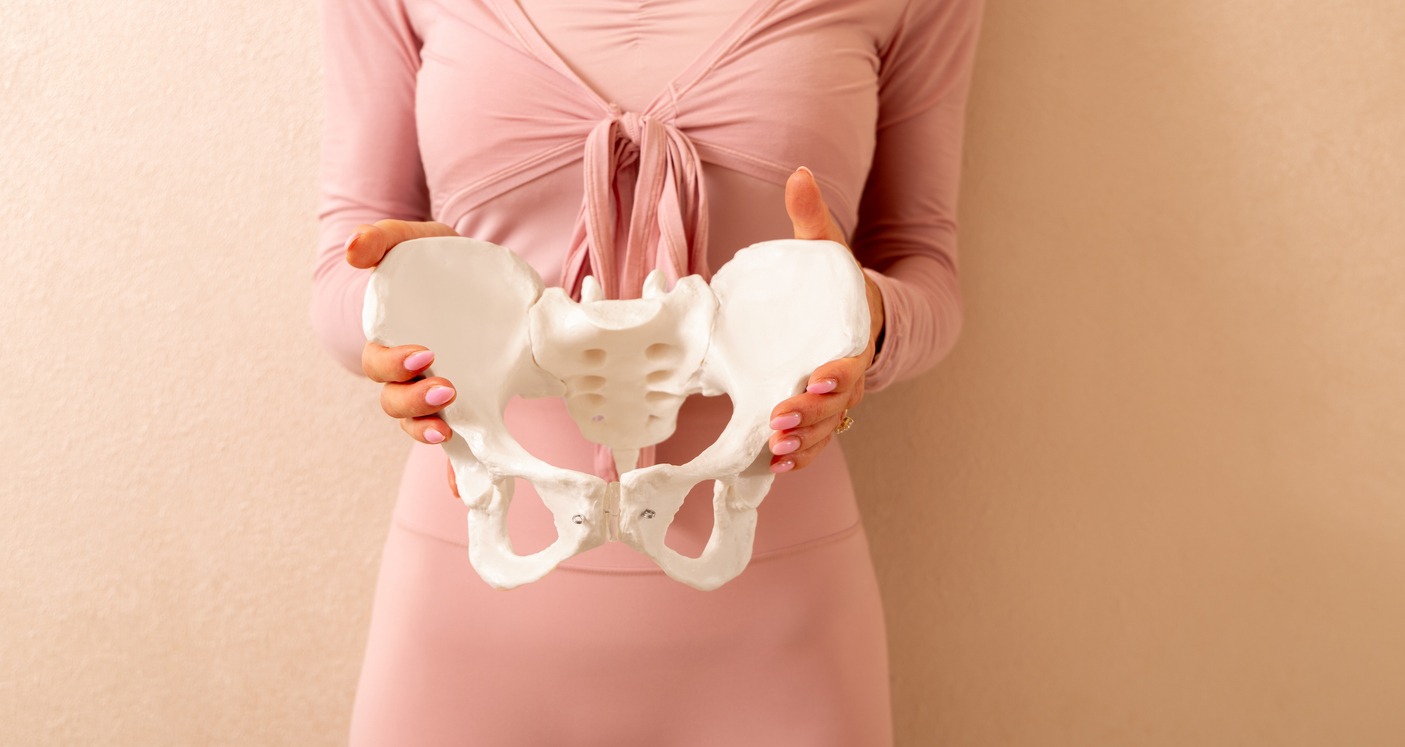
For many women, pelvic floor health is only talked about in reference to pregnancy or kegels. Meanwhile, we are unknowingly taught bad habits from childhood to adulthood that can lead to serious problems: sitting at a desk all day, sucking in our stomachs, straining on the toilet, and going pee “just in case” or holding it too long. You may not have known that all of these things that seem natural may be causing tightness and sharp pains throughout your pelvic region and lower abdomen. You may also feel like you’re not quite in control of your muscles while you relieve yourself and feel pain during our after intercourse.
One out of three women will experience some sort of pelvic floor dysfunction in their life, whether it’s after pregnancy, from aging, or even at a young age. The pelvic floor is an important system of muscles and tissues that support your bladder, bowels, and sexual health. These are all essential functions, yet the pelvic floor is often overlooked or misunderstood. Kegels are not the only exercise out there, and in fact, they can be harmful to many women!
That’s because there are actually two different kinds of pelvic floor dysfunction that stem from different underlying issues. Some exercises are good for one type while being bad for the other type. Let’s dive into the differences, so you can learn which types of stretches, exercises, or pelvic floor therapies can help you alleviate pain and regain control over your sexual health, bladder, and bowels.
Hypotonic vs. Hypertonic Pelvic Floor Dysfunction
The two types of pelvic floor dysfunction are hypotonic and hypertonic.
Hypotonic means that your pelvic floor muscles are too weak (low tone). They lack the strength or endurance to close tightly and support the pelvic organs. This can cause stress incontinence: leaking urine when you cough, sneeze, jump etc. Over time, a weak and unsupportive pelvic floor can also lead to pelvic organ prolapse (such as vaginal or anal prolapse).
Oftentimes, hypotonic pelvic floor is a result of childbirth, aging, or lack of exercise. The key is to strengthen your pelvic floor through exercises, one of them being kegels.
Hypertonic means that your pelvic floor muscles are too tight and tense (high tone). Just like a muscle cramp, these tight muscles may spasm painfully because they are stuck in a contracted state. They cannot stretch or relax, making it hard to start urinating or fully empty your bladder. It can also cause constipation and painful spasming during or after intercourse. A tight pelvic floor can lead to a different type of incontinence called urge incontinence, when the bladder suddenly and over-actively contracts.
Women often get hypertonic pelvic floor from stress, anxiety, over-exercising, and from chronic hip and back tension. The best way to alleviate a hypertonic pelvic floor is through relaxation techniques, stretching, and physical therapy. Kegels will only cause your muscles to tighten and spasm.
Protect Your Pelvic Floor: Things to Avoid
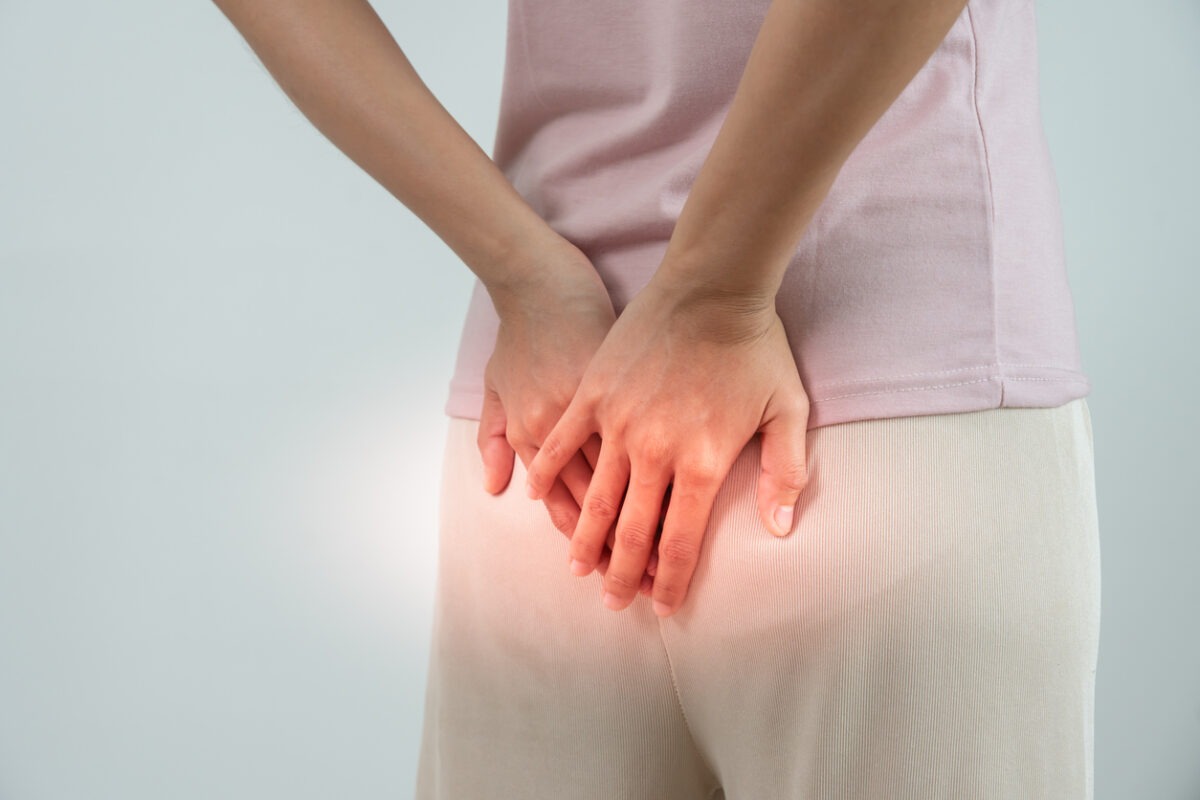
If you are struggling with pelvic floor dysfunction, avoid rough sex, straining on the toilet, straining (holding your breath) during exercise, and sitting for long periods of time. Bad posture can be a big contributor to pelvic floor problems. Make sure you are getting ample time in the day on your feet. Always stretch before exercise, and don’t overdo it.
If you have a tight pelvic floor, avoid wearing tight pants or clothes that encourage you to suck in. Sucking in your abdomen can create more tension in the pelvic floor. Prioritize your comfort and clothes that make you feel good.
Exercises for Hypotonic Pelvic Floor Dysfunction
First off, consult with your doctor if you think you have hypotonic pelvic floor dysfunction. They can help you assess, get a proper diagnosis, and identify some good exercises and techniques to use at home. Here are some standard exercises recommended for a weak pelvic floor.
Standard Kegels: Squeeze your pelvic floor muscles as if stopping urine mid-stream, hold for 3 to 5 seconds, then relax completely for 5 seconds. Repeat 10 times.
Quick Flicks: Sit up straight, then rapidly tighten and release your pelvic floor muscles on and off like a light switch for 10 to 15 repetitions.
Heel Slides: Lie on your back with knees bent, engage your pelvic floor and lower core, and slowly slide one heel out and back while maintaining the contraction.
Remember to breathe normally during every movement. Never hold your breath. Avoid squeezing your stomach, thigh, or buttock muscles. Try to keep it focused on the pelvic floor.
Here is a simple video to help strengthen the pelvic floor and reduce the risk of prolapse:
Relaxation Tips for Hypertonic Pelvic Floor Dysfunction
Talk to your doctor if you think you have a tight pelvic floor. In many ways, it can be difficult to “just relax.” You might not be able to tell on your own when your pelvic floor is tense or relaxed, but a doctor has tools that can help show you. Biofeedback therapy is a technique where doctors use a sensor to detect when your muscles are too tight and when they relax. This way, you can practice relaxing and truly get a feel for the natural state your pelvic floor should be in. A pelvic floor physical therapist may also be able to help in other ways, such as myo-fascial release and vaginal dilators.
Diaphragmatic breathing is another important relaxation technique that you should try to practice throughout the day. That’s a fancy term for breathing into your belly. Place one hand on your belly and one hand on your chest. When you breath, try to breath into your belly and not allow your chest to rise. If any of you were in band as a kid, you know what I’m talking about!
At home, you can try meditation, stretching, or a hot bath to relieve the tension in your body. When stretching, try to target muscles adjacent to your pelvic floor, like your back and lower body, hamstrings, quads, etc.
Here are some simple stretches you can do while also diaphragmatic breathing:
- Deep Squat (Malasana): Lower your hips into a wide squat, rest your elbows inside your knees, and focus on slow belly breaths to passively release the pelvic floor.
- Happy Baby Pose: Lie on your back, grab the outside of your feet, open your knees wider than your torso, and breathe deeply into your hips and pelvis.
- Child’s Pose: Kneel with your knees wide and big toes touching, then sit your hips back toward your heels while walking your hands forward and relaxing your chest to the floor.
- Figure Four Stretch: Lie on your back, cross one ankle over the opposite knee, and gently pull your thigh toward you to release deep hip and glute tension.
Here are a few video tutorials for stretches and massage techniques: