

Remember when nobody talked about menopause, and we all just suffered in silence with our night sweats and mood swings? Well, we’re not doing that anymore with bacterial vaginosis, either. It’s time to have a frank conversation about BV, because ignoring your vaginal health is so last century.
Here’s the thing: bacterial vaginosis is incredibly common, especially for women over 50. In fact, it’s the most frequent vaginal infection in women of reproductive age and beyond. Yet somehow, it still gets relegated to whispered conversations and embarrassed doctor’s visits. Let’s change that right now.
What Exactly Is BV? (And Why Should You Care?)
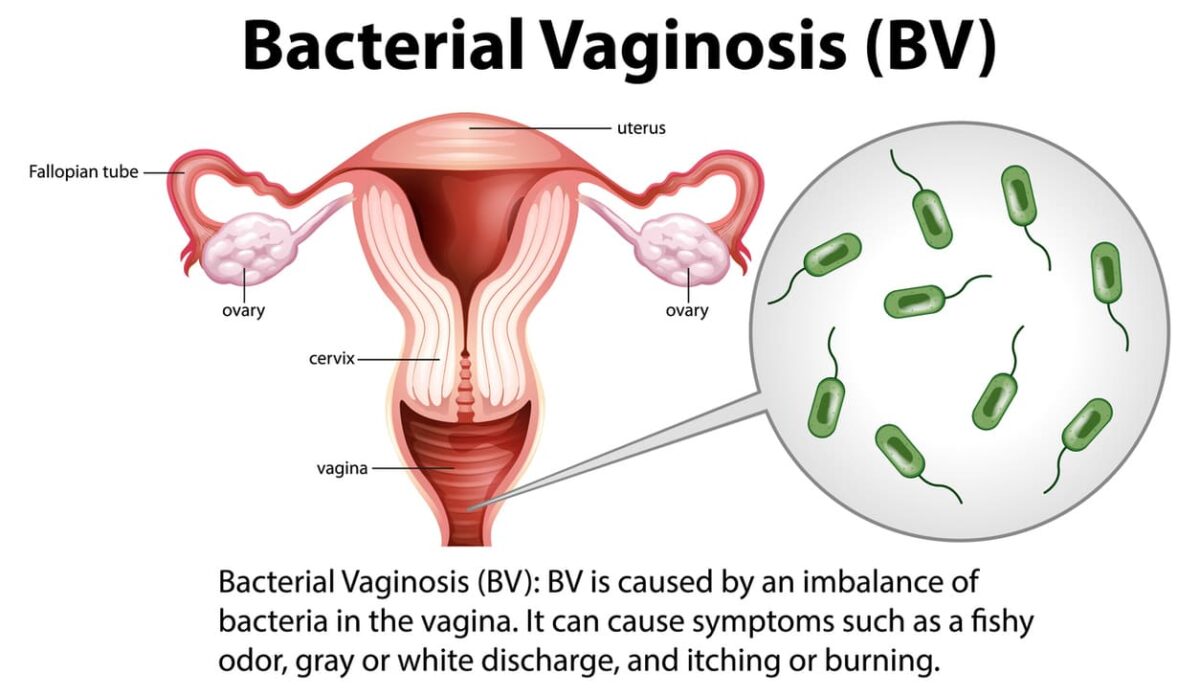
Think of your vagina as a carefully balanced ecosystem, kind of like a terrarium, but way more complex and infinitely more important. Under normal circumstances, beneficial bacteria called lactobacilli run the show, keeping everything in harmony. They’re like the neighborhood watch of your vaginal health, maintaining just the right pH balance and keeping troublemakers in check.
But when that balance gets disrupted—whether from hormonal changes, antibiotics, new sexual partners, or sometimes for no apparent reason at all—the bad bacteria throw a party and take over. That’s bacterial vaginosis in a nutshell: too many party crashers, not enough security.
For women over 50, this balance becomes even trickier to maintain. Menopause brings declining estrogen levels, which means less glycogen (the food that good bacteria need to thrive), which means a higher pH, which means… you guessed it, a higher risk of BV. It’s like a domino effect, but one that affects your most intimate health.
The Telltale Signs: When Your Body’s Trying to Tell You Something

The Infamous Discharge
Let’s address the elephant in the room: that grayish-white discharge with a fishy odor. Yes, it’s unpleasant to discuss. Yes, it’s even more unpleasant to experience. But knowledge is power, ladies. This discharge is often thin and watery (unlike the cottage cheese texture of a yeast infection), and the odor typically becomes more noticeable after sex or during your period. If you’re post-menopausal and no longer menstruating, you might notice the smell intensifies after sexual activity or even following a workout.
The Sneaky Symptoms (Or Lack Thereof)
Here’s where BV gets tricky: unlike a yeast infection that announces itself with relentless itching, BV can be surprisingly subtle. You might experience mild irritation or discomfort, but many women have no symptoms at all. Some only discover they have BV during a routine pelvic exam. This is precisely why those annual check-ups aren’t optional, they’re essential.
That Burning Feeling
If you notice burning during urination, your first thought might be a UTI. But BV can cause similar discomfort. The key difference? UTIs typically come with urgency and frequency, while BV usually doesn’t. Either way, don’t play doctor with yourself, get it checked out.
Getting Diagnosed: No, Google Isn’t a Substitute for Your Gynecologist

We’ve all been there, Googling symptoms at 2 AM, convincing ourselves we have everything from a minor infection to something catastrophic. But when it comes to BV, you need an actual diagnosis from an actual healthcare provider. Here’s what to expect:
Your doctor will perform a pelvic exam (yes, that one) and may conduct several quick tests. The pH test uses a little strip that changes color and if your vaginal pH is above 4.5, that’s a red flag for BV. They might also do a “whiff test,” which sounds like something from a wine tasting but is actually adding a potassium hydroxide solution to your discharge sample to see if it produces that characteristic fishy odor. Charming, right?
A microscopic examination can reveal “clue cells”, vaginal cells covered with bacteria that look exactly like their name suggests: clues. Your doctor is basically playing detective, but instead of solving a murder mystery, they’re solving the mystery of your vaginal discomfort.
Treatment: Getting Your Vaginal Ecosystem Back on Track
The Antibiotic Route
The good news? BV is highly treatable with antibiotics. Metronidazole (which comes in both pill and gel form) and clindamycin are the usual suspects. The bad news? BV has a frustrating tendency to come back—about 50% of women experience recurrence within a year. Think of it less as a one-and-done situation and more as an ongoing relationship with your vaginal health.
A word of caution: if you’re prescribed metronidazole, avoid alcohol like it’s your ex at a party. The combination can cause severe nausea, vomiting, and cramping. Not exactly the happy hour you had in mind.
The Probiotic Advantage
Probiotics aren’t just trendy wellness products, they can actually help maintain healthy vaginal flora. Look for supplements containing Lactobacillus rhamnosus and Lactobacillus reuteri, which have shown promise in preventing BV recurrence. Some women swear by eating yogurt with live cultures daily, though you’ll need more than your standard grocery store variety to make a real difference.
There are also vaginal probiotic suppositories specifically designed to deliver good bacteria right where you need them. It might sound unconventional, but so is putting cucumbers on your eyes, and we all do that without question.
Lifestyle Adjustments That Actually Matter
Here’s where we separate fact from fiction. Despite what your grandmother might have told you, your vagina is self-cleaning. It doesn’t need special soaps, douches, or “feminine freshness” products. In fact, these products often do more harm than good, disrupting your natural pH and killing off beneficial bacteria.
Stick to gentle, unscented soap on the external area only. Think of your vagina as a self-cleaning oven, interfere at your own risk. And those lacy synthetic underwear? Save them for special occasions. Cotton breathable underwear is your vagina’s best friend, especially during this phase of life.
Prevention: Because an Ounce of Prevention Really Is Worth a Pound of Antibiotics
Rethink Your Sexual Health Practices
Yes, even at 50, 60, 70, and beyond, safe sex matters. Condoms don’t just prevent STIs—they can also help maintain your vaginal pH balance by preventing exposure to semen, which is alkaline and can temporarily disrupt your vaginal environment. Plus, a new sexual partner introduces new bacteria, which can trigger BV even if neither of you has an infection.
Ditch the Douche
We cannot stress this enough: douching is not your friend. It’s the equivalent of using a fire hose to water delicate orchids. Your vagina maintains its own pH balance beautifully when left alone. Douching strips away good bacteria, increases pH, and creates the perfect environment for BV to thrive.
Support Your Immune System
Your vaginal health doesn’t exist in isolation, it’s connected to your overall health. Staying hydrated, eating a balanced diet rich in whole foods, managing stress, getting adequate sleep, and maintaining a healthy weight all contribute to a robust immune system that can better maintain vaginal balance.
Monitor Hormonal Changes
If you’re experiencing vaginal dryness along with recurrent BV, talk to your doctor about vaginal estrogen therapy. Low-dose vaginal estrogen can help restore the vaginal lining and support the growth of beneficial lactobacilli, potentially reducing BV recurrence. It’s localized treatment with minimal systemic absorption—a targeted approach that can make a significant difference.
When BV Keeps Coming Back: Dealing with Recurrence
If you’re one of the unlucky women dealing with recurrent BV (defined as three or more episodes in a year), don’t despair. You’re not broken, and you’re not doing anything wrong. Recurrent BV is frustratingly common and can be influenced by factors beyond your control, including genetics, hormonal fluctuations, and your vaginal microbiome’s unique composition.
Your doctor might recommend longer-term antibiotic treatments, maintenance therapy with probiotics, or even preventive doses of antibiotics. Some women benefit from boric acid suppositories (used only under medical supervision), which help restore vaginal pH. Others find success with lifestyle modifications or addressing underlying health conditions like diabetes that can affect vaginal health.
The key is persistence and partnership with your healthcare provider. Don’t suffer in silence, and don’t accept “it’s just something you have to live with” as an answer.
The Bottom Line: Your Vaginal Health Matters at Every Age
You’ve spent decades taking care of everyone else, your kids, your partner, your aging parents, your career. It’s time to prioritize yourself, and that includes the parts of your health that don’t make for polite dinner conversation.
Bacterial vaginosis isn’t glamorous, it isn’t fun to talk about, and it definitely isn’t something anyone wants to deal with. But it’s also incredibly common, highly treatable, and nothing to be embarrassed about. Your vagina has been with you through periods, pregnancies, menopause, and everything in between. It deserves your attention and care.
So make that appointment. Ask those questions. Advocate for yourself. And remember: any doctor who makes you feel uncomfortable discussing your vaginal health isn’t the right doctor for you. You deserve healthcare providers who treat you with respect, listen to your concerns, and recognize that your health, all of it, including the parts that make people squeamish, matters.
Because here’s the truth: women over 50 are vibrant, active, and living their best lives. And optimal vaginal health is an important part of that equation. Don’t let something as treatable as BV hold you back from anything—whether that’s comfort in your daily life, confidence in intimate moments, or simply the peace of mind that comes from taking control of your health.
You’ve got this. And your vagina? She’s got you, too…..she just might need a little help getting her balance back sometimes. And that’s perfectly okay.