
We’ve all heard that we should aim for 10,000 steps a day. But is this popular fitness goal a recent trend, or has it been around longer than we think? The answer is the latter. The 10,000-step concept dates back to Japan in the 1960s, when a pedometer called the manpo-kei, which translates to “10,000-step meter,” helped popularize the goal. Although 10,000 steps wasn’t established as a universal medical requirement, it became a memorable target for encouraging people to move more.
And moving more is certainly a good thing, especially as we get older.
Of course, 10,000 steps a day isn’t realistic for everyone. Health conditions, joint pain, mobility limitations, and current fitness levels can all affect how much walking is appropriate. If you’re starting from a relatively sedentary lifestyle, gradually increasing your daily steps is a much better approach than trying to hit 10,000 on day one.
Still, walking is one of the simplest ways to incorporate more physical activity into your routine. For women over 50, regular walking can support heart health, help manage blood pressure and blood sugar, improve mood, maintain mobility, and contribute to weight management. It can also help counter some of the changes in body composition that often accompany menopause and aging.
The good news? You don’t have to spend an hour on a treadmill or take a five-mile walk every day to get moving. A little creativity can help you accumulate steps throughout the day without feeling as though exercise has taken over your schedule.
1. Switch Up Your Friend Dates
The next time you’re meeting a friend, suggest a walk in a nearby park instead of sitting at a coffee shop or restaurant. If the weather isn’t cooperating, head to an indoor mall where you can stroll, chat, and window-shop.
You don’t have to power-walk or keep a brisk pace the entire time. The goal is to get moving while enjoying the company of someone you love. Walking dates can also be a refreshing alternative to calorie-heavy coffee drinks, cocktails, and restaurant outings.
2. Take Walking Meetings
If your workday includes phone calls, brainstorming sessions, or one-on-one conversations, consider turning some of them into walking meetings. Walking can break up long periods of sitting and provide a change of scenery that helps you feel refreshed.
This idea works at home, too. Need to discuss weekend plans with your partner or talk through a problem with a family member? Suggest a short walk together. Just make sure the route is safe and that you can hear one another comfortably.
3. Skip Some Online Orders and Venture Out

Online shopping is convenient, but it also eliminates opportunities to walk through stores, browse aisles, and run errands on foot. When practical, make an outing of picking up groceries, household supplies, or a few items from your local pharmacy.
You don’t have to abandon online shopping altogether. Simply choosing a few errands each week that get you out of the house can add meaningful movement to your routine.
4. Explore Your Neighborhood
You might be surprised by how much of your own neighborhood you’ve never explored. Make a plan to walk a different route each day, discover a nearby park, or visit a street you’ve always wondered about.
If possible, schedule your walk in the morning, when it’s easier to complete it before the day gets busy. You might aim to get a quarter or half of your daily steps in early, then accumulate the rest through ordinary activities.
Walking with a friend or neighbor can make the routine more enjoyable and help you stay accountable.
5. Track Your Progress
A pedometer, fitness tracker, or smartwatch can help you see how much you’re actually moving throughout the day. You may discover that you’re already getting more steps than you thought, or that long stretches of sitting are keeping your total lower than you’d like.
Devices such as the Apple Watch and Fitbit can track steps, remind you to move, and monitor other activity measures. A smartphone’s built-in health app may be all you need, too.
The important thing isn’t which device you use. It’s finding a simple way to track your progress and celebrate improvements. If you’re currently averaging 3,000 steps a day, for example, increasing that number gradually is a worthwhile achievement.
6. Walk While You Talk on the Phone
Have a friend or relative you love catching up with? Instead of sitting on the couch during your next phone conversation, put on comfortable walking shoes and head outside.
A 15-20 minute conversation can become a mini walking workout without requiring additional time in your schedule. If you make several calls throughout the week, those steps can add up quickly.
For safety, keep your phone conversations hands-free when possible, stay aware of your surroundings, and avoid walking while distracted in traffic or on uneven ground.
7. Make Household Chores Count
You may not think of cleaning as exercise, but many household activities keep you on your feet. Vacuuming, tidying rooms, putting away laundry, watering plants, and making multiple trips to put things away can all contribute to your daily movement.
Try setting a timer for 10 minutes and moving continuously while you tackle a chore. You can also take an extra lap through your home between tasks instead of sitting down immediately.
Housework won’t necessarily replace a dedicated walk or strength-training session, but it can help you avoid long stretches of inactivity and increase your daily step count.
8. Take a Short Walk After Meals
One of the easiest habits to establish is taking a brief walk after breakfast, lunch, or dinner. Even 10 minutes can add steps to your day, and walking after meals may help support healthy blood sugar management.
If you take three 10-minute walks throughout the day, you’ve added 30 minutes of walking without having to carve out a single large block of time.
9. Turn TV Time Into Moving Time
Love your favorite television shows? There’s no reason you can’t enjoy them while getting in a few extra steps. Walk in place during commercials, or stroll on a treadmill while watching tv if you have one. You could also swap out a tv show for a new podcast or audiobook instead, which you can listen to while taking a walk.
10. Plan Active Outings and Weekend Adventures
Sometimes the best way to get more steps is to make walking part of something you already enjoy. Visit a botanical garden, explore a museum, stroll through a farmers market, or take a scenic walk at a local park.
When traveling, explore a destination on foot when it’s safe and practical. Choose a parking spot that allows you to walk a little farther, take the stairs when appropriate, or suggest a walking tour instead of spending the entire outing seated.
How Many Steps Do You Really Need?
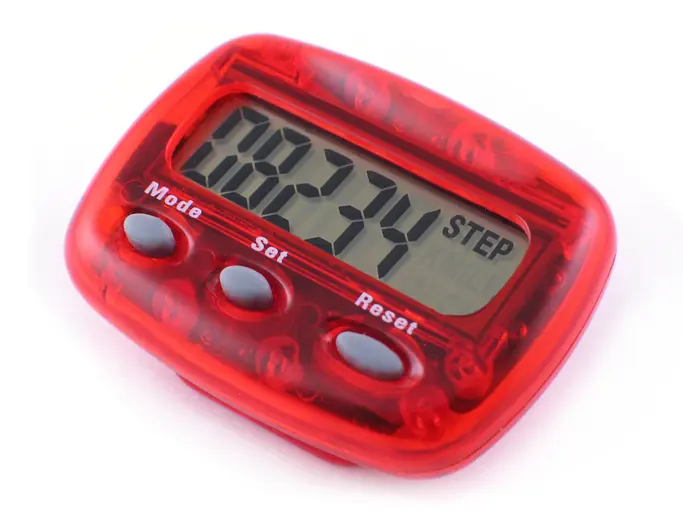
Before you embark on a 10,000-step goal, remember that this number is a target, not a magic threshold. Research suggests that health benefits can begin at considerably fewer steps, particularly for people who are moving up from a low activity level. Your ideal goal depends on your health, mobility, and starting point.
As a rough estimate, 2,000 to 2,500 steps may equal a mile, depending on your stride length. At a comfortable pace, walking a mile often takes around 15 to 25 minutes. For many people, 10,000 steps represents roughly four to five miles of total daily movement, although individual results vary.
If you’re not currently active, start by tracking your usual steps for several days. Then add a manageable amount — perhaps 500 to 1,000 extra steps a day — and increase gradually as your body adjusts. You can divide your walks into shorter sessions rather than completing them all at once.
Also remember that walking is only one part of a healthy fitness routine. Women over 50 can benefit from incorporating strength training and balance exercises, too, to help maintain muscle, bone health, and stability as they age.
Finally, don’t underestimate the power of a good walking soundtrack. Your favorite music or an engaging podcast can make a walk feel shorter and more enjoyable. Choose comfortable shoes, drink water as needed, and pay attention to how your body feels.
Read More:
7 Best Blood Pressure Monitoring Watches To Try
The 5 Best Smartwatches For Women’s Health
13 Best Walking Shoes for Prime Women