
Going to a restaurant used to be an infrequent event to celebrate a special occasion. As a result, we often allowed ourselves to splurge on foods we wouldn’t otherwise enjoy – bread, chips, an appetizer, an oversized entrée, a drink or two, and even dessert. Today, Americans eat out on average 5 times per month and spend increasing amounts of money in restaurants and cafes. Meals outside the home are no longer an exception, and it seems harder than ever to participate in healthy dining out.
Unfortunately, most of us haven’t changed our mindset and continue to treat these everyday occurrences as ‘special occasions,’ indulging in more than we would typically eat if we were making our own breakfast, lunch, or dinner. Consequently, we’re eating significantly more calories than we need and over-consuming foods that are often high in fat, calories, sugar, and sodium – a disaster for women in their prime whose metabolism is slowing and whose risk of chronic disease and need for nutrients are increasing.
10 Tips to Help You Practice Healthy Dining Out

I understand that life is busy, and dining out is convenient, fun, and often necessary. But to lose weight, maintain your weight, or simply eat more healthfully, you need to order carefully when you step into a restaurant. Here are my 10 tips for enjoying healthy dining out and keeping that waistline in check.
1. Order as if you were making your own meal, and remember that going out is not a special occasion.
Would you eat bread, an appetizer, and a caloric dessert at home? Put a heap of cheese, full-fat dressing, and croutons on your salad? Have an alcoholic drink or two? Fill your plate with pasta and cream sauce, or an oversized steak and potato? Remember, a dinner reservation is not a license to overindulge.
When you go out to eat, make the same healthy decisions you’d make at home and try not to let the excitement of a new dish make you overeat. If you typically don’t have bread on the table before meals or a loaded salad, then skip it at the restaurant as well. Keep the same habits you’d have at home at the restaurant, and you’ll thank yourself later.
Read: Lose Weight With 6 Small Meals A Day
2. Plan ahead.
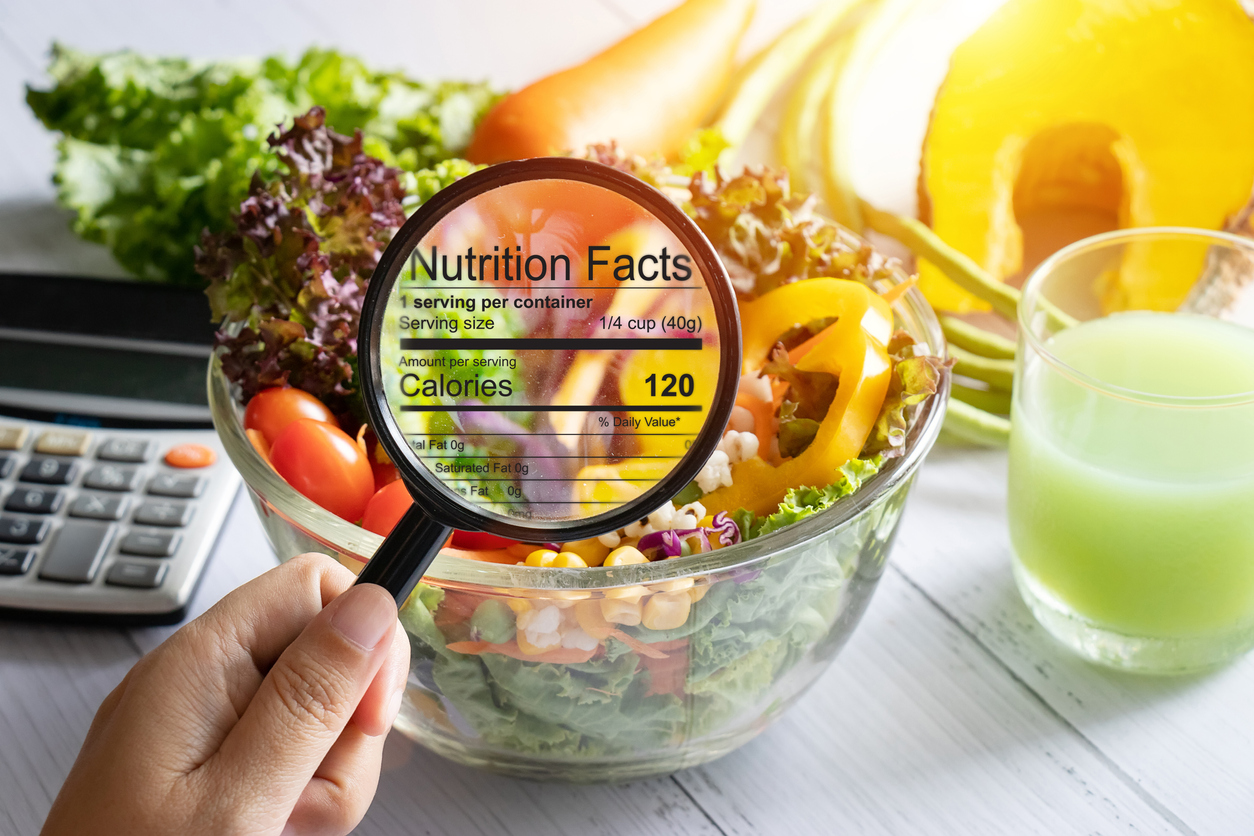
Many restaurants have nutritional information online. Use their websites to make better choices for a healthy dining-out experience. Doing so will save hundreds of calories and avoid excessive amounts of salt, unhealthy fats, and carbohydrates. For example, most deli/cafe sandwiches and wraps contain 600-800 calories. A chicken Caesar salad often contains 800 calories. Vegetarian dishes at Asian restaurants can be the most caloric on the menu, and soups often contain an entire day’s worth of sodium.
If you arrive at the restaurant with a plan of action already prepared, you won’t fret over what to order and fall victim to the most indulgent item on the menu. Plus, when you get caught up with what everyone else is ordering, it’s hard to stick to your guns and get the healthy option. Make a decision before you even leave the house and stick to it.
Read: 25 Healthier Fast‑Food Meals
3. Choose salad as your appetizer and forgo bread and dessert.
Bread and dessert are empty calories made from refined carbs that will negatively impact your health and weight. This is true no matter where you get the meal or what time of day you eat it, and it’s why so many diet plans are built around the concept of eating fewer empty carbohydrates and starches.
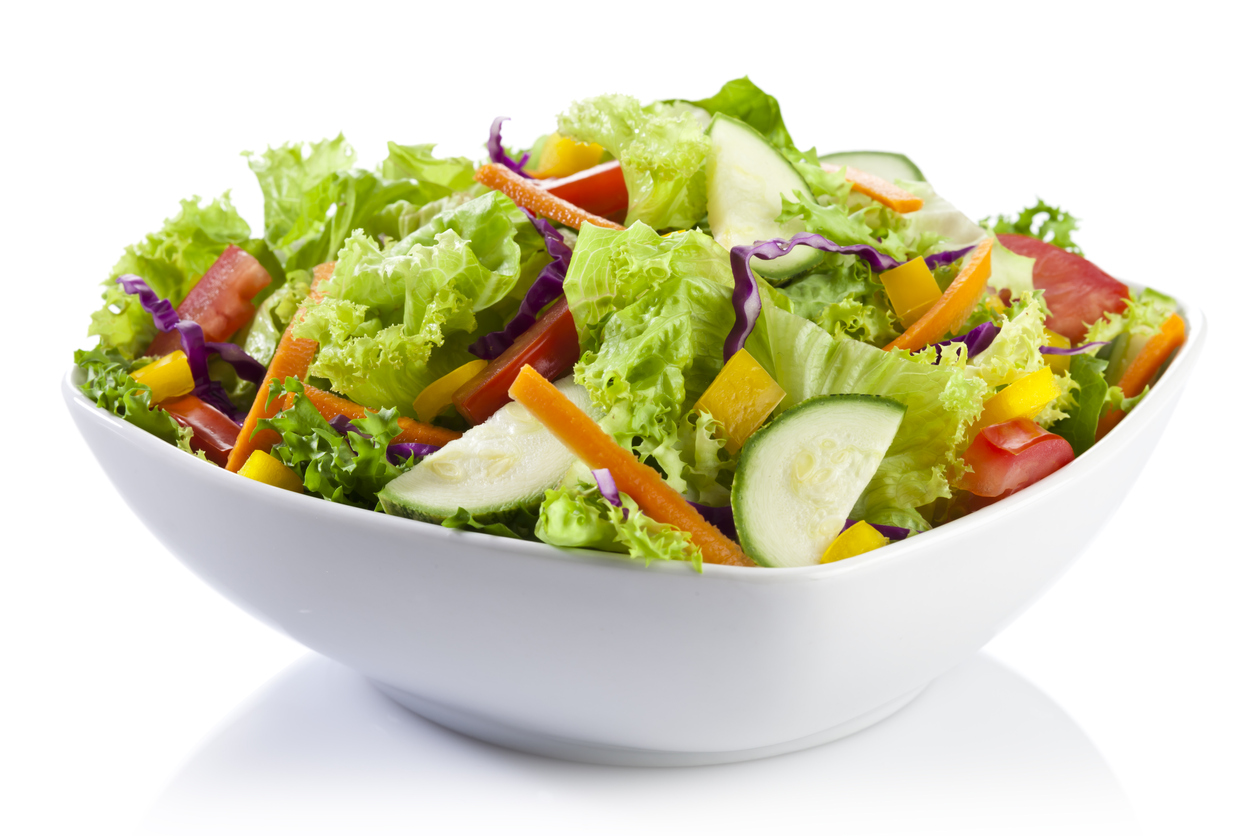
Instead, opt for a salad full of nutrient-dense and fiber-rich vegetables. Avoid the cheese, croutons, sugared nuts, and dried fruit, and pile on the veggies.
4. Keep protein simple and lean.
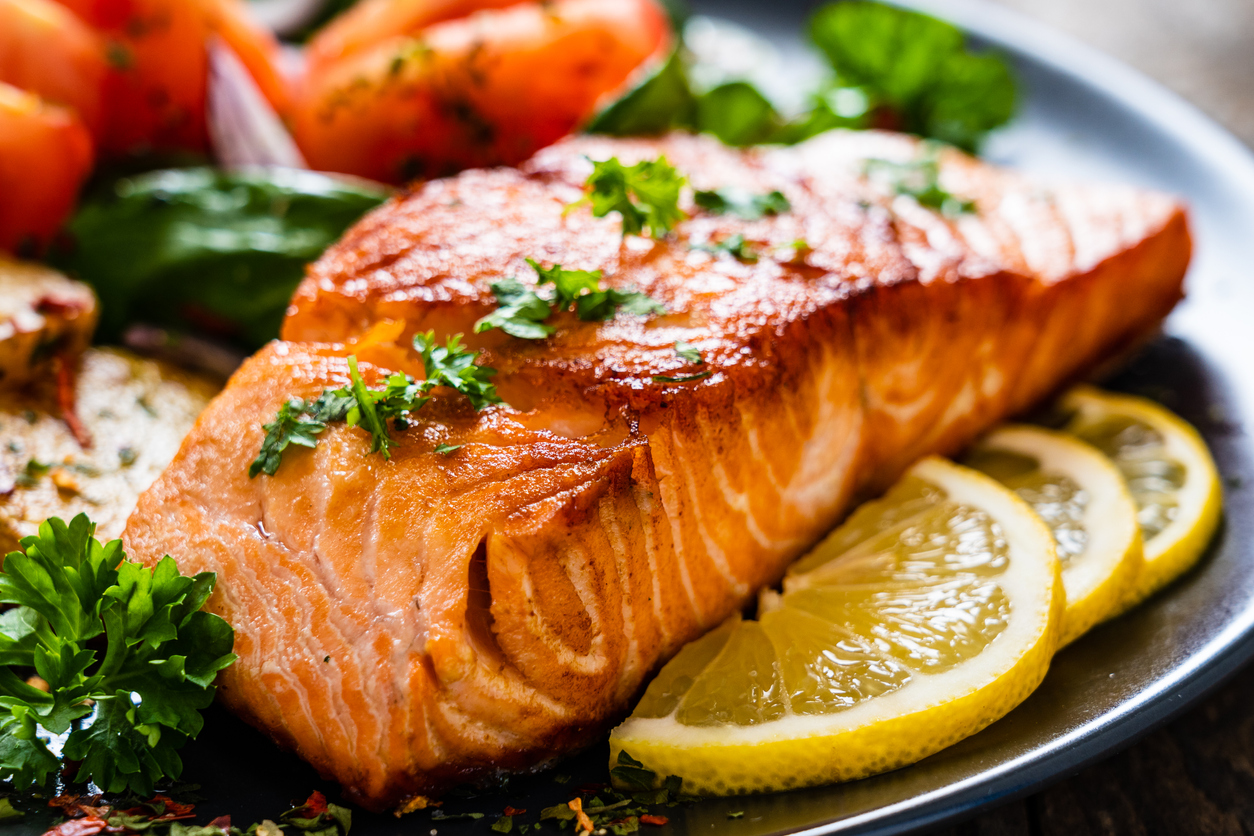
Fish, chicken, or turkey that is broiled, grilled, poached, or baked is far healthier and contains fewer calories and unhealthy fat than those that have been fried or are served with creamy, buttery, or heavy sauces. You already know this; it isn’t news. When you look at the menu and see the chicken fried steak, breaded chicken tenders, or fried fish – skip it – especially when it’s covered in gravy. Because let’s face it, once you decide to eat the unhealthy protein, it’s hard not to get it with fries or mashed potatoes on the side, and then it becomes a calorie overload. Keep it simple.
Read: Light and Tasty: Mango Salmon Recipe
5. If you order red meat, choose a leaner cut.
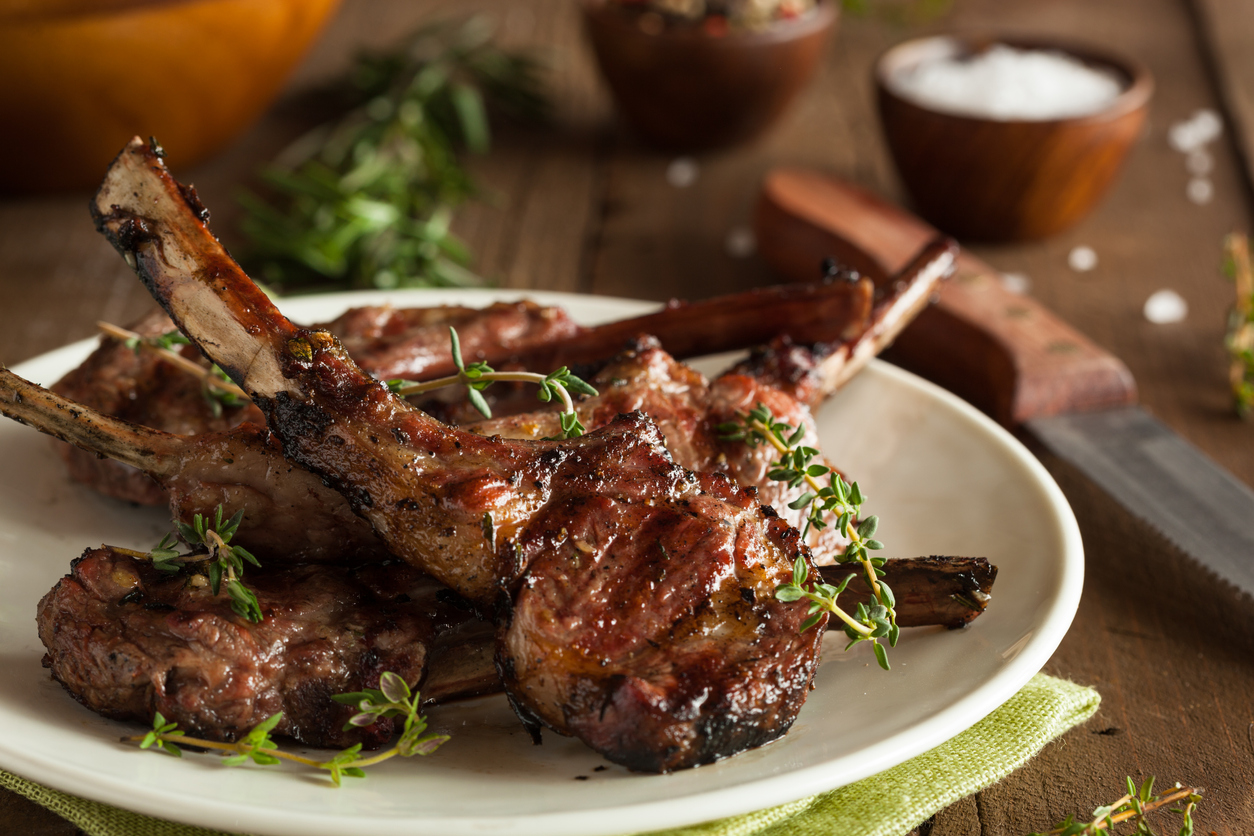
Some nights just call for a helping of red meat, especially if you’ve chosen to visit a local steakhouse. But, despite everything we’ve heard about red meat in our lifetimes, you can make a healthier decision when you order it for dinner. For example, if you’re looking for steak, consider sirloin or flank steak, as they have less fat than porterhouse and prime rib.
If you’ve decided you’d like pork for your entree, consider ordering pork tenderloin, as it’s lower in calories and healthier than pork chops. If you want to go another direction, order lamb loin chops instead of a roast because they’re a healthier option.
Whichever option you choose, remember to limit your servings to 4-6 ounces per week to improve overall health.
6. Practice portion control.
Restaurant meals and deli sandwiches/baked goods are notoriously oversized. A typical pasta dish contains 6 servings of grains – a whopping 1200 calories before the sauce. Meat portions are often more than 8 ounces. Large bagels are equivalent to 4 pieces of bread, and desserts often contain as many calories as your entrée. What can you do? For a healthier dining-out experience, share a meal with someone, or eat only half and take the remainder home for the next day. Order a salad and a healthy appetizer (a shrimp cocktail is a great choice) instead of an entrée, and if you order a dessert, share it with the table.
Read: Mediterranean Power Sandwich: Your New Favorite Protein-Packed Lunch
7. Request dressings, sauces, condiments, and gravies on the side and use sparingly.
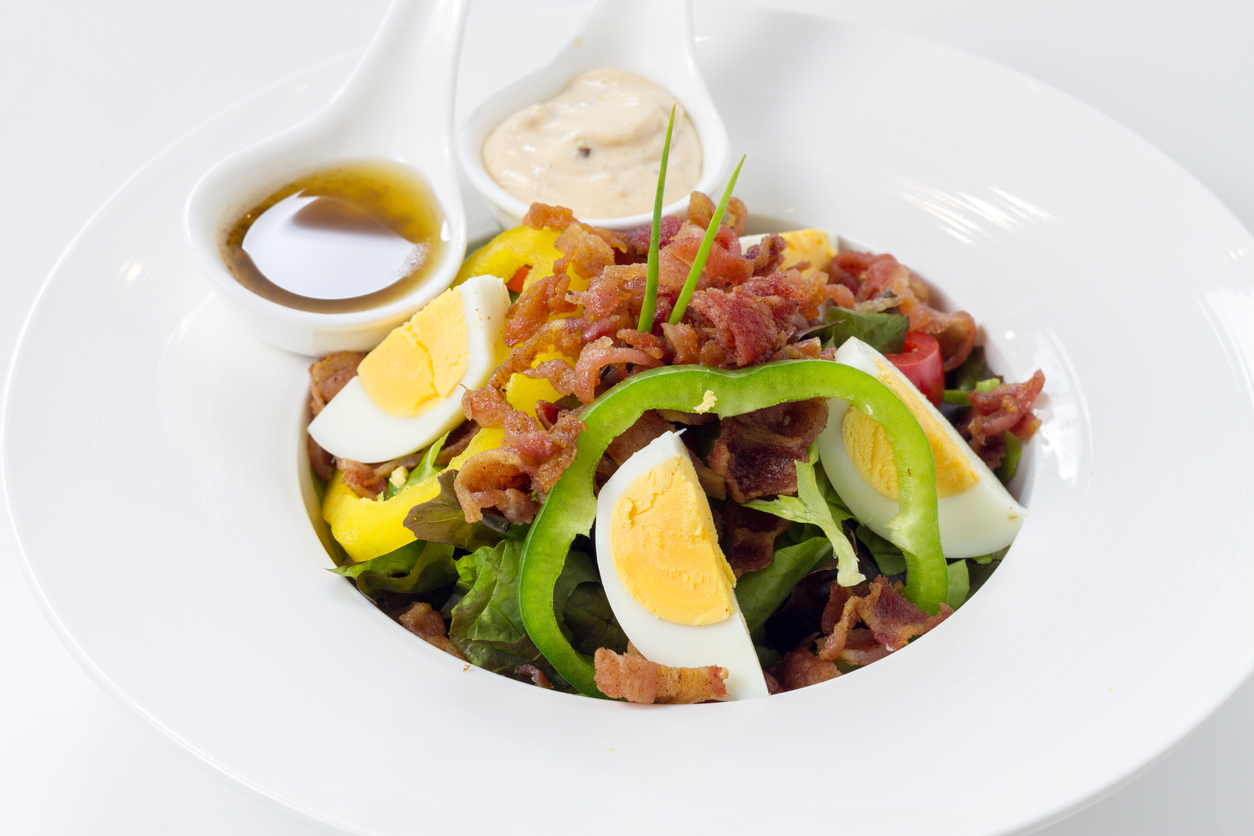
Dressings, sauces, and gravies are often calorie-dense and loaded with sugar, fat, and sodium. It’s not uncommon for a salad to be served drenched in dressing, and once it’s on there, it’s almost impossible to get off (without sacrificing part of the dish). If you control how much you consume, you’ll be satisfied with far smaller amounts than what the restaurant will serve you. You can also try dipping your fork in the sauce before taking a bite, so it doesn’t end up covered in calories before it reaches your mouth. This method prevents you from overindulging and eating all the sauce you’re served, negating the need to order it on the side altogether.
Read: Low Sugar Condiments: 6 Tasty Options
8. Order double veggies.
Forgo the starch (rice, potato, polenta, chips, fries, or pasta) and double up on the veggies or a salad instead. Again, this tip seems like a no-brainer, but it’s worth remembering and driving home in your mind before you go out to eat. Starches offer little to no nutritional value and are often fried or covered in sauces and salt. While they’re delicious, they’re also a very unhealthy addition to your meal. Salads can satiate your cravings if you load them up with veggies and add a flavorful dressing. If you can opt for extra vegetables with your meal, you’ll be surprised how full (and satisfied) you feel when you finish.
9. Beware of beverages.

Alcoholic and sugary drinks, including soda and sweetened coffee and tea, are just add-on calories. Avoid these liquid calories and quench your thirst with a refreshing glass of water. Add a slice of lemon, lime, or cucumber to keep it interesting. If you do have a cocktail, limit it to one 5-ounce glass of wine or a 1.5-ounce shot of liquor. Avoid specialty drinks and fruity cocktails, which can contain a meal’s worth of calories and loads of sugar. An added benefit? You’ll feel better physically and sharper mentally the next day if you drink water instead of alcohol, and you’ll sleep better if you skip the added sugar.
Read: 9 Reasons To Drink Water Often!
10. Eat slowly and stop eating when you’re no longer hungry, not when you’re full.

It takes 20 minutes for your brain to register that you’re full. If you eat too quickly, you’ll consume more calories than you need to be satisfied. While waiting for your food to arrive, sip on some water so you don’t feel so hungry when your meal is served. Also, sometimes, we’ll skip a meal during the day to ‘save calories’ for the meal out. Don’t do this because it tends to be counterproductive. Skipping a meal makes us ravenous, and by the time our food comes, we scarf it down, eating until we’re too full, but it’s too late to realize it. Instead, follow your normal eating routine, and when you get to the restaurant, take your time and enjoy your meal.
If you follow these 10 tips for healthy dining out, you’ll find you can enjoy the restaurant experience without adding on the pounds and feeling guilty afterward!
This article is for informational purposes only, is not intended to diagnose, treat, cure or prevent any disease, and is not a substitute for medical advice.
Read Next:
How Long Does It REALLY Take To Lose 20 Pounds?
What To Look For (And Avoid) In Healthy Meal Replacement Bars