

Over 3 million tons of cocoa beans are consumed worldwide each year due to their fantastic flavor profile and versatility. Fortunately, in addition to being delicious, the fruit and seeds of the cacao plant provide a number of delightful health benefits, many of which are passed on to chocolate as well. Here’s everything you need to know about cocoa crops and the health benefits of eating chocolate.
The Origins of Cacao Farming
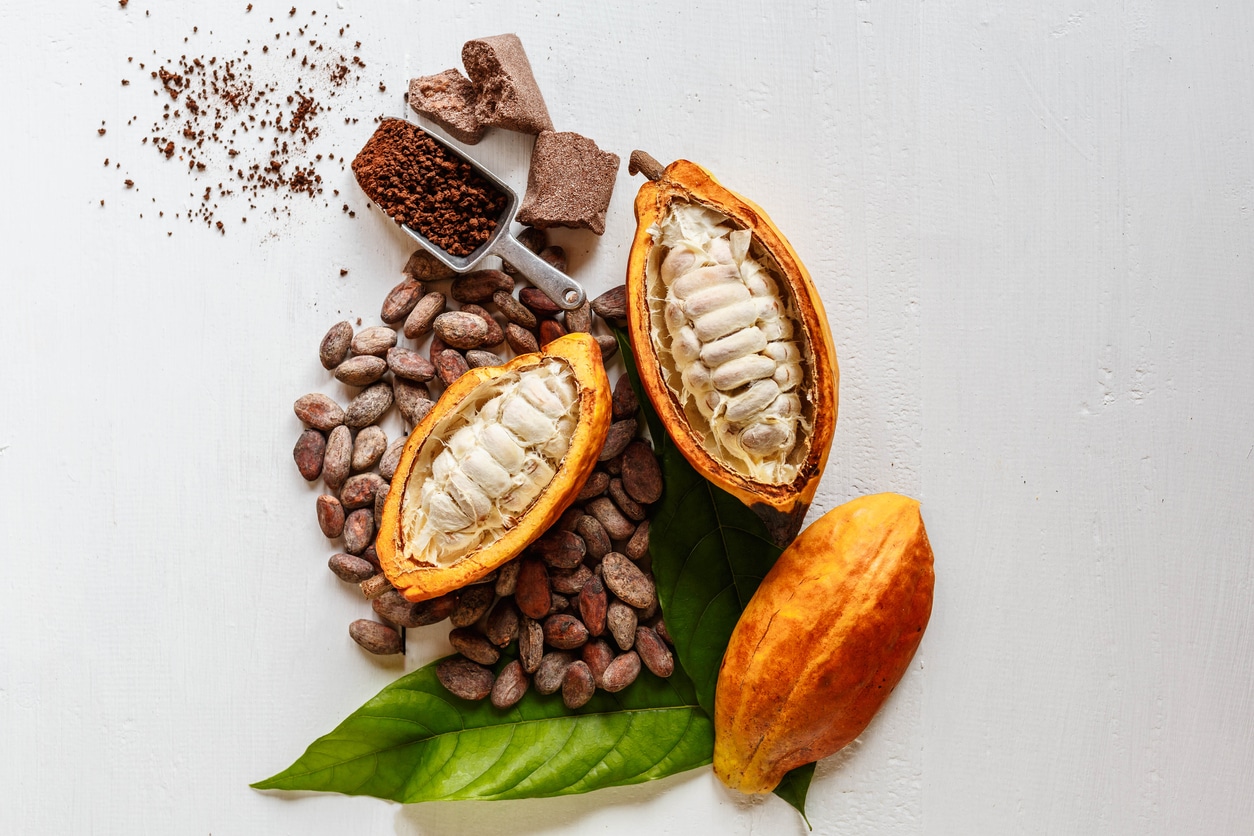
The cocoa plant, native to the Amazon rainforest, has been cultivated as a crop for thousands of years in South and Central America. The large, fleshy pods of Theobroma cacao contain both a sweet, slightly tangy pulp that can be eaten on its own or fermented to make a mildly alcoholic drink, and cocoa beans, the plant’s seeds. Cocoa beans are the core ingredient in most chocolate products, as well as South and Central American drinks like tejate and pinolillo. The plant and its contents were prized enough that the seeds were once used as currency throughout ancient Mesoamerica.
Today, the cocoa pod is processed into solids, powders, liquids, and butters that are added to a wide variety of foods. Cocoa beans impart their distinctive earthy flavor to a wide variety of foods and drinks, enhancing the flavors of tangy barbecue sauces, crunchy salads, and sweet desserts. Cocoa and chocolate are even the featured ingredients in drinks, both sweet and spicy. Much of the pulp from the pods is discarded, but some of it ends up in our food as yogurts, ice cream, and beverages. It is even occasionally used as a sweetener in chocolate- and faux-chocolate desserts.
The Health Benefits of Cocoa Beans
The cocoa bean, a seed rather than a true bean, is incredibly nutritious. It is an incredible source of vitamins A, C, D, E, and B-complex vitamins. The cocoa pod seed is also a rich source of vital minerals, including calcium, copper, iron, magnesium, manganese, phosphorus, and potassium. In addition, cocoa beans are rich in antioxidants, with enough potency to rival blueberries’ protective effects.
Here’s how those components come together to improve your overall health.
Improve Heart Health

Though the effects are mild, many controlled studies have shown that cocoa and dark chocolate lower blood pressure and improve blood flow. These effects are believed to be due to the flavonoids present in cocoa and cocoa-rich products. Certain flavonoids, including the ones in cocoa, can stimulate the lining of the arteries to produce nitric oxide. Nitric oxide then signals the arteries to relax, facilitating blood flow through them.
Increase Neuroplasticity
At the 2018 Experimental Biology meeting in San Diego, research presented illustrated the powerful effects of cocoa on cognition and brain health. It showed that eating just 1.5 oz of organic dark chocolate at 70% or above had a notable effect on the brain’s ability to form new synaptic connections. The ability to form new synaptic connections, known as neuroplasticity, can have positive effects on cognition, memory, and mood.
Balance Blood Sugars
Moderate daily intake of cocoa has been shown to reduce oxidative stress, which is believed to be the primary cause of insulin resistance. Insulin resistance causes glucose to build up in the blood and is a feature of type 2 diabetes. It’s important to note that many forms of chocolate combine cocoa with generous helpings of sugar, which may somewhat dampen the cocoa’s ability to balance blood sugar.
Promote Healthy Skin
The high amount of vitamins E and D in cocoa is vital for skin health. The levels of flavonoids and flavanols in cocoa also protect against sun damage, improve blood flow to the skin, and increase hydration.
Benefits of Cacao Pulp
Although somewhere around 75% of the sweet pulp of the cacao plant is discarded during processing, those who have the opportunity to partake of the pulp are getting a huge health boost, too. The pulp of the cacao plant is chock full of essential vitamins and minerals, including:
- Antioxidants
- B Vitamins
- Electrolytes
- Magnesium
- Vitamin D
- Vitamin E
Types of Chocolate
Cocoa can be processed into several varieties of chocolate. Some varieties are better for cooking or baking, while others are designed to be eaten on their own. Here is a quick rundown of the most common varieties of chocolate available.

Baking Chocolate
Baking chocolate is pure cocoa and, therefore, has all the health benefits of cocoa. Unfortunately, for most people, it doesn’t have a particularly pleasant flavor all on its own. As the name implies, it is typically used for baking rather than eating.
Cocoa Powder
This bitter powder is what remains after cocoa butter is extracted from cocoa solids. It also contains all the health benefits inherent in cocoa. When used in recipes, this dry powder imparts its traditional, deep chocolate flavor to foods without having to monitor how it melts.
Dark Chocolate
Dark Chocolate has the most actual cocoa of all the eating chocolates listed, though chocolate used for baking may have more. It is a combination of chocolate liquor, cocoa butter, and sugar, with no milk solids mixed in. The darker the chocolate, the more cocoa it contains and the more health benefits it provides.
Milk Chocolate
Milk chocolate is only 10% to 40% cocoa, with the remainder being made up of milk, milk fats, and sugars. The health benefits of cocoa are slightly muted when ingesting milk chocolate and may be overshadowed by the detrimental effects of the added fats and sugars.
White Chocolate
The main source of fat in white chocolate is cocoa butter, which is derived from chocolate. This form of chocolate doesn’t impart as many health benefits as chocolate that contains actual cocoa solids or powder. White chocolate contains no cocoa ingredients beyond cocoa butter; however, it doesn’t have the antioxidants imparted by cocoa solids that the other chocolates do. White chocolate generally contains a generous helping of sugar as well, and a wide variety of “white chocolate” uses less expensive sources of fat, like palm oil.
In Short
The health benefits derived from chocolate are primarily a function of its main ingredient, cocoa. The benefits from this exceptionally versatile crop are many, from making your skin glow to keeping your heart strong and healthy. Eating chocolate high in cocoa products and lower in other fats and sugars is the best way to get the most health benefits from indulging in chocolate.
Read More:
Chocolate Cream Cheese Brownies Recipe