
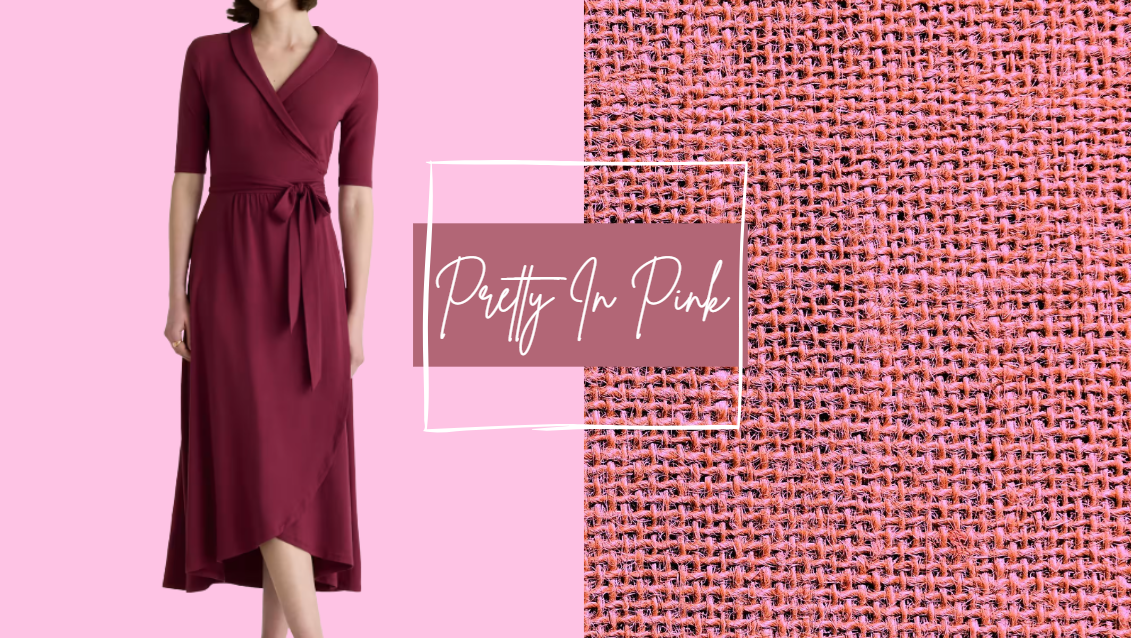
Pink has had quite the journey. Once dismissed as overly sweet or reserved for little girls and movie-star ingénues, it has reinvented itself time and again, emerging as bold, sophisticated, rebellious, romantic, and even powerful. Today, pink is less about age and more about attitude. And the good news? There’s a shade for everyone.
A Color That Reinvents Itself
Pink’s fashion story is surprisingly rich. In the 18th century, it was worn by European aristocrats – men included – as a symbol of luxury and refinement. Fast forward to the 1950s, and pink became ultra-feminine and polished, thanks to style icons like Grace Kelly and Mamie Eisenhower.
The 1980s gave us hot pink power suits: bright, unapologetic, and boardroom-ready. Then came the minimalist ’90s, where blush tones took center stage in slinky slip dresses and understated tailoring. In recent years, designers have embraced pink in every form imaginable: neon, dusty rose, coral, fuchsia, millennial pink, and everything in between.
What’s changed most isn’t the color itself; it’s our perception. Pink is no longer confined to a single mood or demographic. It’s versatile, expressive, and surprisingly timeless.
Pink at Every Stage of Life
The secret to wearing pink beautifully isn’t about following trends; it’s about choosing the right shade and styling it with intention.
Soft blush and ballet pinks feel elegant and romantic, especially in flowing fabrics like silk, chiffon, or cashmere. These tones pair beautifully with neutrals such as taupe, ivory, and soft gray.
Coral pink brings warmth and energy, particularly flattering in spring and summer wardrobes. It looks stunning with white jeans, gold accessories, or woven textures.
Bold fuchsia or magenta makes a confident statement. A structured blazer, tailored trousers, or even a sleek sheath dress in a saturated pink can feel modern and empowering rather than girlish.
And dusty rose? It might just be the ultimate wardrobe chameleon – subtle enough for everyday wear, refined enough for evening.
The Most Flattering Tones
As skin tone evolves, certain pinks can be especially luminous. Cooler pinks, like raspberry, rose, and blue-based fuchsia, tend to brighten complexions with cooler undertones, adding vibrancy without overpowering.
If your skin has warmer undertones, look for peachy pinks, salmon, and coral shades. These harmonize beautifully and create a healthy, radiant effect.
Very pale, chalky pinks can sometimes wash out mature skin, particularly if there’s less contrast between hair and complexion. The solution? Add depth. Pair a soft pink top with a darker jacket, bold necklace, or vibrant lip color to create balance.
When in doubt, hold the fabric near your face in natural light. The right pink will make your eyes look clearer and your skin glow – no highlighter required.
How to Wear It Now
If head-to-toe pink feels intimidating, start small. A structured handbag, silk scarf, or statement shoe can add a playful touch without overwhelming your look.
For a fresh, modern approach, try monochromatic layering, pairing different shades of pink in one outfit. A blush sweater with rose trousers and berry accessories feels intentional and sophisticated.
Pink also pairs beautifully with unexpected colors, such as olive green, navy, chocolate brown, and even leopard print.
Ultimately, pink isn’t about being sweet or sentimental. It’s about confidence, warmth, and personality. Whether you choose a whisper-soft blush or a fearless fuchsia, pink proves one thing beautifully: style has no expiration date.
Whether you prefer softer tones of pink or the richer fuchsia hues, we have a few pink outfits below for you to celebrate femininity your way.
Celebrating Pink Power
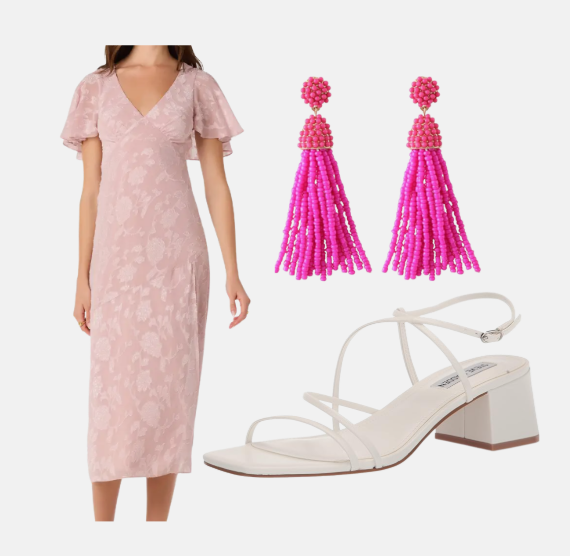
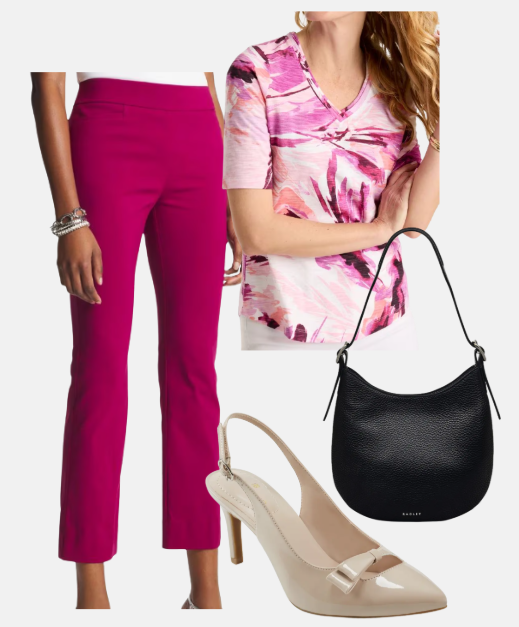
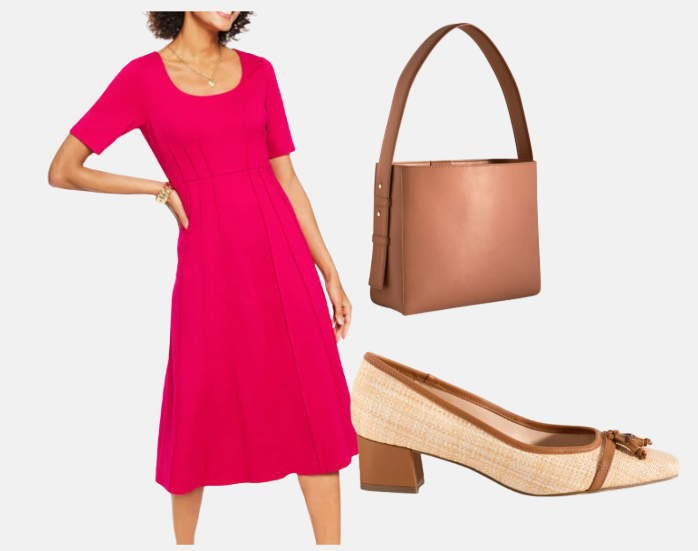
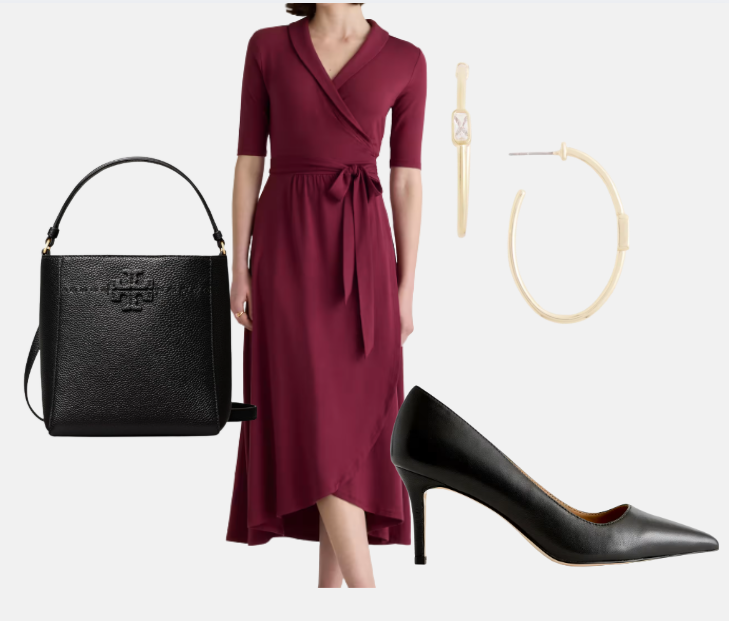
In the end, pink isn’t a trend to outgrow; it’s a color to grow into. With its endless range of shades and moods, it offers something for every personality and every closet. Whether you lean toward soft and subtle or bold and brilliant, the right pink doesn’t just brighten your outfit – it brightens you!
Read Next:
Chic Pieces For Your Fall Wardrobe