
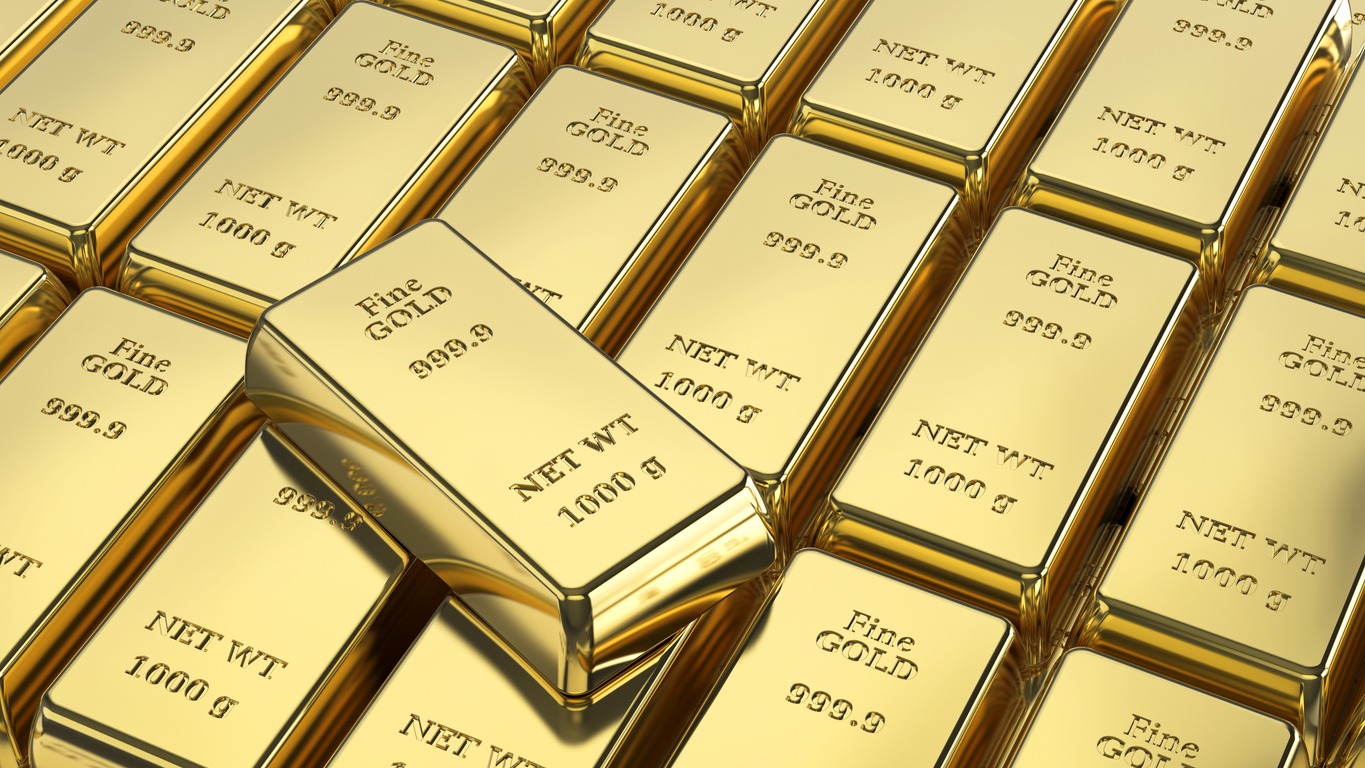
In Texas, our “Bling” is very important to us. But besides looking great on our fingers or around our wrists, gold and silver are part of the asset class called “commodities,” which also includes things that are not so glittery like corn, oats, soybeans, sugar, coffee, oil, gas, palladium, and pork bellies, to name a few. Investing in gold and silver, or other precious metals, can be a smart move in the long run — if you know what you’re doing.
Many investors have money in the asset class of commodities because the price of these items tends to run contrary to the price of traditional investments like stocks or bonds. In fact, they are considered “non-correlated” assets. That means there is essentially no correlation in the performance of commodities to the other traditional asset classes. In theory, investors want to be making money at all times; so, when one asset class goes down in value, they certainly want to have asset classes that may be going up in value at the same time. Since commodities is one asset class that doesn’t correlate to the stock or bond markets, many people choose to invest in them.
In addition, the commodities of gold and silver are in an asset class called “precious metals.” There are other “precious metals,” but gold and silver are usually the ones referenced. They are widely considered a store of value since there are limited amounts in nature. Like real estate, gold and silver are considered “real” assets. They actually exist in nature. You can buy gold bars or coins and store them in your home. Right now, an ounce of gold trades for about $4,090; an ounce of silver trades for about $59.20. The important question is: will the price of gold and silver go up in the next decade or go down?

Interestingly enough, the debate on the future price of gold and silver can be as voracious as some political debates. Pundits who tend to favor gold investments are often referred to as “gold bugs.” These people tend to think the price of gold, for a variety of reasons, will shoot to the moon, backed by their assumption that the continuing printing of money by the Federal Reserve will eventually produce unabated inflation. You see, traditionally, gold and silver tend to hold their value or go up in times of very high inflation.
So, the question is: “should you own gold or silver?” Historically, investors turn to commodities like gold and silver in times of economic crises. Below are the arguments we often hear for and against the ownership of precious metals.
Investment Portfolio Tips for Precious Metals

The primary idea behind investing in precious metals is as a hedge against inflation. They can also be a hedge against a falling dollar. Fans of precious metals claim that because they are tangible commodities, they tend to keep their intrinsic value. For them, it is commonly believed there is only so much gold on the earth. Hence, the value of what exists can be a stabilizing factor. You can’t make more gold; it can’t be manufactured from thin air. This is in contrast to U.S. dollars or other currencies that can be manufactured at the whim of the Federal Reserve. They have the power to turn on the printing press whenever they choose. The fear among ‘gold bugs’ is that with every new issuance of more dollars in the system, the existing dollars lose value. Their argument is that as the value of the Dollar decreases, at least part of your portfolio will retain its value.
Some Doomsdayers take it a step further. As they extrapolate the effects on the current debt of our country and forecast an economic collapse of sorts, they believe that we could eventually revert to trading in commodities such as gold and silver coins; so buying them now might be a good idea. Admittedly, the price of both silver and gold is far below their high water marks, so, if you decided to buy, you could be assured you were not buying at historical all-time highs. Then again, if we don’t end up in an economic collapse and we don’t eventually have inflation, the pundits who promote the future value of gold and silver ownership might end up wrong.
The Argument AGAINST Investing in Precious Metals
There are plenty of experts who argue that an economic collapse is unlikely, and, historically, collapsed economies actually revert to bartering, not purchasing goods with precious metals. They point out in a worst case scenario that survivors would likely be more interested in useful goods like canned goods, bread, and bottled water than soft metals mostly used for ornamental purposes!
There are some financial professionals that may agree that there is some validity in the argument for long-term metal investments. But, there are downsides to it, too. If you want to invest in metals, first consider the following:
What to Consider if You Invest in Precious Metals
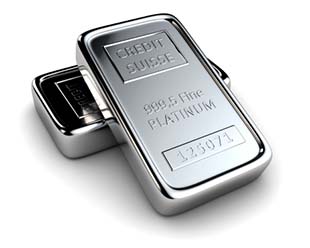
Like any investment, you shouldn’t put too much of your money into precious metals—or any other asset class for that matter. Overinvesting is risky for any asset, but metals can be very volatile and offer little other tangible return. They don’t pay any form of interest or dividend. Metals might be a defensive strategy, but when times are good, many may agree that precious metals aren’t the best investment. If you do want to invest in metals, you might consider limiting your total percentage in this asset class.
That being said, despite the volatility in gold and silver prices, many investors believe that, long-term, their investment will be effective in protecting against inflation. Gold and silver are considered the quintessential hedge against inflation; others say it makes as much sense to invest in real estate or treasury inflation protected securities.
If you decide metals are the investment for you, know your options. Gold and silver are the obvious precious metals, but platinum and palladium are two other major investment metals also worth considering.
How to Invest
There are a variety of options for precious metal investing. Both sides of the argument for and against precious metal investing make valid points. Overall, it’s impossible to predict the future and how any investments will fare. The most you can do is use the knowledge you have to keep a balanced portfolio. Either way, avoid over-investing in any one asset—even if it is shiny and pretty.
If you’d like to hear more about this topic, check out our podcast with an expert from Thor Metals where we dive into all the details on gold, trusts, and retirement. You can find the link to our podcast here: Gold, Trust, and Retirement: A Skeptical Investor’s Conversation
Read Next:
The Hidden Cost of Co-Signing Student Loans