Somewhere between collagen coffee, chlorophyll water, and mushroom powder that allegedly “supports focus,” matcha became the wellness world’s valedictorian. It’s green. It’s antioxidant-rich. It arrives in aesthetically pleasing bowls. Gwyneth probably has opinions about it.
And now, because the internet never rests, people are asking on TikTok whether matcha is secretly causing hair loss. According to TikTok, yes it is. Before you panic and throw your ceremonial-grade powder into the trash beside your abandoned chia seeds, let’s look at what’s actually happening.
First: What Is Matcha, Exactly?
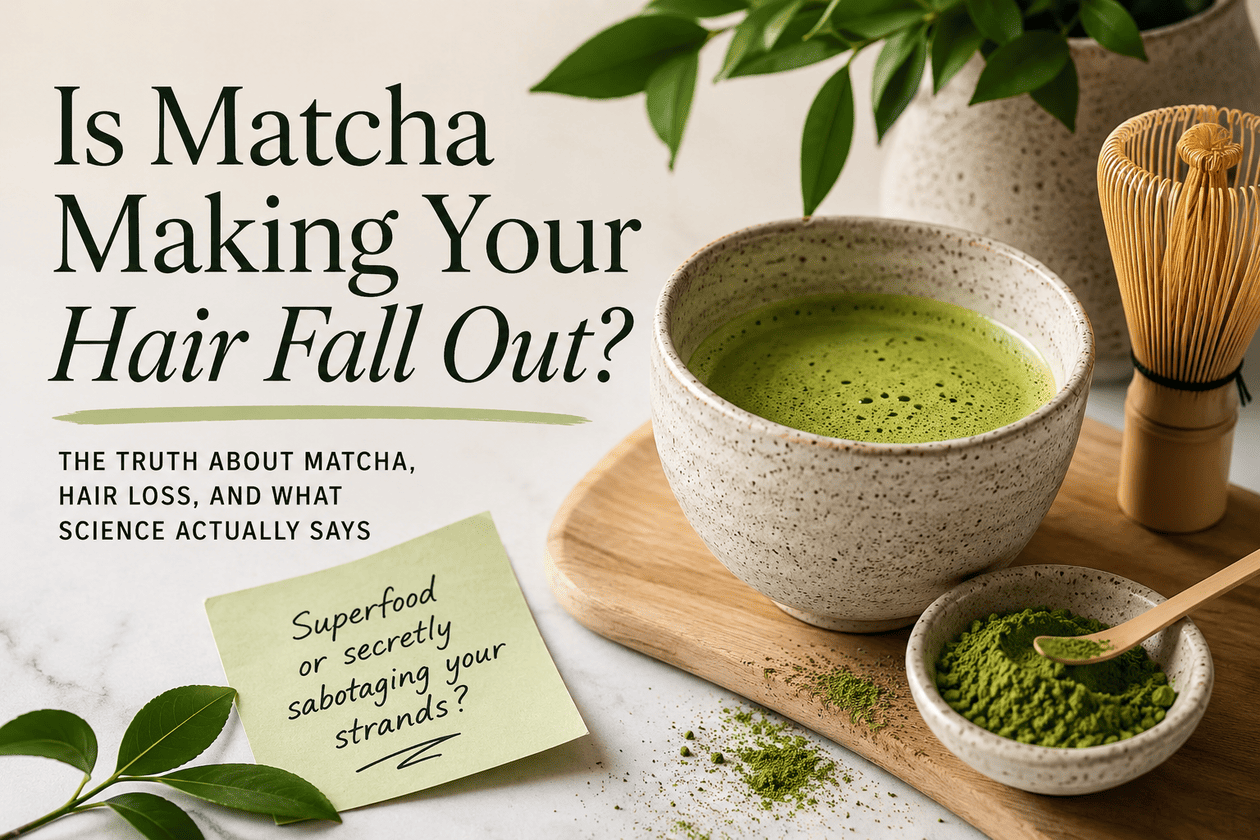
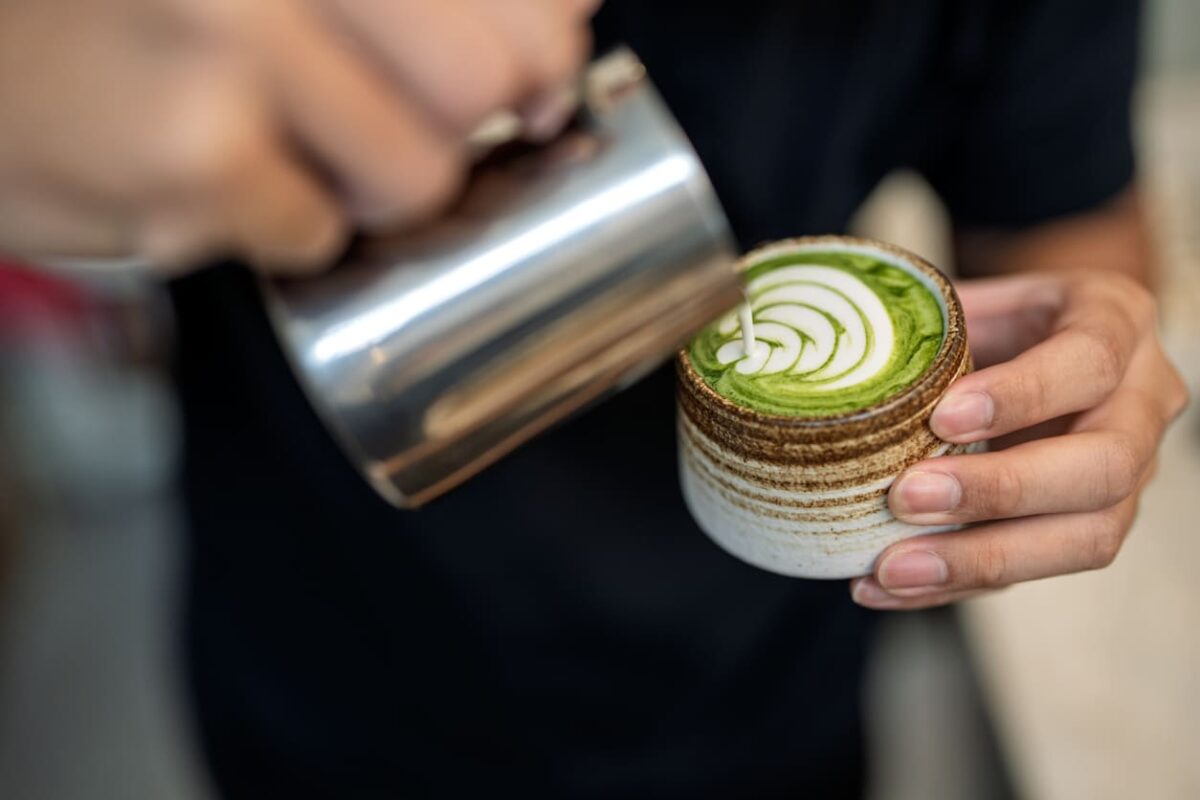
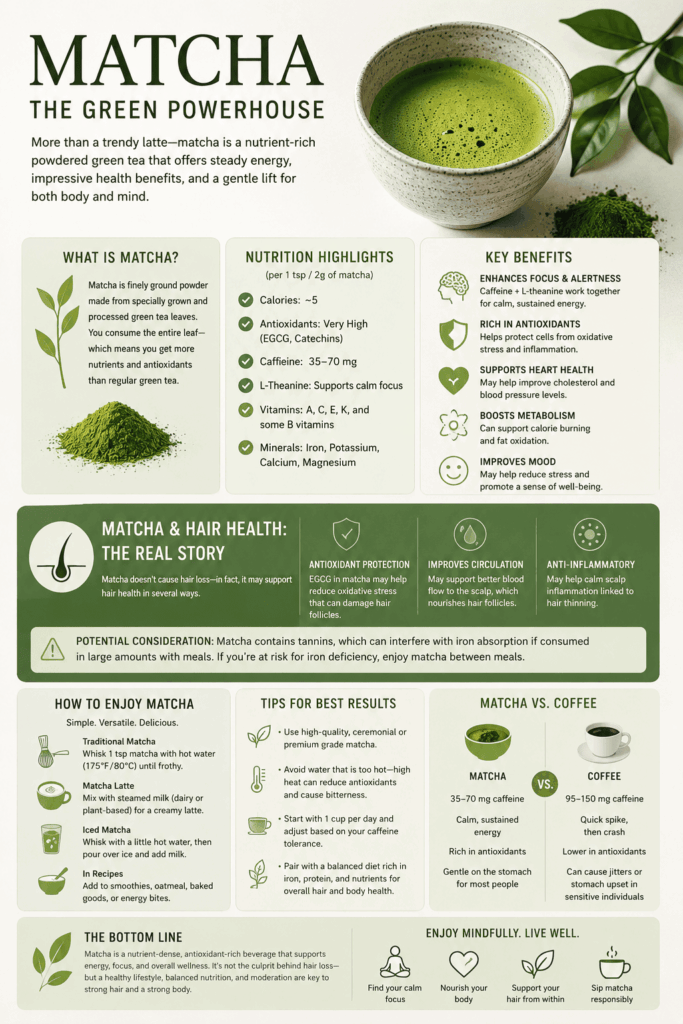
Matcha is powdered green tea made from specially grown tea leaves. Unlike regular green tea, where you steep the leaves and toss them away, matcha involves consuming the entire leaf. Which means you get more antioxidants, more nutrients, and yes, more caffeine.
A typical serving of matcha contains about 35–70 mg of caffeine, depending on how it’s prepared. For comparison, coffee usually lands somewhere between 95–150 mg per cup. So matcha is generally gentler, though “gentler” is relative if you’re drinking three iced matcha lattes before noon while answering emails in all caps.
Can Matcha Cause Hair Loss?
Short answer: probably not. There’s currently no scientific evidence showing that matcha directly causes hair loss in healthy people. In fact, some of the compounds in green tea have been studied for supporting hair health.
But, and there’s always a but, there are a few ways your beloved green drink could indirectly contribute to shedding if other things are already out of balance. Because hair loss is rarely about one villain. It’s usually more of a group project.
The Caffeine Connection
Caffeine itself isn’t automatically bad for your hair. In moderation, it may even stimulate hair follicles. You’ll notice caffeine appearing in a shocking number of expensive shampoos now, usually next to words like “revitalizing” and “fortifying.”
The issue is excessive caffeine intake. Too much caffeine can increase stress hormones, disrupt sleep, and raise anxiety levels. And poor sleep plus chronic stress can absolutely contribute to hair shedding.
This is particularly true for women over 40, because hormones are already busy improvising without supervision. If your daily routine includes:
- Matcha at breakfast
- Coffee at 10
- Another matcha “for focus” at 2
- Wine at 7 “to unwind”
…your nervous system may be filing formal complaints. Hair follicles are surprisingly sensitive little creatures. They don’t love chaos.
Matcha and Iron Absorption: The More Interesting Issue
Now here’s where things get slightly more relevant. Matcha contains compounds called tannins, which can interfere with iron absorption, particularly non-heme iron found in plant foods. Low iron levels are one of the most common contributors to hair thinning in women, especially during perimenopause and menopause.
So if you already have borderline iron levels and you’re drinking matcha constantly with meals, you might be making it harder for your body to absorb iron efficiently. Notice the important distinction here: Matcha itself isn’t attacking your hair follicles in the night. It’s more that timing and overconsumption can become part of a larger nutritional issue.
A little dramatic? Perhaps. But not malicious.
Signs Your Hair Loss May Be Related to Something Else
If you’re noticing more shedding than usual, it’s worth looking beyond your latte. Sometimes your hair starts acting out before the rest of your body sends the memo. Common causes of hair loss include:
- Hormonal changes
- Thyroid issues
- Iron deficiency
- Rapid weight loss
- Stress
- Medications
- Illness or surgery
- Protein deficiency
- Menopause
- Genetics (thanks, family)
Could Matcha Actually Help Hair Health?
Potentially, yes. Matcha is rich in antioxidants called catechins, particularly EGCG (epigallocatechin gallate), which may help reduce inflammation and oxidative stress. Some early research suggests these compounds could support scalp health and possibly even influence hair growth cycles.
Translation: your matcha is probably more likely to help your hair than hurt it. Provided you’re drinking reasonable amounts and not replacing actual meals with “wellness beverages.” A smoothie is not emotional support broccoli.
How to Drink Matcha Without Accidentally Sabotaging Yourself
If you love matcha, there’s no need to break up with it dramatically. A few sensible guidelines:
- Keep caffeine intake moderate
- Avoid drinking matcha directly with iron-rich meals
- Prioritize protein and nutrient intake
- Stay hydrated
- Get your iron, ferritin, thyroid, and hormone levels checked if shedding persists
- Sleep like it’s your job
Also: if your hairbrush suddenly looks like it survived a small woodland animal attack, talk to your doctor or dermatologist instead of relying on TikTok comments from someone named “HolisticMama444.”
The Bottom Line
Matcha is not secretly causing a nationwide hair loss epidemic. For most people, it’s a perfectly healthy drink with antioxidants, a moderate caffeine boost, and enough wellness prestige to justify an $8 latte in a glass that looks handcrafted by Scandinavian elves.
But if you’re already stressed, undernourished, iron-deficient, hormonally shifting, or overdoing caffeine, matcha could become one small piece of a much bigger picture. In other words, your hair loss probably isn’t because of matcha. It’s because the human body enjoys being complicated.