
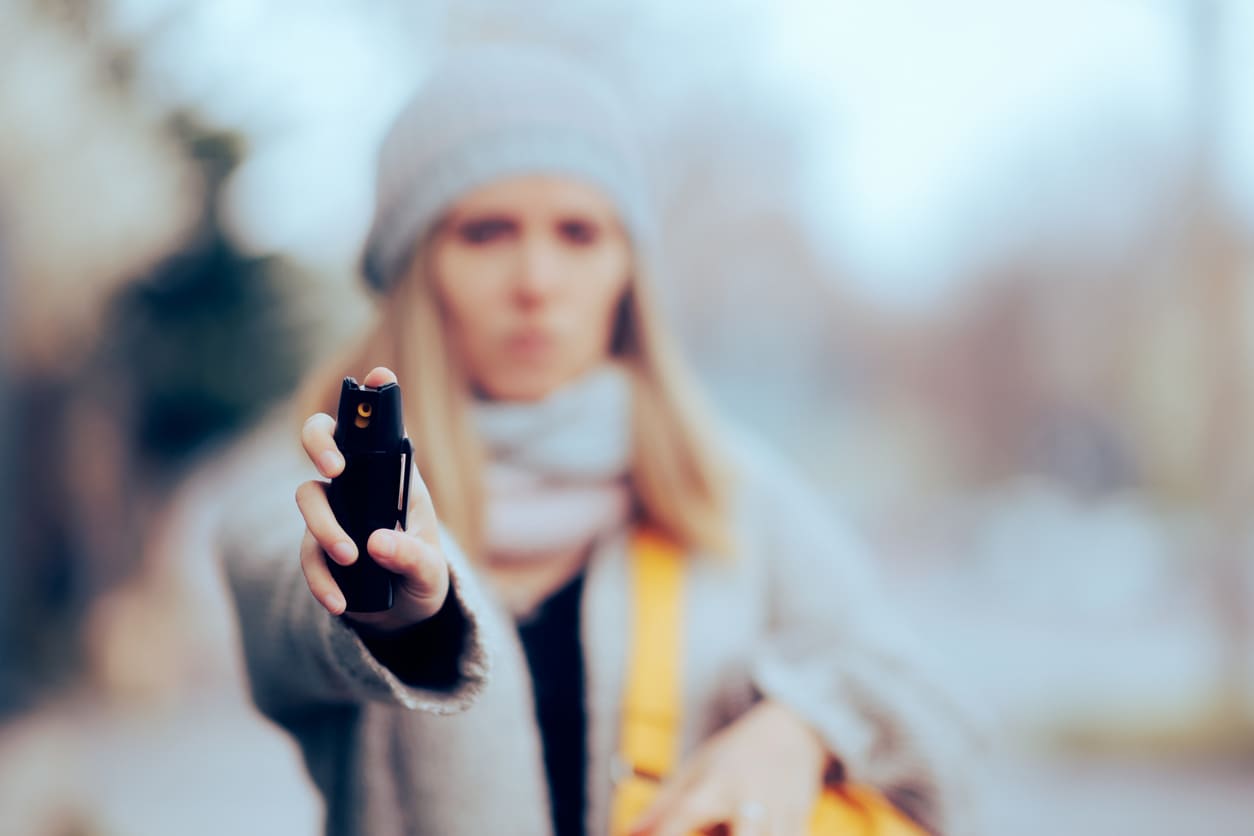
Recent events have understandably left many of us feeling vulnerable. But here’s the truth: you have more power than you think when it comes to protecting yourself. Personal safety isn’t about living in fear—it’s about being prepared, aware, and confident. These practical strategies will help you navigate your daily life with greater peace of mind.
Master the Art of Situational Awareness
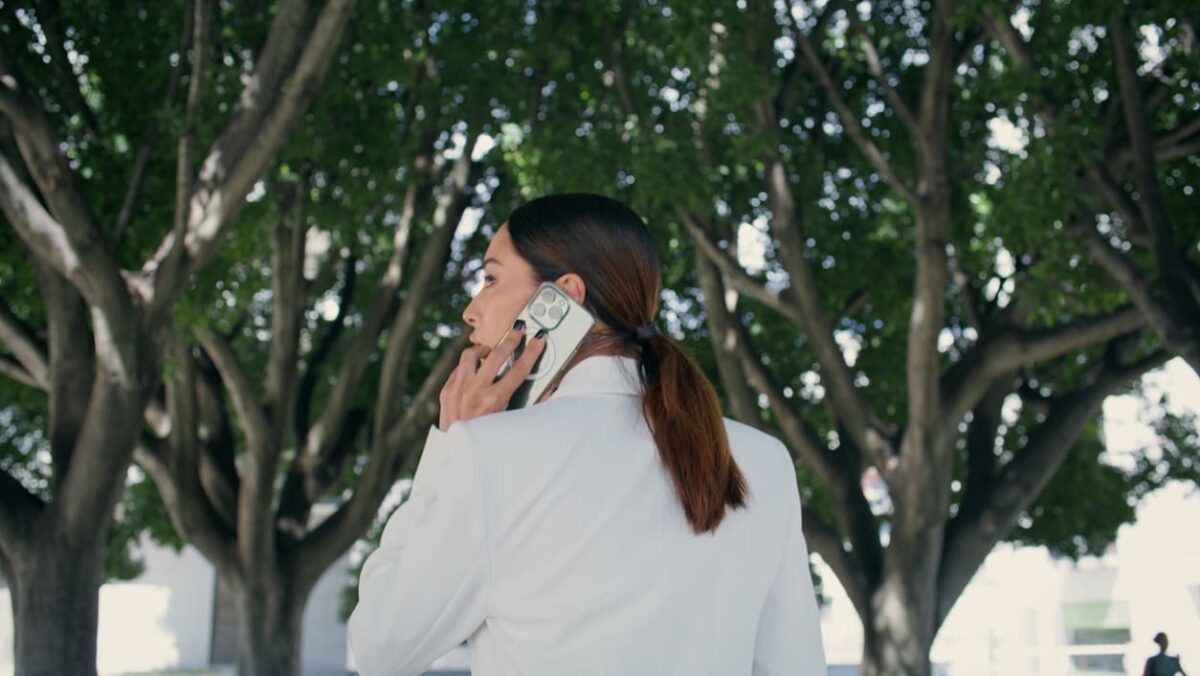
Situational awareness is simply paying attention to what’s happening around you. It’s your first and most powerful line of defense, yet it’s something many of us forget to practice in our busy lives.
Put Your Phone Away
When you’re walking, shopping, or moving through public spaces, resist the urge to scroll through your phone. Predators specifically target people who appear distracted. Keep your head up and your eyes forward. If you need to check your phone, step into a store or against a wall where you can see your surroundings.
Trust Your Intuition
That uncomfortable feeling in your gut exists for a reason. If something feels off about a person, situation, or location, trust that instinct. You don’t owe anyone an explanation for removing yourself from an uncomfortable situation. Your safety matters more than being polite.
Practice the “Color Code” System
Safety experts use a simple awareness scale: White (unaware), Yellow (relaxed alert), Orange (focused alert), and Red (immediate threat). Aim to stay in Yellow during your daily activities—calm but observant. Notice who’s around you, where the exits are, and anything that seems unusual.
Scan Your Environment Regularly
Every few minutes, take a quick look around. Notice people who might be following the same route as you. Observe vehicles that seem to be circling. Pay attention to individuals who are watching others rather than going about their own business. This doesn’t mean being paranoid—just aware.
Develop Safe Habits When Out Alone
Small changes in your routine can significantly reduce your vulnerability.
Plan Your Route
Before you leave, know exactly where you’re going and the safest route to get there. Stick to well-lit, populated areas, especially after dark. If you’re trying a new restaurant or shop, look it up beforehand so you appear confident and purposeful when you arrive.
Park Strategically
Always park in well-lit areas near building entrances or security cameras. At the mall or grocery store, park near cart corrals where there’s more activity. When returning to your car, have your keys ready before you leave the building—don’t stand at your car door fumbling through your purse. Never park behind the building or so far you cannot see the entrance to the building.
Let Someone Know Your Plans
Make it a habit to text a friend or family member when you’re going out alone, especially for appointments, walks, or errands in unfamiliar areas. Share your location using your phone’s built-in feature. Let them know when you’ve arrived safely.
Vary Your Routine
If you walk the same route every day at the same time, you become predictable. Mix up your schedule occasionally—take different routes, go at different times, or alternate between locations for your regular activities.
Carry Yourself Confidently
Walk with purpose and confidence. Keep your shoulders back and your stride steady. People who appear uncertain or timid are more likely to be targeted. Even if you’re feeling nervous, project confidence through your body language.
Be Cautious About What You Share
Avoid announcing on social media that you’re home alone or posting your location in real-time. Wait until after you’ve left a location to share photos or check-ins. Don’t advertise your daily routine or schedule online.
Know How to Signal for Help
Having multiple ways to call for help can make all the difference in an emergency.
Keep Your Phone Charged and Accessible
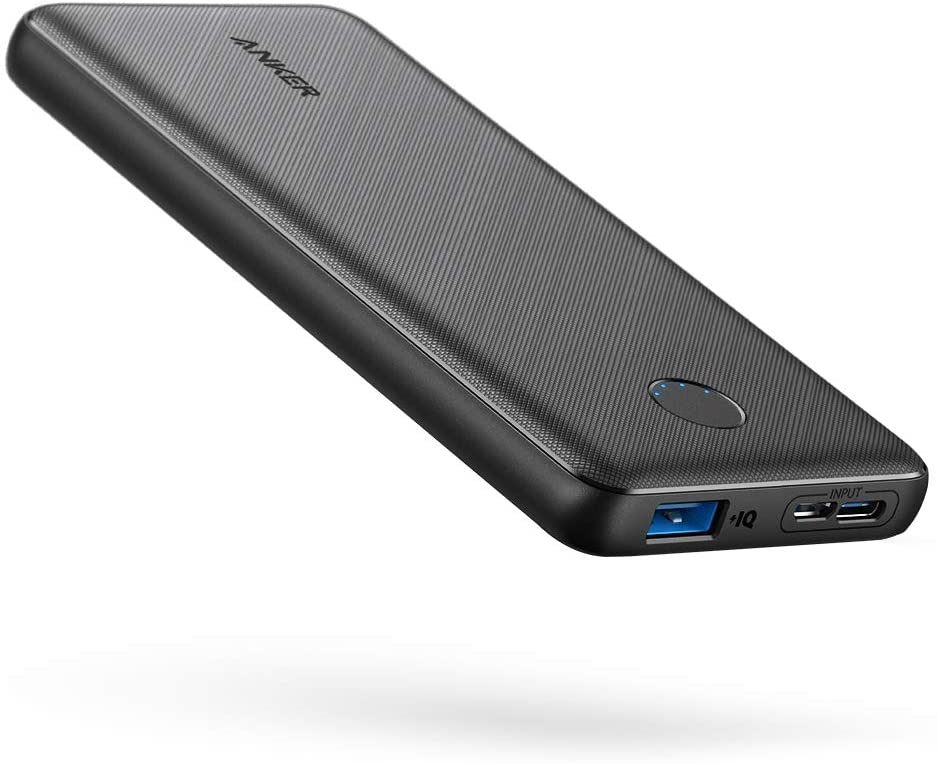
This seems obvious, but it’s critical. Invest in a portable charger and keep it in your purse. Set up your phone’s emergency features—both iPhone and Android devices allow you to quickly call 911 with specific button combinations. Practice using these features so they become second nature.
Personal Safety Alarms

A personal alarm is an inexpensive tool that can be incredibly effective. These small devices emit a piercing 120-130 decibel sound when activated—loud enough to disorient an attacker and attract attention. Popular options include the Vigilant Personal Alarm, She’s Birdie Safety Alarm (which comes in multiple colors and easily attaches to your purse or keychain), and the KOSIN Safe Sound Personal Alarm which includes a built-in flashlight. Keep one on your keychain and another in your purse. They cost between 10 and 25 dollars and require no training to use.
Whistle
A simple safety whistle is easy to carry and doesn’t require batteries. Choose a pealess whistle (they work in all weather conditions) and keep it accessible on your keychain or worn as a necklace. The Acme Tornado 636 is particularly loud and reliable.
Smart Jewelry and Wearable Safety Devices
Several companies now make stylish safety jewelry that allows you to call for help discreetly. The Invisawear Smart Jewelry line includes necklaces, bracelets, and keychains with hidden buttons that alert your emergency contacts and 911 with your GPS location. The Flare Bracelet serves a similar function with a sleek design you’d actually want to wear. These typically cost between 80 and 200 dollars.
Smartphone Safety Apps
Download a personal safety app like Life360, Noonlight, or bSafe. These apps allow you to share your location with trusted contacts, set up automatic check-ins, and quickly alert authorities if you’re in danger. Many include features like fake phone calls you can use to extract yourself from uncomfortable situations.
Use Your Car as a Panic Button
If you’re near your car and feel threatened, your car alarm can serve as an attention-getter. Keep your key fob in your hand and be ready to press the panic button if needed.
What to Do If Someone Approaches You
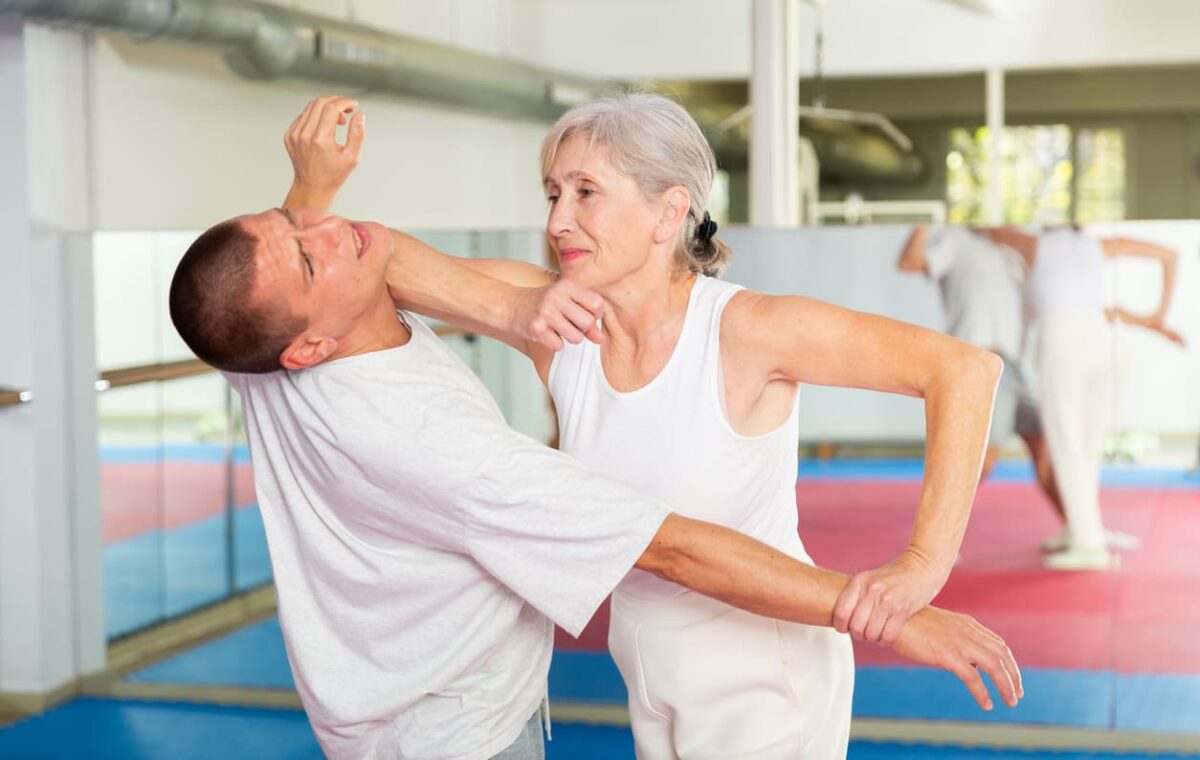
Despite our best precautions, uncomfortable situations can still arise. Here’s how to handle them.
On the Street or Sidewalk
If someone approaches you asking for help, directions, or money, you can respond without stopping. Say “Sorry, I can’t help you” and keep walking. You don’t need to be rude, but you also don’t need to engage in conversation. Create distance immediately.
If someone gets too close or continues following you, cross the street, walk toward other people, or enter a business. Make it clear through your actions that you’ve noticed them and are taking steps to protect yourself.
For more aggressive approaches, make noise. Yell “Back off!” or “Leave me alone!” loudly. This serves two purposes: it signals to others that you need help, and it demonstrates that you’re not an easy target. Most predators will move on when they realize you’ll fight back.
In a Parking Lot
Parking lots and garages are common locations for assaults because they offer relative privacy and quick escape routes for criminals.
As you approach your car, scan underneath it and in the back seat before unlocking it. If someone approaches while you’re loading groceries or getting into your vehicle, step away from your car. Your car limits your mobility and ability to escape. Move toward other people or back toward the building.
If someone tries to force you into your vehicle, fight back immediately. Scream, hit your panic button, throw your keys away from your car, and run. Every self-defense expert agrees: never let someone take you to a secondary location. Your chances of survival are much higher if you resist at the initial point of contact.
If you’re already in your car and someone approaches, don’t roll down your window. If they’re asking for help or directions, you can point or speak through the glass, but keep the window up and the doors locked. If they persist or make you uncomfortable, drive away.
If Someone Grabs You
React immediately and violently. The first few seconds are crucial. Scream as loudly as you can—not just “help” but “Fire!” which tends to get more attention. Target vulnerable areas: eyes, nose, throat, and groin. Use whatever you have—your keys, your phone, your purse, your nails. Make yourself as difficult a target as possible.
Drop your weight suddenly to throw off their balance. Stomp on their instep with your heel. Throw your elbow backward into their ribs or face. The goal isn’t to win a fight—it’s to create an opportunity to escape.
The Power of Making a Scene
One of the most effective deterrents is public attention. Criminals rely on victims being too polite, embarrassed, or frightened to make a scene. Abandon those social niceties in a threatening situation. Yell. Point. Make sure everyone around you knows something is wrong.
Consider a Self-Defense Class
Reading about these strategies is helpful, but practicing them is even better. Look for self-defense classes specifically designed for women in your community. Many police departments offer free RAD (Rape Aggression Defense) classes. These courses teach practical techniques and help you practice responding under pressure, which builds both skills and confidence.
Trust Yourself
Perhaps the most important takeaway is this: you are stronger and more capable than you might think. Taking control of your personal safety isn’t about living in fear—it’s about living with confidence and awareness.
Start with one or two strategies from this article. Maybe that means downloading a safety app this week and buying a personal alarm next week. Practice looking up from your phone when you walk. Share your location with a friend during your next outing. Small steps add up to significant protection.
You deserve to feel safe in your community, and these practical strategies can help you reclaim that sense of security. Stay aware, stay prepared, and most importantly, stay confident in your ability to protect yourself.
Read Next: