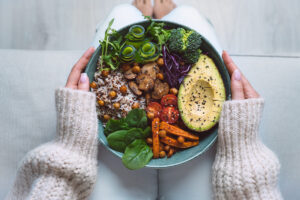

The much-celebrated Mediterranean Diet – characterised by an abundance of fresh vegetables, fruits, legumes, whole grains, nuts, olive oil, and fish – has long been lauded for its heart and brain health benefits. But mounting research suggests that this eating pattern may also help reduce the risk of certain cancers. Here’s a fresh look at how and why the Mediterranean diet might help lower your cancer risk, especially meaningful for women over 50 who are seeking simple yet effective habits to support long-term health.
Why Diet Matters in Cancer Risk
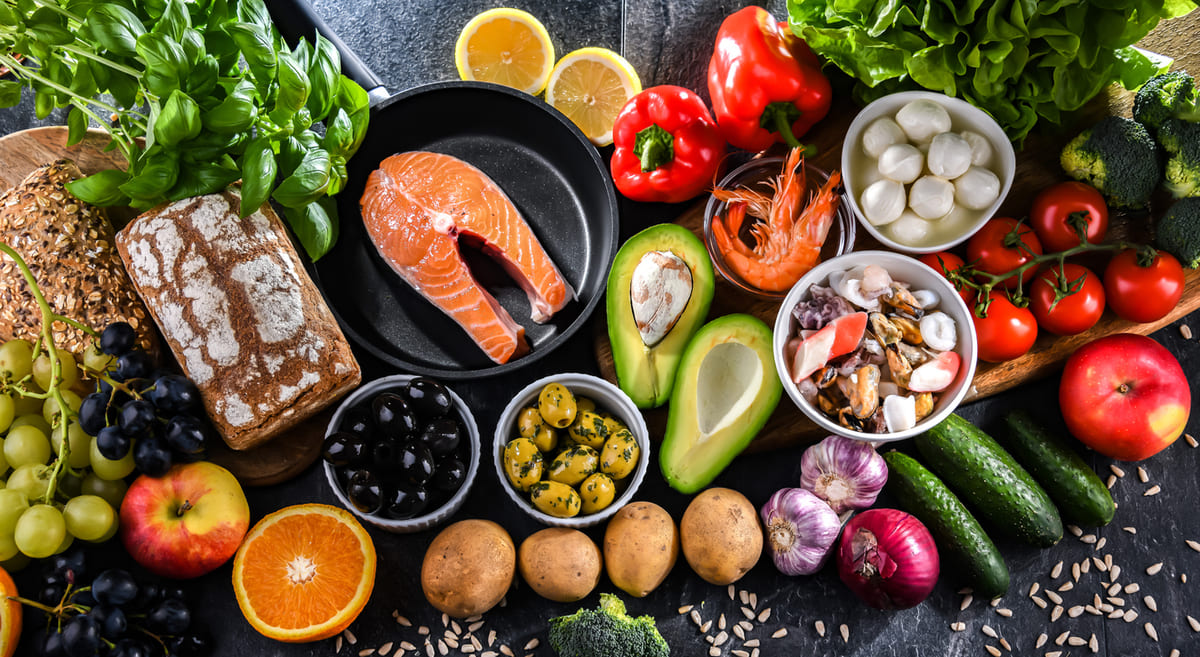
Cancer doesn’t stem from one single cause, but rather from a complex interplay of factors like oxidative stress, chronic inflammation, hormonal imbalances, excess body fat, and repeated cellular damage. Diet influences many of these pathways. For instance, excessive consumption of red and processed meats, refined sugars, and ultra-processed foods tends to promote inflammation and DNA damage. On the flip side, whole-food, plant-rich patterns supply antioxidants, fibre, beneficial fats, and bioactive compounds that help shield cells from damage and support healthy cell signalling.
In particular, for women over 50, shifts in hormone levels, accumulated damage over the years, and changes in body composition make cancer-risk-strategies all the more relevant.
What the Evidence Says
Several extensive observational studies and meta-analyses have consistently found associations between higher adherence to the Mediterranean diet and lower cancer incidence and mortality.
- A systematic review of 83 studies involving over 2.1 million participants found that people with higher adherence to the Mediterranean diet had about a 14 % lower risk of cancer mortality.
- A large cohort study of over 440,000 participants in the European Prospective Investigation Into Cancer and Nutrition (EPIC) Study found that high adherence to a Mediterranean-type diet was associated with a significant reduction in obesity-related cancers – and this effect held even when accounting for body weight and fat distribution.
- A dose–response meta-analysis focused on gastric cancer found that the highest vs the lowest adherence to the Mediterranean diet was associated with a 29 % lower risk of gastric (stomach) cancer. Each 1-point increase in the Mediterranean diet score (on a standard scale) was associated with about a 5% lower risk.
In short, even apart from weight loss, the dietary pattern itself seems to deliver protective benefits. That means for women over 50, adopting the pattern can be valuable even without dramatic changes in body size.
What’s Going on Inside Your Body

How does the Mediterranean diet help reduce cancer risk? Here are key mechanisms:
- Anti-inflammatory and antioxidant load: Many Mediterranean-diet foods are rich in polyphenols, flavonoids, vitamin E, carotenoids, and other compounds that neutralise free radicals and lower oxidative stress – both of which can damage DNA and promote precancerous changes. (MDPI)
- Improved insulin sensitivity and metabolic health: With ageing (and especially after menopause), women often experience shifts in insulin sensitivity and fat distribution. This diet helps moderate those changes, reducing hyperinsulinaemia and the growth-promoting effects of high insulin/glucose on cells.
- Reduced harmful exposures: The Mediterranean pattern tends to minimise ultra-processed foods, excessive red/processed meats, and high-sugar drinks – all of which have been implicated in higher cancer risk.
- Better gut health and fibre content: High fibre from whole grains, legumes, nuts and vegetables supports healthy gut bacteria and regular bowel function – factors linked with lower colorectal cancer risk in particular.
- Stable body composition without forcing weight loss: The EPIC study found the benefit held even when body mass index (BMI) didn’t change. That suggests the pattern itself may protect cells regardless of whether major weight loss happens.
Practical Steps for Women Over 50
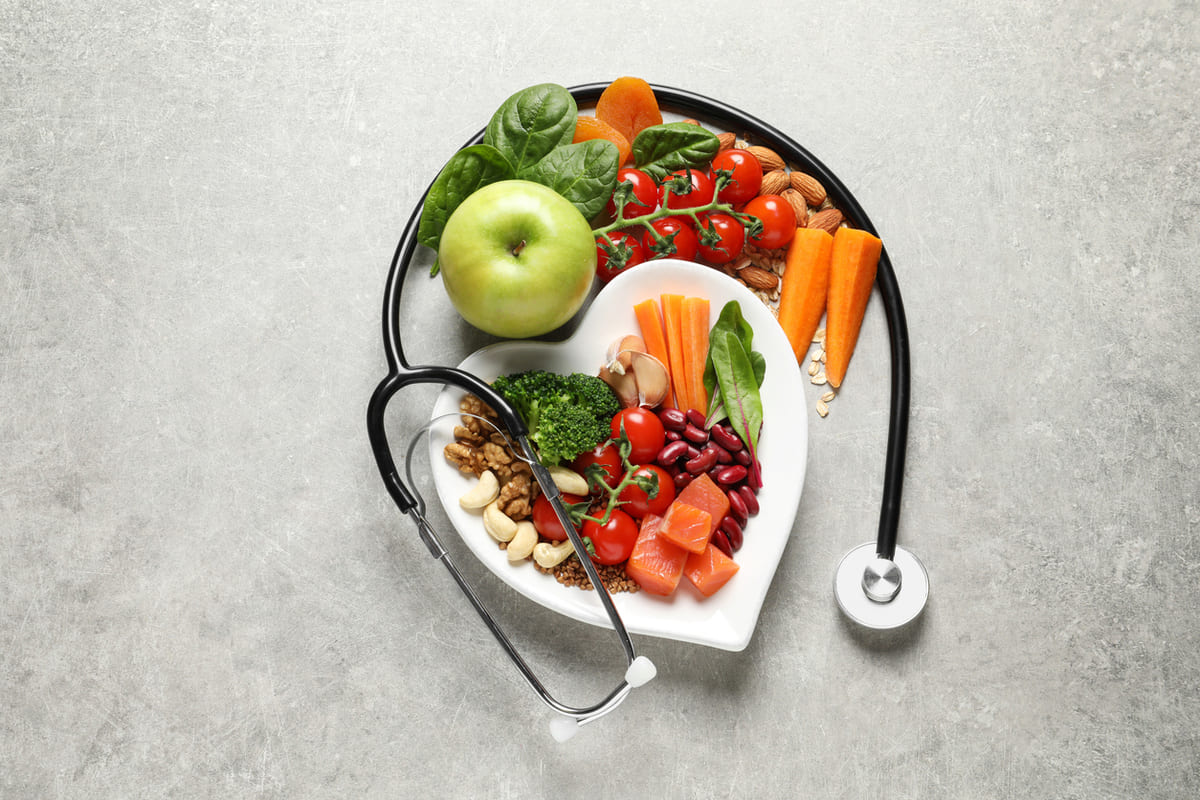
You don’t have to adopt a radically new diet overnight. Here’s how to ease into the Mediterranean pattern in accessible, sustainable ways:
- Make olive oil your go-to fat: Use 2–4 tablespoons of extra-virgin olive oil daily – unheated when possible (to preserve antioxidants) and also as dressing or finishing oil.
- Prioritise colour with produce: Fill half your plate with vegetables (leafy greens, broccoli, tomatoes, peppers) and add one or two servings of fruit. The more colour variation, the greater the variety of phytonutrients.
- Go for legumes and whole grains: Swap some meat portions for lentils, beans, or chickpeas 2–3 times a week. Replace refined grains with whole-grain breads, brown rice, quinoa, or whole-wheat pasta.
- Include fatty fish and nuts: Aim for fatty fish such as salmon, sardines, or mackerel once or twice a week for omega-3 fatty acids. Also include nuts, which are a good source of omega-3 fatty acids. Add a handful of almonds, walnuts, or pistachios each day.
- Limit red meat and processed foods: Make red meat an occasional treat rather than a daily choice. Minimise processed meats, sugary drinks, sweets, and ultra-processed snacks.
- Enjoy social and mindful meals: The Mediterranean lifestyle is about more than food; it also emphasises relaxed, social eating, adequate rest, and physical activity. This supports overall resilience.
- Adapt it to you: Even moderate adherence matters. Research suggests that modest shifts in pattern (rather than perfection) already confer benefit.
Final thoughts
For women over 50 aiming to reduce cancer risk, embracing the Mediterranean diet offers a scientifically-grounded, practical path that supports multiple health domains simultaneously – heart, metabolic, cognitive, and cellular health. While no diet can guarantee prevention of cancer, this pattern stacks the odds in your favour by enriching protective supplies, reducing risk exposures, and helping restore balance in ageing cells and systems.
Remember: It’s not about perfection; it’s about consistency. Choosing olive oil-based cooking, eating more colourful plants, limiting processed foods, and making meals a pleasure, not a stress, are small but powerful steps. Over time, these habits accumulate into meaningful protection.
Read Next:
Nutritious and Delicious Meal Ideas for the Holiday Season