
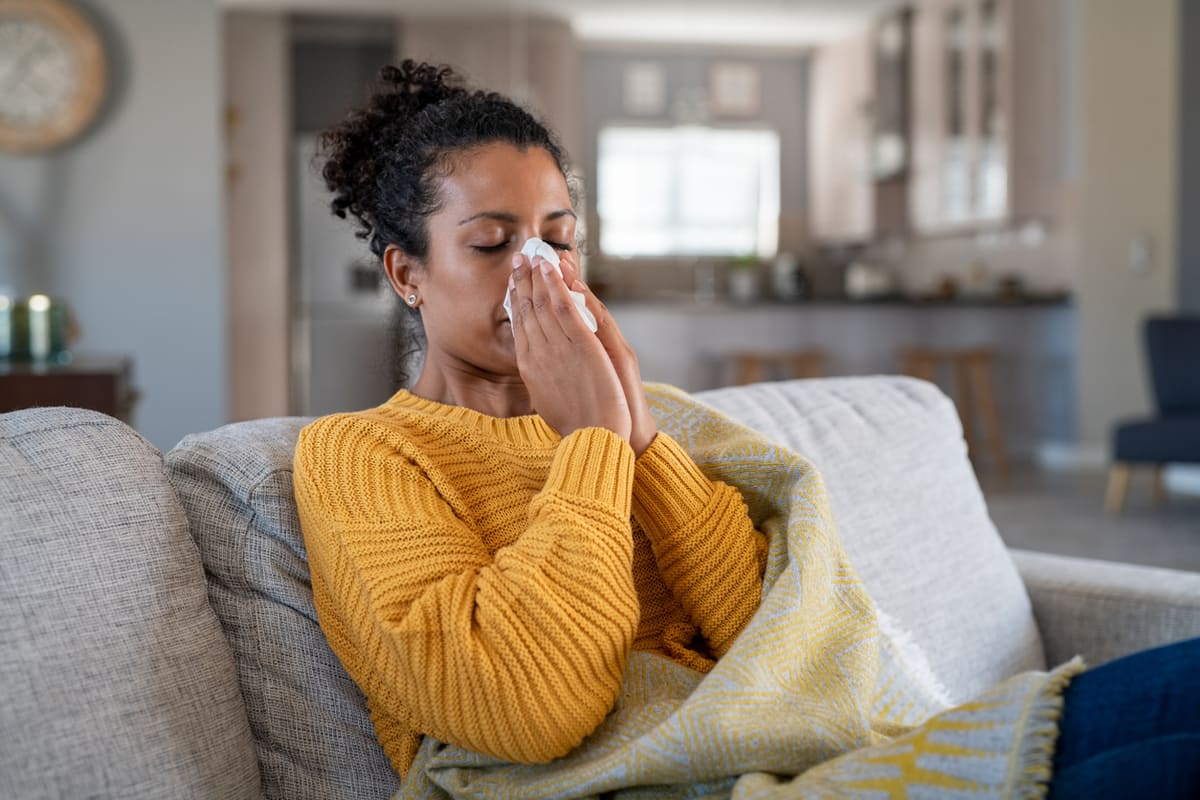
When most people think about allergies, they picture spring pollen or fall ragweed. However, for many adults, winter can be just as challenging. Winter allergies are common, especially because people spend more time indoors, where allergens accumulate more easily. Symptoms such as congestion, sneezing, itchy eyes, and fatigue can persist for months if left unmanaged.
What Causes Winter Allergies?
Winter allergies are usually triggered by indoor allergens rather than outdoor pollen. As homes are sealed up to keep out the cold, dust mites thrive in bedding and carpets, mold grows in damp areas like bathrooms and basements, and pet dander builds up as animals spend more time indoors. Heating systems can circulate allergens through the air, while dry winter air can irritate nasal passages, worsening allergy symptoms.
Unlike a cold, which typically resolves within a week or two, allergy symptoms linger as long as exposure continues. People with winter allergies often experience ongoing nasal congestion, postnasal drip, sneezing, sinus pressure, itchy eyes, and a general sense of fatigue. Fever and body aches are uncommon with allergies and are more likely to indicate an infection.
How to Prevent Winter Allergies

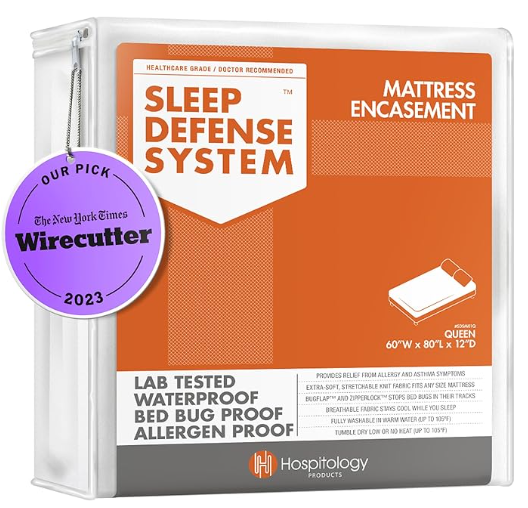
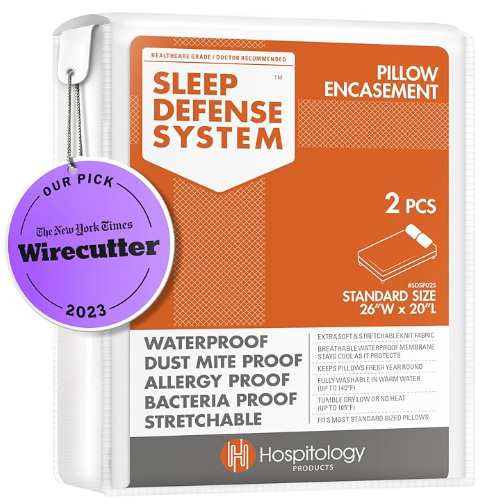
Prevention is one of the most effective ways to manage winter allergies. Washing bedding weekly in hot water helps eliminate dust mites, while allergen-proof covers on mattresses and pillows prevent allergens from settling in. Keeping indoor humidity between 30 and 50 percent discourages both dust mites and mold growth, while regular vacuuming with a HEPA-filter vacuum removes allergens from carpets and upholstery.
It’s also helpful to clean humidifiers frequently, ventilate bathrooms and kitchens to prevent moisture buildup, and groom pets regularly to reduce dander. Even small adjustments in cleaning routines can significantly reduce exposure and improve symptoms.
Prevention focuses on reducing indoor allergen exposure.
Practical Prevention Tips (a summary)
- Wash bedding weekly in hot water (130°F or higher)
- Use allergen-proof mattress and pillow covers
- Vacuum carpets and upholstery with a HEPA-filter vacuum
- Keep indoor humidity between 30–50%
- Clean humidifiers regularly
- Bathe pets weekly if allergies are pet-related
- Ventilate bathrooms and kitchens to reduce mold
Natural and Holistic Treatment Options
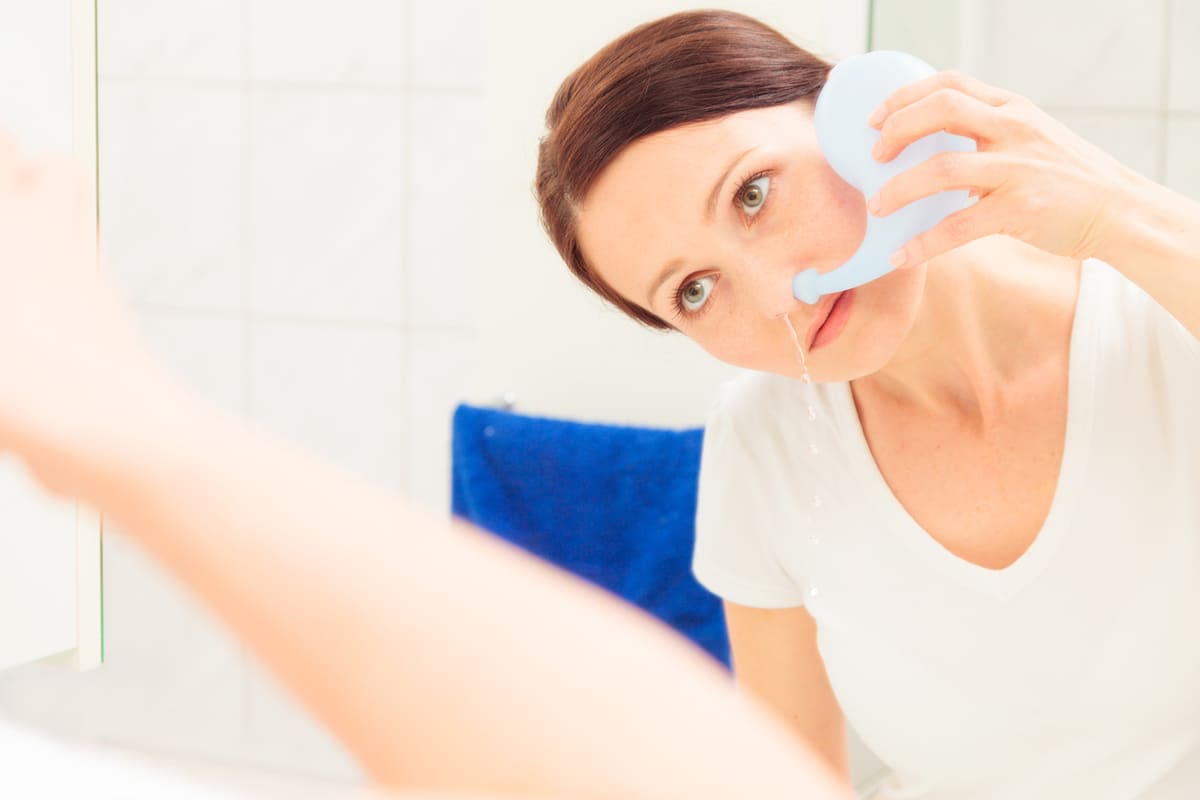
Many people prefer to start with natural remedies, especially for mild to moderate winter allergies. Saline nasal rinses are one of the most effective options, as they flush allergens from the nasal passages and reduce congestion. Steam inhalation can also soothe irritated sinuses, while staying well hydrated helps thin mucus and improve drainage.
Some supplements may provide additional support. Quercetin, a plant compound found in apples and onions, acts as a natural antihistamine. Butterbur extract has been shown to reduce nasal inflammation, and probiotics can help balance the immune system. Raw local honey is often used as a gentle way to support immune tolerance, although results vary from person to person. Together with an anti-inflammatory diet and adequate sleep, these approaches can make a noticeable difference.
OTC and Prescription Treatment Options

When natural methods aren’t enough, over-the-counter medications can be very effective. Antihistamines help reduce sneezing, itching, and runny noses, while nasal corticosteroid sprays address inflammation and congestion at the source. Decongestants may provide short-term relief but should be used sparingly to avoid rebound congestion. Antihistamine eye drops can relieve itchy, watery eyes caused by indoor allergens.
For persistent or severe symptoms, prescription options may be necessary. Stronger nasal sprays, leukotriene modifiers, or allergy immunotherapy (either shots or tablets) can offer long-term relief by retraining the immune system. Adults over 50 should always check with a healthcare provider before starting new medications, particularly if they have chronic health conditions.
10 Recommended Products for Winter Allergy Relief
Dust Mite-Proof Pillow and Mattress Covers – Essential for prevention
NeilMed Sinus Rinse Kit – Gentle, effective saline irrigation
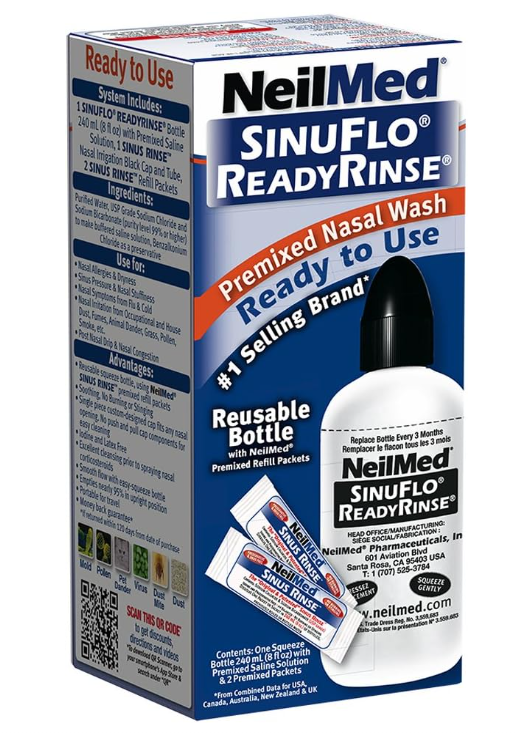
Neil Med SinuFlo Ready Rinse, $8.44
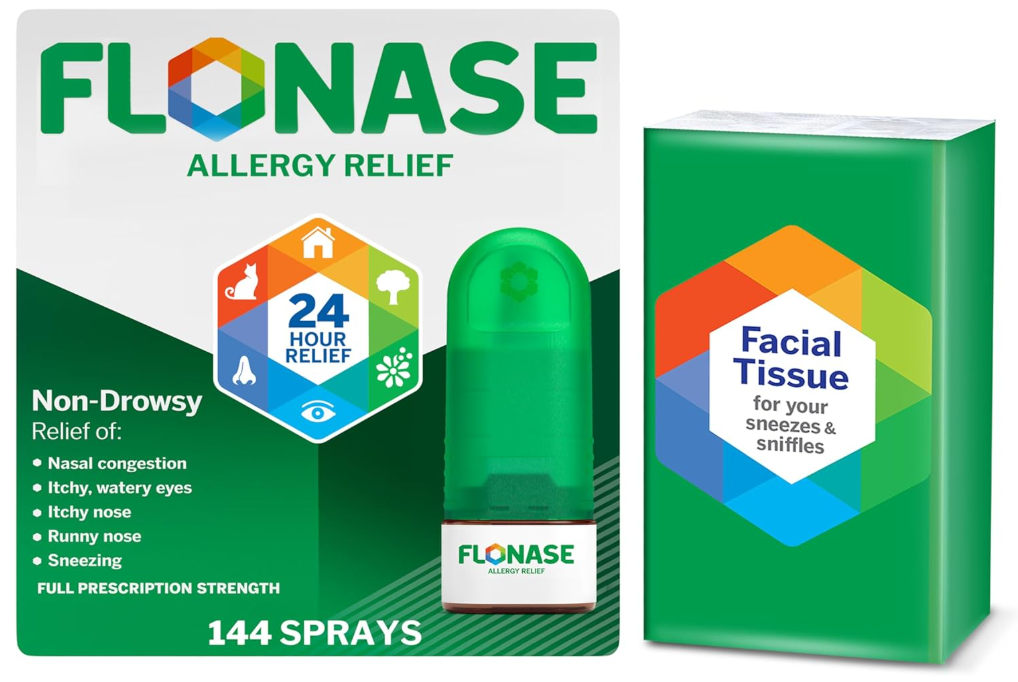
Flonase Allergy Relief Nasal Spray – Gold standard for nasal inflammation
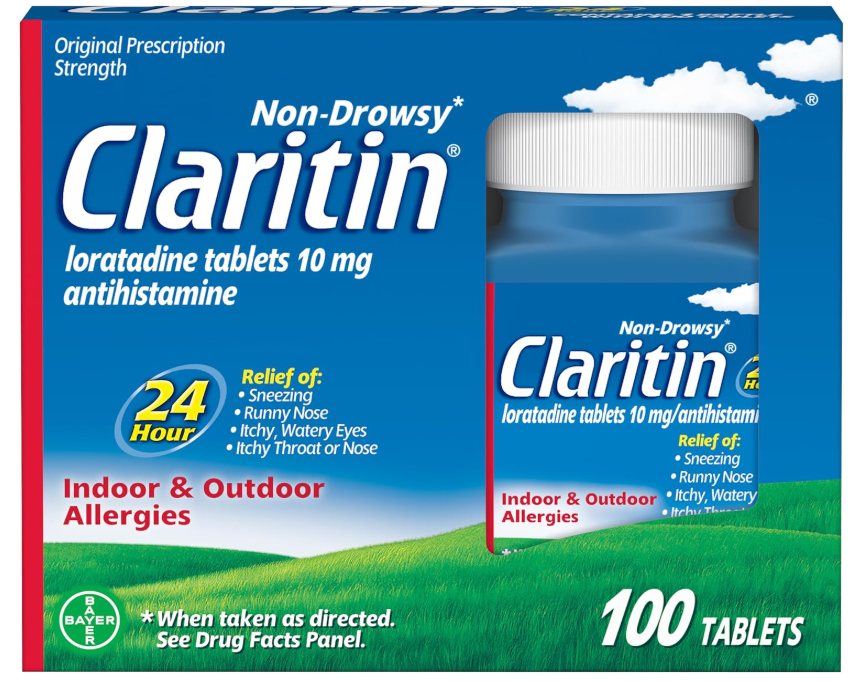
Claritin (Loratadine) – Non-drowsy daily antihistamine
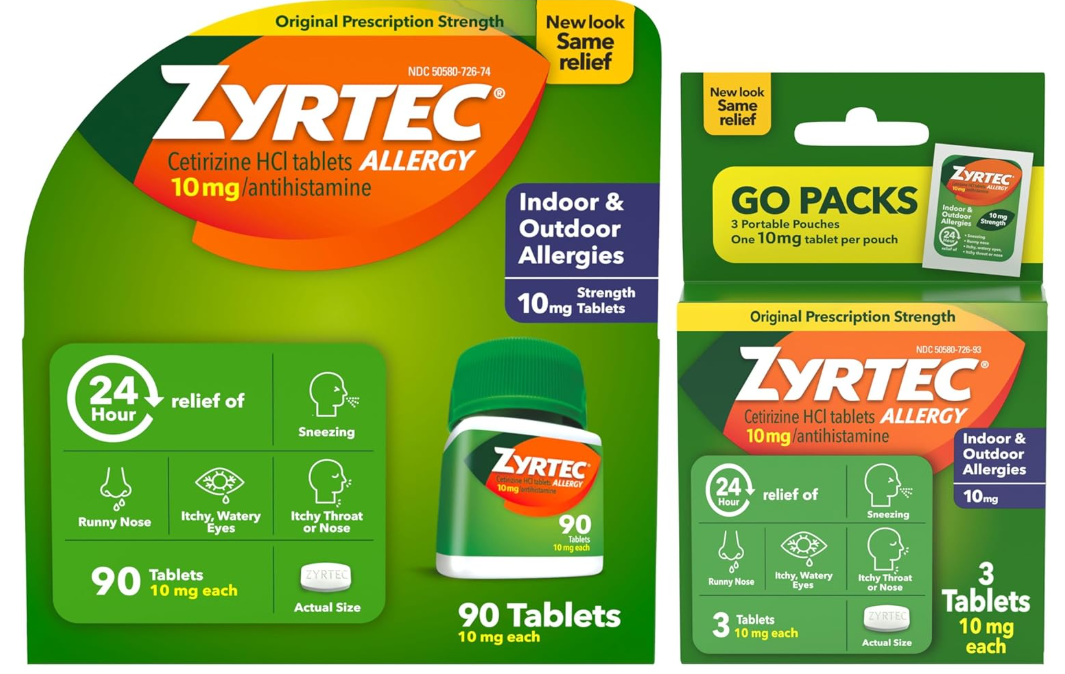
Zyrtec (Cetirizine) – Strong relief for persistent symptoms
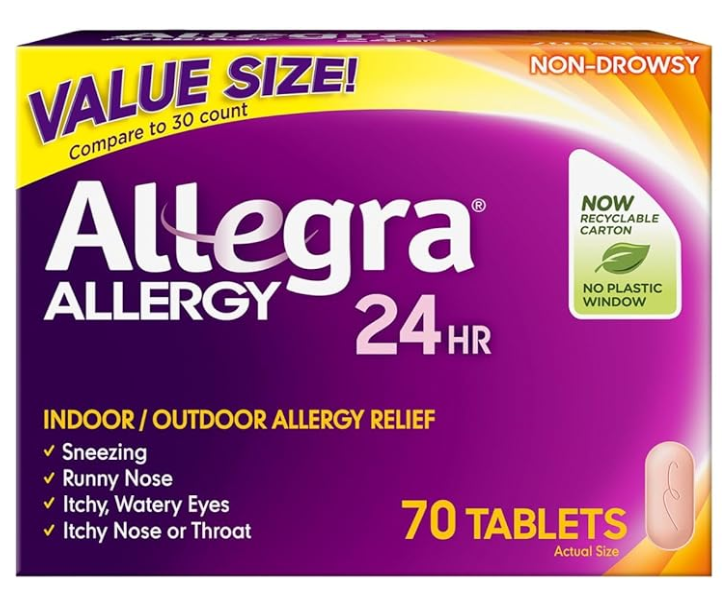
Allegra (Fexofenadine) – Long-lasting, non-sedating option
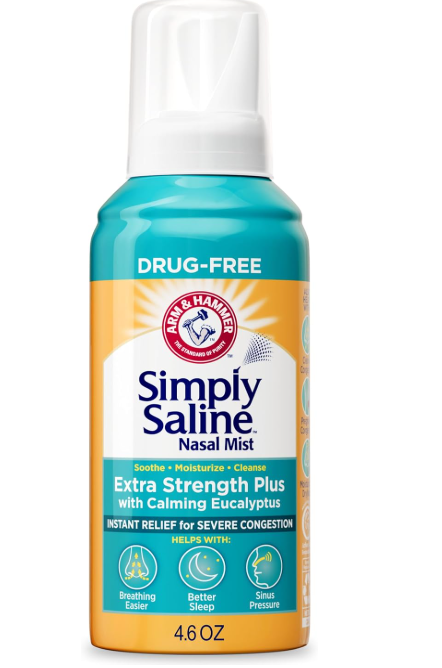
Arm & Hammer Simply Saline Spray – Preservative-free nasal moisture
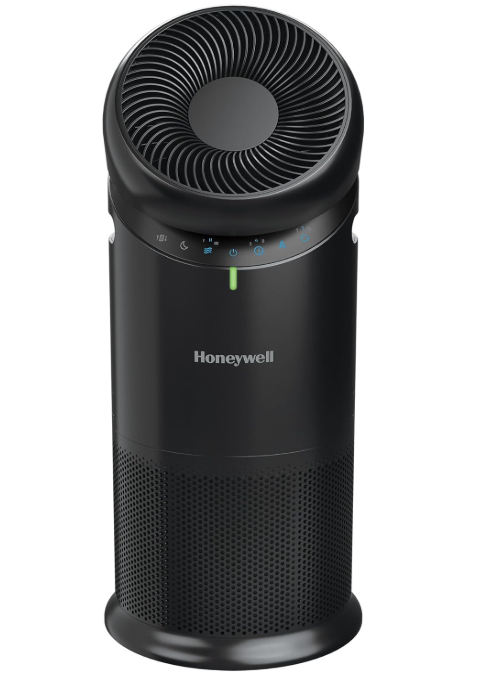
Honeywell HEPA Air Purifier – Cleanable pre-filter captures dust and pet hair; certified HEPA filter removes up to 99.97% of allergens; carbon filter reduces odors and VOCs
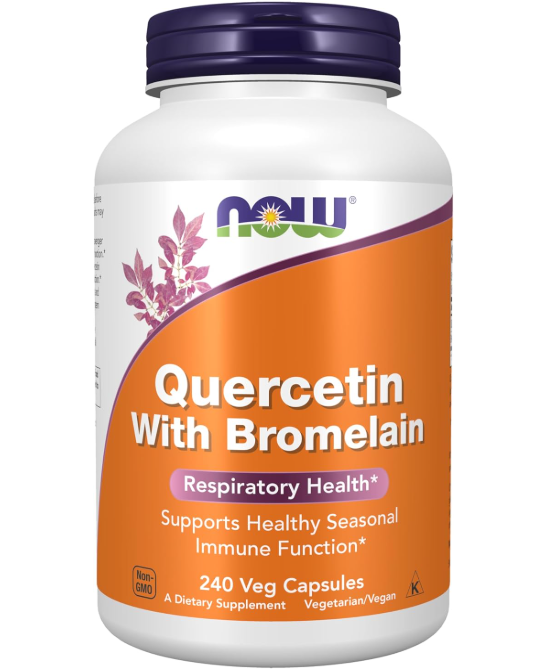
NOW Quercetin with Bromelain – Natural immune support supplement
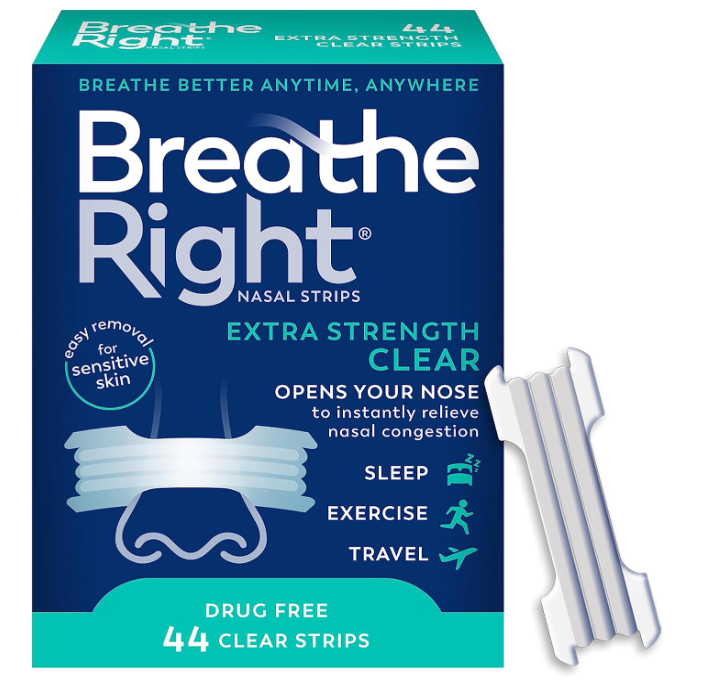
Breathe Right Nasal Strips – Improves airflow at night
Final Thoughts
Winter allergies may be less talked about than seasonal allergies, but they are just as disruptive. By addressing indoor triggers, maintaining a clean and balanced home environment, and using a combination of natural remedies and medical treatments, it’s possible to control symptoms and feel better all winter long. If symptoms return year after year or interfere with daily life, working with an allergist can help create a personalized, long-term solution.