
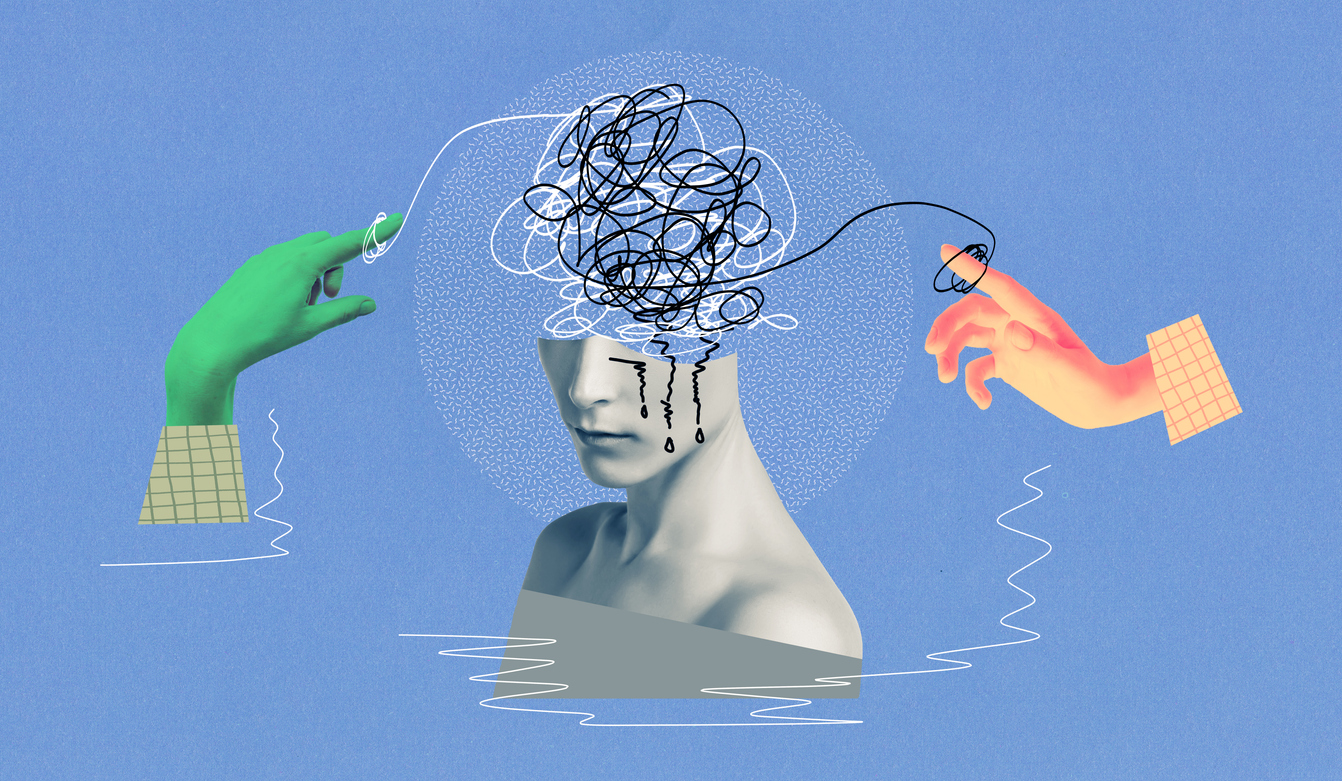
As women age, occasional memory lapses—misplacing keys, forgetting names—are common. But when cognitive slips become frequent, persistent, or interfere with daily life, they may signal more serious decline. Recognizing early warning signs can make a big difference in outcomes, and being aware of the scale of the problem helps underscore its urgency.
How Many People Are Affected: A Global & U.S. Snapshot
Worldwide burden: Over 55 million people globally were living with dementia around 2020. That number is projected to nearly double by 2030 (≈78 million) and more than double again by 2050, reaching ~139 million people.
New cases: Each year, there are more than 10 million new cases of dementia globally.
In the U.S.: Around 7.2 million Americans age 65 and older are living with Alzheimer’s disease as of 2025. About 1 in 9 people in that age group (≈11%) has Alzheimer’s.

Women & Alzheimer’s / Dementia: Disproportionate Impact
- Women make up almost two-thirds of Americans living with Alzheimer’s. For example, of those 7.2 million U.S. residents aged 65+ with Alzheimer’s, roughly 4.4 million are women.
- Among U.S. seniors (age 65+), the lifetime risk of a woman developing Alzheimer’s is estimated to be about 1 in 5, compared to about 1 in 10 for men.
- At age 65, women are more than twice as likely to develop Alzheimer’s over the remainder of their lives than to develop breast cancer.
Why the Gender Disparity? Possible Contributing Factors
While longer life expectancy in women is often cited as a major factor (since age is the greatest risk factor for Alzheimer’s), researchers believe other biological, hormonal, and social factors are also involved. Some hypotheses or findings:
- Hormonal changes (e.g., estrogen decline during/after menopause) may play a role.
- Genetic variations might increase risk in women after a certain age.
- Differences in education, lifestyle, and exposure to cardiovascular risk factors influence risk.
7 Signs of Cognitive Decline to Watch For
Understanding the early signs of cognitive decline can help women take action sooner, supporting brain health and quality of life.
1. Memory Problems That Disrupt Daily Life
Everyone forgets things now and then. However, repeatedly forgetting recent events or important appointments, relying on notes or phone reminders far more than before, or asking the same questions multiple times can indicate mild cognitive impairment (MCI)—often an early stage of dementia.
What to do: Keep a memory journal and discuss noticeable changes with a healthcare provider. Early evaluation can reveal treatable causes like vitamin deficiencies or thyroid imbalances.
2. Difficulty with Planning or Problem-Solving

Struggling with familiar tasks such as paying bills, following recipes, or managing a budget can be a red flag. Women who were once comfortable multitasking may suddenly feel overwhelmed by routine planning or decision-making.
Tip: Track patterns—are problems happening occasionally or regularly? Consistent difficulty warrants a medical checkup.
3. Language and Communication Challenges
A sign often overlooked is trouble finding the right word, following conversations, or repeating oneself without realizing it. These changes differ from the occasional tip-of-the-tongue moment; they’re persistent and increasingly disruptive.
4. Disorientation in Time or Place
Missing appointments because you lost track of the day, getting lost on familiar routes, or confusing seasons and dates can indicate cognitive decline. For active women, such lapses can be unsettling and increase safety risks.
5. Poor Judgment and Decision-Making
Noticeable changes in financial choices, grooming, or safety awareness—such as giving away large sums of money, dressing inappropriately for the weather, or neglecting personal hygiene—may point to dementia-related changes in the brain’s frontal lobes.
6. Withdrawal from Social Activities
Cognitive decline can bring frustration and embarrassment, leading some women to avoid social gatherings, hobbies, or favorite clubs. While occasional solitude is normal, persistent withdrawal should be taken seriously.
7. Changes in Mood or Personality
Irritability, anxiety, depression, or sudden mood swings may reflect underlying neurological changes rather than purely emotional causes. Women often attribute these shifts to stress or menopause, delaying medical attention.
Why Early Detection & Action Are Crucial
- Some causes of cognitive decline are treatable or reversible, such as vitamin deficiencies, thyroid problems, medication side effects, or depression.
- Even with Alzheimer’s or other progressive dementias, early diagnosis means access to therapies, planning, and lifestyle changes that can slow progression and improve quality of life.
- Given the rapidly growing numbers globally and in the U.S., early detection is also essential from a public-health perspective: reducing burden on families, caregivers, and health systems.
What Women Can Do to Protect Brain Health

- Maintain cardiovascular health; control blood pressure, blood sugar, and manage cholesterol.
- Stay mentally active—learning new things, social engagement, and creativity.
- Prioritize quality sleep and manage stress.
- Exercise regularly and eat a brain-healthy diet (e.g., Mediterranean style).
- Regular health checkups with attention to risk factors (hearing loss, depression, etc.).
Key Takeaway
Cognitive decline is more than just “getting older”. For many women, the risk of Alzheimer’s and dementia is significantly higher, both because of longer lifespan and other factors still under study. Recognizing early signs, seeking assessment, and adopting preventive steps are powerful tools. With global numbers rising fast, taking action matters not just for individuals, but for families and communities.
Read Next:
Can Fish Oil Make You Smarter? How Omega-3s Help Your Brain Grow New Cells