Walking has always been recommended as the perfect exercise for women over 50. But here is the thing: regular walking might not be enough to protect your bones, build muscle, or boost your metabolism the way your body needs after menopause. Rucking changes that. This simple twist on walking involves carrying weight in a backpack while you walk, and it is transforming how women over 50 approach fitness. You get the cardiovascular benefits of walking plus the bone-building power of strength training in one efficient workout that takes the same time as your regular walk.
WHAT IS RUCKING AND WHY DOES IT MATTER FOR WOMEN OVER 50
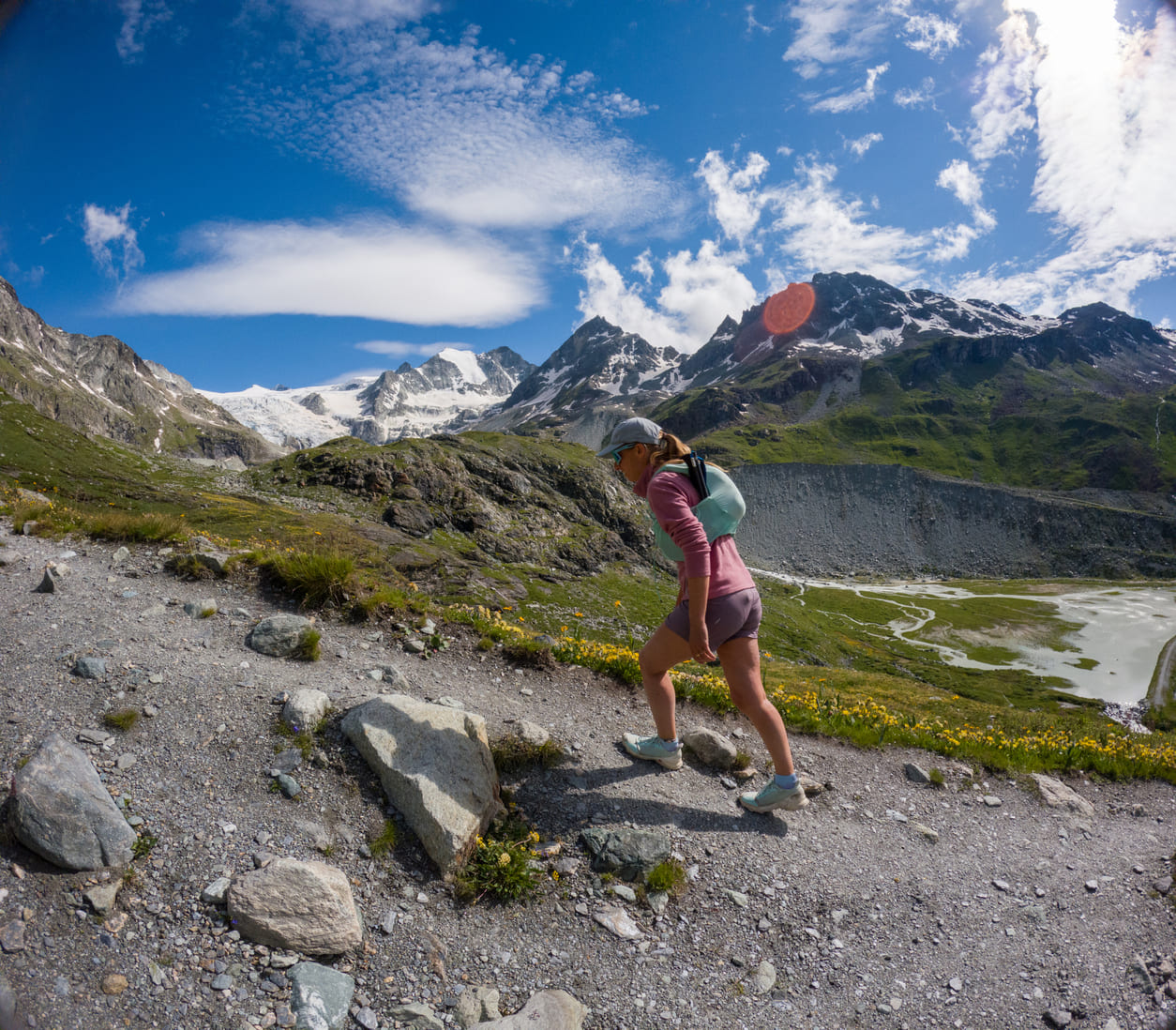
Rucking is simply walking or hiking while carrying weight in a backpack or weighted vest. The term comes from military training, where soldiers carry rucksacks loaded with gear during long marches. Civilians have discovered that this straightforward activity delivers remarkable health benefits, especially for women navigating the physical changes that come after 50.
The beauty of rucking lies in its simplicity. You do not need a gym membership, special equipment beyond a backpack, or complicated instructions. You are already walking, so adding weight transforms an activity you know into a powerful fitness tool that addresses multiple health concerns at once.
Why the Timing Matters After 50
Women over 50 face specific physiological challenges that rucking directly addresses. After menopause, declining estrogen levels accelerate bone loss and make it harder to maintain muscle mass. Your metabolism slows down, making weight management more challenging. Traditional cardio exercises like walking, while beneficial, do not provide enough stimulus to maintain bone density or build the muscle you need as you age.
Rucking fills this gap perfectly. The added weight creates mechanical stress on your bones, which signals your body to maintain and even build bone density. The same weight challenges your muscles, particularly in your legs, core, and upper body. Meanwhile, your cardiovascular system works harder than it would during a regular walk, giving you efficient, time-saving exercise that checks multiple boxes.
THE BONE DENSITY BENEFITS THAT MAKE RUCKING ESSENTIAL AFTER MENOPAUSE
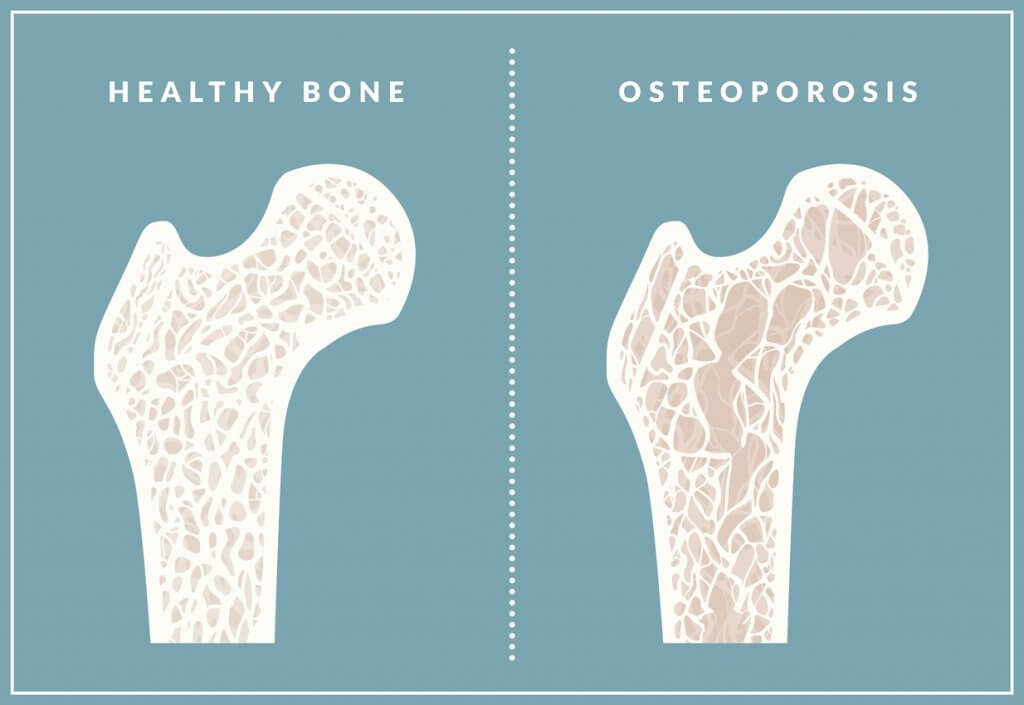
Bone health becomes a critical concern for women after menopause. Osteoporosis affects millions of women, and the consequences of fractures can be life-altering. Weight-bearing exercise is the single most effective way to combat bone loss, and rucking delivers this in the most practical form possible.
How the Bone-Building Process Works
Your bones respond to mechanical stress by activating osteoblasts, the cells responsible for building new bone tissue. When you walk with added weight, the compressive forces on your spine and the impact forces through your legs and hips create the stimulus your bones need to maintain their structure and strength.
Research on postmenopausal women who trained with weighted vests showed that they maintained their bone density while women who exercised without added weight experienced bone loss. A 5-year study found that women who wore weighted vests and did jumping exercises three times per week for 32 weeks of the year maintained hip bone density, while the control group lost bone mass.
The earlier you start rucking, the better your long-term outcomes. However, even if you are already experiencing bone loss, rucking can help slow or reverse the process when combined with adequate calcium and vitamin D intake.
Which Bones Benefit Most
Rucking particularly strengthens the bones most vulnerable to osteoporotic fractures. Your spine experiences compressive loading from the backpack weight. Your hips and femur (thigh bone) absorb impact forces with each step. These are precisely the areas where fractures have the most serious consequences for older women.
Medications That Affect Bone Health
If you take medications for osteoporosis or other bone conditions, discuss rucking with your doctor. In most cases, rucking is beneficial and complements medication therapy. Your doctor may want to monitor your progress with bone density scans to track improvement.
Certain medications like corticosteroids can affect bone health. Your physician can advise whether rucking is appropriate while taking these medications.
HOW RUCKING BUILDS MUSCLE AND BOOSTS METABOLISM AFTER 50

Muscle loss, known as sarcopenia, accelerates after age 50. Women can lose 3-5% of their muscle mass per decade after age 30, with the rate increasing after menopause. This muscle loss slows your metabolism, makes everyday activities harder, and increases fall risk.
Rucking acts as strength training disguised as a walk. The weighted backpack engages multiple muscle groups simultaneously. Your legs work harder to propel you forward and stabilize your body. Your core muscles constantly engage to keep your torso upright and balanced. Your upper back and shoulders support the weight of the pack.
The added weight increases the intensity of your walk substantially. Research shows that carrying 20% of your body weight increases your calorie burn by at least 20%. Some studies suggest rucking burns approximately three times more calories than regular walking at the same pace.
The Metabolic Advantage
Building and maintaining muscle tissue directly impacts your metabolic rate. Muscle burns more calories at rest than fat tissue does. When you build muscle through rucking, you increase your baseline metabolism, making weight management easier even on days when you do not exercise.
The metabolic benefits extend beyond calorie burning. The muscular work involved in rucking improves insulin sensitivity and helps regulate blood sugar levels. This becomes increasingly important after 50, when the risk of developing type 2 diabetes rises significantly.
Functional Strength for Daily Life
The strength you build through rucking translates directly to everyday activities. Carrying groceries becomes easier. Lifting grandchildren feels manageable. Getting up from a chair requires less effort. This functional fitness helps you maintain independence and quality of life as you age.
CARDIOVASCULAR BENEFITS WITHOUT THE JOINT IMPACT OF RUNNING
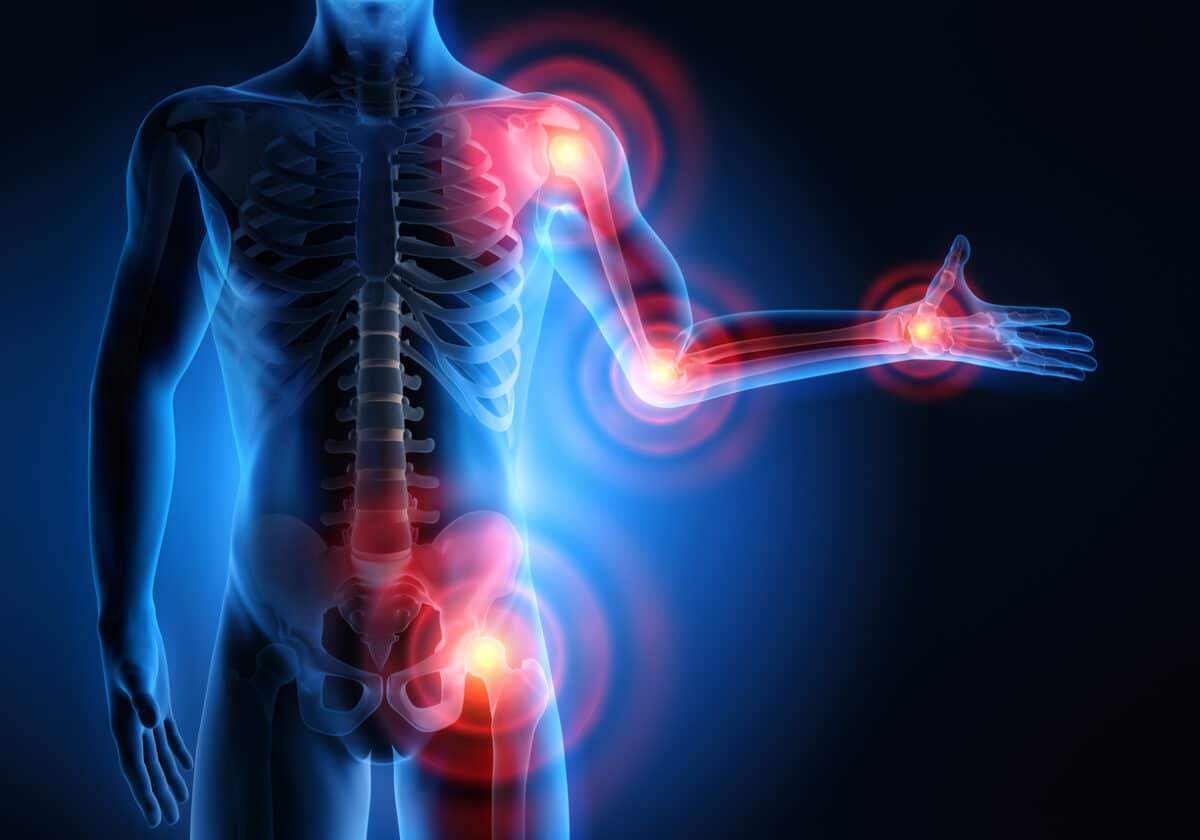
Your cardiovascular system needs regular challenge to stay healthy, and this becomes even more important after menopause when heart disease risk increases dramatically. Rucking elevates your heart rate more than regular walking while remaining much gentler on your joints than running.
The cardiovascular intensity of rucking depends on the weight you carry and your walking pace. Studies show that rucking provides robust cardiovascular benefits, improving both heart health and aerobic capacity. You can adjust the difficulty by changing the weight in your pack or your walking speed, making it easy to progress over time.
Why Joint Health Matters More After 50
Many women over 50 deal with some degree of arthritis or joint sensitivity. Running and high-impact exercises can exacerbate these issues, making them unsustainable long-term options. Rucking offers a middle ground that challenges your cardiovascular system without pounding your joints with repetitive high impacts.
The injury rate for rucking is significantly lower than for running or contact sports. Research indicates that rucking is about as safe as walking when you keep the weight below one-third of your body weight. One study found that soldiers followed for a year were less likely to get injured from rucking compared to running or traditional weight lifting.
Experts estimate that rucking is 167% more gentle on knee joints than running. For women with knee concerns or past injuries, this makes rucking an accessible option that still delivers serious fitness results.
Improving Cardiovascular Endurance
Regular rucking sessions improve your cardiovascular endurance, making everyday activities less tiring. Climbing stairs, walking long distances, and keeping up with grandchildren all become easier as your aerobic capacity improves. One study found that just 10 weeks of weighted walking improved both exercise performance and people’s confidence in their physical abilities.
MENTAL HEALTH AND STRESS RELIEF FROM RUCKING OUTDOORS
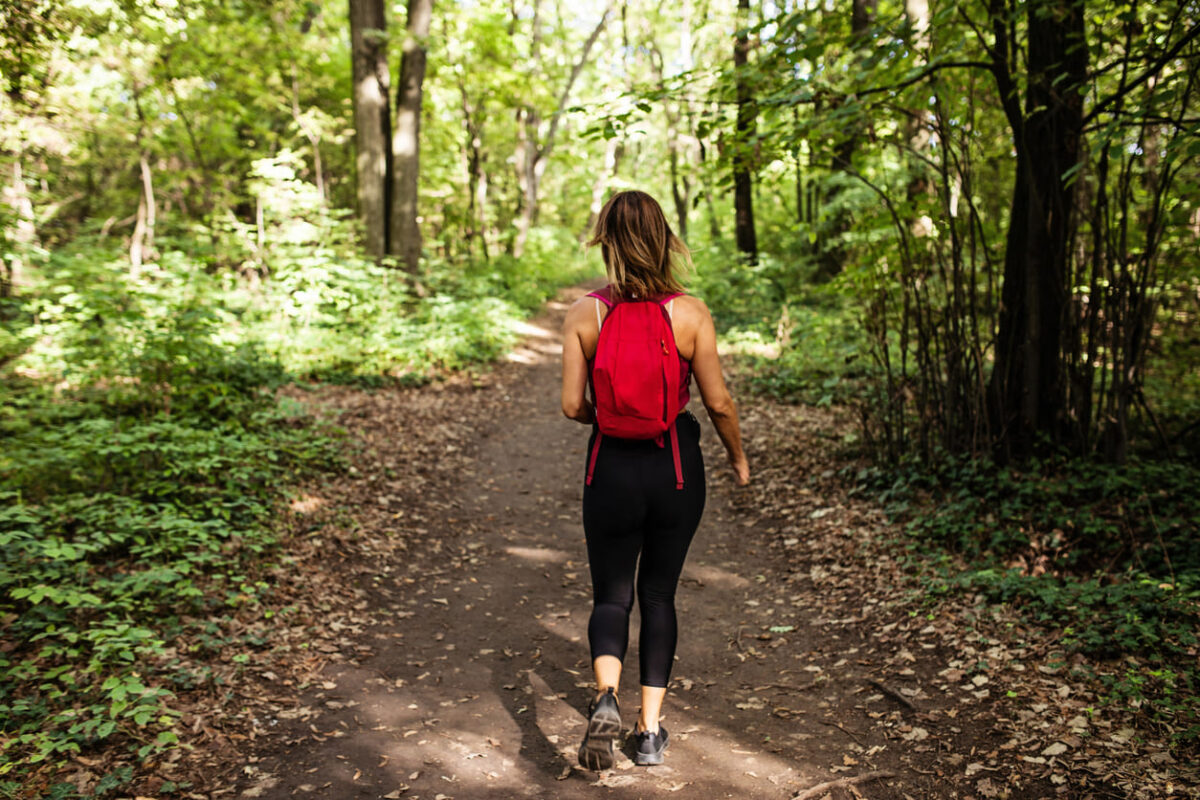
The mental health benefits of rucking deserve as much attention as the physical benefits. Exercise triggers production of short-chain fatty acids by beneficial gut bacteria, which communicate directly with your brain to reduce inflammation and boost mood. Walking outdoors amplifies these benefits through exposure to nature, fresh air, and natural light.
Rucking often takes place outdoors, providing the added benefit of nature exposure. Research consistently shows that time spent in natural environments reduces stress levels, lowers blood pressure, and improves overall mental clarity. The combination of physical exertion, fresh air, and natural scenery creates a powerful mood-boosting experience.
The Focused Nature of Rucking
Carrying weight requires focus and presence. You pay attention to your posture, your foot placement, and how your body feels under load. This mindful aspect of rucking can serve as a moving meditation, giving your mind a break from daily worries and mental chatter.
The sense of accomplishment that comes from completing a ruck with weight on your back builds confidence and self-efficacy. Many women report feeling stronger and more capable in other areas of their lives after establishing a regular rucking practice.
Building Social Connections
Rucking lends itself naturally to social activity. Walking and talking with friends while rucking creates opportunities for connection and conversation. Many communities have rucking groups specifically for women, providing both motivation and social support. These social connections contribute significantly to mental health and can make your rucking practice more sustainable long-term.
- GORUCK hosts free community events called Ruck Clubs in cities across the country. These weekly meetups welcome ruckers of all levels. Search for “GORUCK Ruck Club” plus your city name to find local groups.
- Facebook groups dedicated to women who ruck provide online community and local connections. Search for terms like “women rucking,” “rucking for women,” or “female ruckers” to find these groups.
- Some CrossFit gyms and outdoor fitness groups incorporate rucking into their programming. Local hiking clubs may also have members interested in weighted hiking.
ESSENTIAL GEAR: BACKPACKS AND WEIGHTED VESTS FOR WOMEN
The right gear makes a substantial difference in your rucking experience. While you can start with any backpack you own, investing in proper equipment becomes worthwhile once you commit to regular rucking.
Top Backpack Recommendations for Women
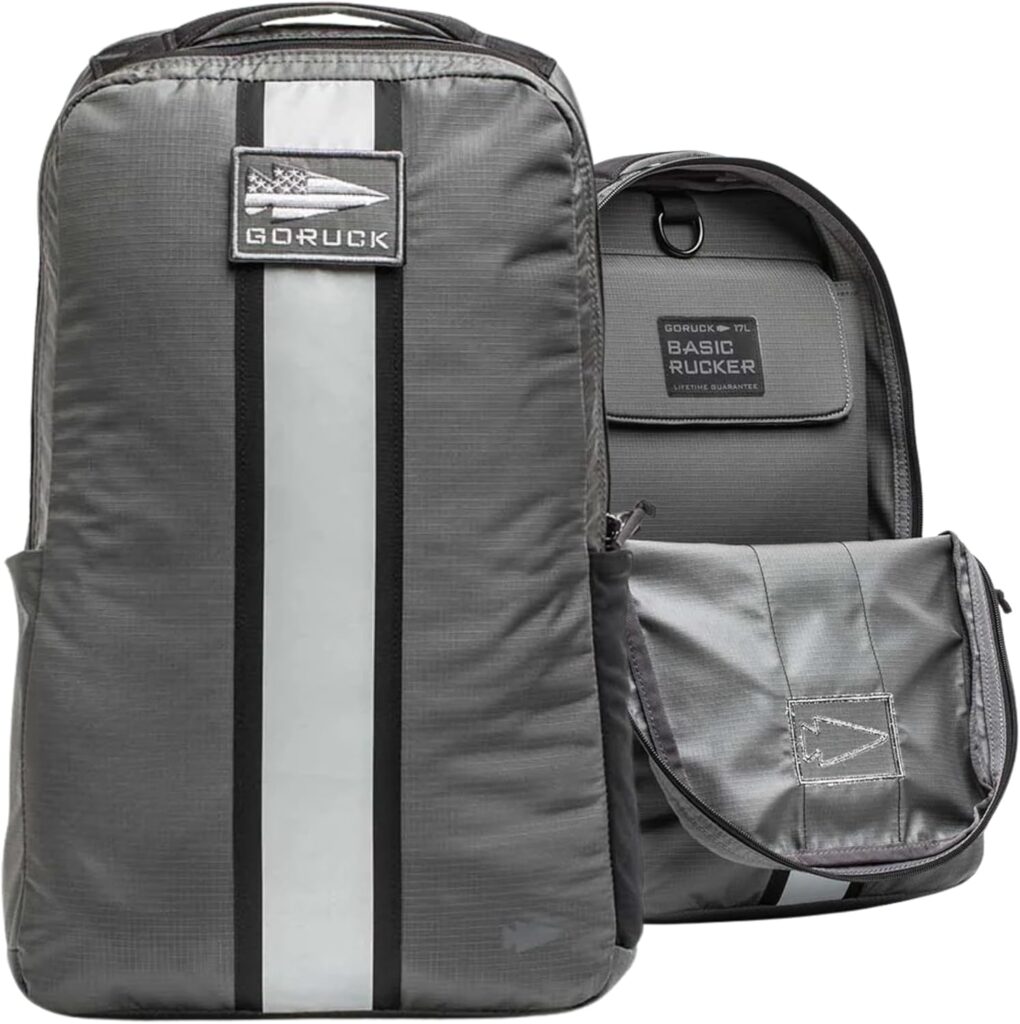
Purpose-built rucking backpacks are designed specifically for carrying weight plates. These backpacks have reinforced construction, dedicated plate pockets that keep weight high and close to your back, and comfortable padding in the straps and back panel.
GORUCK Rucker 4.0: This backpack is the gold standard for rucking. Version 4.0 includes lumbar padding, plate pockets that keep weight positioned high and tight, and extra-padded straps designed to avoid digging in when wearing a sports bra. Available in 15L, 20L, and 25L sizes. Price ranges from $255-$291. The 1000D Cordura construction ensures durability for years of use.
Hyper Ruck Rucking Backpack: This versatile 20-21L backpack offers patented features for both fitness and lifestyle use. It includes elevated padded sleeves for laptop, weight plates, or adjustable flexible plates. The bag includes a hydration bladder compartment and comes with a two-year limited warranty. Priced at $146.24 (regular $194.99).
Key Features to Look For
When selecting a backpack for rucking, prioritize these features:
• Adjustable, padded shoulder straps that do not dig into your shoulders or chest
• Hip belt to distribute some weight to your hips and reduce shoulder strain
• Dedicated plate pocket or weight compartment that keeps weight high and close to your upper back
• Durable construction with reinforced stitching and quality zippers (YKK zippers are reliable)
• Hydration bladder compatibility or water bottle pockets
• Appropriate size for your torso length (women typically need shorter torso options)
Weighted Vest Alternative
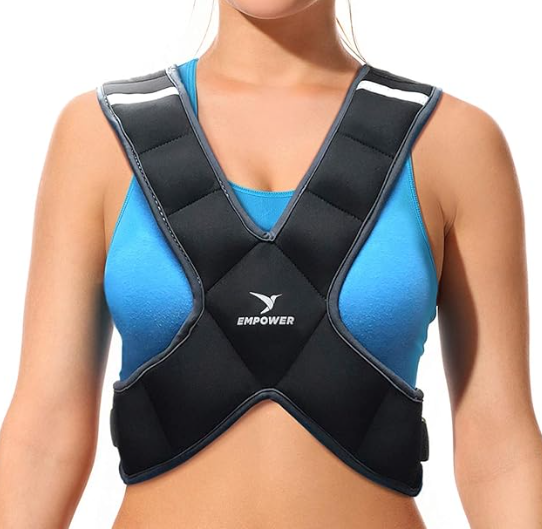
Some women prefer weighted vests over backpacks. Vests distribute weight evenly across your front and back, which some find more comfortable. They also free your shoulders from straps and make it easier to maintain good posture.
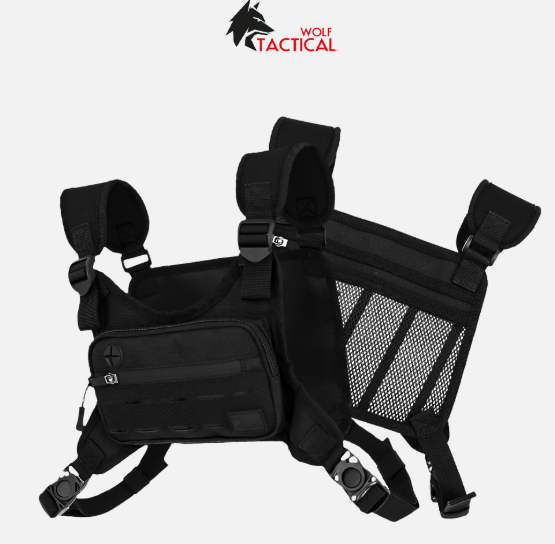
Quality weighted vests have pockets for adding or removing small weights, allowing you to adjust the total load precisely. Fit matters significantly with vests. You want one that fits snugly without shifting as you walk, but does not restrict your breathing or movement.
CHOOSING THE RIGHT WEIGHT PLATES AND HOW TO LOAD YOUR PACK
Weight plates designed for rucking are safer and more comfortable than improvised weights. Proper ruck plates are flat, compact, and designed to sit high in your pack without shifting or bouncing.
Weight Plate Recommendations
GORUCK Ruck Plates: These are purpose-built for rucking, with a flat design that sits comfortably against your back. They come in various weights from 10 pounds up to 45 pounds. The plates are expensive but extremely durable and designed to last indefinitely.
Yes4All Ruck Plates: These offer excellent value at $22-$62 depending on weight. They come in the “long” variation, which fits most modern rucking backpacks including the GORUCK Rucker. The downside is they only offer the long size, not the traditional smaller format.
Hyperwear Adjustable Flexible Weight Plates: These flexible plates allow you to adjust weight in half-pound increments, making progression more gradual. A pair of 10-pound plates gives you 20 pounds of fully adjustable weight. The flexible design provides comfort against your back.
Budget-Friendly Weight Options
If you want to try rucking before investing in plates, you can use items you already have. Barbell plates wrapped in a towel work adequately. Some people use bags of sand, books, or even water bottles. Just make sure whatever you use is secure and will not shift around or poke you as you walk.
Weigh your improvised weights so you know exactly how much you are carrying. Consistency matters for tracking your progress.
How to Load Your Pack Properly
The placement of weight in your pack significantly affects comfort and safety. You want the weight positioned high in your pack, close to your upper back between your shoulder blades. This placement keeps your center of gravity stable and makes the weight easier to carry.
If the weight sits too low in your pack, it pulls you backward, straining your lower back and forcing poor posture. Use the plate pocket in your rucking backpack, or if using a regular pack, place padding below your weight to prop it up high.
Make sure the weight cannot shift side to side. A weight that moves around as you walk throws off your balance and can cause injury, especially on uneven terrain.

WHAT TO WEAR: FOOTWEAR AND CLOTHING RECOMMENDATIONS

Footwear Matters Most
Your feet will thank you for wearing proper shoes when rucking. You need supportive, comfortable shoes that can handle walking for extended periods. The added weight in your pack increases the forces on your feet, ankles, and knees with every step.
Good walking shoes or hiking shoes work well for most rucking. Look for shoes with adequate cushioning, arch support that matches your foot type, a supportive heel counter, and enough toe box room to prevent blisters.
Trail running shoes offer a good balance of support, cushioning, and durability. Hiking boots provide maximum ankle support and are ideal if you ruck on trails or uneven terrain. Some ruckers prefer minimalist shoes once they build up foot and ankle strength, but these are not recommended for beginners.
Replace your rucking shoes regularly. The extra weight accelerates the breakdown of cushioning and support structures in shoes.
Clothing Considerations
Wear comfortable, moisture-wicking clothing appropriate for the weather. Since rucking generates more heat than regular walking, you may want to dress in layers you can remove as you warm up. Avoid cotton, which stays wet and can cause chafing. Choose synthetic or merino wool fabrics that wick sweat away from your skin.
Sports bras with adequate support are essential. The backpack straps sit on top of your bra straps, so make sure your bra is comfortable and does not have hardware that will dig into your skin under the added pressure.
In hot weather, wear a hat and sunscreen. In cold weather, gloves and a beanie make a significant difference in comfort.
PROPER FORM AND POSTURE TO PREVENT INJURY
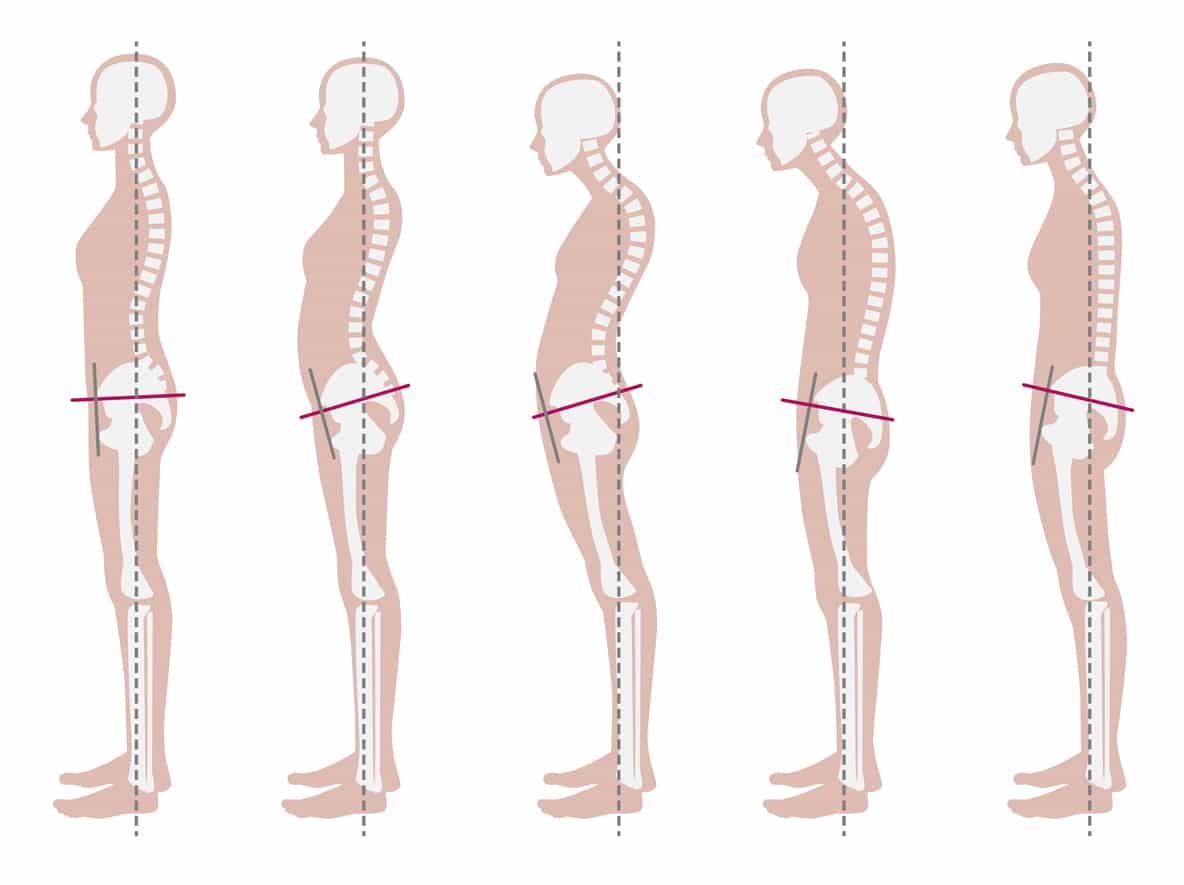
Good form is essential for safe, effective rucking. Poor posture can lead to back pain, shoulder problems, and reduced benefits from your workout.
Posture Checklist
Stand tall with your spine in neutral alignment. Imagine a string pulling the crown of your head toward the sky. Keep your shoulders back and down, not hunched forward. Engage your core muscles to support your spine. Your abdominal muscles should feel active, as if you are gently pulling your belly button toward your spine.
Keep your chest lifted and open. The weight of the pack will want to pull your shoulders forward, so you need to actively maintain good upper body posture. Look forward, not down at your feet. Your gaze should be directed 10-15 feet ahead of you.
Walk with your normal stride length. Do not take exaggerated steps or alter your natural walking pattern.
Strap Adjustment
Proper strap adjustment is crucial for comfort and injury prevention. Your shoulder straps should be tight enough that the pack sits high on your back without bouncing, but not so tight that they dig into your shoulders or restrict your breathing.
The hip belt should sit on your hip bones, not your waist. When properly adjusted, the hip belt takes about 30-40% of the pack weight off your shoulders and transfers it to your hips. This reduces shoulder fatigue and strain.
Tighten or loosen straps as needed during your ruck. Your body position changes as you fatigue, and what felt comfortable at the start may need adjustment 15 minutes into your walk.
Common Posture Mistakes
Leaning forward from the hips to compensate for pack weight strains your lower back. Keep your torso upright. Allowing your shoulders to round forward creates neck and upper back pain. Actively pull your shoulder blades back and down. Looking down at the ground causes neck strain. Keep your head up and eyes forward.
COMBINING RUCKING WITH OTHER EXERCISES FOR MAXIMUM RESULTS
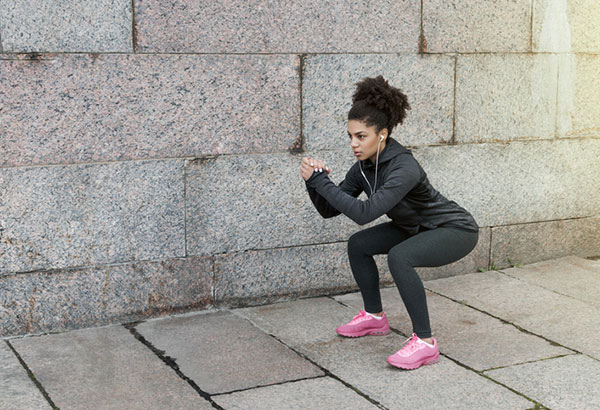
Rucking is excellent, but combining it with other types of exercise creates the most comprehensive fitness program.
Strength Training Integration
While rucking builds strength, adding dedicated resistance training 2-3 times per week provides additional bone and muscle benefits. Focus on exercises that complement rucking: squats, lunges, deadlifts, rows, and overhead presses.
These exercises strengthen the same muscles you use during rucking while challenging them in different movement patterns. The variety prevents overuse injuries and creates more complete fitness.
Some women add bodyweight exercises during their rucks. After walking for 10-15 minutes, stop and do a set of squats, lunges, or push-ups using your backpack for added resistance. This combination creates a comprehensive outdoor workout.
Flexibility and Mobility Work
Stretching and mobility work help maintain joint health and prevent the muscle tightness that can develop from regular rucking. Spend 5-10 minutes stretching after each ruck, focusing on your calves, hamstrings, hip flexors, and upper back.
Yoga or Pilates classes once or twice per week complement rucking beautifully. These practices improve flexibility, core strength, and balance while providing active recovery from the loading stress of rucking.
Complete Weekly Schedule Example
Here is what a balanced weekly schedule might look like for a woman over 50:
Monday: 30-minute ruck
Tuesday: Strength training (30-40 minutes)
Wednesday: Yoga or walking (no weight)
Thursday: 30-minute ruck
Friday: Rest or gentle stretching
Saturday: Strength training (30-40 minutes)
Sunday: Longer ruck (40-45 minutes) or rest
This schedule provides adequate challenge while allowing recovery time. Adjust based on your current fitness level and how your body responds.
SAFETY CONSIDERATIONS AND WHEN TO CONSULT YOUR DOCTOR
While rucking is generally safe, certain medical conditions require medical clearance before you begin weighted walking.
When to Talk to Your Doctor First
Consult your physician before starting rucking if you have existing heart disease or cardiovascular conditions, diagnosed osteoporosis with existing compression fractures, recent back surgery or chronic back problems, significant joint problems or arthritis, balance issues or frequent falls, or any condition that limits your mobility.
Your doctor can help you determine if rucking is appropriate for your situation and whether you need any modifications. In some cases, you may need to start with very light weights (2-4 pounds) and progress extremely gradually.
Your body deserves the kind of strength and resilience that rucking builds. You now have all the information you need to take your first weighted walk. Start this week with a backpack, a modest weight, and a short route around your neighborhood. Your bones, muscles, and future self will thank you. The path to stronger bones and a more capable body begins with that first step carrying weight. Take it today.