
Losing weight is an incredible achievement that brings numerous health benefits and boosts confidence. However, many women over 50 discover that their success comes with an unexpected challenge: loose, sagging skin. If you’ve worked hard to shed pounds and now find yourself dealing with excess skin, you’re not alone. This is a common concern, especially as our skin naturally loses elasticity with age. The good news is that there are multiple options available to help tighten and firm your skin after weight loss.
Why Skin Becomes Loose After Weight Loss
Understanding why loose skin happens can help you make informed decisions about treatment options. When you carry extra weight for an extended period, your skin stretches to accommodate your body size. Skin is remarkably elastic, but it has its limits.
As we age, our skin produces less collagen and elastin, the proteins that keep skin firm and supple. For women over 50, this natural decline in collagen production is already underway due to hormonal changes from menopause and the simple passage of time. When you lose a significant amount of weight, the skin that stretched to cover a larger body doesn’t always snap back into place, particularly when collagen and elastin levels are reduced.
Several factors influence how much loose skin you’ll experience after weight loss:
The Amount of Weight Lost
Losing 20 pounds typically causes less skin sagging than losing 50 or 100 pounds. The more weight you’ve lost, the more excess skin you’re likely to have.
How Quickly You Lost Weight
Rapid weight loss gives your skin less time to adapt to your changing body. Gradual weight loss allows your skin more opportunity to shrink along with your body.
Your Age
Younger skin has more collagen and elastin, making it more resilient. Women over 50 have naturally reduced skin elasticity, which can make loose skin more pronounced.
Genetics
Some people are simply blessed with more resilient skin than others. Your genetic makeup plays a role in how your skin responds to weight changes.
Sun Exposure History
Years of sun damage break down collagen and elastin fibers, reducing your skin’s ability to bounce back after weight loss.
14 Strategies to Tighten Skin Post Weight Loss
These 15 strategies can help your skin regain firmness, elasticity, and that healthy bounce you thought was gone for good.
1. Stay Deeply Hydrated Throughout the Day
Dehydrated skin loses elasticity fast, and no amount of topical treatment can fix it if you’re not hydrating from within. Water plumps skin cells, supports collagen production, and helps your skin maintain the flexibility it needs to adapt as your body changes.
Aim for half your body weight in ounces daily. If you weigh 160 pounds, that’s 80 ounces of water. Add more if you’re active, live in a dry climate, or drink caffeine regularly.
Hydration is the foundation for every other skin-tightening strategy.
2. Prioritize Protein to Rebuild Collagen
Your skin is made of collagen and elastin, both of which are proteins. Without enough protein in your diet, your body can’t repair or rebuild the structural support your skin needs to tighten.
Best sources for skin repair: Chicken, fish, eggs, Greek yogurt, cottage cheese, lean beef, lentils, and quinoa all provide the amino acids your skin uses to rebuild itself.
Daily target: Aim for 0.8 to 1 gram of protein per pound of body weight, especially if you’re still in a weight loss phase or building muscle.
Collagen supplements can help, but whole food protein sources give you a broader amino acid profile.
3. Build Muscle to Fill Out Loose Skin

Muscle takes up space under your skin, and building it can reduce the appearance of sagging in areas where fat once was.
Strength training three to four times per week, targeting major muscle groups, creates the underlying structure that supports skin from beneath. Focus on compound movements like squats, deadlifts, rows, and presses that build mass efficiently.
The more muscle you develop, the tighter your skin will appear, especially in areas like arms, thighs, and abdomen.
4. Use Retinoid Creams to Boost Collagen Production
Retinoids are among the few topical ingredients with clinical evidence that they increase collagen production and improve skin thickness. They work by accelerating cell turnover and stimulating deeper layers of skin to produce more structural proteins.
Start with an over-the-counter retinol serum a few nights per week, then build up to nightly use as your skin adjusts. For faster results, ask a dermatologist about prescription-strength tretinoin.
Pro tip: Always pair retinoids with sunscreen during the day since they make skin more sensitive to UV damage.
Consistency over months is what delivers visible tightening.
5. Add Vitamin C Serum to Your Morning Routine
Vitamin C is a collagen-synthesis powerhouse that also protects skin from oxidative stress. When applied topically, it penetrates the skin layers and supports the production of new collagen while helping protect existing collagen from breakdown.
Look for serums with L-ascorbic acid at 10% to 20% concentration. Apply it in the morning before sunscreen for maximum protection and repair benefits.
Regular use over eight to twelve weeks noticeably improves skin firmness and texture.
6. Supplement With Pycnogenol for Internal Skin Support
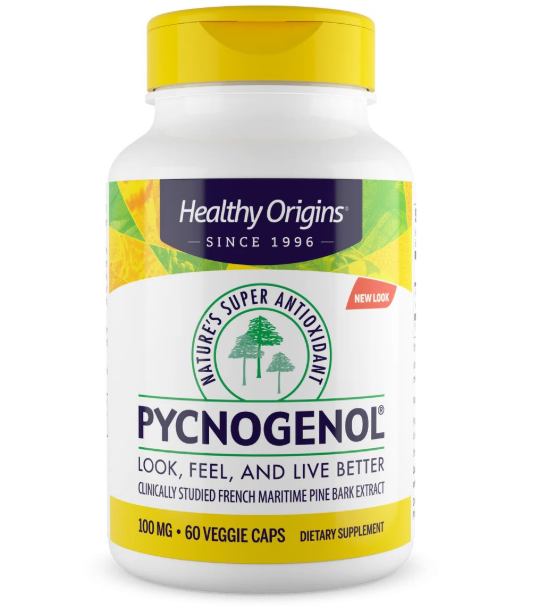
For anyone navigating the changes that can come with significant weight loss, supporting your skin from the inside out can be just as important as topical care. Super antioxidant Healthy Origins Pycnogenol 100mg has been shown in clinical studies to help reinforce the skin’s natural support structure. After three months of supplementation, collagen expression increased by 40%, and hyaluronic acid synthase production rose by 44%, key components that give skin its firmness and bounce. Participants also saw improvements in skin elasticity by 25% and hydration by 21%, helping skin look smoother, more supple, and better able to adapt as the body transforms.
Recommended product: Healthy Origins Pycnogenol 100mg delivers the clinically studied dose in a single daily capsule.
This is one of the few supplements with hard data backing its skin benefits.
7. Exfoliate Regularly to Encourage Cell Turnover
Dead skin cells accumulate on the surface, making the skin look dull and less elastic. Regular exfoliation removes that layer and signals your skin to produce fresh, healthy cells faster.
Physical exfoliation: Use a gentle scrub or dry brush two to three times per week.
Chemical exfoliation: Alpha hydroxy acids like glycolic acid or lactic acid dissolve dead cells without scrubbing and penetrate deeper for better results.
Smoother skin reflects light better and appears tighter even before structural changes happen.
8. Massage Problem Areas to Boost Circulation
Massaging loose skin increases blood flow, delivers more oxygen and nutrients to skin cells, and may support collagen remodeling over time. It won’t work miracles alone, but combined with other methods, it enhances results.
Use a firming body oil or cream and massage in circular motions for five to ten minutes per area several times a week. Focus on arms, thighs, abdomen, and anywhere skin feels especially loose.
The mechanical stimulation combined with improved circulation creates better conditions for skin repair.
9. Protect Your Skin From Sun Damage
UV rays break down collagen and elastin faster than your body can replace them, making loose skin worse and preventing it from tightening naturally.
Wear broad-spectrum SPF 30 or higher every single day, even when it’s cloudy or you’re indoors near windows. UV damage is cumulative, and protecting your skin now preserves the progress you’re making with other strategies.
Bonus benefit: Sunscreen also prevents hyperpigmentation and keeps skin tone even as it tightens.
10. Try Radiofrequency or Ultrasound Treatments
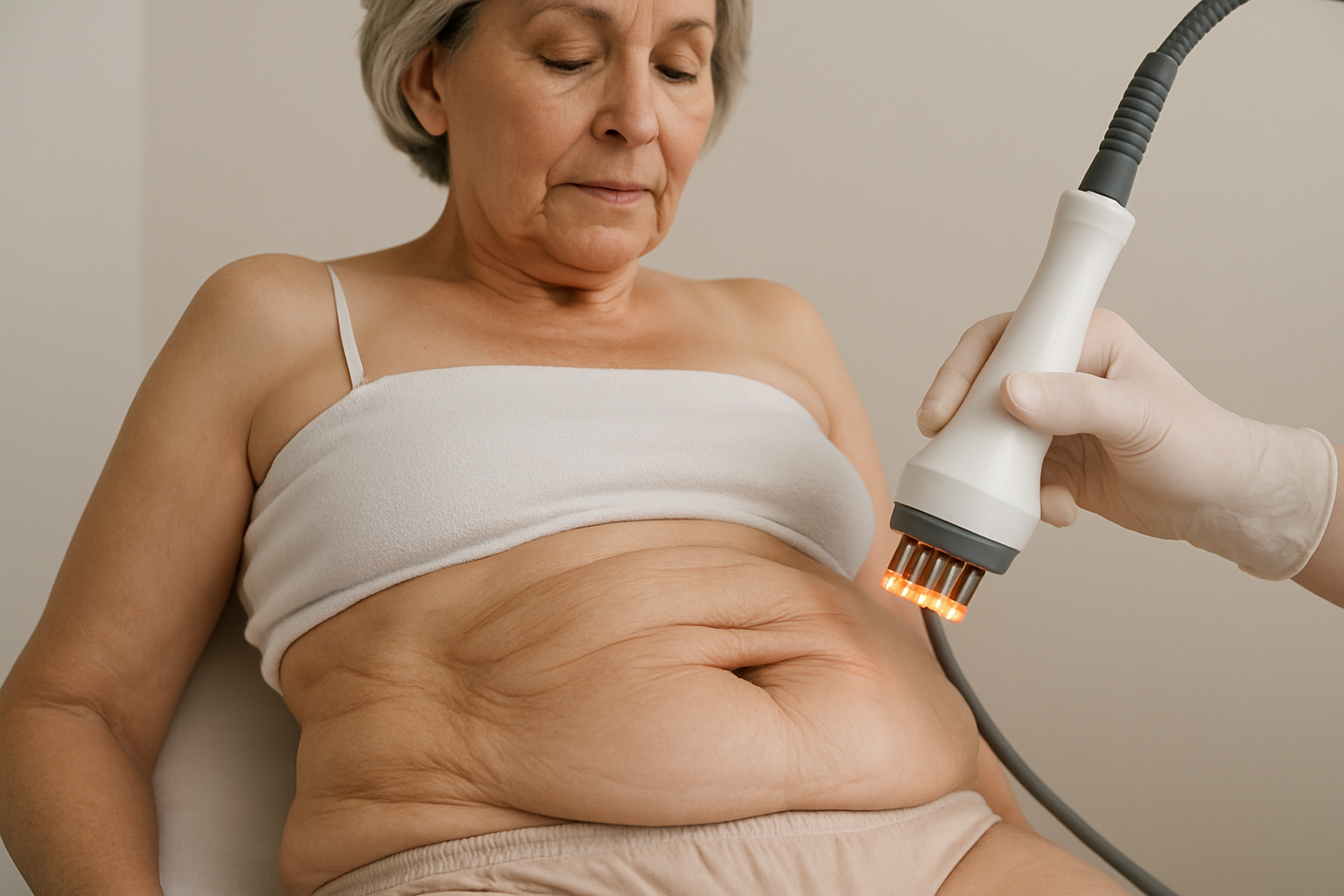
Non-invasive skin tightening treatments use energy to heat deeper skin layers, triggering collagen production and contraction. Radiofrequency and ultrasound are the most popular options with proven results for mild to moderate skin laxity.
Radiofrequency (RF): Heats the dermis to stimulate collagen without damaging the surface. Requires multiple sessions spaced weeks apart.
Ultrasound (Ultherapy): Targets deeper layers and lifts skin over time as new collagen forms. Results develop slowly over two to three months.
These work best when combined with topical treatments and healthy lifestyle habits.
11. Consider Microneedling for Collagen Induction
Microneedling creates controlled micro-injuries in the skin that kickstart your body’s healing response and ramp up collagen production. It’s effective for improving skin texture, thickness, and firmness in areas with mild sagging.
Professional treatments penetrate deeper and deliver better results than at-home devices. Plan a series of 3 to 6 sessions, spaced 4 to 6 weeks apart, for optimal tightening.
Pair it with growth factors or hyaluronic acid serums immediately after treatment for enhanced absorption and faster recovery.
12. Eat Foods Rich in Antioxidants

Antioxidants fight free radicals that damage collagen and elastin, helping your skin maintain its structural integrity as it recovers.
Top skin-supporting foods: Berries, dark leafy greens, nuts, seeds, fatty fish, avocados, and green tea all deliver compounds that protect and repair skin from the inside.
Focus on variety: Different antioxidants work in different ways, so a colorful diet gives your skin the broadest protection.
Eating antioxidant-rich foods daily supports every other tightening strategy you’re using.
13. Get Enough Quality Sleep Every Night
Sleep is when your skin does its best work. Your body repairs skin while you sleep, producing growth hormone and ramping up collagen synthesis during deep sleep phases. Chronic sleep deprivation slows down skin recovery and makes loose skin harder to improve.
Aim for 7 to 9 hours of sleep per night, consistently. Create a cool, dark sleep environment and stick to a regular sleep schedule to maximize repair time.
Skin truth: One week of poor sleep can noticeably decrease skin barrier function and slow healing.
14. Avoid Crash Diets and Rapid Weight Fluctuations
Losing weight too quickly doesn’t give your skin time to adapt, and yo-yo dieting stretches and shrinks skin repeatedly, damaging its elasticity permanently.
If you’re still losing weight, aim for 1 to 2 pounds per week, max. This gradual pace gives skin time to contract naturally as fat disappears.
Maintaining a stable weight after reaching your goal also allows skin the consistent environment it needs to tighten over the following months.
Your skin has been through a transformation, and now it needs support to catch up with the rest of your progress. These 14 strategies work together to give your skin the best possible chance to tighten, firm up, and regain the elasticity you thought was gone.
Start with the basics like hydration, protein, and sun protection, then layer in topical treatments and internal support like Pycnogenol. Your skin is more resilient than you think, and with the right approach, it will show you what it’s capable of.
Read Next:
The Best Ingredients in Drugstore Skincare Products for Mature Women