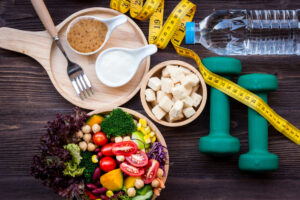
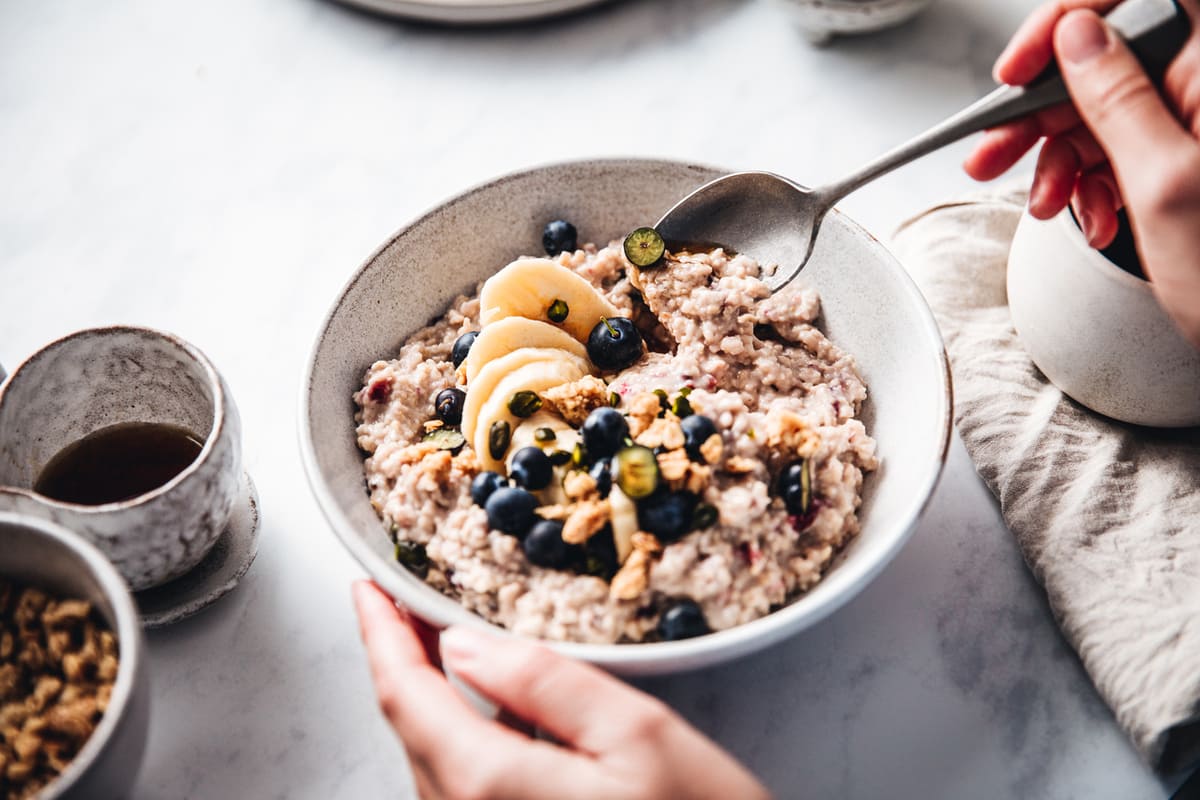
To understand why an anti-inflammatory diet is important, it’s essential to first understand what inflammation does to our bodies. Inflammation has more recently emerged in the medical community as a key factor in serious diseases such as cardiovascular disease, cancer, Alzheimer’s disease, obesity, diabetes, and a variety of infectious diseases. While it is always imperative that you consult your physician about any concerns about disease, having a fundamental understanding of how an anti-inflammatory diet contributes to your health can help you choose what you eat throughout the day.
Inflammation is the Body’s Natural Way of Defending Itself
When inflammation happens, chemicals from your body’s white blood cells enter your blood or tissues to protect your body from invaders. This increases blood flow to the injured or infected area. Sometimes, these injuries are closer to the surface or even external, resulting in visible bruising and swelling. At other times, a person might experience chronic inflammation and continue to send inflammatory cells even when there is no external danger. An example of this is rheumatoid arthritis, in which inflammatory cells and substances attack joint tissues. While your diet alone may not cure symptoms and/or diseases such as this, there are foods that can help fight inflammation.
Inflammation and Aging
Inflammation, a natural immune response to harmful stimuli, plays a dual role in aging. While acute inflammation aids in tissue repair and pathogen clearance, chronic inflammation contributes to age-related diseases. Over time, the body’s ability to regulate inflammation declines, leading to prolonged low-grade inflammation termed “inflammaging.”
This systemic inflammation accelerates cellular damage, impairs tissue function, and heightens susceptibility to chronic conditions like cardiovascular disease, diabetes, and neurodegenerative disorders. Factors such as oxidative stress, lifestyle choices, and genetic predispositions exacerbate inflammaging. Understanding the intricate interplay between inflammation and aging is crucial for developing interventions to promote healthy aging and mitigate age-related diseases.
Anti-Inflammatory Foods
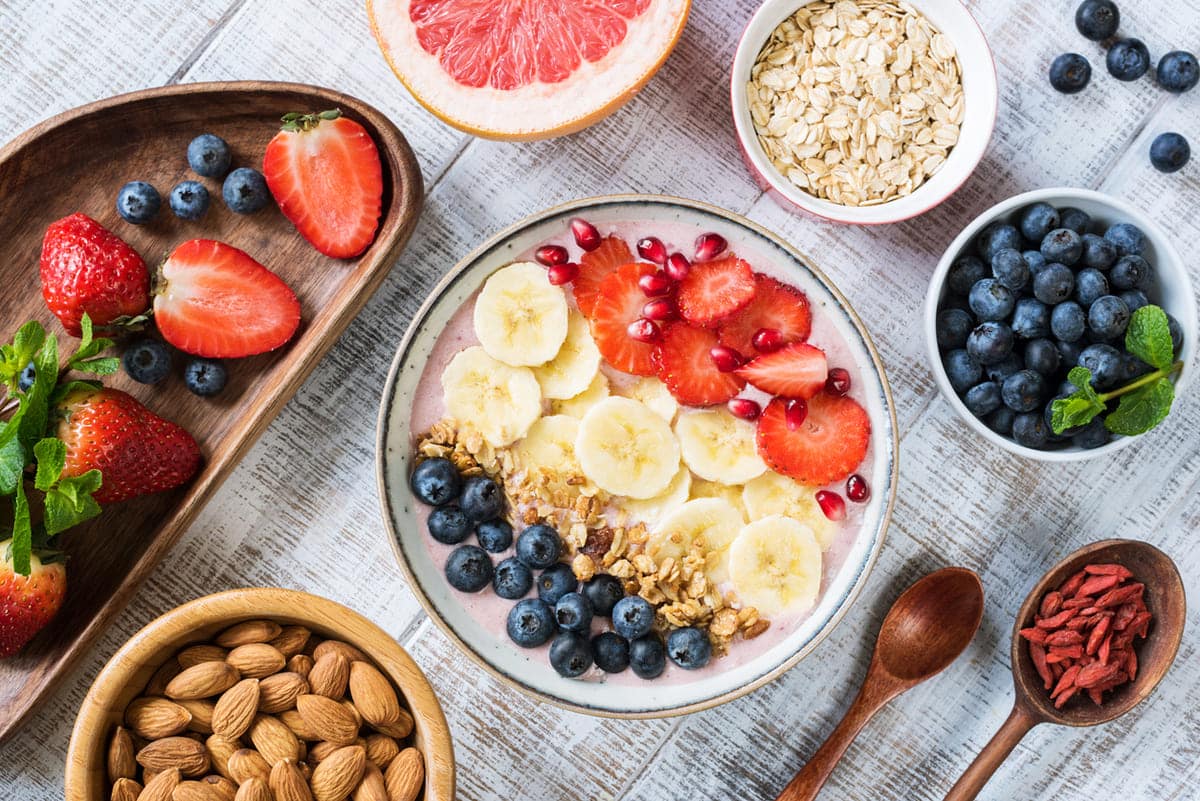
Most of us know some of the most inflammatory foods: refined carbohydrates (including white bread and pastries), fried foods, and soda. They’re generally the foods that most readily cause us to gain rather than maintain or lose weight. As mentioned above, inflammation and obesity go hand in hand. This doesn’t mean you have to stick to a tasteless or boring diet. However, having an expanded list of anti-inflammatory foods improves taste and variety and goes a long way toward creating a sustainable nutrition program that reduces inflammation and promotes health.
Here are some delicious anti-inflammatory foods:
- Berries
- Fatty fish
- Broccoli
- Avocados
- Green tea
- Peppers
- Mushrooms
- Grapes
- Turmeric
- Extra Virgin olive oil
- Dark chocolate and cocoa
- Tomatoes
- Cherries
Begin Your Day with an Anti-Inflammatory Breakfast
Start your day by fueling your body with foods that reduce inflammation rather than promote it. Rather than occasionally counteracting an inflammatory diet with anti-inflammatory foods, it’s more important to consider consistency. If you love sweets or fried foods, plan to enjoy them rarely and make choices more often that reduce inflammation.
1. High Protein Shake or Smoothie
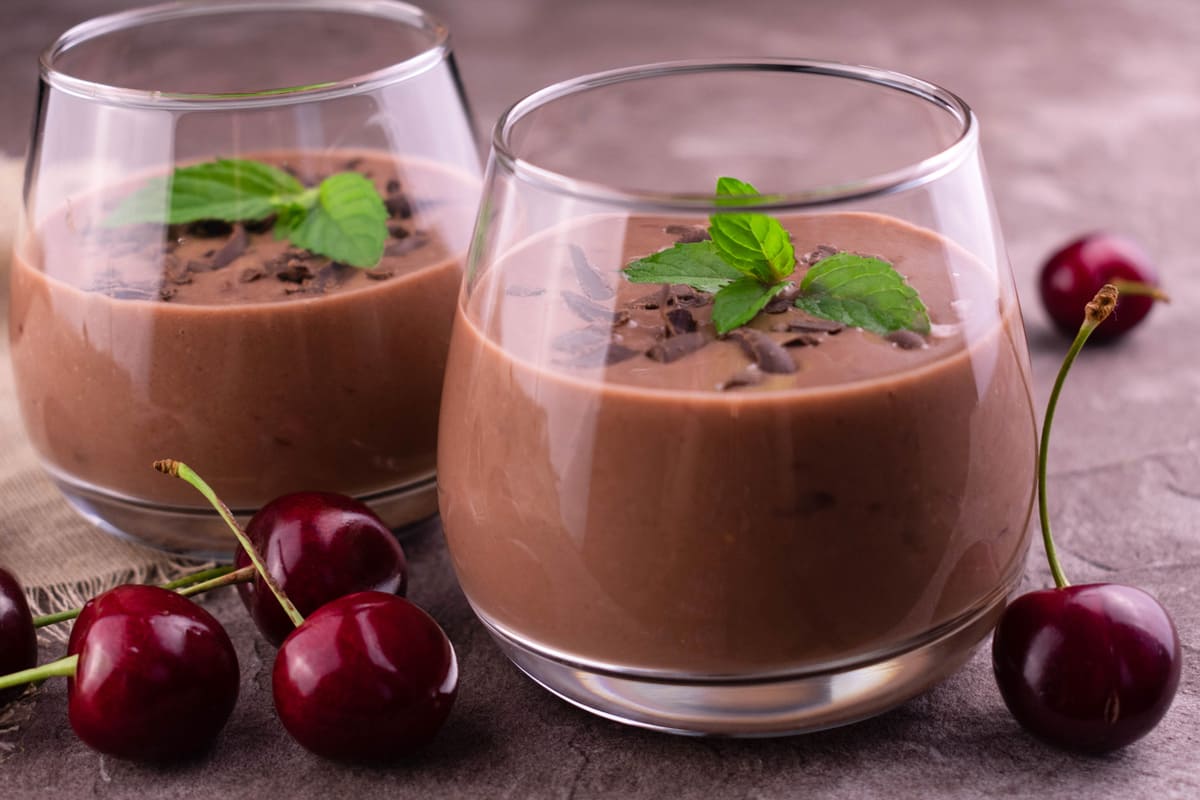
Protein shakes or smoothies are great for on-the-go! Remember that many fruits are higher in sugar; even though they’re not refined sugars, there are still some optimal types of berries rather than fruits that you can add to make a low-carb, low-sugar shake or smoothie that is anti-inflammatory. For example:
- Combine a serving of high-quality, low or no-sugar protein powder into one cup of unsweetened almond milk
- For a variation of your protein shake, add anti-inflammatory berries like blueberries, cranberries, and strawberries.
Adding a low-carbohydrate protein powder will help keep you full and satisfied for longer periods and reduce cravings, helping you control your food choices.
2. Spinach and Egg Scramble

Eggs, especially egg whites, pack a double punch when it comes to nutritional benefits. The protein in eggs is filling and helps keep you fuller for longer. A spinach and egg scramble can also include tomatoes and onions, along with other herbs and spices, for a flavorful, filling, anti-inflammatory breakfast.
3. Avocado Toast
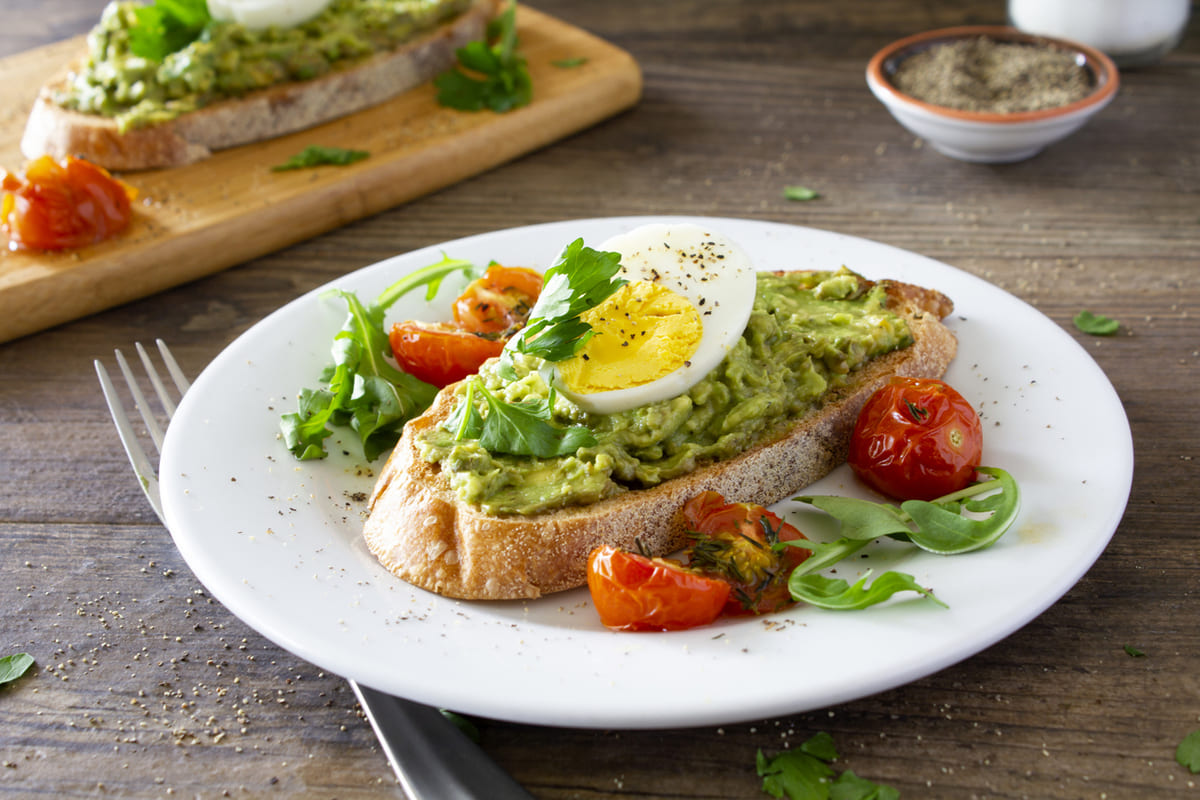
Avocados contain carotenoids, antioxidants that help reduce inflammation. Your choice of bread will be important because commercially produced white bread is high on the Glycemic Index, meaning it IS an inflammatory food. However, wholemeal bread or bread made with stone-ground flour is a better choice. Sourdough wheat bread is an excellent option!
4. Oatmeal with Walnuts

While oatmeal is a higher-carbohydrate food, oats and their compounds have been found to have anti-inflammatory effects. Because oatmeal is a complex carbohydrate, your body will take longer to break it down, resulting in longer-lasting energy and a fuller feeling for longer. Both things are important to an anti-inflammatory diet. Adding nuts is an excellent source of additional fiber, protein, and other vitamins. The following nuts also contain high levels of calcium, magnesium, zinc, vitamin E, and Omega-3 fats, all of which have anti-inflammatory effects.
- Almonds
- Hazelnuts
- Peanuts
- Pecans
- Pistachios
- Walnuts
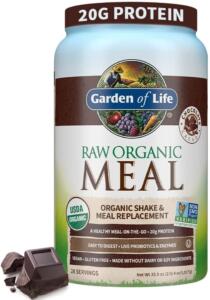
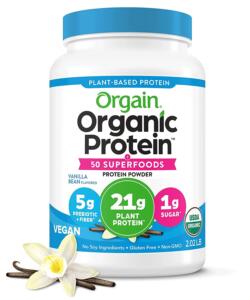
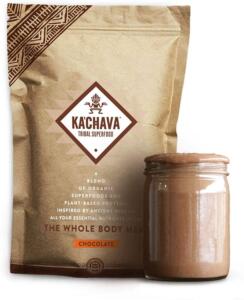
5. Meal Replacement Shake with Organic Superfoods

If you’re pressed for time or need the simplest way to create an anti-inflammatory breakfast routine, consider a meal replacement shake that includes a blend of organic superfoods, including Omega-3, prebiotics, probiotics, super greens, and other vitamins and minerals. This helps remove all the guesswork and eliminates the need for meal prep and cooking on those days you just don’t have time.
Top 3 Meal Replacement Shakes with Organic Superfoods:
Read Next:
Easy Superfood Recipe: Chickpeas, Kale, and Spicy Pomodoro Sauce