

Has anything really changed for women in the workplace? In 2026, the latest data shows women are still earning roughly 82 cents for every dollar earned by men, with even wider gaps for women of color. Despite decades of progress, the needle hasn’t moved nearly as much as we expected—or needed. So we have to ask: beyond the numbers, what’s actually happening inside the women’s business community when it comes to success, support, and advocacy?
From my own experience and observation, I’m just not seeing the shift. Will it ever change?
This question has followed many of us for years. We’ve all heard the stories, women saying they prefer working for men because it’s “easier,” or that women don’t actively help each other grow. And more recently, I’ve watched women entrepreneurs trying to scale their businesses with little support from women in corporate roles, women who are in positions to open doors, make introductions, and create real opportunities.
What is this? Why is it still happening? And more importantly, what will it actually take to break this pattern?
Have I Been Helping Women in the Workplace?
Ask yourself:
- How many women have I really helped lately? How much time do I spend comparing myself to other women?
- Why do I feel competitive with other women in business situations?
- And why do I not believe that when other women succeed, it helps all of us?
>READ: HOW PRIME WOMEN CAN CONTINUE HELPING WOMEN IN THE WORKFORCE
Are Women in the Workplace Playing By Other People’s Rules?
The only answer I have to those questions is that I chalk it up to institutionalized patriarchy. We are so inured to living within the “rules of the game” that we don’t stop, look around, and change what we do on a daily basis.
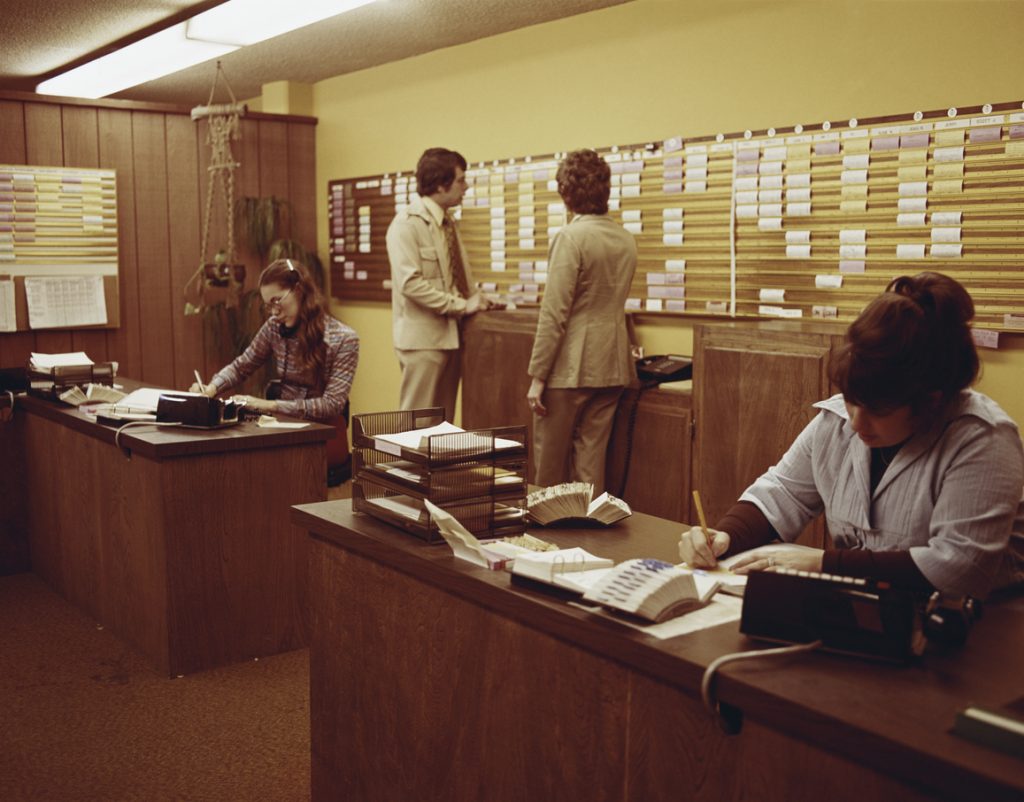
And let’s face it, we didn’t make the rules. Men did. They made them because, for centuries, men were the ones doing the majority of business. And FYI, this isn’t about blaming individual men, it is about understanding that when a way of life becomes institutionalized, we all tend to follow along without question.
How Women in the Workplace Have Worked Within the System
Those who do question are regarded as outliers, disrupters, troublemakers. And if you’ve been in the business world as long as I have (since 1967) you’ve probably been called one or more of those names at one time or another.
If you watch movies or read books about the ways women were regarded historically when they stepped up, spoke up, or ventured out to do what they believed in, what they really wanted to do, you will see more clearly what I mean by institutionalized. The few women who did succeed in the past usually had some family connections. Like Queens who were the sole heirs, or a Katherine Graham who inherited The Washington Post after her husband died. Those women have been tolerated because they came on the scene with a power position that could not be easily dismantled.
The Double Standard Women in the Workplace Face

But the rest of us, those of us who had wonderful ideas and try to make them happen, we had a different road with many treacherous curves to maneuver. We had to make sure we talk in a way that doesn’t ruffle too many feathers. Never could we upset the owners of the businesses we were trying to work with. We had to be strong, smart and capable, but at the same time be pleasing and nice.
>READ: ARE THESE 3 TRAITS HELPING OR HURTING YOU AT WORK?
Not that there is anything wrong with being nice! But as I came up in the business world, men could be rude, difficult, even tyrannical but they were tolerated. And men had much more leeway to not do great work and still keep their positions. We women didn’t have those luxuries.
How Can You Break Down The System and Help Other Women in 2026?
Fast forward to 2026. The rules are slowly changing, but are we doing enough to push through the barriers that for so many years we have taken for granted? Are we willing to stop, look around, and figure out how we can truly help each other for the betterment of all?

- If you are still in a corporate environment, could you go the extra mile to make sure your entrepreneurial sisters get a chance to pitch their products, ideas, and strategies to the higher-up decision-makers in your company?
- If you own your own business, are you willing to make sure you hire women, give them a chance, and then do the work to make sure that a balanced playing field exists that creates equal opportunities for both men and women?
- Are you willing to look at what you do on a daily basis that could be done differently?
- That could be paying more attention to the women around you and championing their growth.
- It could be questioning the existing structure that makes men more promotable than equally qualified women.
- That could be making sure that you don’t immediately slip into a form of competitiveness that might prevent other women from succeeding.
All this requires asking yourself the most important question: What am I afraid of?
What Am I Afraid Of?
Fear is what drives us to be so self-protective that we don’t open our hearts and minds to new ways to make a difference in the world. We stick to the status quo in fear that changing may cause us to lose out somehow. That attitude keeps women in jobs they don’t love, behaving in ways that are detrimental to them and to other women around them. So here’s my answer to the original question: It will only change when we change.
>READ: WHY WOMEN ARE POISED TO IMPACT THE WORLD LIKE YOU’VE NEVER SEEN