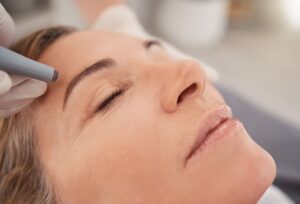
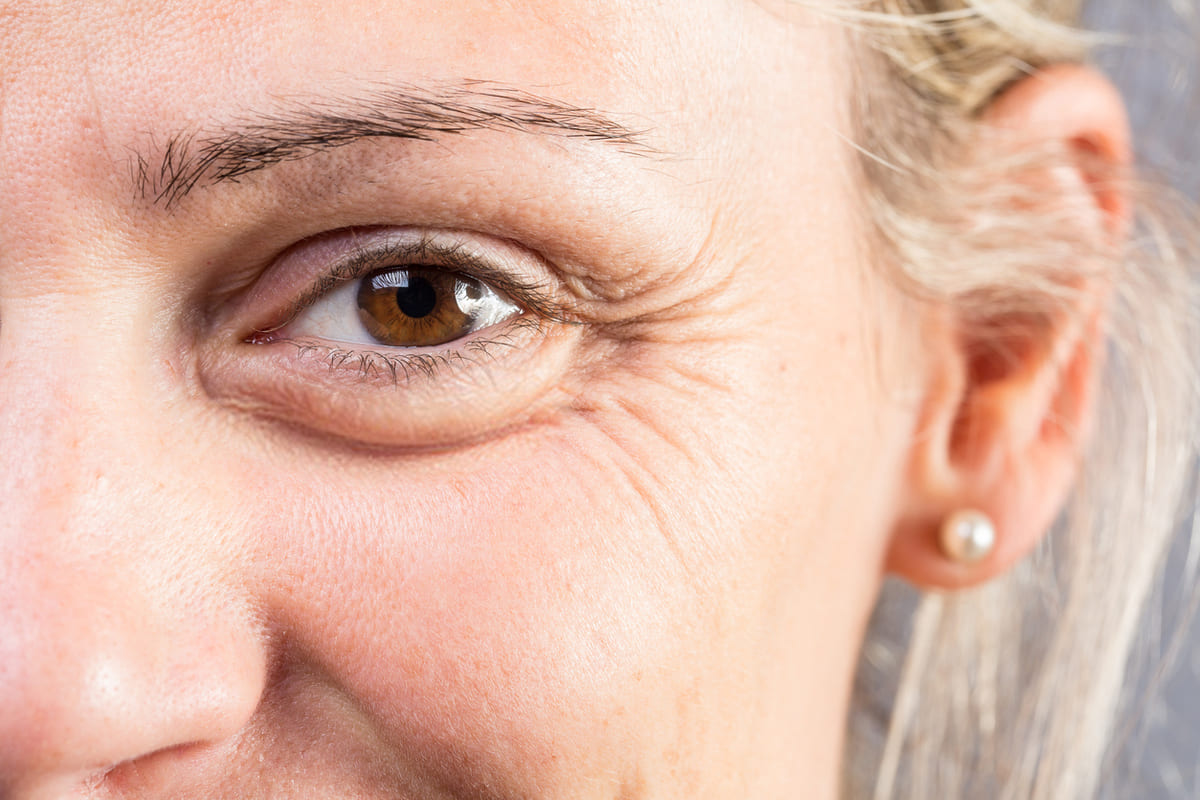
Tretinoin, a derivative of vitamin A, has long been celebrated as a skincare powerhouse, revered by dermatologists and beauty enthusiasts alike. Its reputation as a potent tool in the fight against acne, aging, and various skin conditions precedes it. In this comprehensive guide, we’ll delve into the benefits, uses, and potential side effects of tretinoin, shedding light on why it remains a cornerstone of skincare worldwide.
Understanding Tretinoin
Tretinoin, also known as all-trans retinoic acid, is a retinoid. Originally developed as an acne treatment in the late 1960s, its therapeutic properties have since expanded to include the management of various dermatological concerns, from acne vulgaris to photodamage.
Benefits of Tretinoin
- Acne Treatment: Tretinoin works by increasing cell turnover and preventing the formation of comedones (clogged pores), making it highly effective in treating both non-inflammatory and inflammatory acne lesions.
- Anti-Aging Effects: One of the most celebrated benefits of tretinoin is its ability to stimulate collagen production and improve skin elasticity, reducing the appearance of fine lines, wrinkles, and age spots. Regular use can result in smoother, more youthful-looking skin.
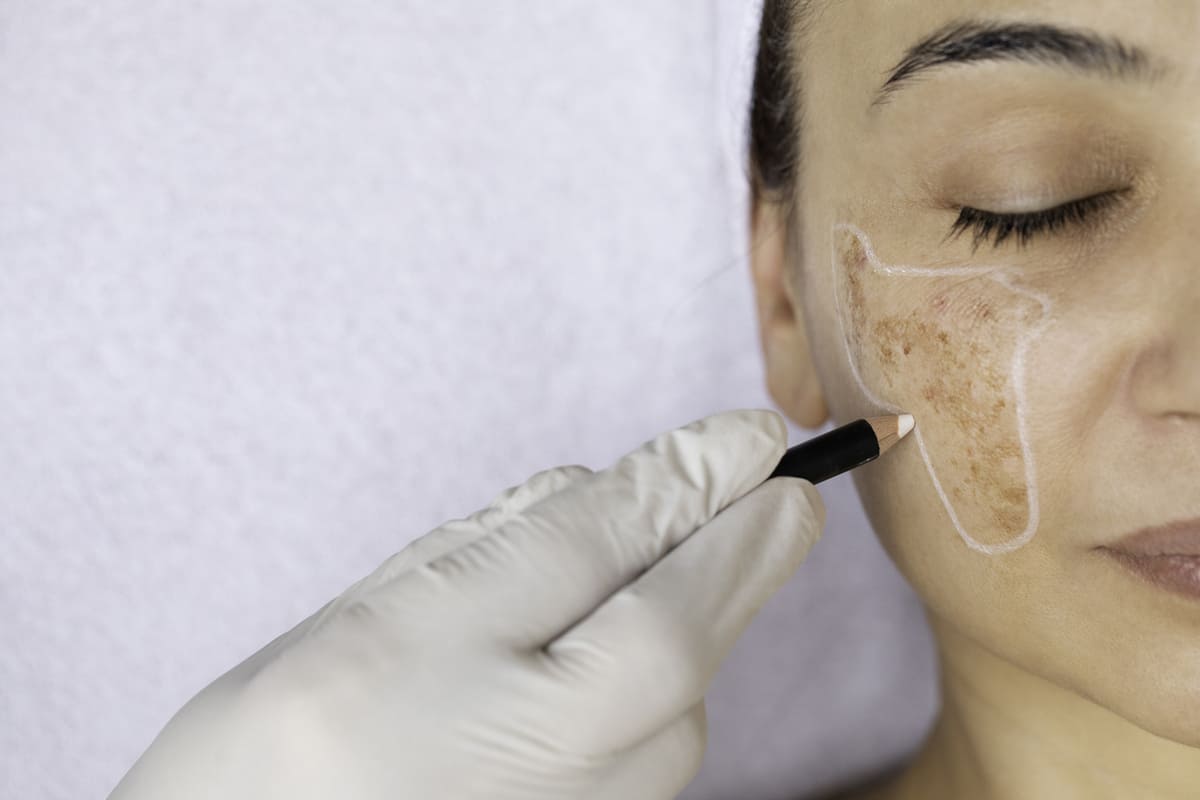
- Hyperpigmentation Correction: Tretinoin can help fade hyperpigmented areas caused by sun damage, hormonal changes, or post-inflammatory hyperpigmentation, leading to a more even skin tone and improved complexion.
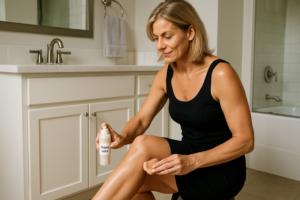
- Treatment of Keratosis Pilaris: Tretinoin can be effective in managing keratosis pilaris, a common skin condition characterized by rough, bumpy skin often found on the arms, thighs, and buttocks. It helps to exfoliate dead skin cells and smooth rough patches.
- Prevention of Photodamage: By promoting cell turnover and collagen synthesis, tretinoin offers photoprotective benefits, helping to minimize the adverse effects of sun exposure on the skin and reducing the risk of premature aging.
Uses of Tretinoin
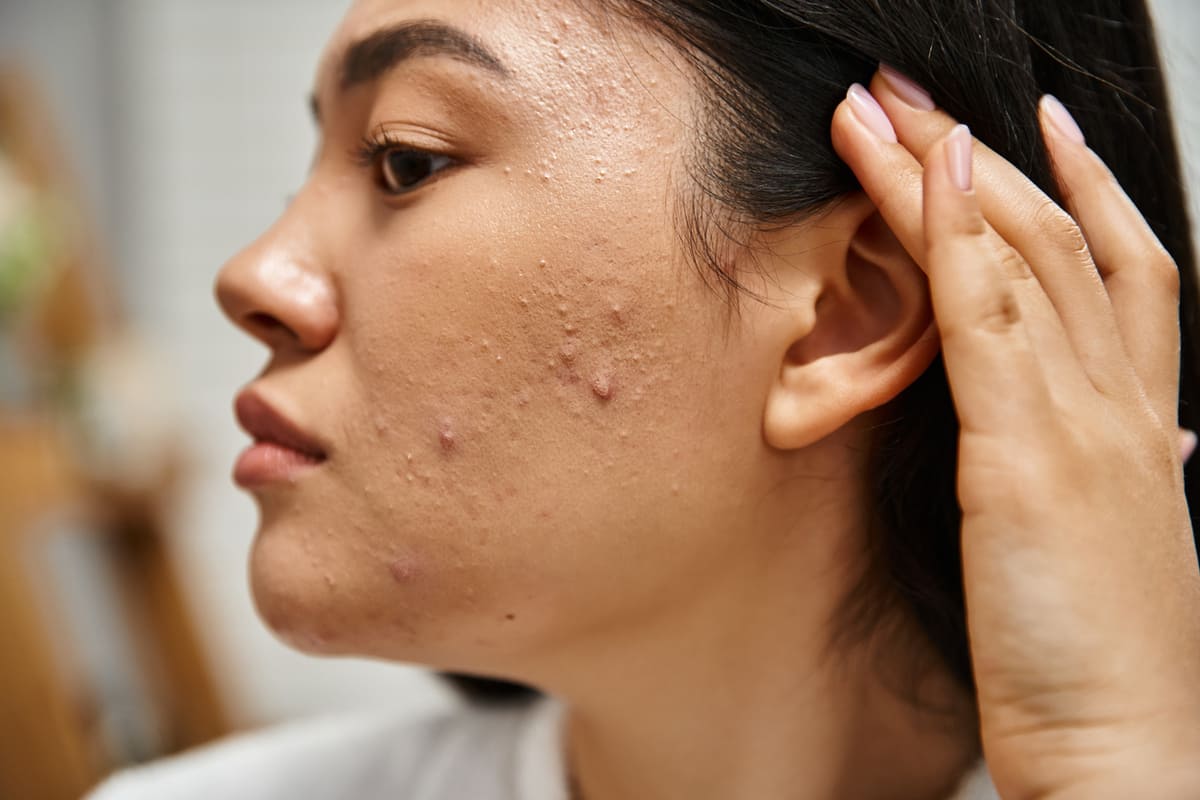
- Acne Vulgaris: Tretinoin is frequently prescribed for acne vulgaris, particularly when over-the-counter remedies have proven ineffective. It is available in various formulations, including creams, gels, and lotions, with different strengths to accommodate individual needs.
- Anti-Aging Skincare: Many individuals incorporate tretinoin into their skincare routines to combat signs of aging, such as wrinkles, fine lines, and age spots. It is typically applied at night as part of a comprehensive skincare regimen, followed by moisturizer to minimize potential irritation.
- Hyperpigmentation Treatment: Tretinoin is often recommended as part of a combination therapy for addressing hyperpigmentation, alongside other agents such as hydroquinone, corticosteroids, and chemical peels. It can help to accelerate the fading of dark spots and enhance overall skin tone.
- Maintenance Therapy: Even after achieving desired results, many individuals continue using tretinoin as maintenance therapy to sustain improvements in their skin’s texture, tone, and clarity. Consistent use over time can help maintain optimal skin health and prevent future issues.
Side Effects of Tretinoin
While tretinoin offers a plethora of benefits, it is not without its potential side effects, particularly during the initial stages of treatment. Common side effects include:
- Dryness and Irritation: Tretinoin can cause dryness, redness, peeling, and stinging, especially during the first few weeks of use. These side effects are often temporary and can be mitigated by starting with a lower concentration and gradually increasing frequency.
- Sun Sensitivity: Tretinoin can increase the skin’s sensitivity to sunlight, making it more susceptible to sunburn and damage. It is crucial to apply sunscreen daily and limit sun exposure while using tretinoin to minimize the risk of adverse effects.
- Purging: Some individuals may experience an initial worsening of acne lesions, known as purging, as tretinoin accelerates the turnover of skin cells and brings underlying impurities to the surface. This is a normal part of the process and usually resolves with continued use.
- Hyperpigmentation: In rare cases, tretinoin may cause temporary hyperpigmentation, particularly in individuals with darker skin tones. This typically resolves once the skin adjusts to the medication, but it is essential to monitor for any concerning changes and consult a dermatologist if necessary.
- Eye Irritation: Avoid applying tretinoin too close to the eyes, as it can irritate and dry the delicate eye area. Use caution when applying tretinoin around the eyes, and consider using a moisturizing eye cream to help mitigate potential side effects.
Tips for Using Tretinoin Safely and Effectively
- Start Slowly: Begin with a lower concentration of tretinoin (e.g., 0.025% or 0.05%) and gradually increase as tolerated to minimize the risk of irritation.
- Use Sun Protection: Apply sunscreen with a high SPF daily, even on cloudy days, and wear protective clothing and accessories to shield your skin from harmful UV rays.
- Moisturize Regularly: Incorporate a gentle, hydrating moisturizer into your skincare routine to combat dryness and soothe irritated skin caused by tretinoin.
- Be Patient: Results from tretinoin treatment may take several weeks to become apparent, so be patient and consistent with your skincare regimen.
- Consult a Dermatologist: If you experience persistent or severe side effects from tretinoin, or if you have any concerns about its use, consult a dermatologist for personalized guidance and recommendations.
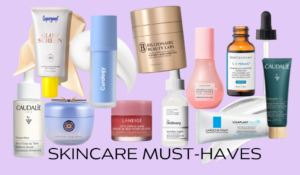
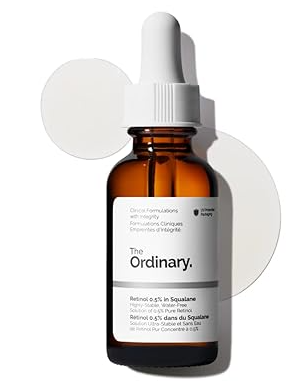
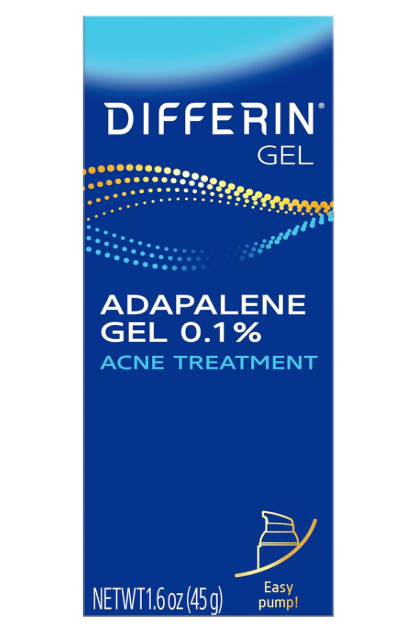
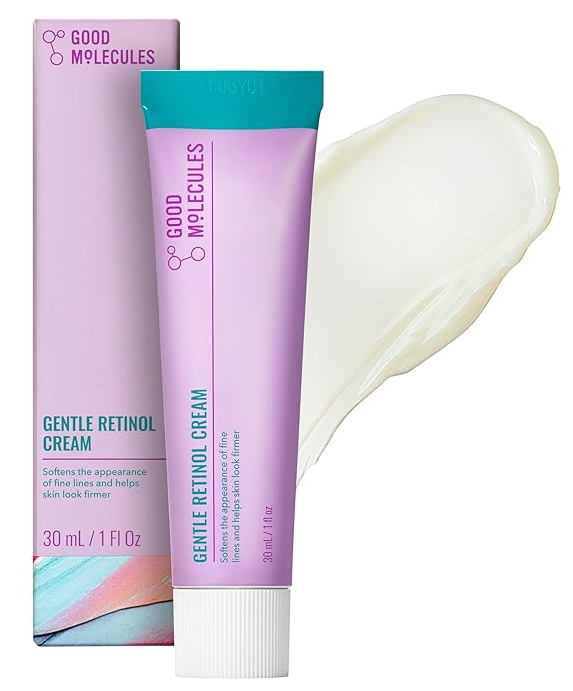
Our Top Non-Rx Options
Conclusion
Tretinoin stands as a testament to the remarkable therapeutic potential of retinoids in skincare. From acne treatment to anti-aging skincare and beyond, its multifaceted benefits continue to revolutionize the way we approach skincare. By understanding its uses, benefits, and potential side effects, individuals can harness the power of tretinoin to achieve healthier, more radiant skin while minimizing the risk of adverse reactions. As with any skincare product, it’s essential to approach tretinoin with caution, patience, and the guidance of a qualified healthcare professional to maximize its efficacy and safety.
Read Next:
The Benefits of Retinol for Mature Skin
Too Sensitive For Retinol? Try This Natural Anti-Aging Ingredient