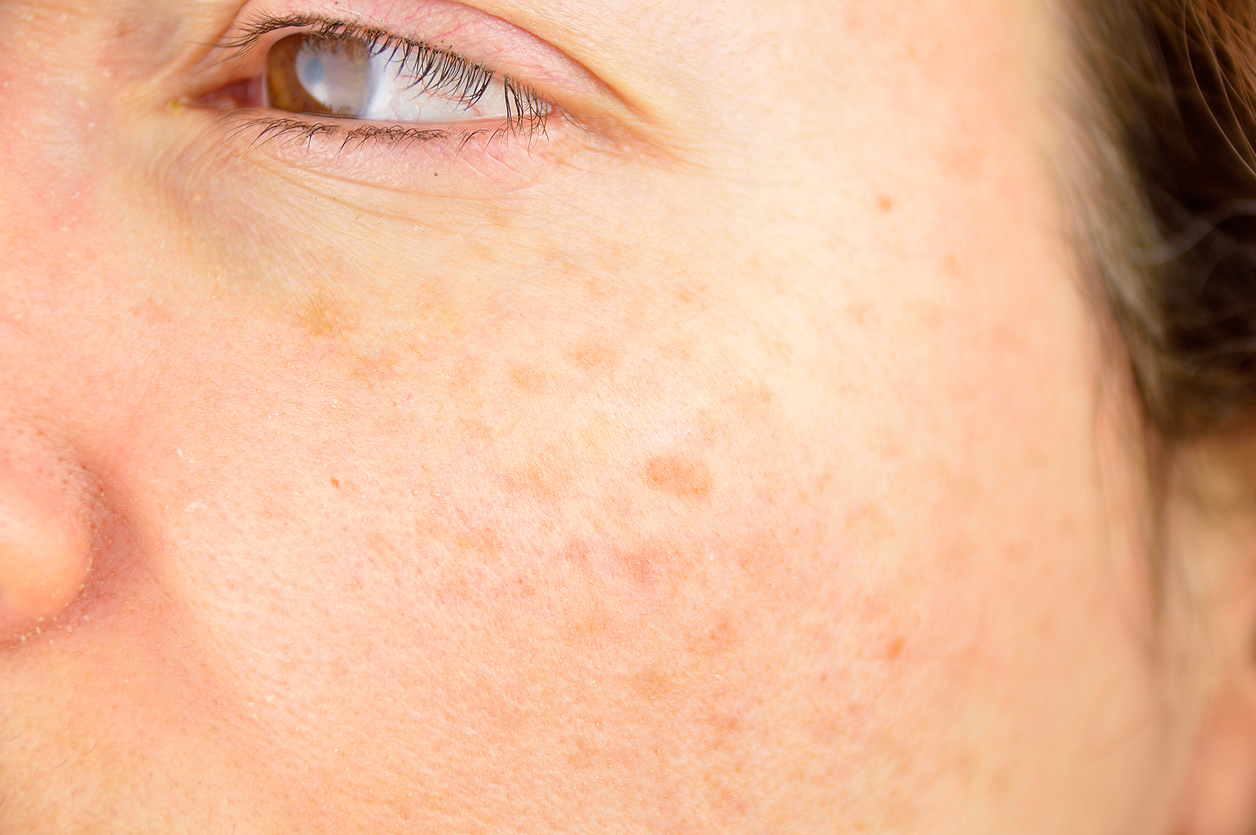
On a recent visit to the dermatologist, I pointed out a few brown spots on my cheek that looked almost like a cluster of large freckles. The doctor said that these were “age spots” and to remember to apply sunscreen daily, even in the winter months.
We expect that as we get older, the skin on our faces will have more lines, more wrinkles, and start to sag. But these spots can be trickier than that.
What Are Age Spots?
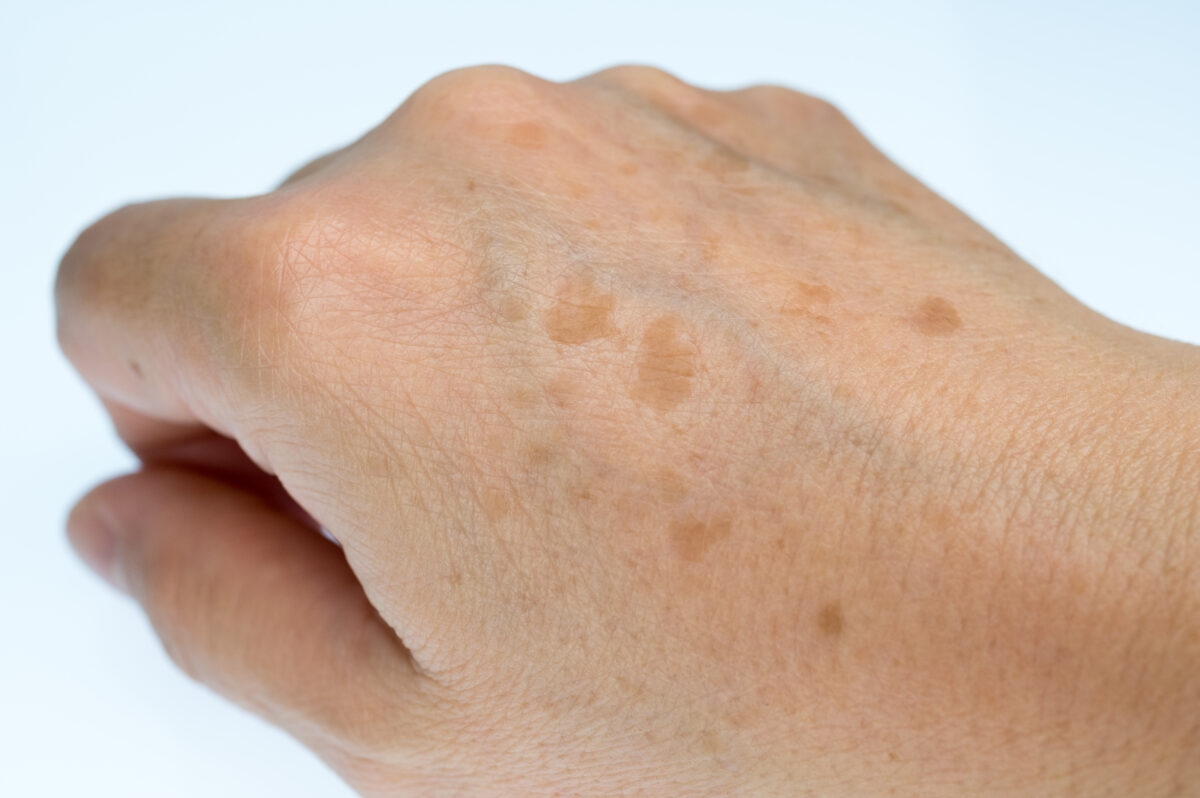
Dr. Angie Seelal, a Certified Registered Physician Assistant specializing in Dermatology with Advanced Dermatology PC, explains, “Age spots (also called sunspots, liver spots or solar lentigines) are small, dark brown patches that are the result of long-term sun exposure that has triggered clusters of melanocyte skin cells to produce the protective pigment melanin.”
Typically, spots appear on the skin with the greatest sun exposure, including the hands, face, arms, and shoulders. My age spots had formed on my left cheek, which makes sense because that is where the sun tends to hit my face when I am driving my car. Unlike a summer tan, age spots do not fade over time.
These spots are known as “age spots” because they are more common in people aged 50 and older. Although any skin type can form these spots, age spots are more common in people with fair skin. These spots can be as large as half an inch and are especially noticeable when several border one another.
Age spots can look like cancerous growths, so it is essential to have any new skin changes evaluated by a doctor (especially if the spot is black, increasing in size, has an irregular border, has an unusual combination of colors, or is bleeding) to rule out skin cancer.
How To Treat Age Spots
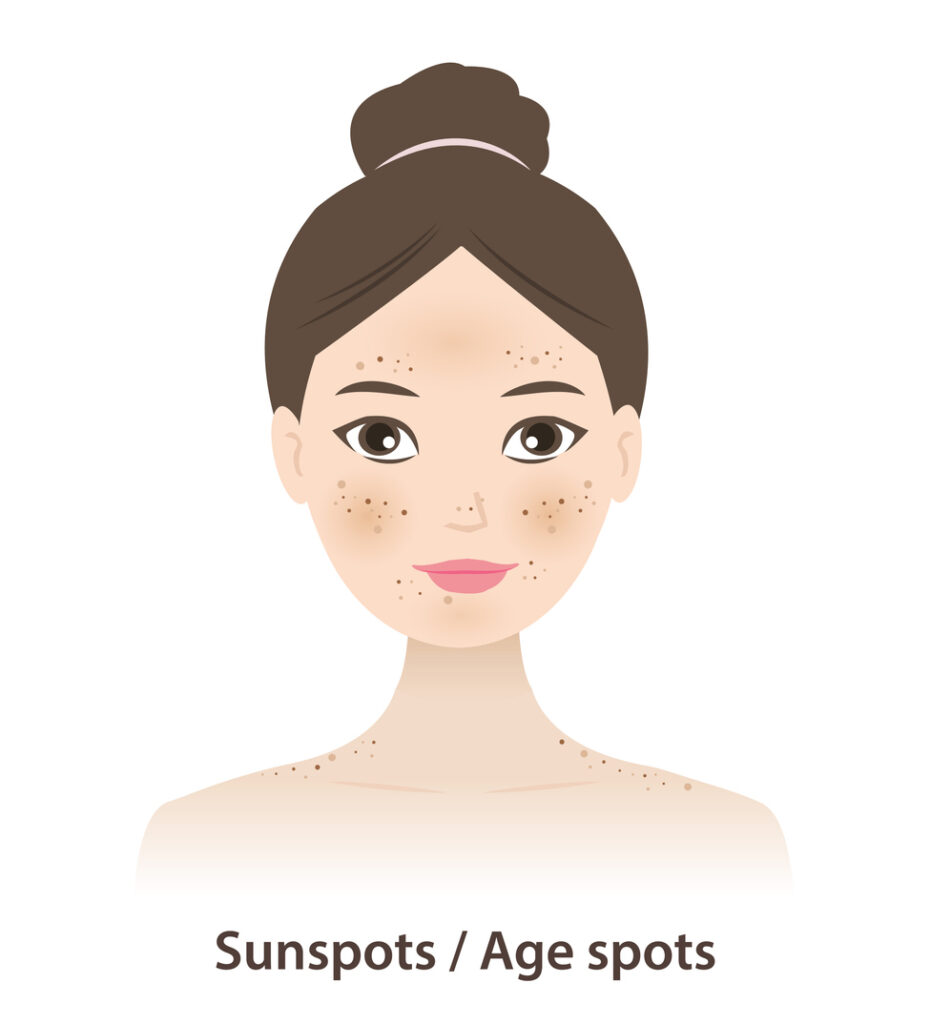
Actual age spots are not cancerous or dangerous, but can make people appear older and self-conscious about their appearance. Luckily, there are many ways to treat age spots.
Laser Treatments For Age Spots
Seelal says, “We have a range of laser treatments that offer different approaches. Certain wavelengths can penetrate the skin to destroy the melanocytes. Other instruments exfoliate the pigmented spots to trigger regeneration of new, unblemished skin.”
Age Spot Exfoliation
Seelal says, “Your skin specialist can provide a range of other exfoliation techniques, such as dermabrasion or microdermabrasion, and chemical peels. As with certain laser therapies, these procedures remove the pigmented areas to allow for undamaged skin regrowth.”
Topical Treatments
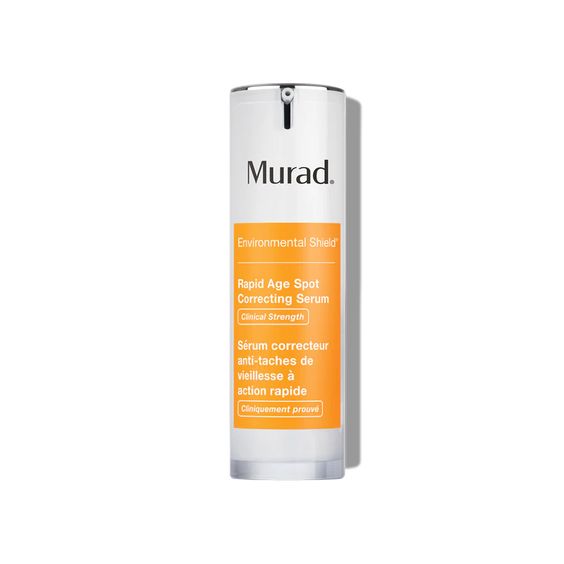
The most common over-the-counter (OTC) remedies for age spots include hydroquinone, glycolic acid, and kojic acid. While they can be effective, they can also irritate the skin, especially on people with dry or sensitive skin. There have also been safety concerns regarding hydroquinone (currently, the FDA allows it to be sold OTC at 2% concentration). It is best to do a patch test or consult your dermatologist before trying a new product. A dermatologist can also prescribe more potent topical treatments than are available OTC.
Concealing Age Spots With Makeup
Kelly Schultz, makeup artist and owner of JuLu Beauty, says, “In general, less is more. The simplest, quickest way to minimize age spots is to choose a medium foundation that will diffuse the appearance in one application.” If you have more time, Shultz suggests a four-step process: apply a color corrector, then concealer and foundation on top, and finish with a setting powder to protect and secure the layers. She cautions against using concealer alone, explaining, “Whether you use a concealer or color corrector, you must lightly apply and blend into the skin and surrounding surface. If it is not blended, it will appear obvious in texture and density.”
For age spots on the hand or neck, Schultz suggests using a waterproof aerosol foundation that covers lightly and prevents color transfer to other materials and body parts.
The Takeaway
There may be many ways to reduce the appearance of age spots, but the best option is to avoid getting them in the first place. Use a broad-spectrum SPF 40 sunscreen year-round, wear sun-protective clothing when in the sun (including a hat with a visor), and avoid spending time outside during the peak sun hours of 10 am to 4 pm. Seelal says, “Remember, the incidental sun we get in the car adds up, too.”
Learning how to take care of our skin as we age can be tricky. But we have some good news — using niacinamide for skin can help with multiple issues, and it’s even great for all ages.