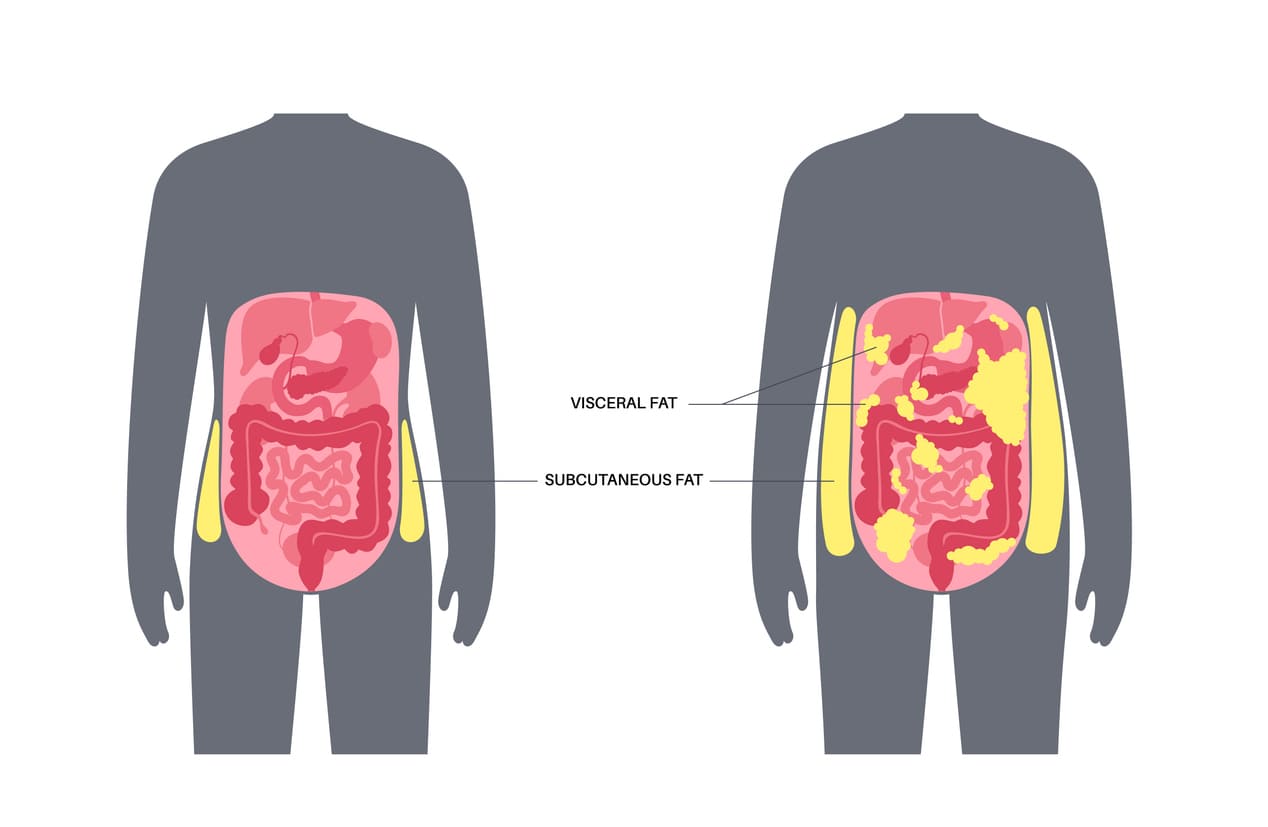
If you’ve noticed that weight seems to settle around your midsection more easily after 50 and stay there despite your best efforts, you’re not imagining it. Hormonal shifts, changes in muscle mass, and metabolism all play a role. But there’s another factor worth understanding: visceral fat.
Unlike the fat you can pinch, visceral fat is stored deep in the abdomen, surrounding vital organs like the liver and pancreas. It’s metabolically active, which means it can influence inflammation, insulin resistance, and your risk for conditions like heart disease and type 2 diabetes.
The good news? Your body is not working against you; it simply needs the right conditions to access and use that stored fat. One approach that has gained attention for doing just that is intermittent fasting.
What Intermittent Fasting Really Does
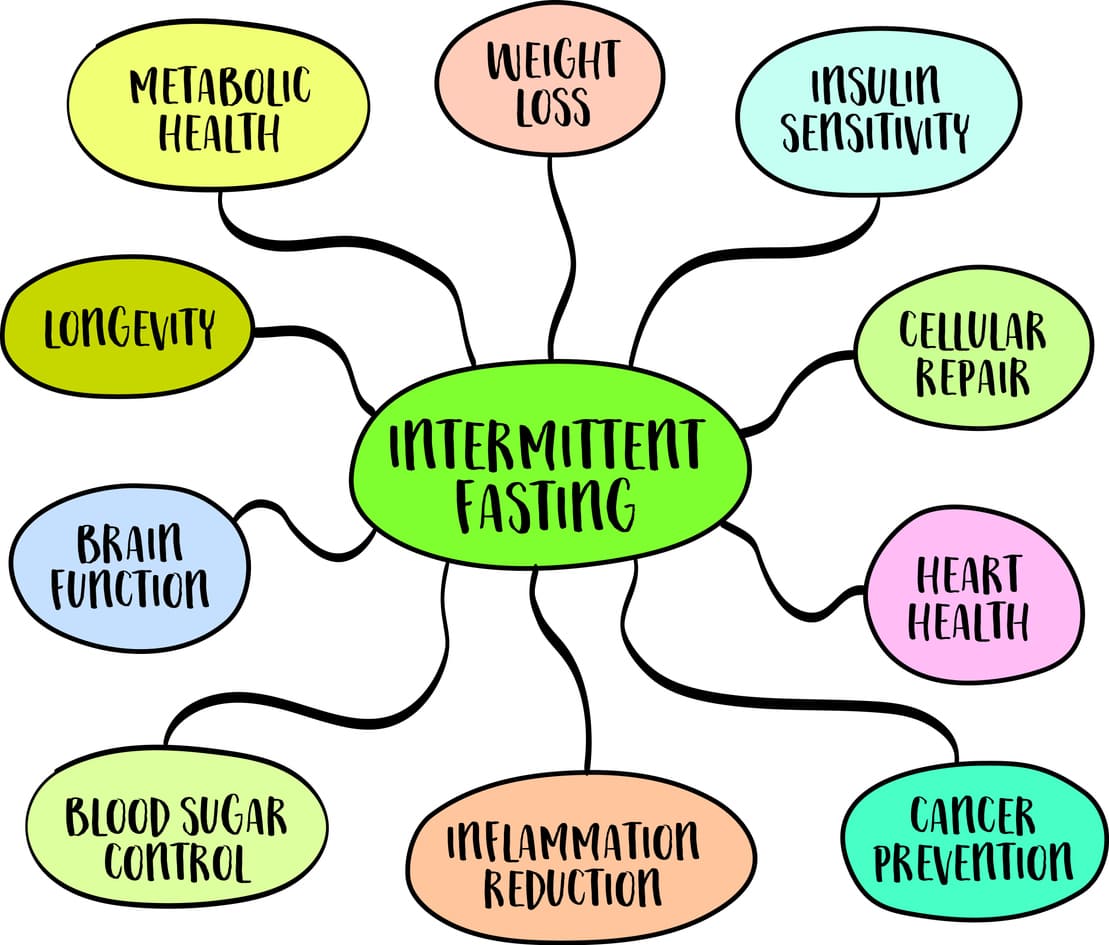
Intermittent fasting is less about restricting what you eat and more about when you eat. By creating a consistent period of time without food, you allow your body to move through its natural energy systems instead of staying in constant “fuel storage mode.”
Most people begin with a simple structure, such as eating within an 8–10 hour window and fasting for the remaining 14–16 hours. This might look like finishing dinner by 7 p.m. and eating your first meal the next day around 9 or 10 a.m.
That overnight fast is where the real metabolic benefits begin.
From Sugar Burning to Fat Burning: The Metabolic Switch
Your body is designed to run on two primary fuel sources: glucose (from carbohydrates) and fat.
After you eat, your body uses glucose for energy. Any excess is stored in the liver as glycogen, which acts as a short-term energy reserve. As long as glycogen is available, your body will continue to rely on it.
However, during a fasting period, those glycogen stores begin to decline.
- After approximately 12–16 hours, liver glycogen becomes significantly depleted
- As glycogen runs low, insulin levels drop
- This signals the body to begin accessing stored fat for energy
This transition is often referred to as the metabolic switch, a shift from burning glucose to burning fat.
Enter Ketones: Fuel for Body and Brain
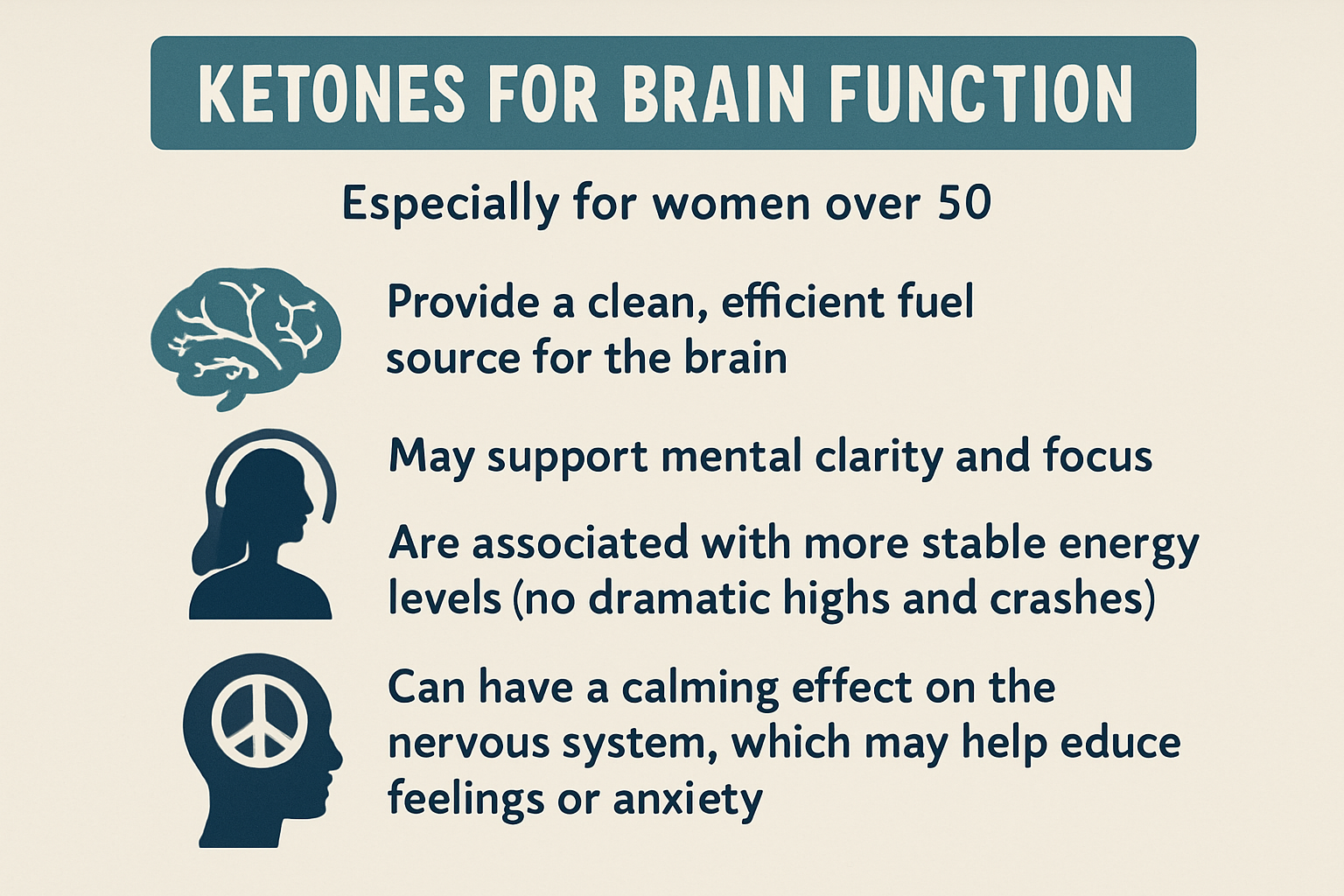
As your body begins breaking down fat, the liver converts fatty acids into ketones, an alternative energy source. This is known as entering a ketogenic state.
While ketones are often discussed in the context of weight loss, their role in brain function is just as important, especially for women over 50.
Ketones:
- Provide a clean, efficient fuel source for the brain
- May support mental clarity and focus
- Are associated with more stable energy levels (no dramatic highs and crashes)
- Can have a calming effect on the nervous system, which may help reduce feelings of anxiety
Many people report that once their body adapts to using ketones, they feel more mentally steady and less driven by frequent hunger cues.
Why This Matters for Visceral Fat
Visceral fat is particularly responsive to changes in insulin levels and metabolic flexibility.
When you’re eating frequently throughout the day, especially foods high in refined carbohydrates, insulin remains elevated. This makes it more difficult for your body to access stored fat.
Fasting periods allow insulin to decrease, which:
- Encourages fat breakdown (lipolysis)
- Makes stored fat, including visceral fat, more accessible for energy
- Improves overall metabolic health
In simple terms, intermittent fasting creates the conditions your body needs to begin using the energy it has already stored.
A Thoughtful Approach for Women Over 50
While intermittent fasting can be effective, it’s important to approach it in a way that supports, not stresses your body.
Start gradually.
A 12-hour overnight fast is a good place to begin. From there, you can extend the fasting window as it feels comfortable. Try to get to 16 hours.
Prioritize protein and nutrient-dense foods.
Maintaining muscle mass becomes increasingly important with age. Each meal should include adequate protein, healthy fats, and fiber.
Stay hydrated.
Water, herbal teas, and electrolyte balance all matter—especially during fasting periods.
Pay attention to how you feel.
Mild hunger is expected. Persistent fatigue, dizziness, or irritability is a signal to adjust your approach.
What to Expect
Intermittent fasting is not an overnight solution, but it is a sustainable one. Over time, many women notice:
- Reduction in abdominal fat
- Improved blood sugar control
- More consistent energy throughout the day
- Enhanced mental clarity
Perhaps most importantly, it simplifies eating patterns and reduces the constant cycle of snacking and hunger.
The Bottom Line
Visceral fat is a serious health concern, but it’s also highly responsive to lifestyle changes. Intermittent fasting offers a practical, research-supported way to help your body transition from storing energy to using it—while also supporting brain function and overall well-being.
It’s not about eating less. It’s about giving your body the time it needs to do what it was designed to do all along. And sometimes, the most effective changes are the ones that simply allow your body to work a little more efficiently.
5-day fasting-with-food system

If you want to jumpstart your fast and weight loss, order the ProLon 5-Day Fasting Mimicking Diet. In the U.S. and Canada, use coupon Code: PRIME for $25 off your order. This program is specially designed to target body fat so you can slim down fast. In fact, a 5-day cycle once a month for four months was shown to help people lose an average of 8.2 pounds with 1.6 inches off their waist circumference.
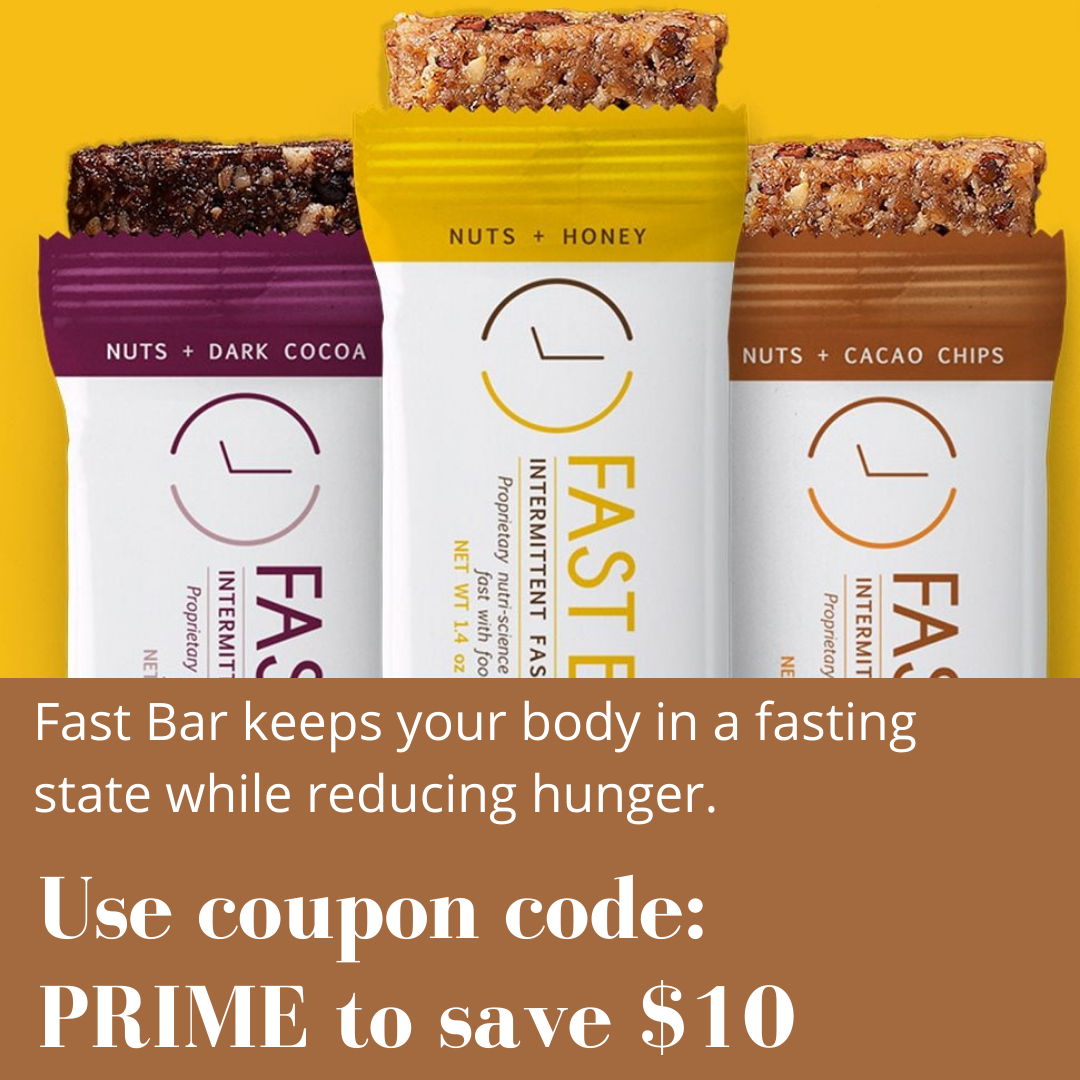
If you want to try intermittent fasting or just increase your fasting time without hunger, order Fast Bar. Use Coupon Code: PRIME for $10 off your order.