
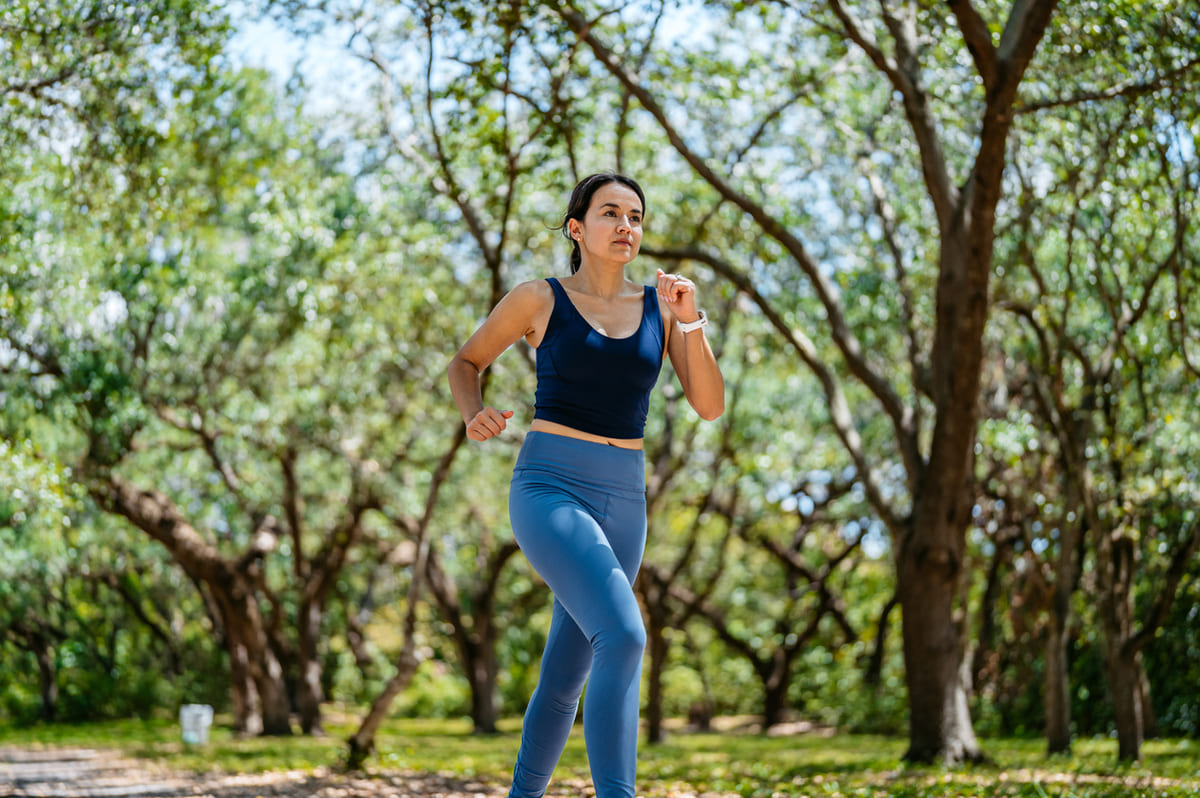
Sometimes the most effective workout trends aren’t the flashiest – they’re the ones people rediscover and start doing with intention. One of the fastest-growing fitness movements right now is structured walking workouts, often called power walking or interval walking.
What makes this trend different from a casual stroll is purposeful pacing, strength intervals, and strategic timing. Instead of simply walking around the neighborhood, these workouts alternate between faster walking bursts, recovery periods, and bodyweight exercises that elevate heart rate and build strength.
The appeal is easy to understand: walking workouts are low-impact, accessible, and incredibly effective for improving cardiovascular health, endurance, balance, and overall fitness.
Even better, they can be done almost anywhere and require minimal equipment. With the right structure, a walking workout can become a full-body routine in just 30–40 minutes.
Let’s explore how this trending workout works, and exactly how to do it.
Why Walking Workouts Are So Effective
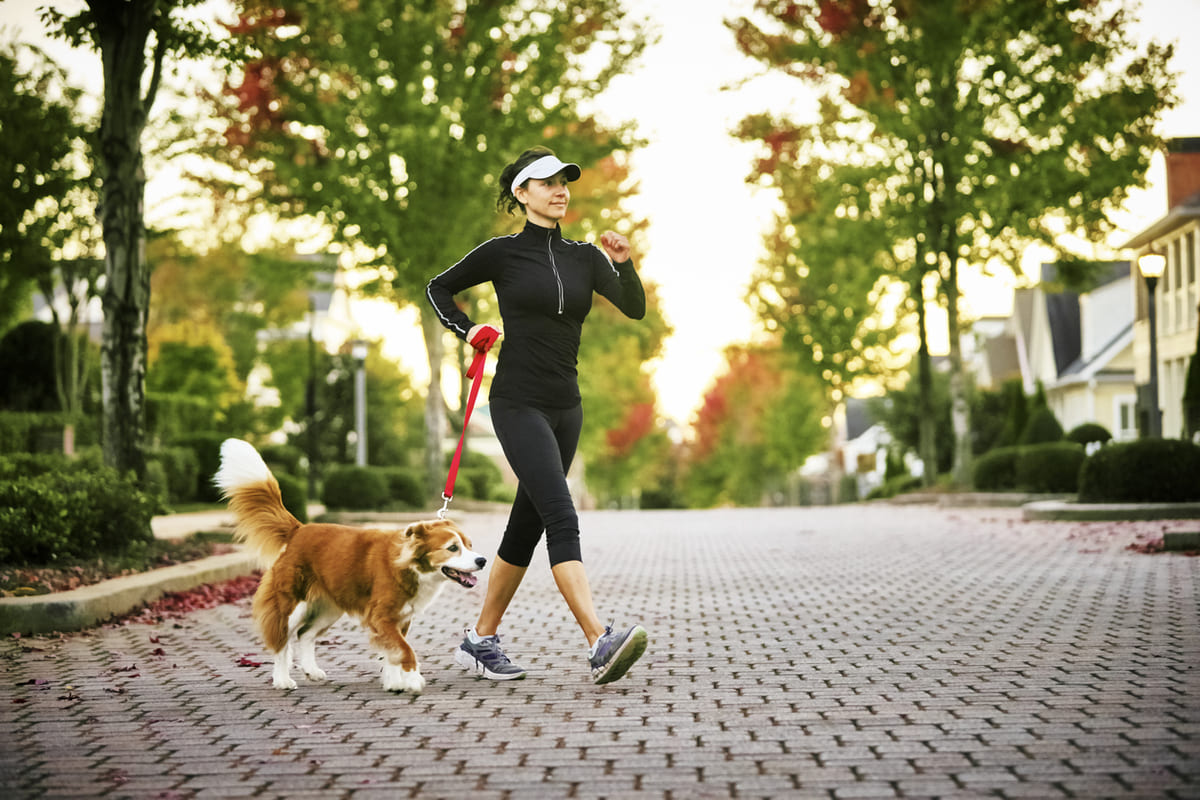
Walking is often underestimated, but when performed with intensity and structure, it becomes a powerful form of exercise.
Structured walking workouts can help improve:
- Cardiovascular endurance
- Lower-body strength
- Balance and coordination
- Joint mobility
- Energy levels
Because walking is low-impact, it’s also easier on the joints than running or high-intensity workouts.
Adding intervals – alternating between faster and slower paces – keeps the body challenged and boosts calorie burn without requiring sprinting.
The key is walking with purpose.
The Interval Walking Workout
This workout combines power walking and simple strength exercises. The full routine takes about 35 minutes and can be done 3–5 times per week.
Warm-Up (5 minutes)
Start with an easy walk to prepare your muscles.
Focus on:
- Rolling your shoulders back
- Swinging your arms naturally
- Standing tall with good posture
Gradually increase your pace until you feel warm.
Workout Circuit
Repeat the following sequence 4–5 times.
1. Power Walk

Power walking increases heart rate while strengthening the legs and glutes.
How to do it:
- Walk at a brisk pace where talking becomes slightly challenging.
- Swing your arms naturally at your sides.
- Take slightly longer strides while keeping good posture.
- Keep your head up and shoulders relaxed.
Duration: 2 minutes
Tip: Imagine you’re trying to make it to an appointment on time.
2. Walking Lunges
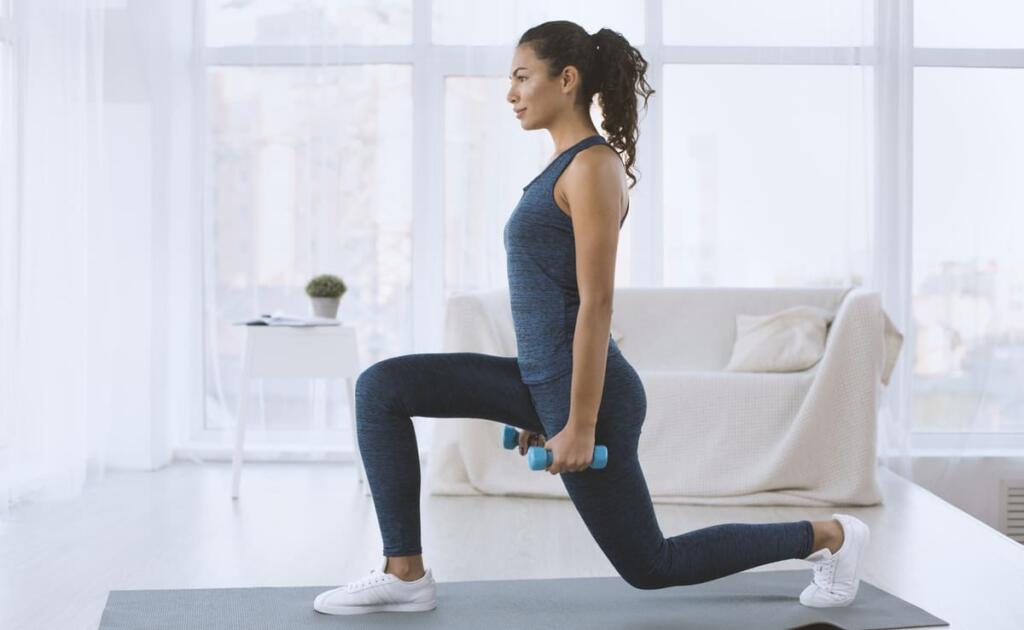
Walking lunges build strength in the glutes, quads, and hips while improving balance.
How to do it:
- Step forward with your right leg.
- Lower your body until both knees bend about 90 degrees.
- Push through your front heel to stand.
- Step forward with the opposite leg.
Tips:
- Keep your torso upright.
- Avoid letting your front knee move past your toes.
Reps: 10–12 steps
If lunges feel difficult, you can substitute stationary lunges.
3. Fast Walk Intervals

These bursts raise your heart rate and improve endurance.
How to do it:
- Increase your walking speed significantly.
- Pump your arms more aggressively.
- Take quick, controlled steps.
Duration: 1 minute
Think of this as your “almost jogging but not quite” pace.
4. Squat + Calf Raise
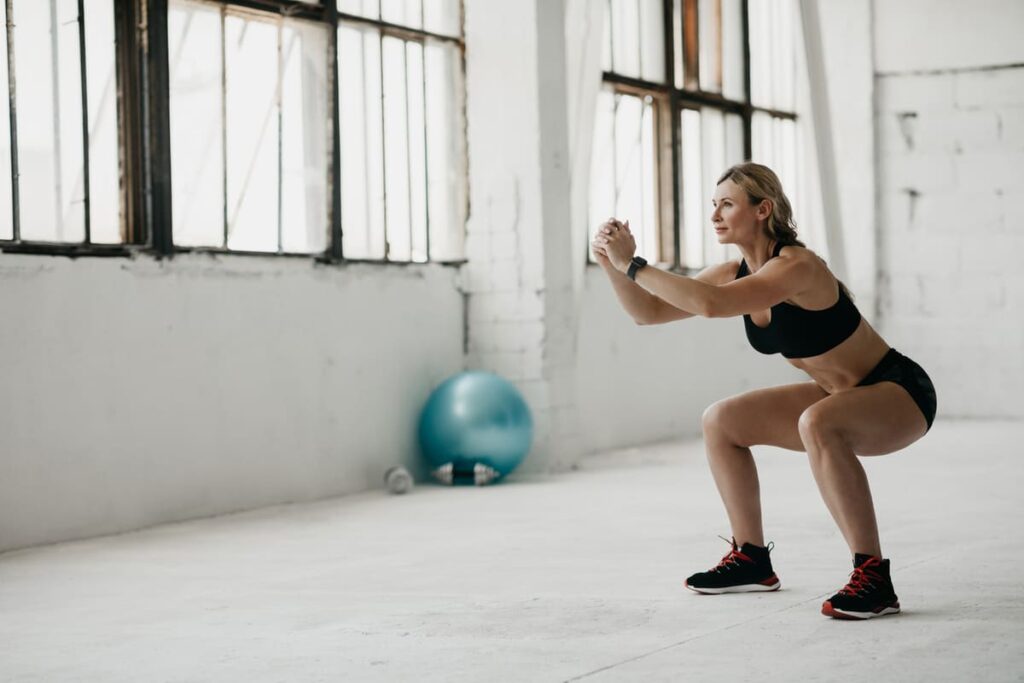
This combination strengthens the legs while improving ankle stability and balance.
How to do it:
- Stand with feet shoulder-width apart.
- Lower into a squat by pushing hips back.
- Stand back up.
- Immediately rise onto your toes into a calf raise.
- Lower heels back down.
Tips:
- Keep your chest lifted.
- Move slowly and with control.
Reps: 12
5. Recovery Walk
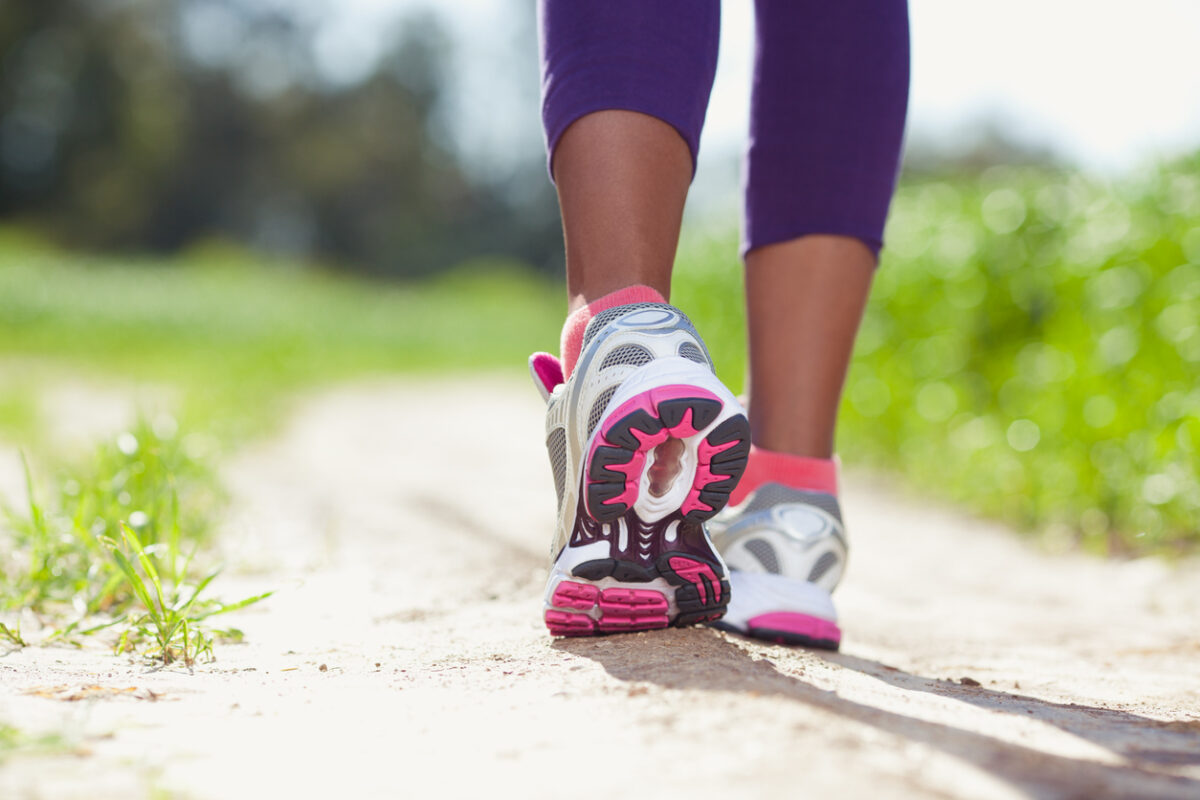
Slow your pace and allow your breathing to recover.
Duration: 1 minute
Focus on deep breathing and relaxed strides.
Cool Down (5 minutes)
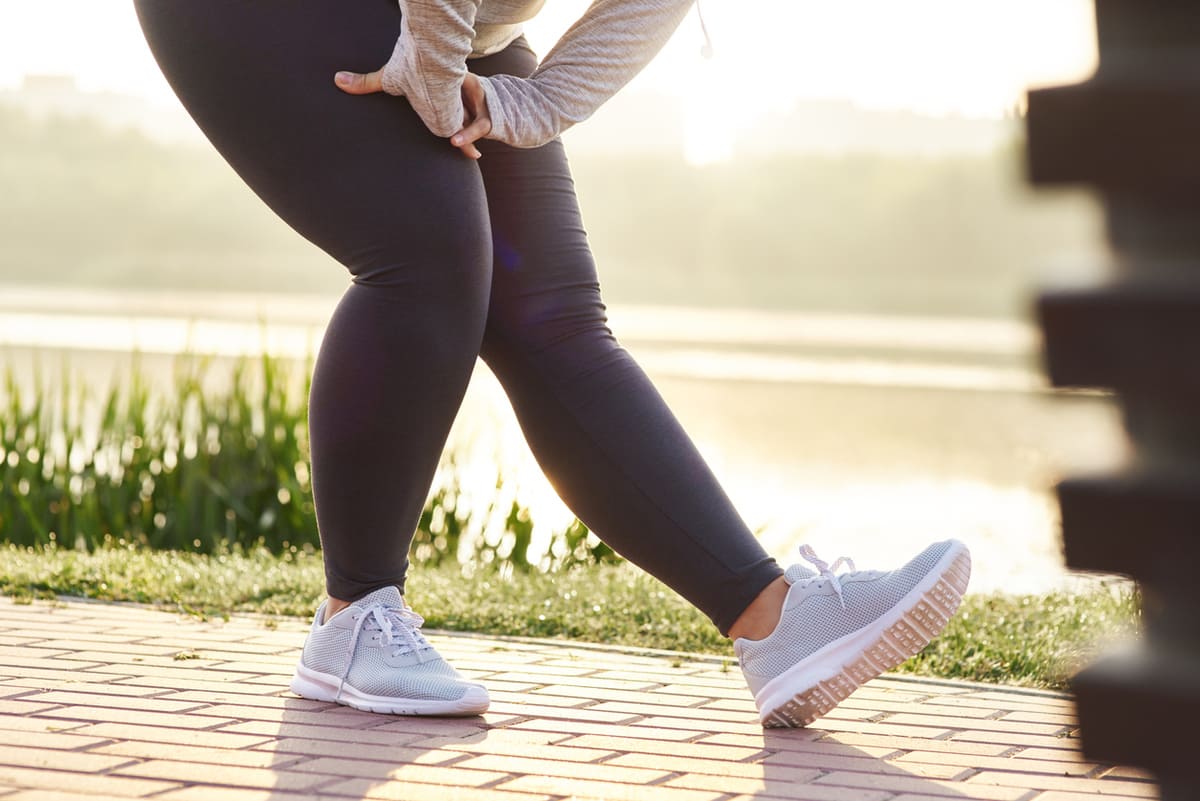
Finish your workout with a relaxed walk.
Then stretch the major muscle groups:
Hamstring stretch
- Place one foot slightly forward
- Hinge at the hips
- Hold for 20 seconds each side
Calf stretch
- Place hands against a wall
- Extend one leg behind you
- Press heel into the ground
Hip stretch
- Step one foot forward into a gentle lunge
- Hold for 20 seconds
Stretching helps maintain mobility and reduce soreness.
How Often to Do Walking Workouts
For best results, aim for 3–5 sessions per week.
A balanced weekly routine might look like this:
Monday: Interval walking workout
Tuesday: Light yoga or stretching
Wednesday: Interval walking workout
Thursday: Leisure walk or rest
Friday: Interval walking workout
Weekend: Outdoor activity or longer scenic walk
Consistency matters more than intensity. Over time, the body adapts, making walks feel easier and more energizing.
Ways to Make Walking Workouts Even Better
Once you get comfortable with the routine, you can increase the challenge.
Try these simple upgrades:
Add light hand weights
Carrying small dumbbells (1–3 pounds) increases upper-body engagement.
Use hills
Walking uphill activates the glutes and hamstrings more intensely.
Increase interval speed
Gradually push your fast-walking pace.
Wear a weighted vest
This safely increases resistance without stressing joints.
Even small changes can make a walking workout more effective.
Why This Trend Is Growing So Quickly
Many people are rethinking how fitness fits into their lives. Long gym sessions and high-impact workouts aren’t always sustainable.
Walking workouts offer something different:
- They’re flexible
- They’re enjoyable
- They’re sustainable
Most importantly, they build real-world stamina and strength without overwhelming the body.
It’s also a social workout. Many people enjoy walking with friends, listening to podcasts, or exploring new neighborhoods while exercising.
The Bottom Line
Fitness doesn’t have to be complicated to be effective. Structured walking workouts prove that simple movements—when done with intention—can deliver powerful results.
By combining brisk walking, short strength exercises, and recovery periods, you create a workout that improves endurance, strengthens muscles, and boosts energy levels.
All it takes is a comfortable pair of shoes, a little time, and the decision to start moving.
And sometimes, the most powerful step toward better fitness really is just one step at a time.
Read Next:
Walking for Heart Health: How You Walk May Matter More Than You Think