

Most of us expect menopause to change our skin. We expect it to affect our sleep, our waistline, and maybe even our hair. But our voice? That one tends to catch us completely off guard.
Maybe you’ve noticed that you have to clear your throat before your first Zoom meeting. Perhaps your voice cracks when you’re talking to your grandkids, or you can’t hit the high notes in the church choir anymore. You may even find yourself asking, “Was my voice always this raspy?” You’re not imagining it.
Just as hormones affect your skin, hair, muscles, and joints, they also affect your vocal cords. In fact, many ear, nose, and throat specialists recognize that menopause can lead to measurable changes in the voice, although the experience varies from woman to woman.
The good news is that these changes are often manageable, and understanding what’s happening can help you protect one of your most important tools: your voice.
Your Vocal Cords Are Living Tissue
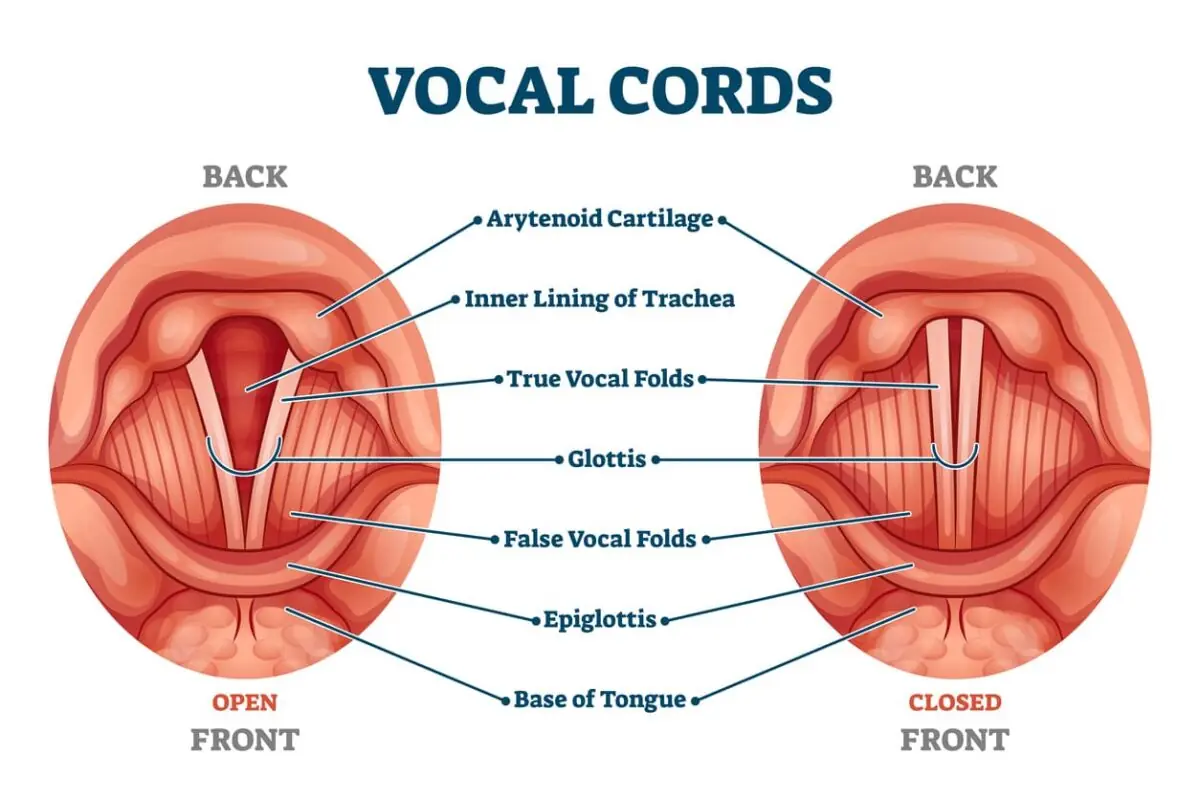
It’s easy to think of your voice as something that simply comes out when you talk. In reality, your vocal folds are delicate layers of muscle and connective tissue covered by a thin lining. As air passes through them, they vibrate thousands of times every day to create sound.
Like the rest of your body, those tissues respond to hormones. Research has shown that the larynx, the structure that houses the vocal folds, contains hormone receptors, and changes in estrogen levels can influence the tissues involved in voice production.
How Menopause Changes Your Voice
During menopause, estrogen declines while the balance between estrogen and androgens shifts.
For some women, this leads to:
- A slightly lower speaking pitch
- Increased vocal fatigue
- Hoarseness
- Reduced vocal range
- Difficulty projecting the voice
- A sensation of throat dryness
- Needing to clear the throat more often
Not every woman experiences all of these symptoms, and many notice only subtle changes. If you don’t make your living with your voice, you might simply think you’re “getting older.” In reality, there are biological reasons behind what you’re hearing.
Dryness Plays a Bigger Role Than You Think
One of estrogen’s many jobs is helping maintain moisture in tissues throughout the body. As estrogen declines, many women experience dry eyes, dry skin, and vaginal dryness. The throat is no exception.
Less moisture means the vocal folds don’t glide across one another as easily during speech. That can make the voice sound rougher and tire more quickly after long conversations or presentations.
Acid Reflux Can Join the Party
Unfortunately, menopause sometimes comes with another unwanted guest: reflux. Even mild reflux that doesn’t cause classic heartburn can irritate the vocal folds, leading to chronic throat clearing, hoarseness, or the feeling that something is stuck in your throat.
The American Academy of Otolaryngology notes that laryngopharyngeal reflux can cause voice changes even when heartburn isn’t present. If your voice seems worst in the morning, reflux is worth discussing with your healthcare provider.
Everyday Habits Matter

Professional singers spend years learning how to protect their voices. The rest of us usually don’t think about ours until something changes. Simple habits can make a noticeable difference:
- Stay hydrated throughout the day rather than trying to “catch up” at night.
- Avoid shouting over loud restaurants or sporting events whenever possible.
- Take short voice breaks if you spend hours talking for work.
- If your throat feels dry, sip water instead of constantly clearing your throat. Repeated throat clearing can create additional irritation.
Products That Can Help
You don’t need an elaborate vocal-care routine, but a few simple products may make your throat more comfortable.
A bedside humidifier can help if your home is dry, especially during winter or if you use air conditioning frequently.
A reusable insulated water bottle makes it easier to stay hydrated throughout the day.
If you frequently speak for work, a personal voice amplifier may reduce the strain of trying to project in large rooms.
For women who sing, using a straw phonation exercise kit (recommended by many speech-language pathologists) can be a gentle way to warm up the voice.
These products won’t stop menopause from affecting the voice, but they can help reduce unnecessary strain.
Should You Be Doing Vocal Exercises?
Possibly……. Speech-language pathologists often recommend vocal exercises for people experiencing voice fatigue or reduced vocal endurance.
Just as regular exercise helps maintain muscle strength elsewhere in the body, targeted voice therapy can improve efficiency and reduce strain. If you’re noticing persistent changes, ask your physician whether a referral to a speech-language pathologist would be appropriate.
When It’s Time to See an ENT
Most menopause-related voice changes happen gradually. However, hoarseness that lasts longer than four weeks should always be evaluated by a healthcare professional.
The American Academy of Otolaryngology recommends prompt evaluation for persistent hoarseness, particularly if it’s associated with difficulty swallowing, coughing up blood, a neck mass, unexplained weight loss, or a history of smoking.
Sometimes the cause is menopause. Sometimes it’s allergies, reflux, a vocal fold polyp, or another condition that deserves treatment. The only way to know is to have it evaluated.
The Bottom Line
If your voice doesn’t sound quite like it used to, you’re not imagining it. Hormonal changes, tissue dryness, age-related changes in the vocal folds, and conditions like reflux can all influence the way your voice sounds and feels after menopause.
Fortunately, staying hydrated, avoiding unnecessary vocal strain, treating underlying conditions, and seeking professional evaluation when needed can go a long way toward preserving your voice.