

When it comes to women, sleep, and menopause, you need to know what to expect. This is a time of significant changes; getting good rest shouldn’t suffer.
Sleep is a fundamental aspect of health, yet its importance escalates during certain stages of life, particularly for women. Studies suggest that women generally have different sleep needs compared to men, and these needs become even more pronounced during menopause. In this article, we delve into why adequate sleep is crucial for women, with a special focus on the transitional phase of menopause.
The Intricacies of Sleep and Gender Differences

Women’s sleep needs are intricately tied to their biological and hormonal frameworks. Unlike men, women often experience more pronounced fluctuations in sleep quality due to life phases such as menstruation, pregnancy, and, notably, menopause. These stages bring about hormonal shifts that can disrupt the sleep cycle, leading to less restful sleep and making women more susceptible to sleep disturbances.
Menopause and Sleep Challenges
Menopause is not merely about the cessation of menstruation; it’s a period marked by significant hormonal upheaval that can wreak havoc on sleep. Symptoms such as hot flashes and night sweats create discomfort and frequent awakenings, while mood fluctuations and anxiety attributable to hormonal changes can delay sleep onset.
Another surprisingly common symptom is bladder leakage. Declining estrogen affects not only body temperature and mood but also the muscles and tissues that support the bladder. Many women first notice occasional leaks during perimenopause, especially when laughing, sneezing, exercising, or waking up several times throughout the night. Because it isn’t discussed nearly enough, many women don’t realize this is a normal part of the menopausal transition and that there are effective ways to manage it.
Moreover, the decrease in estrogen and progesterone, which play roles in sleep regulation, further complicates the ability to both fall asleep and stay asleep.
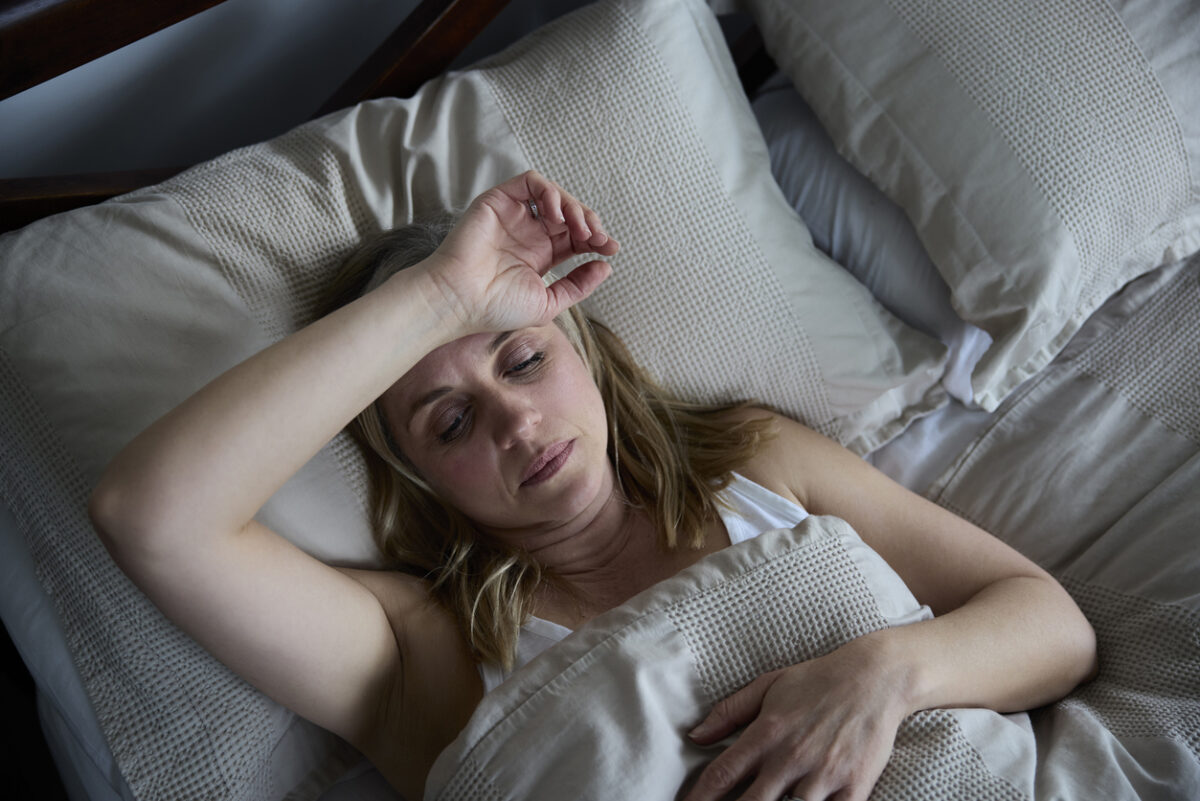
Why Extra Sleep is Crucial
- Hormonal Balance: Adequate sleep is essential for regulating not just the reproductive hormones but also those involved in stress response and appetite control. For menopausal women, who often experience increased anxiety and weight gain, a good night’s sleep can be a cornerstone of hormonal balance and stress alleviation
- Emotional Well-being: The link between sleep deprivation and emotional distress is well-documented. For women in menopause, the stakes are even higher. Quality sleep acts as a buffer against mood swings and can help manage the heightened emotional reactivity associated with hormonal changes.
- Physical Health: Sleep affects various aspects of physical health, from cardiovascular health to weight management. Menopausal women are at a higher risk for heart disease and weight gain; hence, adequate sleep is essential for maintaining physical health and preventing these conditions.
Tips for Improving Sleep During Menopause
- Optimize Your Sleep Environment: A cool, serene bedroom environment can mitigate symptoms like hot flashes. Consider breathable, moisture-wicking bed linens and a bedroom temperature slightly lower than usual to enhance comfort.
- Consistency is Key: Establishing and sticking to a sleep schedule reinforces your body’s sleep-wake cycle, which can be particularly beneficial during menopause when natural rhythms may be disrupted.
- Mind Your Diet: Avoid stimulants like caffeine and spicy foods close to bedtime, which can exacerbate menopausal symptoms like night sweats. Also, a light, nutritious snack rich in protein can stave off hunger pangs at night.
- Embrace Calming Activities: Integrating calming evening routines such as gentle yoga, meditation, or even a leisurely walk can significantly transition your body and mind into a state conducive to sleep.
The Menopause Sleep Survival Kit
If menopause has turned your nights into an endless cycle of kicking off the covers, searching for the bathroom, and staring at the ceiling at 3 a.m., you’re not alone. The good news is that a few well-chosen products can make a surprising difference.
Magnesium Can Help You Relax

Magnesium plays an important role in muscle relaxation and nervous system function. While it isn’t a miracle cure, many women find that taking magnesium glycinate before bed helps them feel calmer and fall asleep more easily. It’s also gentle on the stomach compared to some other forms of magnesium.
Recommended products:
Cooling Bedding Can Reduce Night Sweats
One of the quickest ways to improve sleep is to stop waking up overheated. Cooling sheets, moisture-wicking pajamas, and breathable pillows can help regulate body temperature throughout the night.
Recommended products:
Consider a White Noise Machine
Many women become lighter sleepers during menopause. A white noise machine can help mask outside sounds and make it easier to stay asleep after waking from a hot flash.
Recommended products:
Don’t Ignore Nighttime Bladder Leakage

One of the least talked about symptoms of perimenopause and menopause is bladder leakage. As estrogen levels decline, the tissues that support the bladder and urethra can weaken, making it more common to experience leaks when coughing, laughing, exercising, or simply sleeping through the night.
Unfortunately, many women assume they just have to live with it. They don’t. If moderate to heavy bladder leakage is interrupting your sleep, using the right overnight protection can make an enormous difference in both comfort and confidence.
LivDry Overnight Protective Underwear is specifically designed for heavy overnight leakage, offering exceptional absorbency that helps keep you dry until morning. The soft, discreet fit is comfortable enough to wear under pajamas without feeling bulky, while advanced odor control helps you feel fresh and confident.
Instead of waking up worried about leaks or changing bedding in the middle of the night, many women find they sleep more soundly knowing they’re protected. Whether you’re traveling, caring for aging parents or grandchildren, recovering after exercise, attending social events, or simply hoping for an uninterrupted night’s sleep, having reliable overnight protection can remove one more source of stress.
Menopause already throws enough curveballs your way. Worrying about bladder leaks doesn’t have to be one of them.
If Hot Flashes Are Your Biggest Problem
Cooling products designed specifically for menopause can make a noticeable difference.
Worth trying:
Conclusion
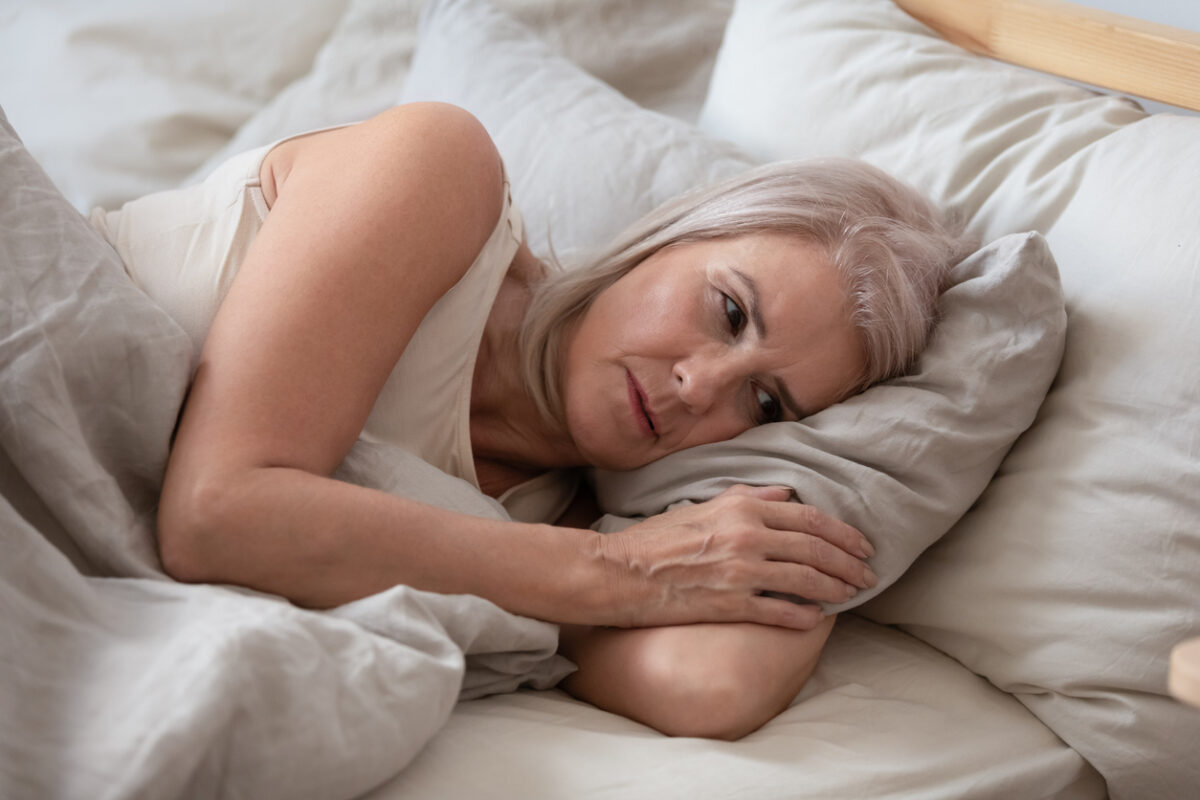
As we embrace the narrative that every woman’s journey through menopause is uniquely her own, it becomes evident that tailored approaches to sleep are not just beneficial but necessary. Sleep is not merely a passive state; it’s a dynamic process that repairs, restores, and rejuvenates. For women in midlife and beyond, prioritizing sleep is prioritizing health, vitality, and quality of life.