Life after 50 should be fabulous, a time when we enjoy hard-earned wisdom, emotional clarity, and the freedom from many earlier life stresses. Yet, age-related challenges like chronic disease, reduced bone density, fatigue, and poor sleep can creep in, dimming our joy.
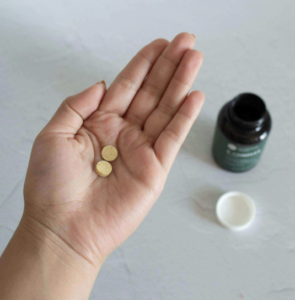
One simple, powerful tool to protect our health is often overlooked: magnesium, a fatigue-fighting mineral that I like to call nature’s muscle relaxer.
Why Magnesium Matters

Magnesium is the fourth most abundant mineral in the human body and is essential for over 300 biochemical reactions, many directly tied to energy production, muscle function, and overall vitality.
Its benefits include:
- Bone strength alongside calcium and vitamin D
- Heart health through steady rhythms and healthy blood pressure
- Blood sugar balance for diabetes prevention
- Nervous system support, helping to ease stress and improve sleep
- Immune system resilience
Emerging research continues to highlight magnesium’s value. A 2023 meta-analysis in Nutrients found magnesium supplementation may reduce the risk of type 2 diabetes, improve physical performance in older adults, and even support cognitive health.
Who’s at Risk for Deficiency
Despite being abundant in nature, magnesium is surprisingly scarce in many diets. Estimates suggest 60–70% of adults fail to meet the recommended intake. For women over 50, the daily target is 320 mg.
Risk factors for low magnesium include:
- Age-related changes: reduced absorption and lower intake
- Common medications: diuretics, certain antibiotics, chemotherapy drugs, and long-term proton pump inhibitor (PPI) use for acid reflux
- Health conditions: poorly controlled diabetes, digestive disorders (e.g., Crohn’s, celiac), alcoholism, and chronic stress
Signs You Might Be Low in Magnesium

Possible symptoms include:
- Fatigue or muscle weakness
- Cramps or muscle twitches
- Irritability or anxiety
- Numbness or tingling
- Irregular heartbeat
- Trouble sleeping
Because these symptoms overlap with other health issues, always consult your healthcare provider for testing before starting supplements.
Best Food Sources
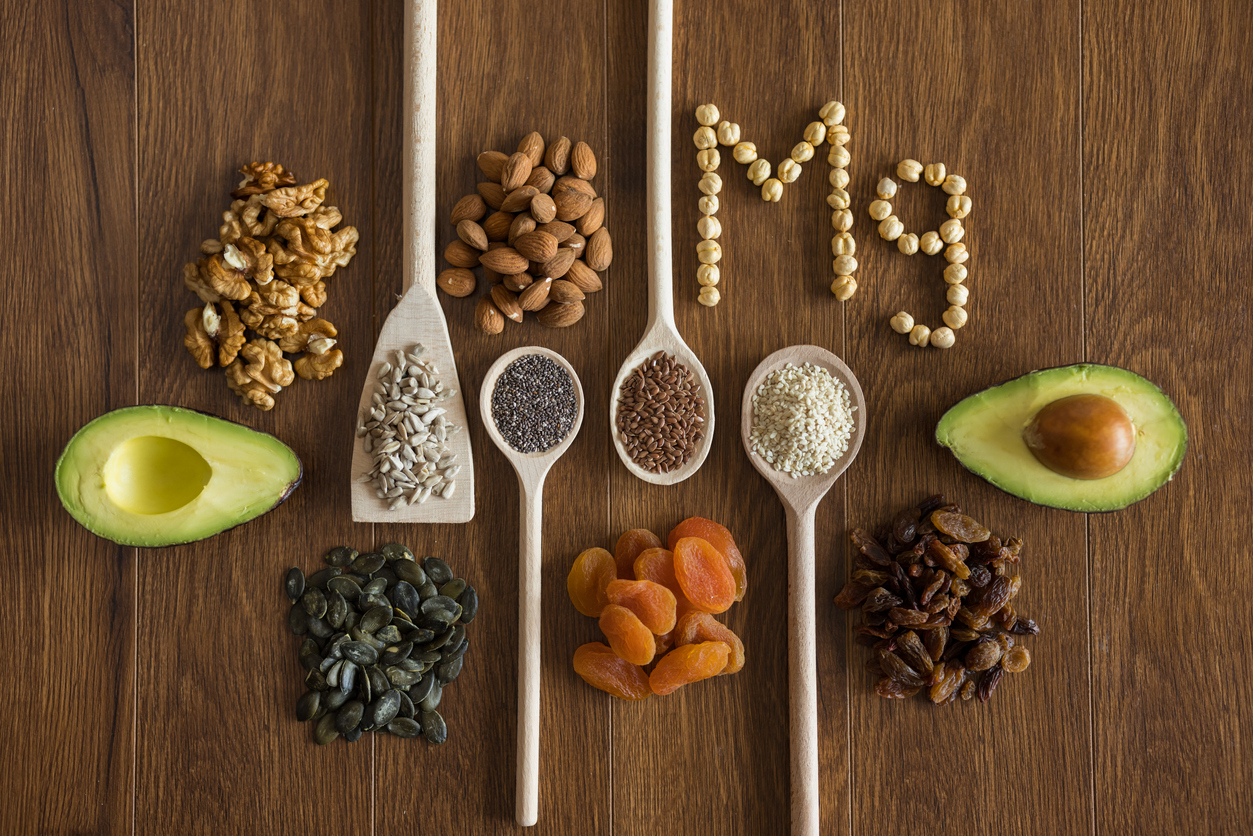
Nature provides plenty of delicious, magnesium-rich options:
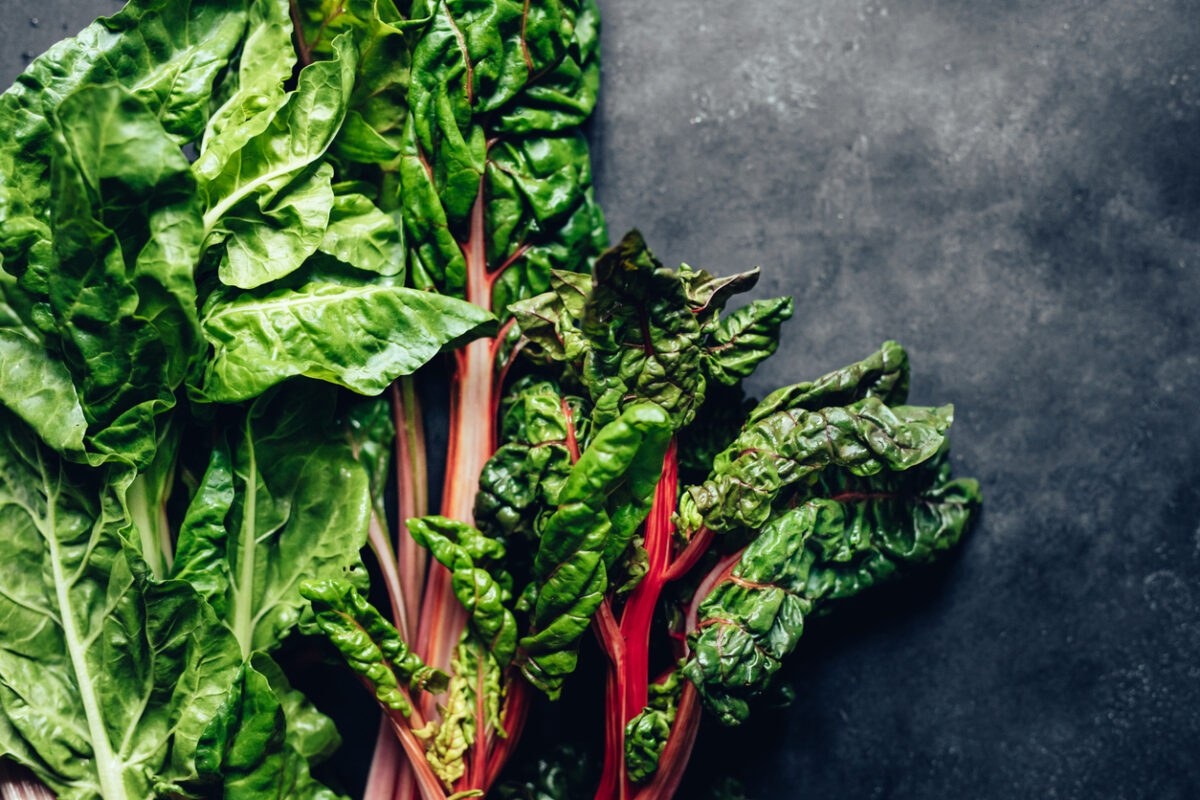
- Dark leafy greens – spinach, Swiss chard
- Nuts & seeds – almonds, cashews, pumpkin seeds, sunflower seeds
- Legumes – black beans, soybeans, lentils, peas
- Whole grains – quinoa, brown rice, oats
- Fruits – bananas, avocado, papaya
- Fish – salmon, halibut, cod, pollock
- Low-fat dairy – yogurt, milk
A Day of Magnesium-Friendly Eating (Approx. 320 mg)
- Breakfast: No-fat plain yogurt with ½ cup blueberries and 2 tbsp pumpkin seeds, coffee or tea
- Lunch: Large mixed-greens salad with black beans or edamame, avocado, egg, and colorful veggies
- Snack: Banana with almond butter or a handful of almonds
- Dinner: Baked halibut with sautéed spinach and steamed broccoli
Supplement Options
Food should be your primary magnesium source, but supplements can help if you have trouble meeting needs. Stick to recommended doses—too much can cause diarrhea or cramping. If you have kidney disease, avoid supplements unless your doctor advises them.
If a supplement is right for you, here are our top picks:
Swanson Triple Magnesium Complex, $13.42
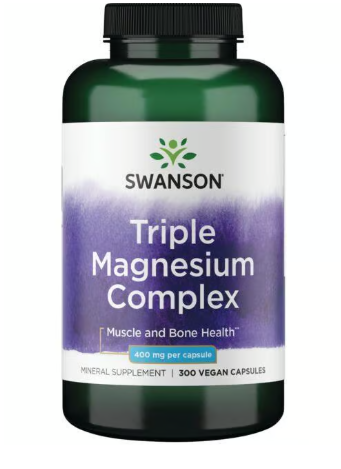
Swanson’s Triple Magnesium Complex features three distinct sources of magnesium for maximum benefits. One of the most essential minerals in the diet, magnesium transports calcium and activates vitamin D, important factors in the strength and health of your bones and muscles.
BB Company Marine Magnesium + B6, $28
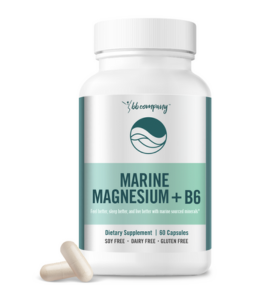
Unlike your typical drugstore Magnesium, BB Company Ocean Magnesium features 200mg of Aquamin® magnesium sourced from pristine Irish seawaters, delivering superior solubility compared to synthetic alternatives like magnesium glycinate. Packed with 72 naturally occurring trace minerals, this premium formula supports healthy bones, joints, cardiovascular wellness, and more. The added vitamin B6 also boosts magnesium absorption to help you relax, ease daily stress, loosen tight muscles, and sleep better.
Bottom Line
If you’re feeling tired, stressed, achy, or struggling with blood pressure or sleep, magnesium could be part of the answer. Think of it as an investment in your vitality bank account. A spinach salad today might be one of the best gifts you give your future self.
Disclaimer: This article is for informational purposes only and is not a substitute for professional medical advice, diagnosis, or treatment. Always seek the guidance of your healthcare provider.
Read Next:
Recognize and Prevent Heart Disease