

If you’ve ever stood up from the couch and thought, “Wow, my knees did not approve of that,” you’re not alone. Joint health has a sneaky way of moving from something we never think about to something we’re suddenly very aware of, usually right when we’re trying to enjoy life the most.
The good news? Joint discomfort isn’t inevitable, and it’s definitely not something you have to “just live with.” Understanding what’s happening inside your body – and how to support it – can make a noticeable difference in how you move, feel, and recover.
Let’s break it down.
Why Joint Health Tends to Decline Over Time

Joints are complex systems made up of bones, cartilage, connective tissue, and fluid that work together to keep movement smooth and pain-free. Over time, natural changes begin to affect how well those systems function. Cartilage, which cushions the ends of bones, gradually becomes thinner and less resilient. At the same time, the body produces less collagen, a key protein that keeps joints, tendons, and ligaments strong and flexible. Add in increased inflammation—something that tends to rise quietly with age—and joints can start feeling stiff, achy, or less cooperative than they once were.
Muscle loss also plays a role. Strong muscles help stabilize joints and absorb impact. When muscle mass declines, joints often end up taking on more stress than they were designed to handle. Years of repetitive movement, old injuries, or even long periods of sitting can add to the problem, making joint discomfort feel unavoidable. Fortunately, it isn’t.
Smart Ways to Protect Your Joints

Prevention isn’t about avoiding movement; it’s about choosing the right movement and habits.
Keep moving (gently and consistently).
Low-impact activities like walking, swimming, cycling, yoga, and Pilates help lubricate joints and maintain the range of motion without excessive strain.
Strength train – yes, really.
Building muscle around joints reduces pressure and improves stability. Bodyweight exercises, resistance bands, or light weights go a long way.
Mind your posture.
Poor posture can create unnecessary joint stress, especially in the neck, shoulders, hips, and knees. Small adjustments throughout the day can prevent long-term wear.
Maintain a healthy weight.
Every extra pound adds pressure, especially on the knees and hips. Even modest weight changes can significantly reduce joint strain.
Natural Ways to Improve Joint Health

If your joints are already feeling cranky, natural strategies can help calm things down and support healing.
Eat for joint support.
An anti-inflammatory diet makes a difference. Focus on:
- Fatty fish (salmon, sardines)
- Olive oil
- Leafy greens
- Berries
- Nuts and seeds
Reduce ultra-processed foods and excess sugar, which can fuel inflammation.
Hydration matters more than you think. Synovial fluid – the lubricant in your joints – needs water to do its job. Dehydration can make joints feel stiff and creaky.
Prioritize mobility and stretching. Gentle stretching improves circulation, reduces stiffness, and keeps joints moving comfortably. Even 5–10 minutes a day helps.
Don’t underestimate rest and recovery. Sleep is when tissues repair themselves. Chronic poor sleep is strongly linked to increased pain sensitivity and inflammation.
4 Joint Supplements to Consider
Supplements aren’t magic, but the right ones can provide meaningful support, especially when combined with good nutrition and regular physical activity.
Glucosamine & Chondroitin
These compounds are naturally found in cartilage and may help slow cartilage breakdown and support joint cushioning. Many people find them helpful for stiffness, particularly in the knees.

Feeling good in your body is about more than just moments free from discomfort; it’s about long-term mobility and comfort. Physio Flex Pro blends natural ingredients to support joint comfort and flexibility, helping you stay confident and active in everything you choose to do.
Omega-3 Fatty Acids
Found in fish oil, omega-3s help reduce inflammation throughout the body, including the joints. They’re especially useful for morning stiffness.
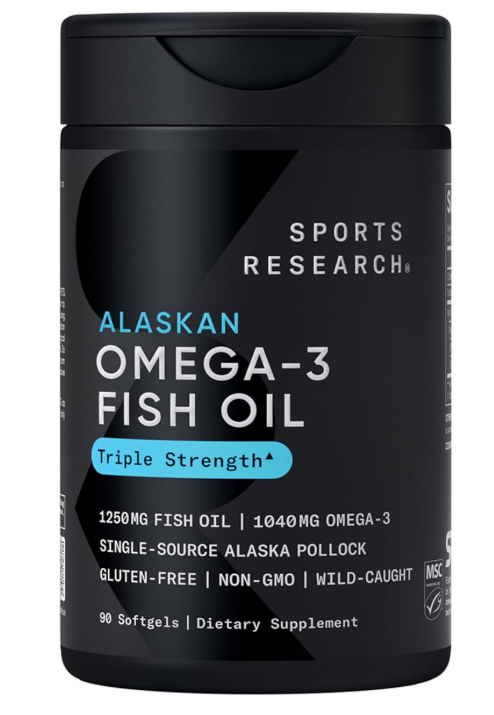
Omega-3 fatty acids – especially EPA and DHA – are clinically shown to support cardiovascular health, joint support, and eye health.
Turmeric (Curcumin)
Curcumin is a powerful anti-inflammatory compound. Look for formulas with black pepper extract for better absorption.
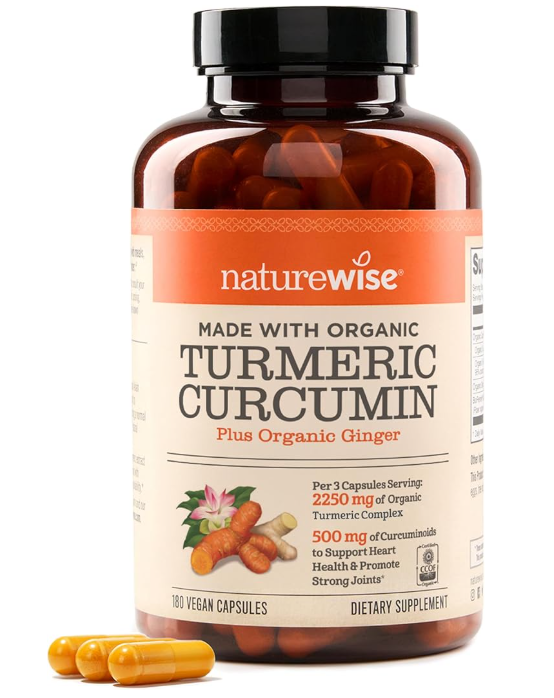
Turmeric is a common ingredient in joint support supplements because of its phytonutrients, which may promote joint comfort and flexibility.
Collagen Peptides
Collagen supports connective tissue, cartilage, and tendons. Regular supplementation may improve joint comfort and overall mobility over time.

This collagen supplement supports the vitality and shine of your hair, skin, and nails, promoting a youthful appearance effortlessly.
As always, quality matters, and it’s wise to check with a healthcare provider, especially if you’re taking medications.
The Takeaway
Joint health isn’t about turning back the clock; it’s about supporting your body where it is right now. With consistent movement, smart nutrition, natural anti-inflammatory habits, and targeted supplements, joints can stay strong, flexible, and ready for whatever life throws your way.
Because getting up from a chair, going for a walk, dancing in the kitchen, or chasing after grandkids shouldn’t come with a side of groaning, unless it’s from laughing too hard.