For older adults, falls can cause devastating injuries that lead to fractures and bed rest. You might be surprised to learn that muscle loss occurs for decades before you notice. Starting at the age of 30, you begin to lose muscle, which greatly increases your fall risk — unless you do something about it. Balance exercises can help you regain some of the fast-twitch muscles that help prevent falls.
You risk losing your balance when you least expect it, so you rely on fast-twitch muscles for quick reaction skills. For example, when it’s a little slippery, or you catch your toe on the rug, you can react quickly and right yourself if you have fast-twitch muscle fibers. Fast-twitch muscle fiber loss happens twice as quickly as slow-twitch muscles as you age. Yet few women train to keep fast-twitch muscles or are even aware of the problem in the first place. If you’re not training specifically for them, you’re at greater risk of falling, even at 50, let alone decades later.
Long before that “senior shuffle” begins, you are at risk of what we call “unfortunate incidents.” It’s those random events that cause you to slow down, be inactive for a period of time, and lose confidence. It could be Meniere’s disease, a dose of blood pressure medication, or a broken toe. Setbacks can be minimal with the right combination of strength, agility, and balance exercises.
Prevent Fast Twitch Muscle Loss (or Get It Back)
Strength Train with Heavier Weights
Light weights and Pilates serve a purpose, but they don’t help you with fast-twitch muscle recovery or maintenance. Lifting heavy weights builds fast-twitch muscles. You’ll know if the weight is heavy enough for you if it causes fatigue at 10 or fewer repetitions.
You can also try powerlifting for other joints, which adds a faster lift combined with a slower lower. You’re still in control, but you benefit fast-twitch muscle more this way than constantly lifting slowly.
Read More: 6 Ways Strength Training Reverses Aging and Beats Cardio
Quick Movements
If you want to be able to move your feet when it counts, you’ve got to move them fast when you’re training. Spend a few minutes most days a week doing fast moves. If you play tennis, racquetball, badminton, or pickleball, you’ve got this kind of movement built in. If you primarily walk or ride slow and steady, add a few short agility drills to the end of each workout.
Plyometrics
Plyometrics trains your nervous system to quickly contract the muscles. If you’re comfortable and capable, try adding some box jumps and medicine ball slams to your routine. Start small with a lower platform if necessary.
Read More: You’re Not Too Old For Box Jumps—Here’s What You Need To Know
Make Balance Exercises Better
There are three ways to improve the effectiveness of your balance practice. If you’ve got those balance poses in yoga down or you’ve been practicing balance at your kitchen counter daily, it’s time to take that foundation and make it more functional.
- Surface Manipulation
- Disruptions & Distractions
- Cognitive Challenges
Manipulate the Surface
- Instead of standing in that Warrior 1 pose with space between your feet, move your feet together such that the back toes touch the front ankle.
- Start practicing balance in shoes, then move to bare feet.
- From your hardwood floor or sticky yoga mat, move to a cushioned mat or thick carpet.
Add Distraction
- Look right, left, up, and down.
- Turn on loud music or the television.
- Perform your balance exercises where you see movement and other people are near you.
Add a Mental Challenge to Balance Exercises
- Recite your phone number backward.
- Recite your social security number backward.
- Figure out how old you’ll be in 2040.
- Add your age and each of your children’s ages together.
- Count backward from 100 by 7.
Start with balance exercises you’re already doing, and add one of these options at a time. If you’re not already doing balance exercises, regularly start with a simple stork stand (one leg) in shoes and move to doing it barefoot when you’ve got that. Continue to challenge yourself.
Life is likely to keep you off balance until the end. But you’ve got this.
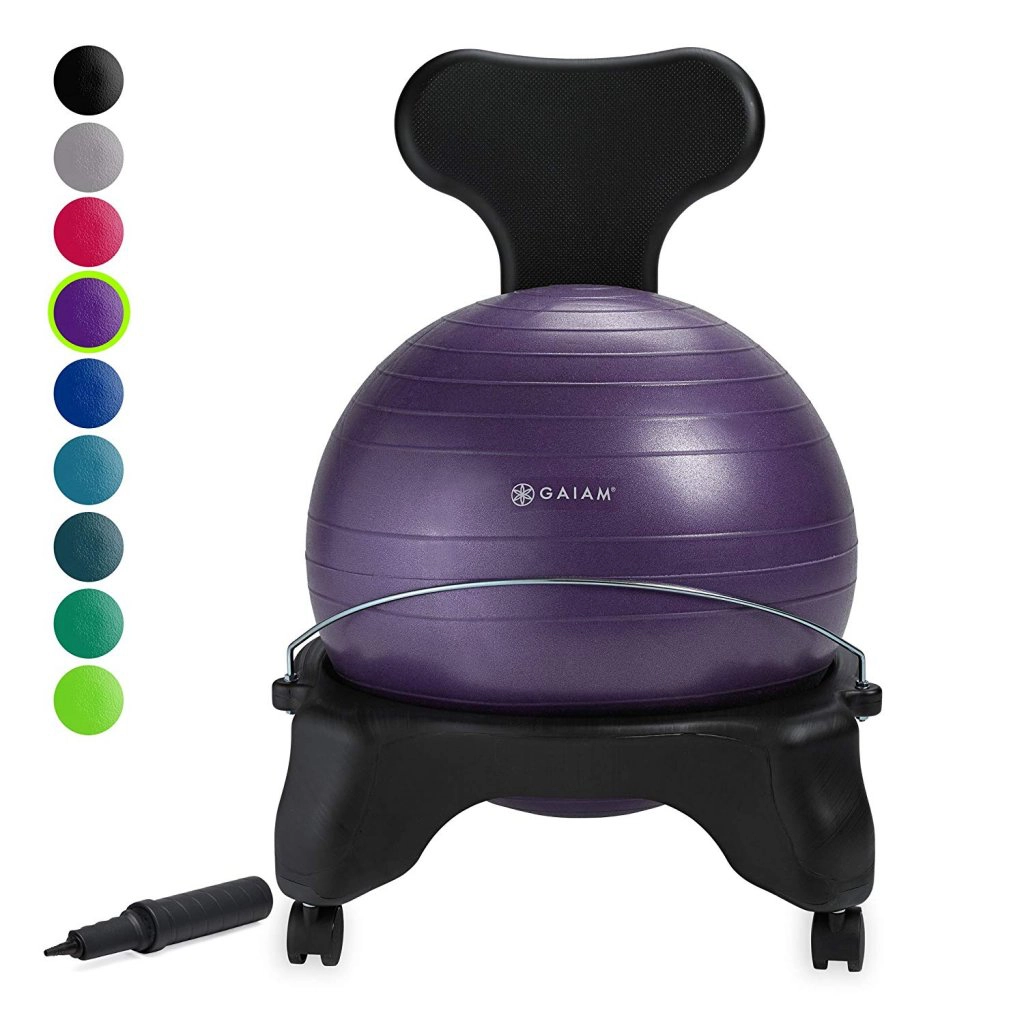
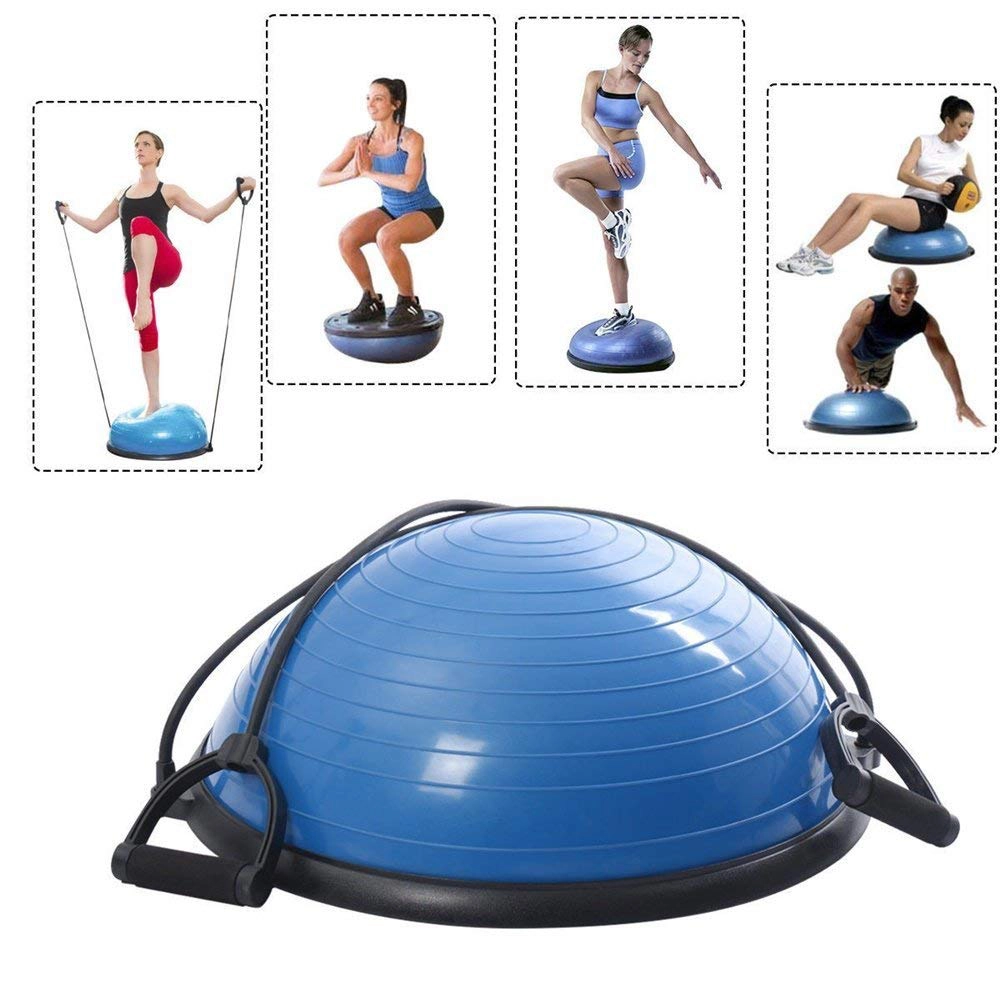
Tools for Balancing Exercises
Read Next:
Yoga for Better Balance And Leg Strength