
There are many ways to get a brighter, whiter smile without having to visit the dentist’s office. From whitening toothpaste to strips to laser whitening machines, you’re sure to find something that will suit your lifestyle and work wonders to give you a beautiful smile.
Let’s face it: teeth whitening is big business. In 2023, the global teeth-whitening market was estimated at $7.5 billion, and that number is expected to grow.
Why do our teeth look discolored?
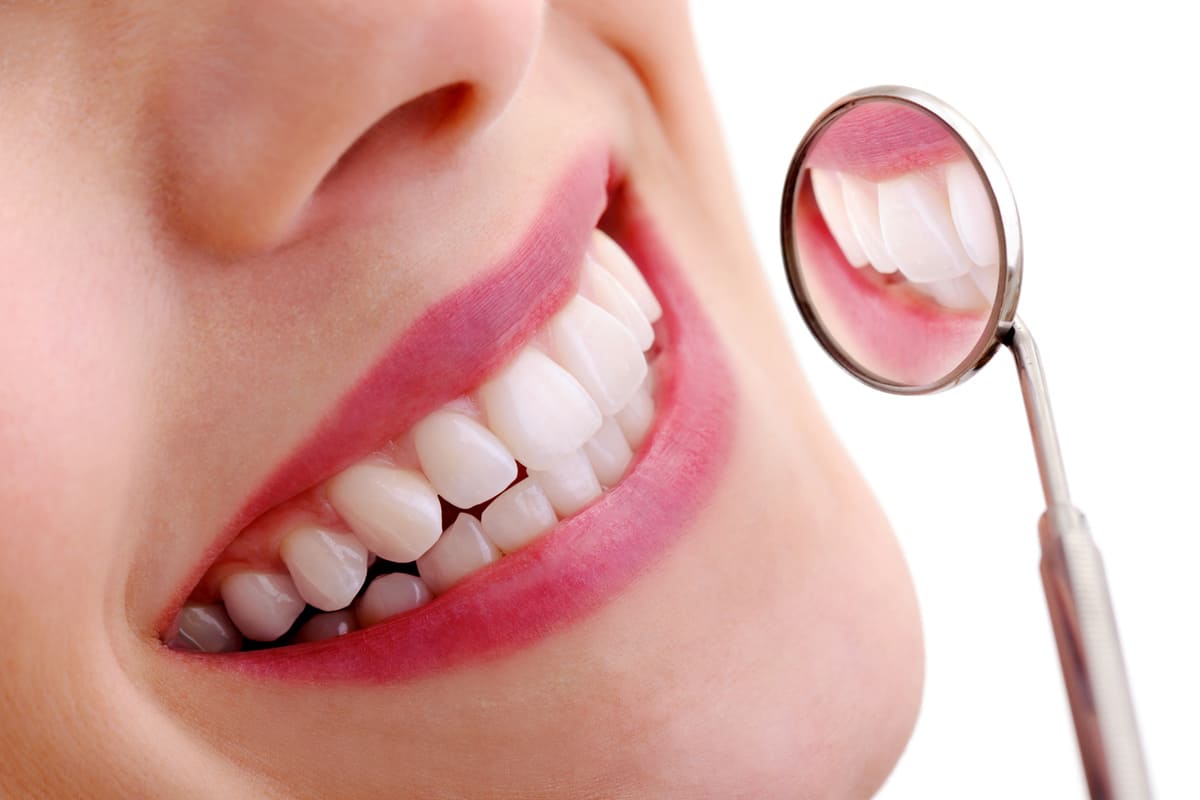
First, let’s get to the root of the problem and check out why our teeth start to look discolored in the first place. One of the main causes is poor hygiene, which leads to plaque and tartar buildup that can cause discoloration. The sooner the buildup is removed, the less likely it is to cause real damage.
Other key causes of discolored teeth include smoking, certain foods (turmeric or curry), drinks (tea, coffee, or beverages that are especially acidic or high in sugar), and genetics (some people have a family history of yellow teeth). Another cause, and one that is hard to avoid, is Dentin, which occurs when the enamel is thin, and the Dentin underneath shows through, causing the teeth to look yellow.
Unfortunately, even some medications and antibiotics can cause tooth discoloration. If you find this happening, it might be time to talk with your prescribing doctor to see whether other options could negatively affect your smile.
If you’ve found that your teeth aren’t as white as you’d like, you can find ways to resolve your tooth discoloration that don’t involve a pricy visit to the dentist. However, some of the methods you’ve heard of for naturally whitening teeth don’t work. To break down your options and see what works and what doesn’t, we’ve reviewed 6 ways to naturally whiten your teeth from the comfort of your home.
6 Ways to Naturally Whiten Teeth
1. Baking Soda
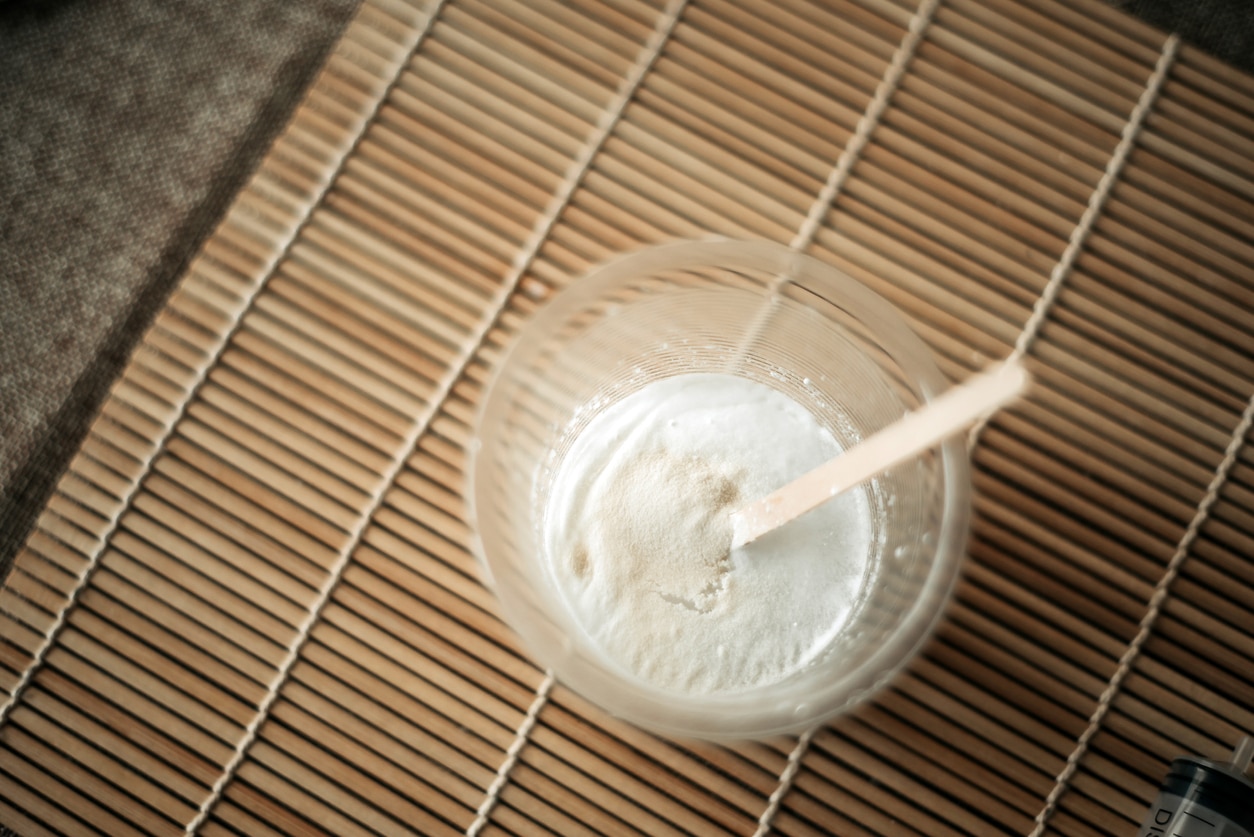
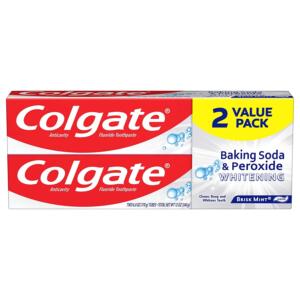
Baking soda is a common ingredient for getting whiter teeth. That’s because it’s a mild abrasive that scrubs away stains without damaging your teeth’s enamel (assuming you don’t scrub too hard). If you checked out the oral care aisle at your local store, you’d see the phrase ‘baking soda’ more often than not. If you want to try a natural at-home method, you can use a DIY baking soda paste.
While you might see some improvement, there’s a good chance you’ll get better results by switching to toothpaste with sodium bicarbonate. Keep in mind it’ll take time to see the change, so don’t expect magic overnight.
2. Whitening toothpaste, strips, washes, and gels
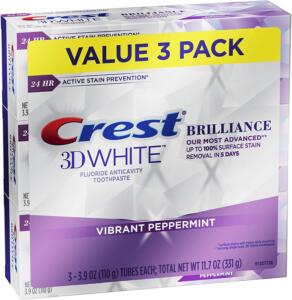
The oral care section at the store is definitely not lacking when it comes to taking care of your teeth. There’s an option for every imaginable tooth or gum malady, and whitening seems to be the most popular. While many toothpaste varieties offer a miraculous transformation from discolored to white, not all are created equal. Based on our research, the top choices include Colgate Total Whitening Toothpaste Gel and Tom’s Fluoride-Free Antiplaque & Whitening Toothpaste. Both serve double duty for keeping your teeth and gums healthy while giving them the whitening treatment.
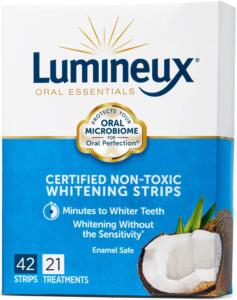
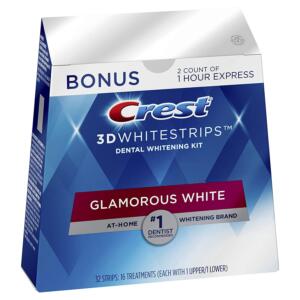
Whitening strips are another popular item for getting a brighter smile. The ever-popular Crest Whitestrips mastered the concept years ago and still work well to whiten our teeth. Another popular option is Lumineux non-toxic Whitening Strips, which are highly rated and help lift stains without affecting enamel. Both are easy to use and can brighten your teeth in as little as two weeks.
Finally, there are a number of gels and whitening washes on the market to consider. The level of effectiveness and ease of use vary from one product to the next, so it’s best to check with your dentist for suggestions on which option will work best without damaging your teeth.
3. Lemon peels or lemon juice
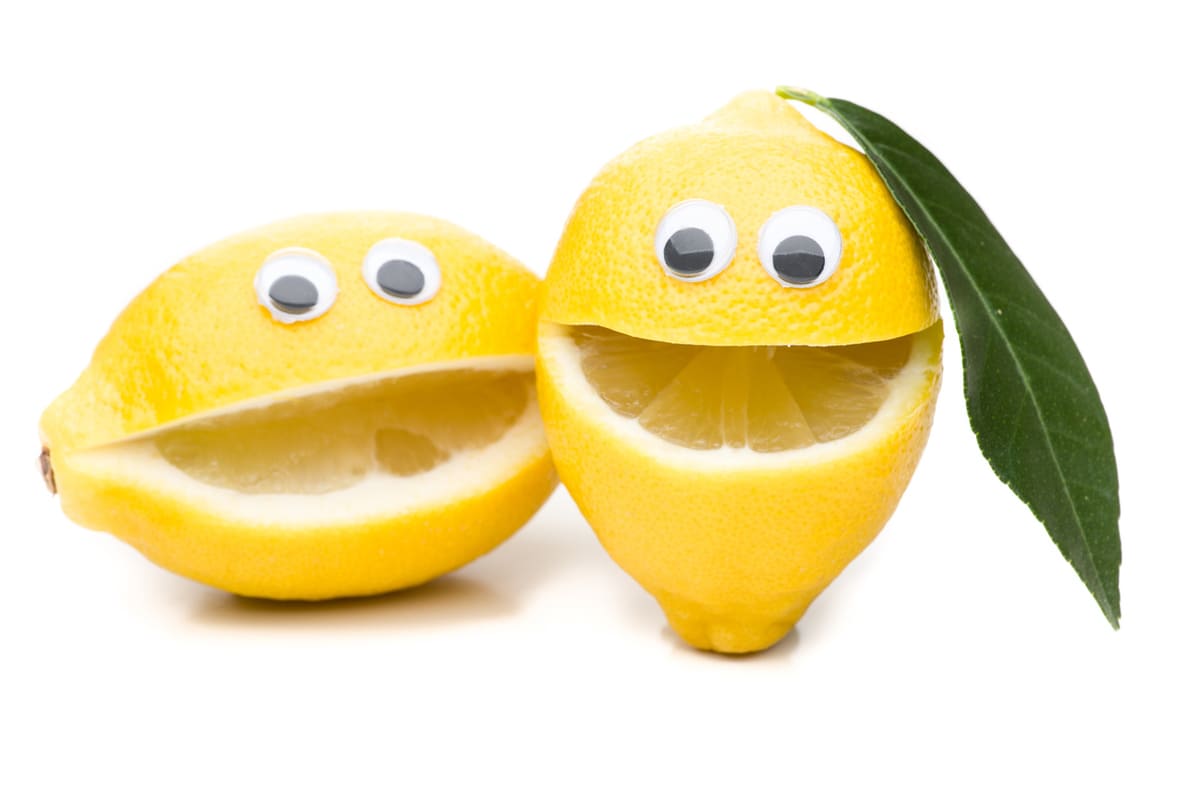
Lemon peels contain many of the vitamins necessary to keep your teeth healthy, as well as citric acid, which works as a mild bleaching agent. Therefore, it’s no surprise they would be considered a whitening method. If you choose this route, use it sparingly, as it can be abrasive to your tooth enamel.
If you want to use lemon peels to whiten your teeth, there are a few methods you can try. The first step is to slice the peel into strips and dry them out. Once they’re dry, grind the peel, add a little water, and stir to thicken. Once you have a slightly thicker paste consistency, put some on your toothbrush and brush for 2-3 minutes. Rinse with water.
Another method involves peeling the lemon and then rubbing the outside of the peel on your teeth, carefully avoiding your gums. It’s that simple, but again, this method, in either form, should be used sparingly.
4. Hydrogen Peroxide
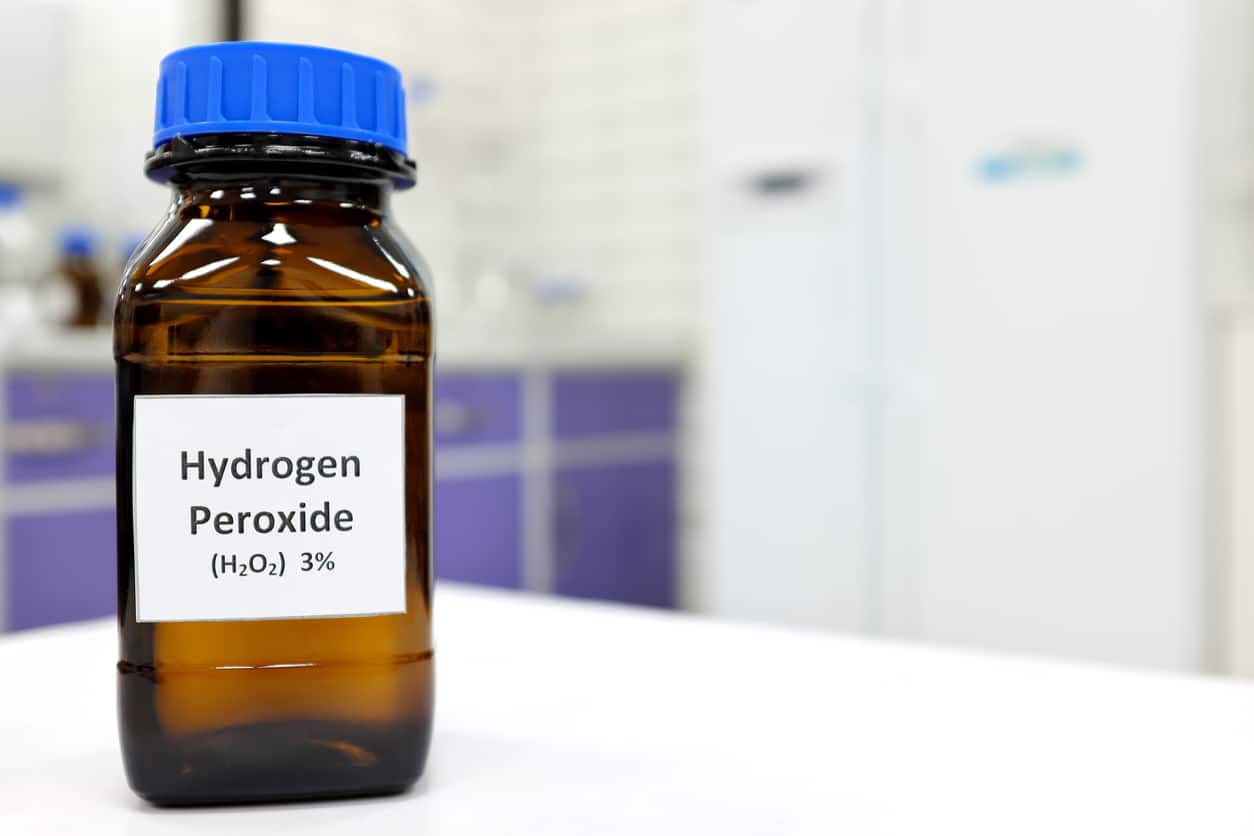
Hydrogen peroxide is a common ingredient in teeth-whitening products. It has so many other uses – from bleaching hair to disinfecting wounds – that it’s already found in most homes and is a quick and convenient option. However, as with many of these methods, use this option sparingly to avoid damaging your teeth or breaking down the enamel.
If you elect to use this route, a good concentration of Hydrogen peroxide is 3%. Start by dipping a cotton ball or swab in the peroxide. Rub it all over your teeth, working carefully to avoid missing any spots (nobody wants polka-dot teeth!). Leave the peroxide on your teeth for roughly 30-60 seconds, then finish by brushing them.
5. Oil Pulling

If you’ve heard the term Ayurvedic medicine, you might be familiar with its various practices. It’s a healing system that originated in India, and the term means ‘knowledge of living’ or ‘science of longevity.’ Oil pulling is an Ayurvedic practice that involves swishing a tablespoon of oil in your mouth for up to 20 minutes to “pull out” bacteria. The type of oil you choose is up to you, but common types include sesame, coconut, or olive oil. Coconut oil is probably the most popular because it has a pleasant taste and offers the added benefit of reducing inflammation, as it’s high in lauric acid.
If you want to try oil pulling, start by holding 1 tablespoon of your preferred oil in your mouth. Work to ‘pull’ the oil through your teeth for up to 20 minutes, similar to how you’d use mouthwash. It’ll remove plaque-causing bacteria, leave your mouth cleaner, and potentially whiten your teeth.
6. Stop It Before It Starts
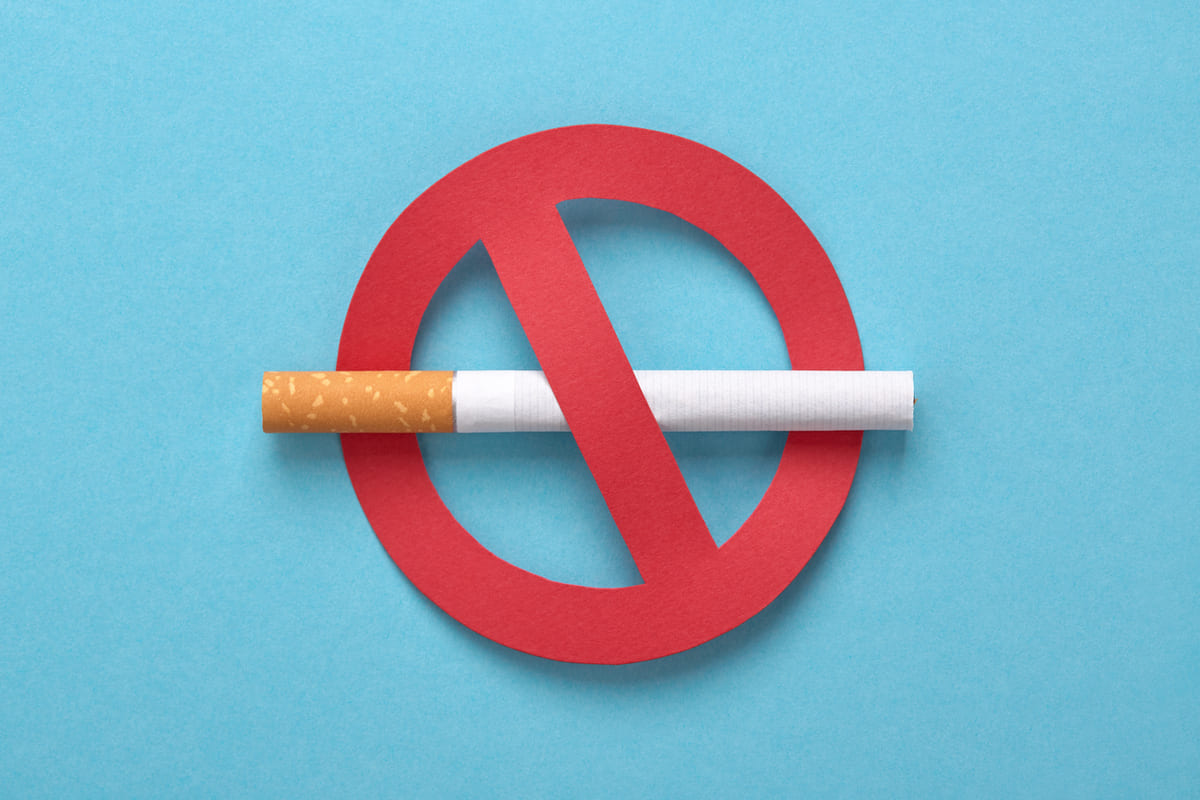
We’re going to go with the obvious to finish our list and simply point out that avoiding things that can discolor your teeth will, in fact, give you whiter teeth. That means skipping coffee, tea, red wine, dark sodas, tobacco, or sugary fruit juices, just to name a few. Now, if you’re like me, giving up coffee and red wine is a non-starter, but that doesn’t mean I can’t still take steps to reduce their effects on my teeth.
If you plan to eat or drink anything that can discolor your teeth, take steps to prevent it. Brush after your morning coffee, not before, and drink water with your wine to rinse your teeth. Integrating water into a cocktail hour is already a good idea, so it’s just one more reason to take care of yourself.
Conclusion
If you want a whiter, brighter smile, you can do it at home with everyday household items or easy-to-find products at the store. If you aren’t sure which method to use – or especially if you have sensitive or weak teeth – check with your dentist before trying any new teeth-whitening process.
Whiten Teeth at Home:
Read Next:
How To Handle Aging Teeth and Receding Gums
Why Healthy Gums and Teeth Matter to Your Overall Health
Bad Breath: The Dirty Secret That Only A Spouse Will Tell You