

For most people, the biggest obstacle to routine blood testing isn’t fear of needles. It’s the process itself.
Traditional lab work often requires booking appointments weeks in advance, rearranging your schedule, sitting in waiting rooms, getting blood drawn, and then waiting days or longer for results that may be difficult to interpret. Even people who care deeply about their health can find this enough of a hassle that testing gets delayed or skipped altogether.
That’s where at-home blood testing comes in. Over the past few years, these options have made it possible to collect high-quality samples from home and send them to certified labs for analysis. The goal isn’t to replace medical care, but to remove friction from routine health monitoring so people can stay more informed and proactive.
Why This Matters More After 50
Let’s be honest about what’s happening in our bodies. Perimenopause and menopause bring dramatic hormonal shifts that affect everything from metabolism to bone density to cardiovascular health. Your thyroid might start acting up. Inflammation markers can creep higher. Blood sugar regulation changes. The risk factors that were barely on your radar at 35 suddenly deserve serious attention.
Traditional healthcare often treats these changes as inevitable inconveniences rather than manageable conditions. You might hear “that’s just part of getting older” when you describe symptoms. But understanding what’s actually happening inside your body—through objective data—gives you the power to push for better care and make informed decisions about your health.
Regular blood testing helps you catch problems early, track whether interventions are working, and establish baselines before issues develop. The challenge has always been making it happen consistently.
How At-Home Blood Testing Works
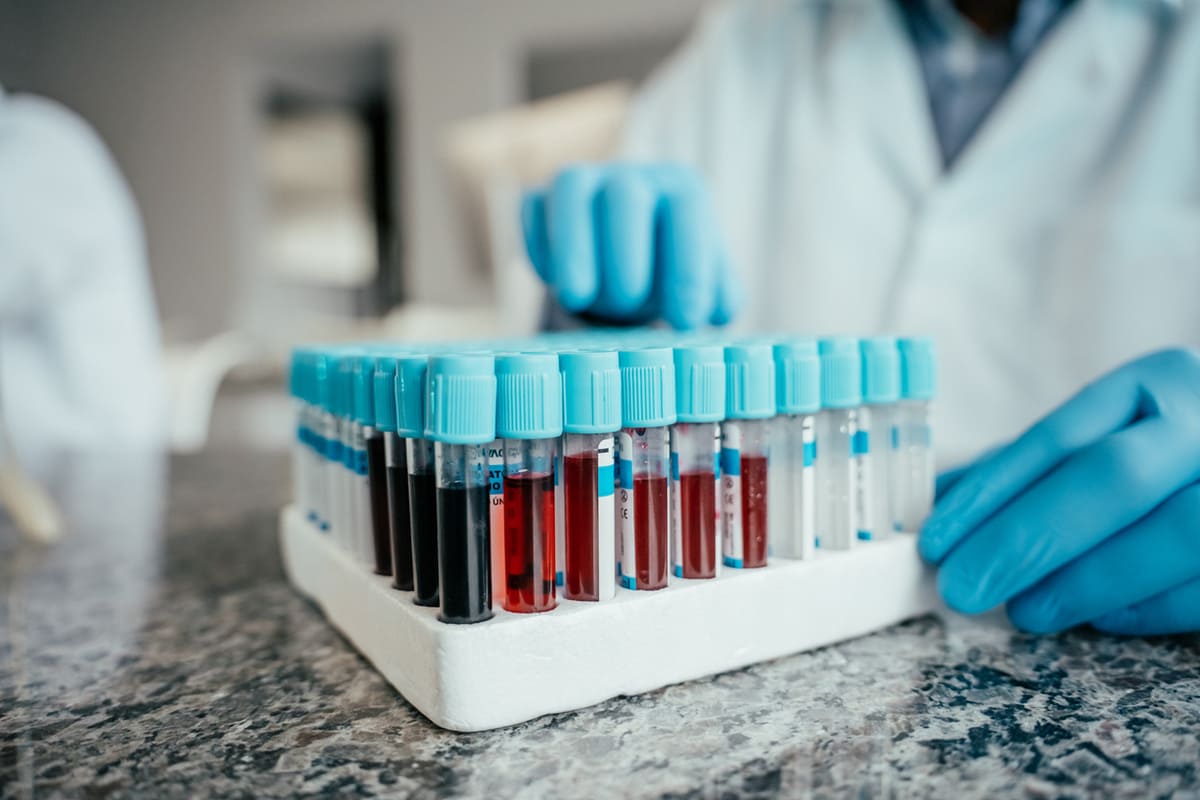
At-home blood tests are designed to fit into real life. Instead of traveling to a lab, a test kit is shipped directly to your door. You collect a small blood sample yourself, send it back for analysis, and receive your results digitally.
Most companies allow you to choose how often you test and which health areas you want to focus on. Some people check in quarterly or twice a year, while others test more frequently depending on their goals. Panels can range from broad wellness markers to more targeted areas like hormones, thyroid health, or metabolic function.
This flexibility makes at-home testing especially useful for people managing long-term health goals or simply wanting a clearer baseline to work from.
Making the Process More Comfortable
One reason people avoid blood testing is discomfort. Many at-home testing companies now use alternatives to traditional venipuncture, such as upper-arm collection devices or minimally invasive methods that don’t involve finger pricks.
SiPhox Health, for example, uses its EasyDraw device to collect a small blood sample from the upper arm without needles. The process takes just a few minutes and is designed to be as low-stress as possible. For those who want extra reassurance, SiPhox also offers live, one-on-one support during the collection process.
After collection, samples are sent to CLIA-certified labs, which means the testing standards match those used in clinical settings.
Results You Can Actually Understand

Getting lab results shouldn’t feel like deciphering a foreign language. One of the biggest advantages of modern at-home testing platforms is how results are presented.
Traditional lab reports often give you a number, a reference range, and nothing else. Is your TSH at 3.5 good or bad? What does an HbA1c of 5.8 mean for your diabetes risk? Why should you care about your LDL versus HDL ratio?
Better testing platforms translate this information into plain language. They explain what each biomarker measures, why it matters for your health, and what the results suggest about your body’s functioning. Some include recommendations for lifestyle changes or supplements that might help improve specific markers.
SiPhox emphasizes this approach by breaking down each marker and offering personalized insights, making it easier to understand how your daily habits connect to your internal health.
Tracking Trends Over Time
A single blood test is helpful, but patterns are far more powerful. At-home testing platforms typically store your results in a dashboard so you can track changes over time if needed.
This is especially valuable for the hormonal changes of perimenopause and menopause, which can fluctuate significantly. Seeing how your estrogen, progesterone, cortisol, and thyroid hormones shift across months or years helps you and your healthcare provider understand patterns rather than just isolated moments.
The same goes for metabolic markers like blood sugar and insulin, inflammation markers like CRP, or cardiovascular indicators like lipid panels. Gradual changes become visible when you track consistently.
Most platforms store your historical results in a dashboard so you can spot trends. SiPhox includes an AI assistant that can help you explore these patterns and answer questions about what you’re seeing—though it’s not a replacement for professional medical advice.
One Place for Your Health Data
Health data is often scattered across different portals, apps, and PDFs. Many at-home testing platforms now allow you to upload past lab results and connect wearable devices to create a more complete picture.
With SiPhox, users can integrate third-party blood tests and connect wearables to track things like sleep, activity, and glucose levels. Seeing this information together makes it easier to spot patterns and understand how lifestyle choices influence internal markers.
Choosing Panels That Match Your Goals
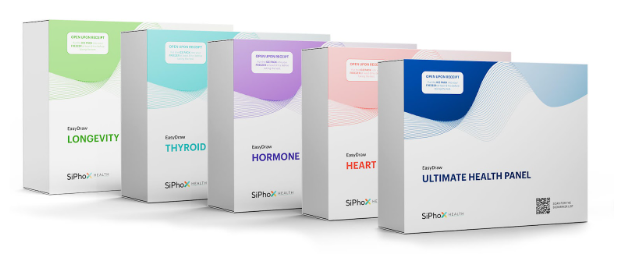
Another benefit of at-home testing is choice. Rather than being locked into a single type of test, most platforms offer a range of panels that can evolve with your priorities.
SiPhox offers everything from general wellness and longevity panels to highly targeted hormone, thyroid, and cardiovascular tests. Their most comprehensive option, Ultimate 360, includes up to 60 biomarkers across major systems such as inflammation, liver, kidney, thyroid, and heart health.
The key advantage is flexibility—you can change panels as your goals change, making testing a long-term tool rather than a one-time event.
Technology Working Behind the Scenes
While the science behind modern diagnostics can be complex, the experience doesn’t have to be. SiPhox is notable for its use of silicon photonic chip technology, which allows diagnostics to be faster, smaller, and more cost-effective without sacrificing accuracy.
You don’t need to understand the technology to benefit from it. What matters is receiving reliable results quickly and in a format that supports better decision-making.
Is It Right for You?
At-home blood testing makes the most sense if you:
Want to understand how perimenopause or menopause is affecting your body beyond just symptoms
Are working on specific health goals (weight management, improving cholesterol, balancing blood sugar) and want to track progress objectively
Have a family history of conditions like heart disease, diabetes, or thyroid disorders and want to monitor your risk
Feel dismissed by healthcare providers when you describe symptoms and need data to support your concerns
You simply want to be proactive about your health rather than reactive.
Find that traditional lab testing rarely happens because the logistics are too frustrating
A More Accessible Way to Stay Informed
Your 50s, 60s, and beyond can be some of the most vibrant, engaged, and healthy years of your life—but that doesn’t happen automatically. It requires paying attention to what’s happening inside your body and taking action when needed.
At-home blood testing removes the biggest barriers to that awareness. No more scheduling hassles, no more waiting rooms, no more indecipherable results that leave you confused rather than informed.
It’s simply a more practical, more comfortable, and more consistent way to monitor the biomarkers that matter most at this stage of life. And in 2026, when you have the option to make health monitoring easier, there’s no good reason not to take advantage of it.