
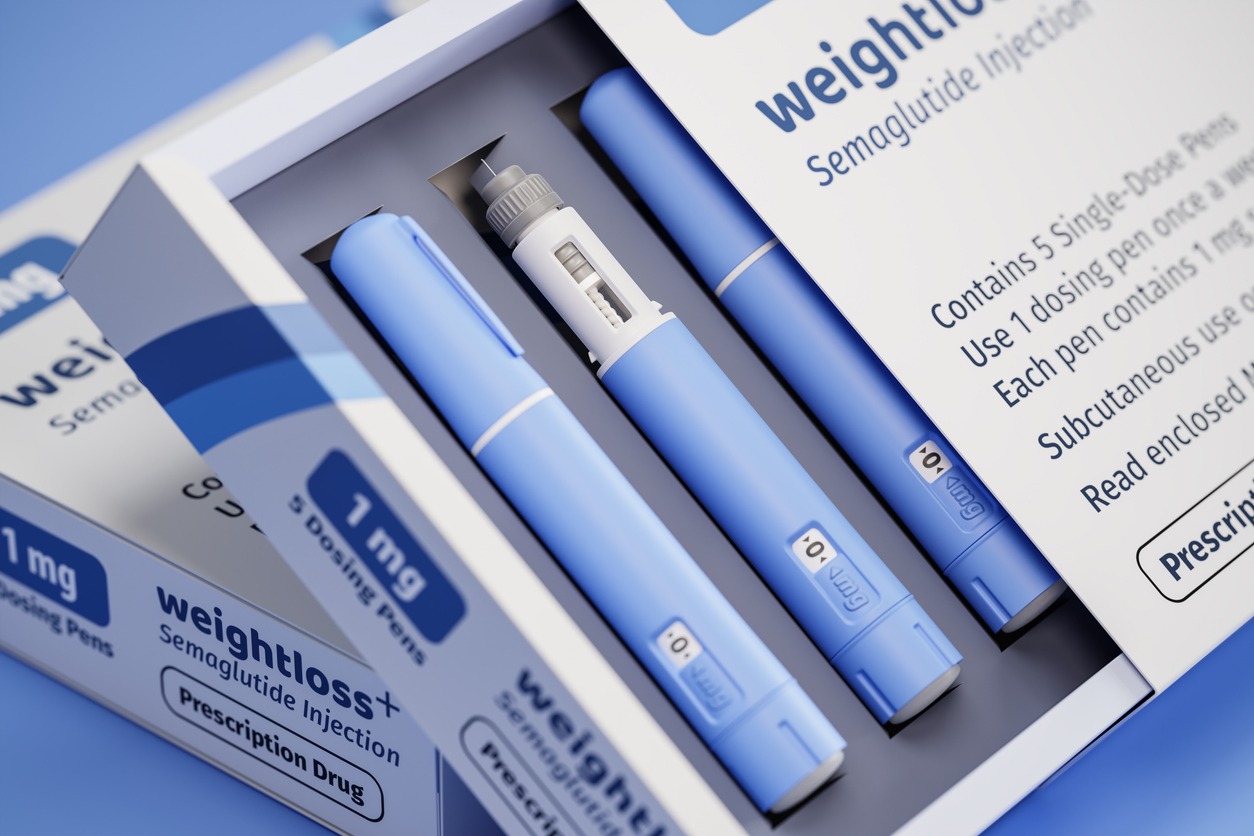
If headlines about Ozempic, Wegovy, Mounjaro and other GLP-1 medications have made you raise an eyebrow, then you’re not alone. These drugs have dominated dinner-table conversations, tv advertisements, and news feeds over the past few years. It’s hard to know what’s accurate about these novelty treatments, or whether to trust them at all.
But now, something official has changed. In December, the World Health Organization (WHO) released its first-ever global guidance on the use of GLP-1 therapies for treating obesity in adults. This isn’t a fad or hype wave— it’s a real shift in how the world’s leading health authority thinks about these medications.
What Are GLP-1 Medications, Anyway?
“GLP-1” stands for glucagon-like peptide-1. It’s a hormone your gut releases after eating. The WHO guidelines cover three popular GLP-1s, including liraglutide, semaglutide, and tirzepatide.
These medications are GLP-1 receptor agonists. That means they mimic naturally occurring hormones in your body that dampen appetite. They can signal fullness to your brain, help regulate blood sugar, and slow down digestion to make meals more satisfying.
Originally, GLP-1 medications were developed for Type 2 diabetes. However, these drugs were discovered to produce many other health benefits. From obesity to addiction, GLP-1s have attracted attention from just about everyone. Most notably, they produce meaningful weight loss in many people—sometimes more than anything else available in mainstream medicine. It’s no wonder they’ve become household names under brands like Wegovy, Ozempic, and Zepbound.
Why the WHO Guidance Matters
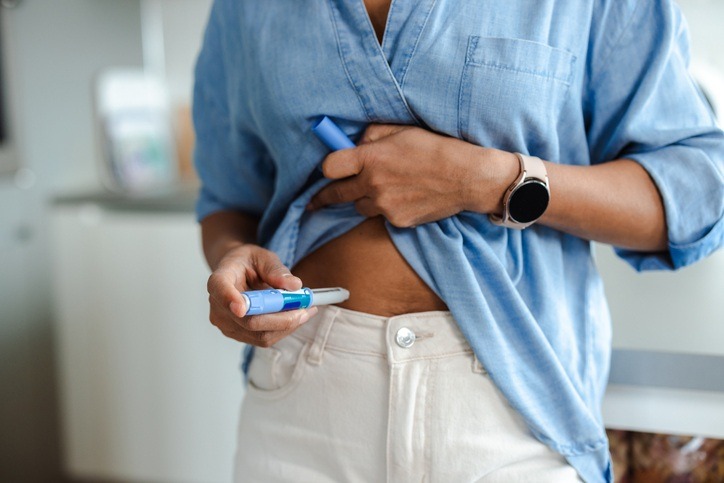
For decades, most medical guidelines on obesity focused on diet and exercise. Of course, that’s always good advice, but it is often overly simplistic for a complex metabolic condition affecting more than a billion people worldwide.
Now, for the first time ever, the WHO has made a formal clinical recommendation supporting the medical use of GLP-1 therapies to help manage obesity in adults. However, the organization still emphasizes that GLP-1 medications are not a stand-alone solution.
Here’s what that actually means:
1. Obesity Is Officially Seen as a Chronic Disease
The WHO now explicitly classifies obesity as a chronic, relapsing disease, rather than a character flaw or something you can “fix” with willpower alone. They added that societal challenges and environmental factors can play a major role.
This places obesity in the same realm as conditions like diabetes and hypertension, where lifelong, thoughtful management is standard. By shifting the conversation away from judgement toward support and strategy, we can truly address the crisis of obesity.
Read More: Can Lifting Weights Help Prevent Type 2 Diabetes?
2. GLP-1 Medications Have a Place—but It’s Part of a Bigger Picture
The WHO isn’t saying, “Take a weekly shot, and voilà! Problem solved.” Instead, their guidance makes a conditional recommendation: GLP-1 therapies can be a valuable tool in long-term obesity care when combined with lifestyle support, such as nutrition counseling, behavior change strategies, and movement.
People who stop taking GLP-1s can regain weight fast if they don’t implement lifestyle changes and better long-term habits. Weight, metabolism, habits and environment all play a role. At the end of the day, everyone is different. A drug can’t instantly rewrite your genetic code or alter the result of decades of behavior.
Also, muscle loss is another major factor to consider. Up to 40% of the weight lost on GLP-1 medications can be muscle, not just fat. Losing too much muscle can be incredibly detrimental to long-term health and quality of life. Think of your muscles as the metabolic currency that keeps your body functioning well into later decades.
Therefore, the WHO’s prescription isn’t just about pills. Each individual needs a comprehensive weight-loss and health plan.
“Our new guidance recognizes that obesity is a chronic disease that can be treated with comprehensive and lifelong care,” said Dr Tedros Adhanom Ghebreyesus, the WHO Director-General. “While medication alone won’t solve this global health crisis, GLP-1 therapies can help millions overcome obesity and reduce its associated harms.”
Read More: Muscle Up! Why MUSCLE Matters as We Age
3. Watch Out for Falsified and Substandard Products
Lastly, the WHO warned that the global demand for these revolutionary weight-loss drugs has fueled the spread of harmful dupes and substandard products. It’s extremely important to ensure the quality of the GLP-1 treatment before using it. First, make sure to speak with your doctor about your interest in GLP-1 medications.
The WHO Comprehensive Plan to Stop Obesity

The WHO and experts emphasize these pillars for success in any weight-loss journey:
Build Strength and Preserve Muscle: Progressive resistance training with weights, resistance bands, or body weight moves are essential. Keeping and building muscle protects your metabolism as you lose weight.
Prioritize Protein: GLP-1 therapies can suppress appetite, which is great for overall calories, but it can make it tough to eat enough protein. The experts recommend roughly 0.72–1 gram of protein per pound of body weight daily to help protect lean mass.
Leverage Skilled Support: Doctors, dietitians, trainers, therapists are an important part in your lifelong care plan.
Track Beyond the Scale: A number on the scale doesn’t tell the whole story. Tools like DEXA scans and body composition assessments help ensure you’re losing fat, not muscle.
Read More: Protein Shakes for Optimal Nutrition
The Takeaway
The WHO’s new guidance signals a paradigm shift in how the world addresses weight and metabolic health. GLP-1 therapies are no longer fringe. Now, they’re integrated into a thoughtful, evidence-based model of chronic disease care, alongside movement, nutrition, behavior support, and body-composition awareness.
If you’re navigating weight concerns, metabolic health, or just trying to age with strength and confidence, this is important guidance to understand before seeking a GLP-1 prescription — or any other treatments, for that matter.
Read More:
Stress Eating: Why It Happens and How to Stop Emotional Eating