
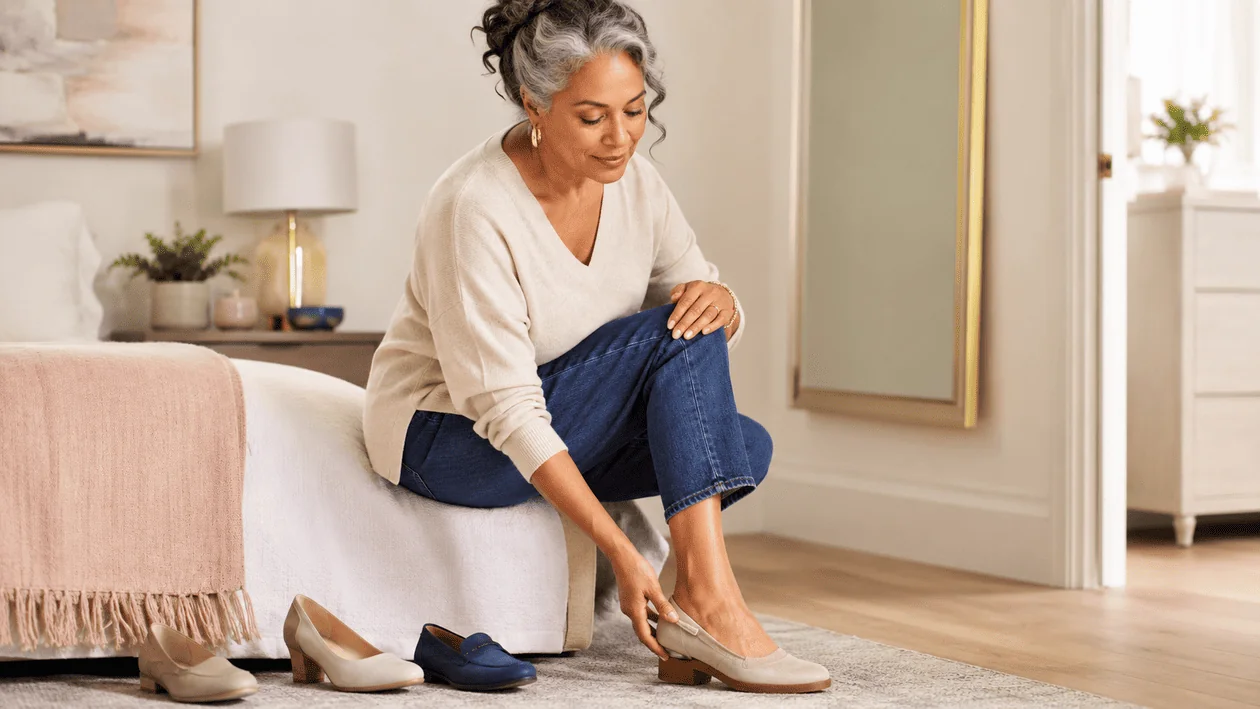
Have you ever slipped into a pair of shoes you have owned for years and wondered who secretly replaced them with a smaller pair? The length seems wrong, your toes feel crowded, and the sides are pinching in places that never used to complain.
Before blaming the dryer, the shoe manufacturer, or an elaborate conspiracy involving your closet, consider another possibility: your feet may have changed.
Many women assume their shoe size is one of those permanent personal facts, right alongside their eye color and inability to tolerate badly organized kitchen cabinets. In reality, feet can gradually become longer, wider, flatter, or simply shaped differently as we age. Research comparing younger and older women has found that older women generally have wider, longer, and more pronated feet. In other words, the foot may roll inward more and the arch may sit lower than it once did.
This does not necessarily mean something is wrong. It does mean that continuing to buy the same shoe size out of habit may lead to foot pain, blisters, calluses, and a collection of expensive shoes you admire from a safe distance.
Why Feet Can Get Bigger With Age
Your feet contain bones, joints, muscles, tendons, ligaments, nerves, blood vessels, and natural cushioning. All of these structures have been supporting you for decades, often while squeezed into shoes selected more for beauty than engineering.
Over time, the ligaments and tendons that support the foot may become less firm. The arch can gradually lower, allowing the foot to spread and become slightly longer or wider. Research involving older adults has documented age-related differences in foot shape, including changes in width, arch structure, toe position, and pronation.
This spreading usually happens slowly. You may not wake up one morning with entirely new feet, although it can certainly feel that way when your favorite boots refuse to zip, or your toes begin filing formal complaints during dinner.
Pregnancy can also leave permanent changes in the foot because hormones, weight changes, and increased joint flexibility may contribute to arch flattening. Weight fluctuations, arthritis, injuries, bunions, hammertoes, and years of wearing narrow or high-heeled shoes can further alter the way a shoe fits.
The Natural Padding Under Your Feet Can Thin
Feet do not only change around the arch. The fatty cushioning under the heel and ball of the foot can become thinner or less effective with age. This natural padding helps absorb pressure each time you stand or take a step.
When that cushioning decreases, walking barefoot on hard floors may become surprisingly uncomfortable. Shoes that once felt perfectly adequate may suddenly seem thin, stiff, or unforgiving. You may feel as though every pebble in the parking lot has developed a personal interest in you.
Loss of cushioning can also make the ball of the foot more sensitive, particularly when wearing shoes with thin soles or elevated heels. This is one reason a shoe does not need to be visibly worn out to stop feeling comfortable. Your foot may simply need more support and shock absorption than it did ten years ago.
Bunions and Hammertoes Change the Shape of the Foot
A bunion is not merely a bump that makes summer sandals complicated. It reflects a change in the alignment of the joint at the base of the big toe. As the big toe shifts toward the other toes, the joint can protrude outward and widen the forefoot.
Hammertoes can create a different fitting problem. When a toe bends upward at the middle joint, it needs more vertical room inside the shoe. A shoe may technically be the right length but still rub painfully across the top of the toe.
These changes become more common with age and can make old shoes feel too narrow or too shallow. A wider and deeper toe box often reduces pressure, although persistent pain or worsening deformity needs a professional evaluation.
Swelling Can Make Shoe Fit Inconsistent
Perhaps your shoes fit in the morning but feel like medieval restraints by late afternoon. Feet and ankles can swell after prolonged standing, warm weather, travel, high-sodium meals, certain medications, or long periods of sitting.
Occasional mild swelling may be manageable, but new, severe, painful, or one-sided swelling should not be dismissed as a normal part of aging. Changes in the skin, circulation, sensation, or persistent swelling should be discussed with a healthcare professional or foot and ankle specialist.
For everyday shoe shopping, the practical lesson is simple: measure and try on shoes later in the day, when your feet are closer to their largest. A shoe that fits only when your feet are at their smallest is not truly a comfortable shoe.
Your Two Feet May No Longer Be the Same Size
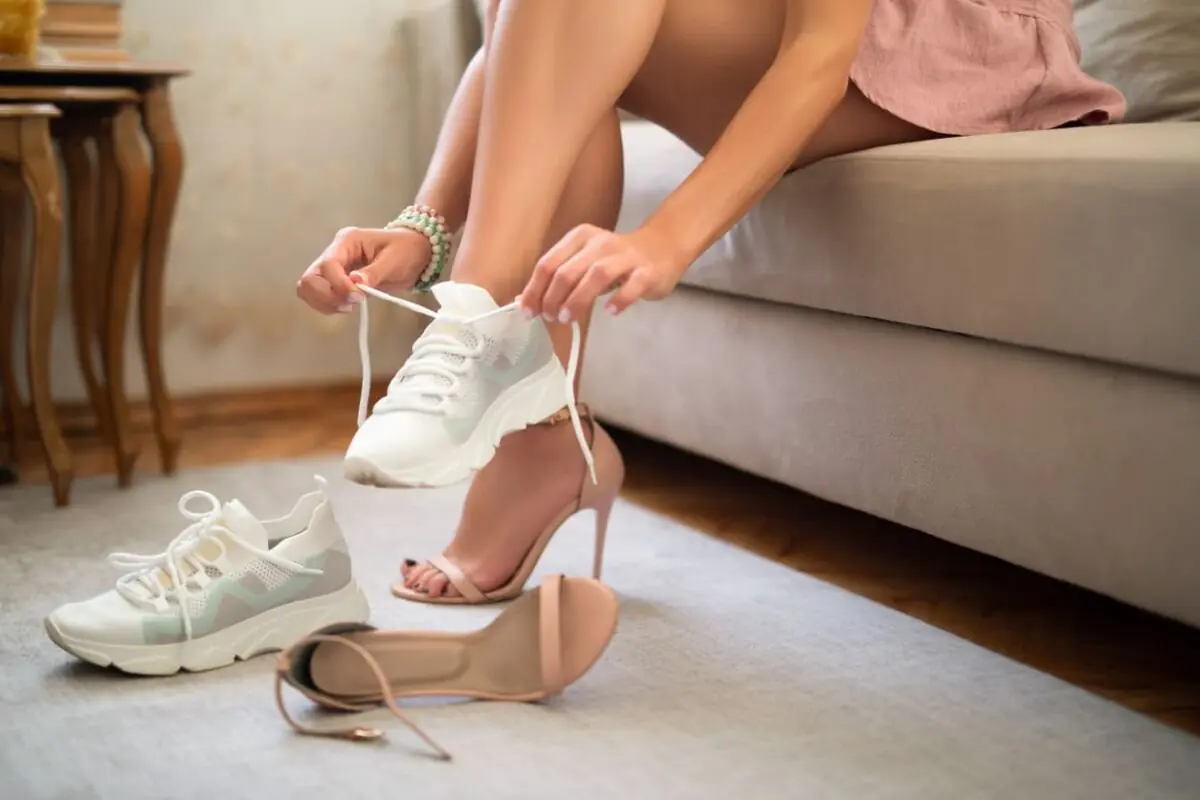
Most people have one foot that is slightly larger than the other, but that difference may become more noticeable when arches, joints, or toe alignment change.
Always fit shoes to the larger foot. You can add an insole, heel grip, or tongue pad to improve the fit on the smaller side. Do not buy a shoe that cramps the larger foot and assume it will eventually stretch into submission.
A professional shoe fitting can be especially useful when you have repeatedly bought shoes that felt comfortable in the store but became painful after an hour. The problem may be width, toe-box depth, arch placement, heel shape, or overall volume rather than basic length.
Stop Buying Shoes Based Only on the Number
Shoe sizing is not wonderfully standardized. A size 8 in one brand may fit like a 7½ or an 8½ in another, and width labels can be equally inconsistent.
Have both feet measured while standing, because weight-bearing allows the foot to spread. Ask for the length and width, and pay attention to where the widest part of your foot sits inside the shoe. The ball of the foot should line up with the widest portion of the shoe rather than being pushed forward or backward.
Look for roughly a thumb’s width of space between your longest toe and the end of the shoe. Remember that the big toe is not always the longest. Some women have a longer second toe, which deserves room even if it lacks the confidence to ask.
Your toes should be able to move naturally without gripping the sole or overlapping. The heel should feel secure, but the shoe should not press tightly across the top of the foot.
Shoe Features That Become More Helpful After 50

A roomy toe box is one of the most valuable features you can choose. This does not mean the entire shoe must resemble a canoe. It means the front should follow the shape of your toes instead of squeezing them into a narrow point.
A stable heel counter, which is the firmer structure surrounding the back of the heel, can improve security. A supportive midsole may help absorb impact, while a removable insole makes room for custom or over-the-counter orthotics.
Adjustable straps, laces, and stretch panels can accommodate mild swelling and differences between the feet. Low, broad heels generally provide more stability than narrow or very high heels. Reviews of footwear designed for older adults have also emphasized fit, stability, adequate toe space, and accommodation for age-related changes in foot shape.
Brands such as Brooks, New Balance, Orthofeet, Propet, Vionic, and Hoka offer various models in wide or extra-wide sizes. However, no brand is automatically right for every foot. The best shoe is the one that matches your actual shape, activity, and support needs, not the one with the most enthusiastic advertising.
For women who need extra forefoot room, Altra and Topo Athletic are also known for foot-shaped toe boxes. Birkenstock, Naot, Vionic, and Aetrex offer supportive sandal options, although the shape and arch placement vary considerably between models. Try them on rather than assuming that a “comfort shoe” must be comfortable. That label has gotten away with quite a lot over the years.
Do Not Expect Painful Shoes to Break In
A new shoe may soften slightly, but it should not need to become an entirely different shoe before you can wear it. Walk around indoors on a clean surface before committing to a pair. Wear the type of socks or hosiery you plan to use regularly. Check for rubbing at the heel, pressure over bunions, contact with the tops of the toes, or numbness developing in the forefoot.
If your toes tingle, burn, or go numb, the shoe is not merely “snug.” It may be compressing the foot. Return it before optimism and a no-return policy trap you in an unhappy relationship.
A Few Simple Foot Exercises May Help
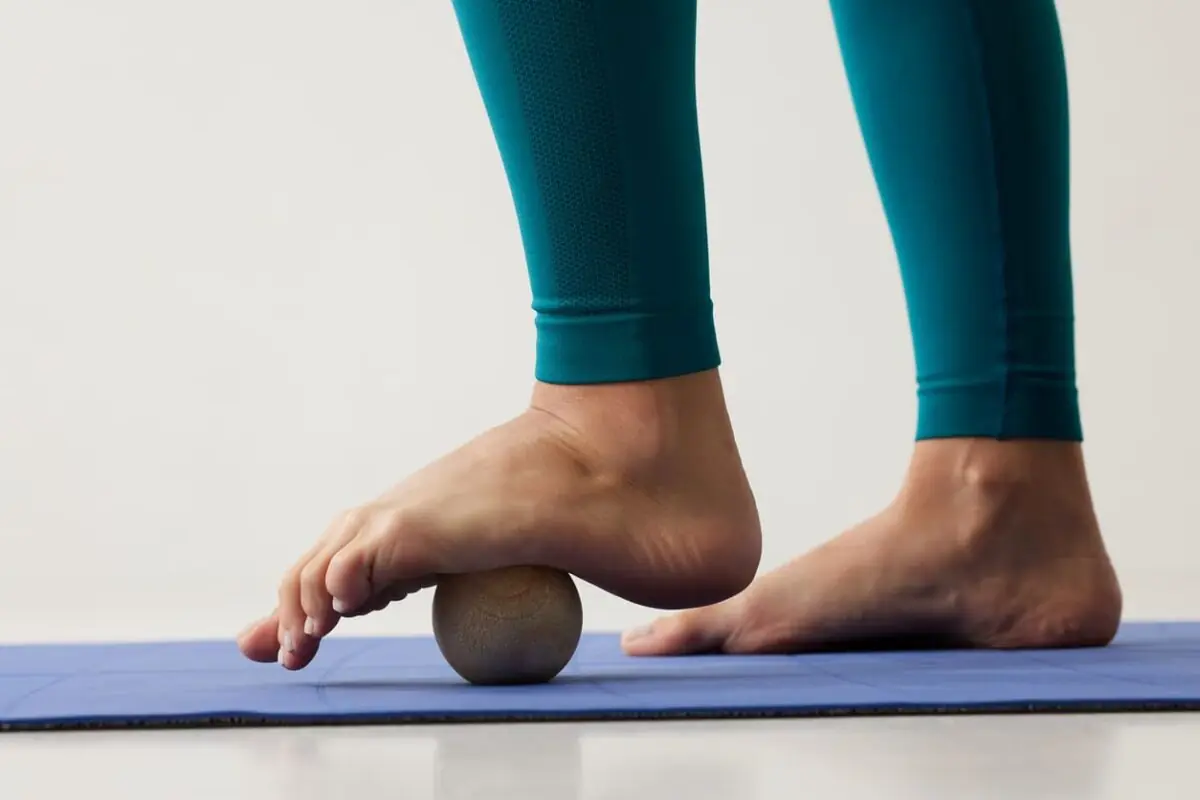
Exercise cannot necessarily reverse structural changes such as a bunion, but maintaining foot and lower-leg strength may support balance and mobility.
Try gentle toe spreads by placing your foot flat on the floor and widening your toes without curling them. You can also practice short-foot exercises by gently drawing the ball of the foot toward the heel while keeping the toes relaxed. Calf raises, ankle circles, and picking up a lightweight towel with the toes can help maintain movement and awareness.
Studies in older adults have found relationships between foot shape, toe strength, and physical performance, although foot morphology alone does not determine mobility.
Exercises should not cause sharp pain. Women with diabetes, neuropathy, significant arthritis, circulation problems, recent injuries, or open sores should ask a healthcare professional which exercises are appropriate.
When Foot Changes Need Medical Attention
Some gradual spreading and flattening can occur with age, but pain is not something you simply have to accept because you have celebrated a certain number of birthdays.
Make an appointment with a podiatrist or foot and ankle specialist if you develop persistent pain, a rapidly changing arch, new numbness, burning, weakness, sores that are not healing, unusual skin-color changes, or swelling that does not resolve. The American Orthopaedic Foot & Ankle Society also recommends seeking evaluation when you notice concerning changes in the skin, circulation, or overall structure of the foot.
It is also worth seeing a professional when foot discomfort begins limiting your walking, exercise, travel, or everyday activities. Good foot care is not a frivolous luxury. Painful feet can change how you walk, which may affect the ankles, knees, hips, and lower back.
The Bottom Line
Your feet may not remain the same size or shape throughout adulthood, and there is no prize for forcing them into the size you wore at 35. Aging can bring wider feet, lower arches, thinner cushioning, joint changes, and a greater need for support.
Measure your feet again, shop for their current shape, and let go of the number printed inside the shoe. That number is supposed to serve you. You are not required to remain loyal to it for life.
The right shoes should allow you to walk, travel, exercise, and enjoy your day without thinking constantly about your feet. Frankly, we already have enough other body parts demanding attention.
Read Next: