
When I was a six-year-old, I remember accidentally stepping on my grandma’s toes. She screeched in pain, and as a reflex, I cowered apologetically. My grandparents always seemed old, and I don’t think it’s because of my perspective as a child, thinking everyone over the age of 25 was ancient. I can look back on pictures from the ’60s, ’70s, and ’80s and recognize that once people hit 40, it’s as though they resigned themselves to looking, acting, and being old. I’ve jokingly said that many people from the ’70s and ’80s look the “same amount older” at 40 as they did when they were nearing 80.
I realize now that there’s so much to looking and acting old that it is 100% a mindset. Once my grandma hit 40 years old, she resigned herself to comfortable, elastic waist polyester clothes, sensible, thick-soled shoes worn with pantyhose, and…bad posture. I never thought of her as being vibrant and energetic. My grandparents walked slowly, sat on the couch, and struggled to do basic household chores and errands. It was shocking to realize, as an adult, that when they seemed so old to me in my youth, they were actually the age I am now. The loss of fluid movement, slowed reflexes, and wincing in pain when sitting or standing, as well as taking stairs, curbs, and small obstacles slowly and methodically. Their life became restricted at such an early age.
At what age does mobility decline?

Age-related muscle loss may decrease mobility, and that loss of muscle mass can begin as early as 30 years, becoming more prominent from age 50 upward. That certainly explains why, without training and movement, a person can start looking and acting “old” long before their retirement years. The rate of muscle loss is influenced by the amount of regular physical activity people do throughout their lives.
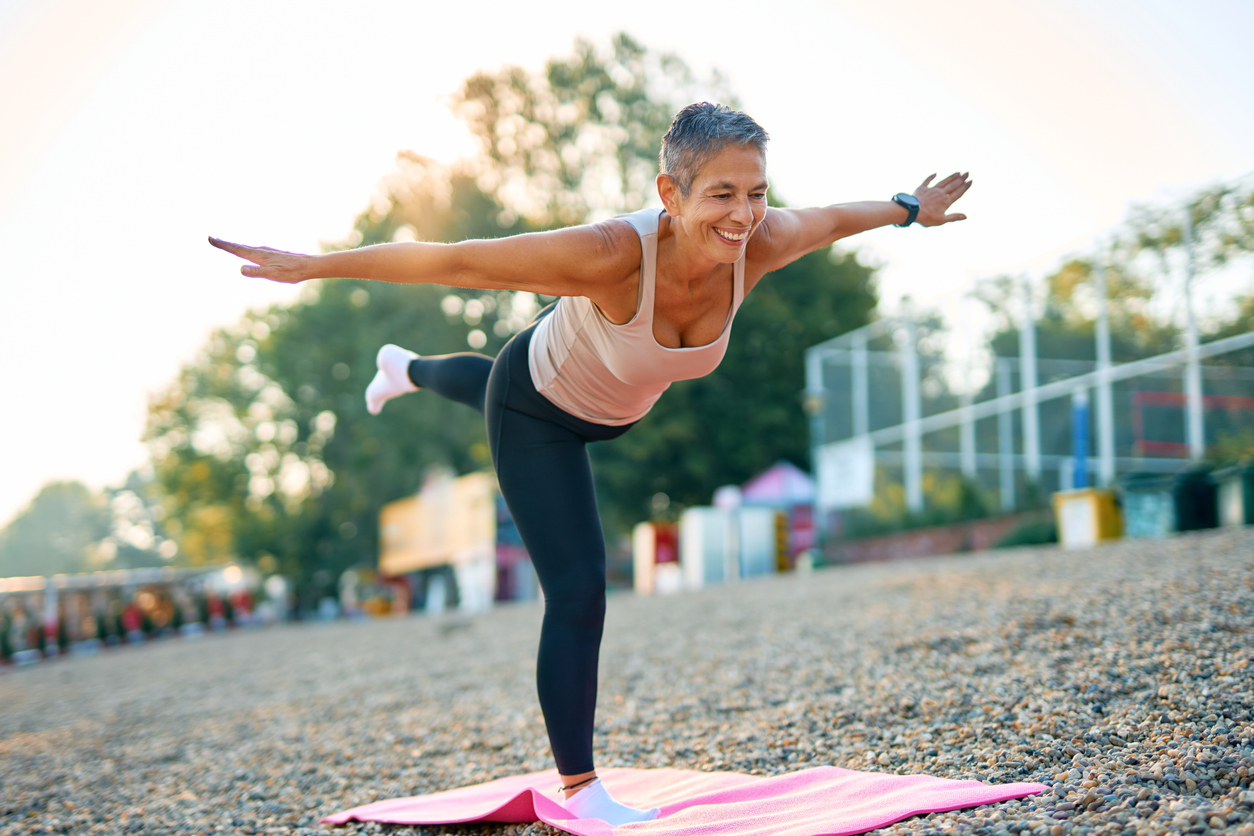
What a tragedy that my grandma was in her 40s and 50s, struggling to move and lacking energy. I contrast my memories of her with what I’m doing now in my late 40s. I feel strong, energetic, lively, and agile, and I run, jump, lift weights, and do a myriad of resistance workouts. I also routinely work on core strength and balance because I learned somewhere along the way that once age-related balance disorders set in, the chances of injury and even eventual death from those injuries increase exponentially. As soon as you become less sure on your feet, you’re a greater danger to yourself!
When do walking and balance become an issue?
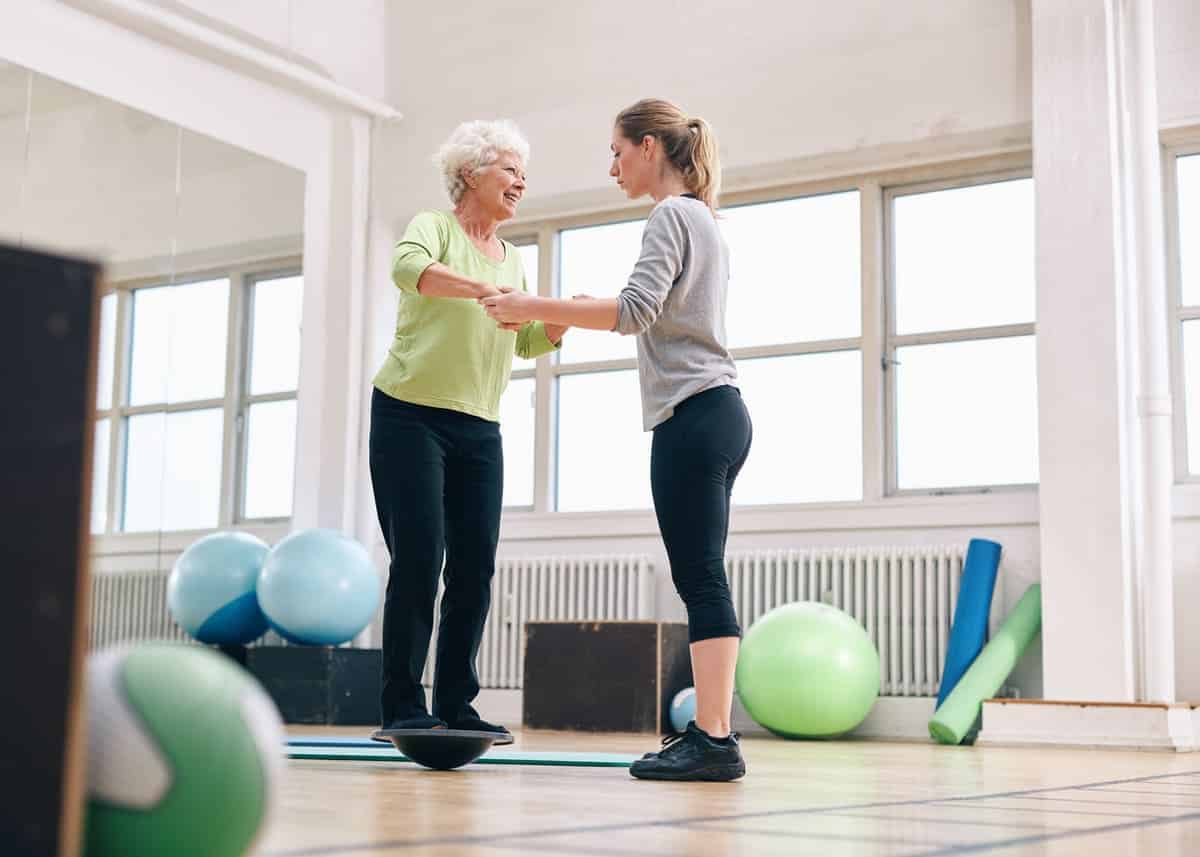
The prevalence of gait (walking) and balance disorders is around 13% between 65 and 69 years of age and more than 46% in those over 85 years. Approximately 28% of people aged 35 and older experience a fall at least once a year, with this percentage increasing to 50% among those aged 80 and older.
I watched my grandparents come to terms with the aging process. They may have had other minor health issues that slowed them down, but overall, it seemed to be an issue of progressively decreasing movement and a lack of effort to build or maintain muscle. It wasn’t a popular or trendy thought at that time. It most likely never crossed their minds to work on their physical fitness, or they didn’t think it would make any difference to their long-term health. They bought into a “what will be will be” mantra, and I’m confident their lives were cut short because of it. Sedentary time and lack of activity contribute to the loss of the ability to walk in old age. If there’s a basic struggle to walk, it can affect balance, especially when there’s difficulty coordinating movement.
What health conditions create bad balance?
Sometimes balance problems are the warning signs of other health conditions, so it’s essential to seek your doctor’s advice if you have balance issues. Some of those health conditions may include a heart disorder, a brain problem, or a neurological issue. However, most age-related balance issues occur due to muscle loss, weakened core strength, and lack of agility or cross-training. Physical fitness can make a life-changing difference in your quality of life as you age.
Good Balance Contributes to a Longer Life
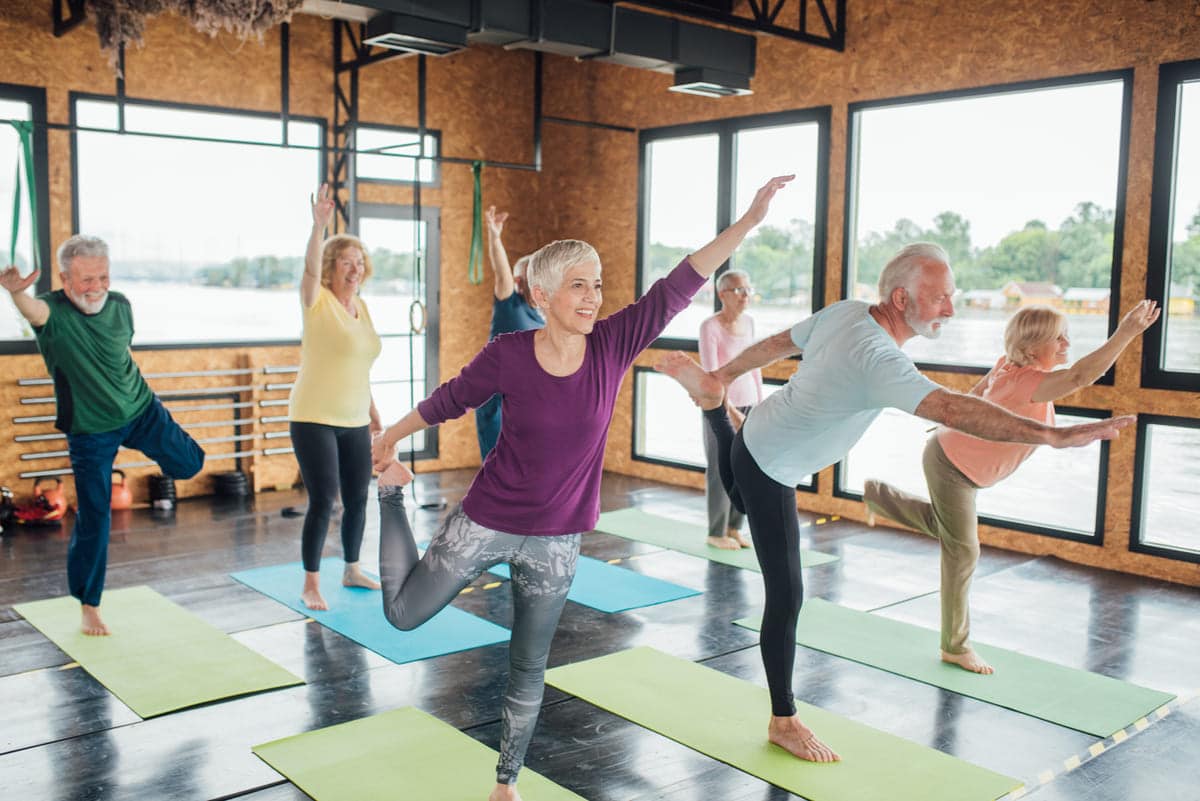
Balance issues are among the most common reasons older adults seek help from a doctor. In adults over the age of 65, balance problems are often linked to falls. One-third of adults in this age group and over half of people over the age of 75 years fall each year. Balance disorders are severe because of the risk of falls, and the fear of falling often causes people to do less physically and socially.
Improving your balance and physical fitness can contribute to a longer, healthier life by making you feel better, allowing you to socialize with friends, and performing independent tasks such as bathing, dressing, cooking, eating, and navigating your home. The statistics can seem bleak; about 36 million falls are reported among older adults each year, resulting in more than 41,000 deaths. Obviously, being steady on your feet and having good balance significantly decreases the risk of falling. Additionally, approximately 3.5 million older adults are treated in emergency rooms for fall-related injuries each year. They often never fully recover, leading to additional loss of mobility, decreased quality of life, and increased risk of falling repeatedly.
The Takeaway: Balance Training for a Longer Life
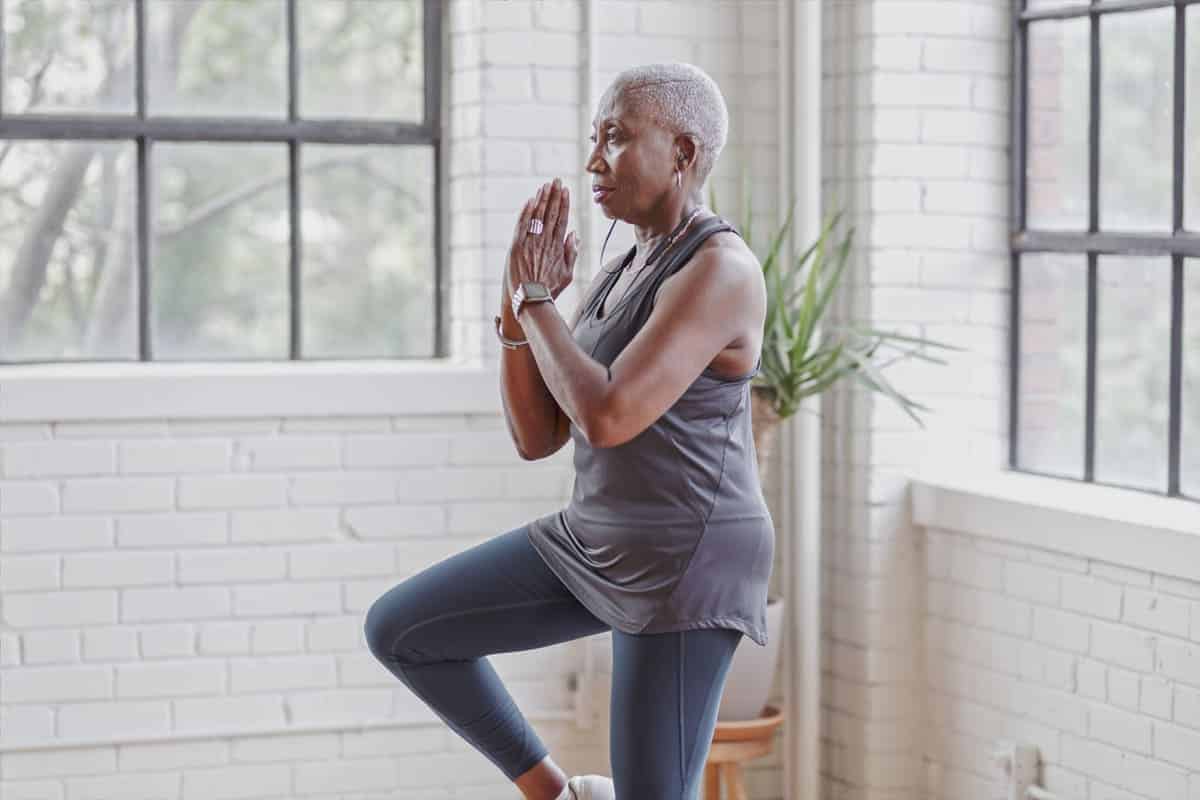
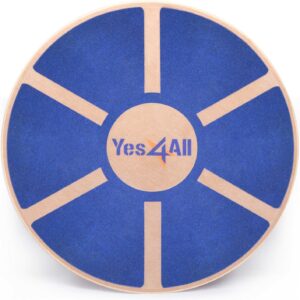
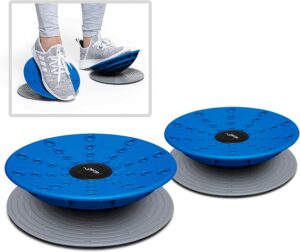
Balance exercises can help you maintain your balance and confidence at any age! If you’re an older adult, balance exercises are especially important because they can help you prevent falls, maintain your independence, and lead to a longer, healthier life.
Get Better Balance
Read Next:
Find Balance and Feel Your Best with Foundation Training