
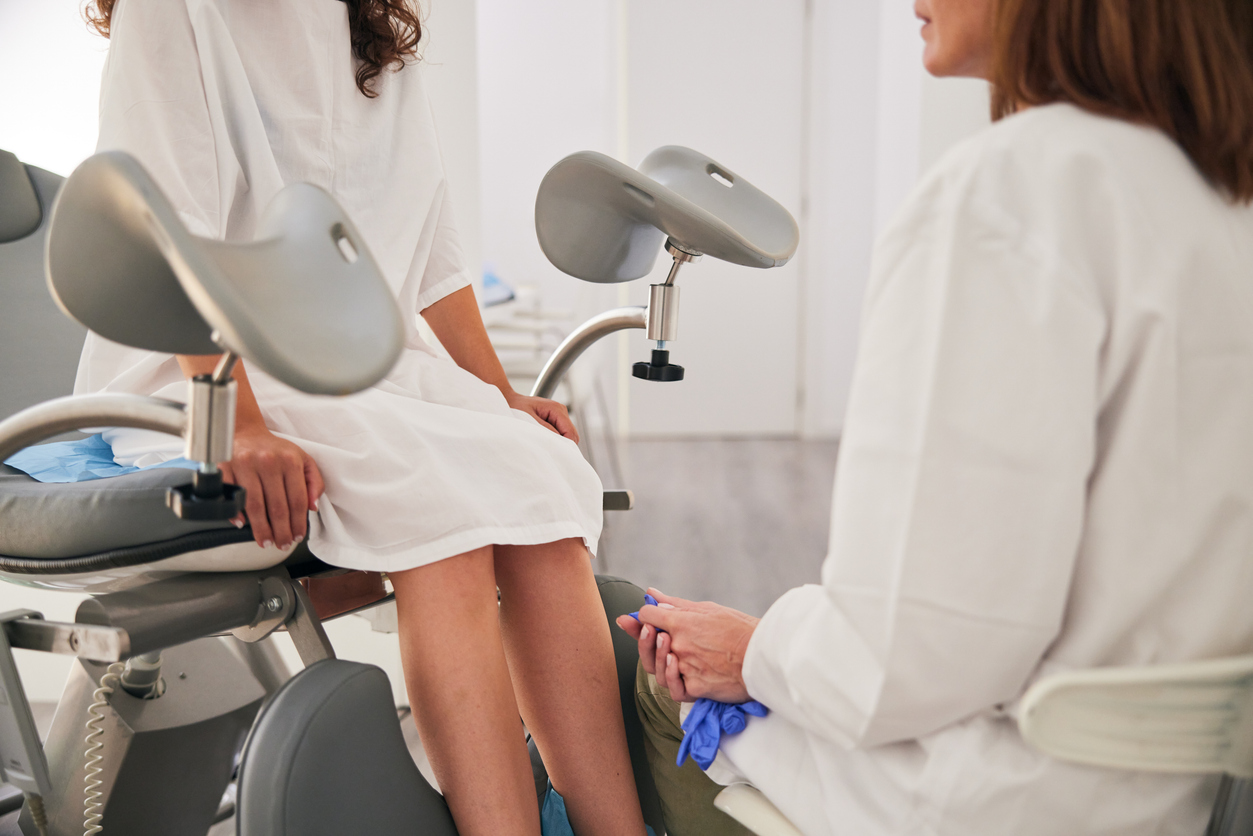
More than 60% of individuals over 60 have sex at least once a month. Yet, only 9.7% of women ages 45 to 60 report using a condom. What?! One main reason is that this demographic doesn’t think they are at risk for an STD. Furthermore, safe sex among older adults simply isn’t talked about much once the risk of pregnancy is no longer on the table. It can be easy to see why some women would think they don’t need to be as careful as when they were young, or that they don’t need to get screened.
Sadly, the reality couldn’t be more backwards.
Why the Rates of STDs in Older Adults are Rising
The rates of sexually transmitted diseases in older adults are rising. We are living longer, we are in better health, and we like to have sex. As we age, the immune system becomes less effective at fighting off illnesses and infections, which can increase our risk. After menopause, women’s vaginal tissues are thinner, and natural lubrication decreases. This can increase the risk of tiny tears that allow for the sexual transmission of certain diseases.
Plus, the older we get, the more likely we are to eventually encounter someone who — knowingly or unknowingly — carries an STD. Even older adults who aren’t particularly sexually active may still have a silent infection for which they were never treated or screened. And you know what that means…
So, if you enjoy a good romp in the hay, always practice safe sex. You could contract any of the following from the veritable smorgasbord of infections waiting to pounce when and where you least expect it.
Types of Common STDs
HPV (a.k.a. “warts”)
Nearly every sexually active person is at risk of contracting Human Papillomavirus Virus. It’s the most common sexually-transmitted STD. While it generally has no signs or symptoms, it could cause genital warts: itchy, whitish bumps that show up on your vulva, vagina, or cervix. Worse, it can cause cervical cancer.
This highly preventable cancer kills thousands of women in the U.S. each year. It is on the rise in the over-50 demographic simply because many women stop going to their gynecologist for their Pap smear after menopause. A Pap smear can catch early cancerous changes before they start to cause problems, so your doctor can treat or remove those bad cells. This is why it is so important to get your Pap smear regularly!
SYPHILIS (a.k.a. “the pox”)
Syphilis is a trickster spread during sex from direct contact with a syphilitic sore (or chancre sore). The first stage is simply a bump that can resemble an ingrown hair. Then, you can develop a rash on your body, followed by sores in your mouth and/or privates. If left untreated, later stages of the disease can affect various organ systems, nerves, eyes, heart, liver, bones, and even your brain. The doctor will prescribe a course of antibiotics, and the sooner you start taking them, the more quickly they’ll work.
GENITAL HERPES (a.k.a. “The Gift That Keeps on Giving”)
Because it’s possible to never develop symptoms or just have mild, unnoticeable symptoms, many people with genital herpes don’t know they have it. The problem is, it’s highly contagious. It only takes skin-to-skin contact during sex, and it’s difficult to see when a man has it. The primary symptom is nasty blisters in or around your lady bits. Yikes! Worse, because herpes is a virus, you can’t cure it. But antiviral medications can prevent or shorten outbreaks.
TRICHOMONIASIS (a.k.a. “Trich”)
Trichomoniasis is super common. It’s caused by a minuscule parasite that’s passed during condomless sex, and is more common in women than men. It generally affects the lower genital tract (vulva, vagina, cervix, or urethra) and has symptoms that include burning, itching, pain, and discharge. The problem, again, is that only about 30% of the people who have trichomoniasis have symptoms. Those without symptoms can still pass the disease. It’s treated with antibiotics, but can be prevented altogether by wearing condoms!
CHLAMYDIA (a.k.a. “The Clam”)
Chlamydia, another common STD, is now found in growing numbers amongst the 60 and older demographic. Fun! And only around 25% of women get symptoms, which can include abnormal vaginal discharge, pelvis pain, pain during or after sex, and a burning sensation when urinating. If Chlamydia goes untreated, it can affect a woman’s reproductive system. And while that may not be a concern for us post-menopausal women, it can be passed from an infected woman to a man, who can then pass it to a woman of childbearing years. So, symptoms aside, karma dictates antibiotics.
HIV/AIDS
The number of new HIV infections is actually growing faster in people over 50 than in people under 40. HIV (Human Immunodeficiency Virus) is the virus that causes AIDS and is passed through bodily fluids. You cannot get HIV from kissing! But you can get it from having condomless intercourse with an infected person (or by sharing a needle). Early-stage symptoms are similar to the flu. Chronic symptoms may not show up for up to 10 years. While there’s no cure for HIV, medications can help people with HIV live long, fruitful lives.
GONORRHEA (a.k.a. “The Clap”)
Gonorrhea is another popular STD, most commonly occurring in young adults and easily spread during sex. Half of the women with gonorrhea show no symptoms, while the other half experience symptoms that are often mistaken for a bladder infection. And while antibiotics will stop the infection, they won’t undo any permanent damage. If Gonorrhea goes untreated, it can lead to serious health conditions such as pelvic inflammatory disease, which can cause scarring in the fallopian tubes and cause an ectopic pregnancy. Again, while our periods might not be with us any longer, our karma is. So get tested and take the meds.
Practice Prevention & Get Tested
STDs should remain as big a concern to you now as they were when you were young. And since sex can be an important part of a person’s life, no matter what their age, it’s important that you engage in it safely.
Go to your regular check-ups with your OB/GYN. Get a pap smear. Get tested, and follow your doctor’s instructions. Ask your potential partner to get tested. And if you do have an STD, have an honest conversation with your partner. Finally, use condoms every time you have any type of intercourse.