
There are few things less glamorous than standing up from the couch and briefly feeling as though your soul has left your body.
One minute you are reaching for your coffee. The next, you are gripping the counter, blinking dramatically, and wondering whether this is dehydration, low blood sugar, bad lighting, or a sign that your body has decided to become theatrical in midlife.
If this sounds familiar, you are not alone. That wave of dizziness, lightheadedness, or “whoa, hold please” feeling when you stand up can happen for a few different reasons, but one common culprit is orthostatic hypotension, also called postural hypotension. It means your blood pressure drops when you move from lying down or sitting to standing.
The good news is that occasional brief dizziness is not always a crisis. The less-good news is that it should not simply be ignored, especially if it happens often, leads to near-fainting, or makes you feel unsteady. In women over 50, this issue can be tied to dehydration, medications, blood pressure treatment, diabetes, nervous-system changes, or just the fact that the body’s “bounce back” systems do not always respond as quickly as they once did.
What Is Orthostatic Hypotension, Exactly?
Orthostatic hypotension is a drop in blood pressure that happens when you stand up. Gravity pulls blood toward your legs and lower body, and your heart, blood vessels, and nervous system are supposed to adjust quickly enough to keep blood flowing to your brain. When that adjustment is sluggish or incomplete, you may feel dizzy, lightheaded, weak, blurry, or even faint.
Clinically, orthostatic hypotension is generally defined as a drop of 20 mm Hg or more in systolic blood pressure or 10 mm Hg or more in diastolic blood pressure within three minutes of standing. That is the official, medical way of saying your body did not quite handle the transition from horizontal-ish to vertical.
Why It Gets More Common As We Age
This is one of those annoying areas where aging does what aging likes to do: make ordinary body processes less efficient.
As we get older, the systems that regulate blood pressure can become less responsive. Changes in blood vessels, heart function, autonomic nervous system signaling, thirst, and medication use can all make it harder for the body to compensate quickly when you stand. Orthostatic hypotension is common in older adults, and one review in American Family Physician notes a community prevalence of about 20% in older adults.
That does not mean dizziness is “normal” in the sense that you should shrug and accept it. It means it is common enough that many women experience it, and common enough that it deserves practical attention rather than vague self-gaslighting.
What It Feels Like
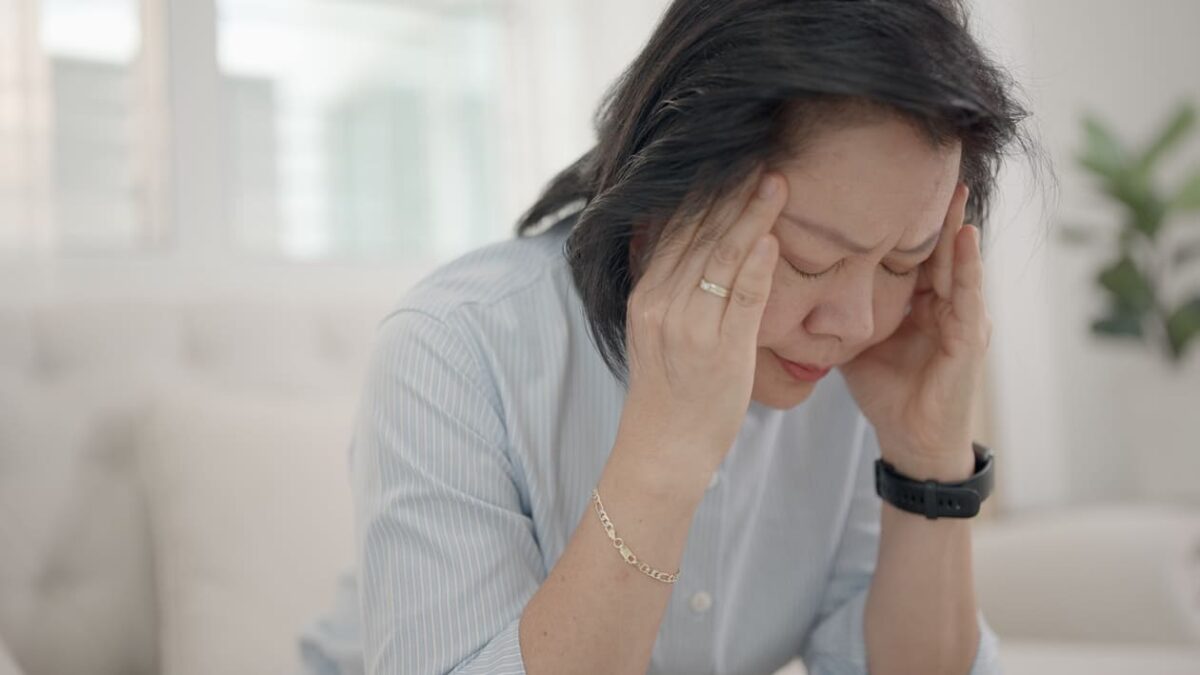
Orthostatic hypotension does not always feel dramatic. Sometimes it is just a brief head rush. Other times it can cause:
- lightheadedness
- dizziness
- blurry vision
- weakness
- confusion
- fainting or near-fainting
- a general sense that you should maybe sit back down immediately
The symptoms often last seconds to a few minutes. If they are severe, frequent, or getting worse, that is not something to brush aside.
The Most Common Reasons It Happens
1. You are dehydrated
This is one of the biggest and most fixable reasons. If you do not have enough fluid in your system, your blood volume can drop, making it harder for your body to maintain blood pressure when you stand up. Mild dehydration, overheating, vomiting, diarrhea, and even not drinking enough over the course of several busy days can contribute.
Older adults are also more vulnerable to dehydration for several reasons, including a weaker thirst response. Which is unfair, frankly, because by this age we have earned the right to receive clearer warning signals from our own bodies.
2. Your medications are playing a role
A number of medications can contribute to low blood pressure or make it worse when you stand. These include diuretics, heart medications, some antidepressants, pain medications, and medicines used to treat high blood pressure or coronary disease.
This does not mean you should stop anything on your own. It means your medication list deserves a closer look if you have started feeling wobbly every time you get out of bed or stand up from a chair.
3. You have low blood pressure after meals
There is also something called postprandial hypotension, which is a drop in blood pressure after eating. It is more likely in older adults and can be worse after large meals or meals heavy in refined carbohydrates. If you feel dizzy after lunch instead of only after getting out of bed, this is worth mentioning to your doctor.
4. An underlying condition is involved
Orthostatic hypotension can also be linked to diabetes-related nerve damage, Parkinson’s disease, heart rhythm problems, heart failure, blood loss, or other nervous-system and cardiovascular issues. That is one reason recurring symptoms deserve proper evaluation rather than a heroic decision to simply “stand up slower and hope for the best.”
Why This Matters More Than It Seems
A quick dizzy spell may sound minor, but orthostatic hypotension is associated with a higher risk of falls, cardiovascular events, and poorer overall outcomes. The 2022 American Family Physician review notes that it is linked to a significant increase in cardiovascular risk and falls, along with a relative increase in all-cause mortality.
That sounds ominous because, medically speaking, it is important. But it does not mean a single head rush means disaster. It means repeated dizziness when standing is a real health issue, especially if you already have balance concerns, osteoporosis, blood pressure issues, or a history of falls.
What Will Help

Stand up in stages
Do not spring upright like you are 22 and late for a flight. If you are getting up from bed, sit on the edge first for a moment. Flex your feet, wiggle your ankles, take a breath, and then stand. If you are getting up from the sofa, pause before walking off immediately. This sounds ridiculously simple because it is, and yet it helps.
Hydrate earlier and more consistently
If dehydration is even part of the problem, waiting until 4 p.m. to realize you have had only coffee is not ideal. Water is the obvious answer, but what matters most is consistent fluid intake throughout the day. A large insulated water bottle you actually like using can help more than a lecture ever will.
Products that may be useful here include a well-marked insulated water bottle, a countertop water filter if you drink more when it tastes better, and sugar-conscious electrolyte packets for hot weather, travel, or illness. No need to turn hydration into a side hustle, but a little support can make it easier.
Review your medications
If these symptoms are new, started after a medication change, or happen regularly, bring your full medication and supplement list to your clinician or pharmacist. Treatment often starts with identifying and adjusting the cause rather than jumping straight to a prescription. Mayo Clinic specifically notes that if a medication is causing the issue, treatment may involve changing the dose or stopping the drug under medical supervision.
Consider compression garments
Compression stockings can help some people by reducing blood pooling in the legs. They are not the sexiest item in your drawer, but neither is fainting in the kitchen. They can be especially useful for travel, long periods of standing, or recurrent symptoms.
If you want a product suggestion, look for graduated compression socks from established brands like Comrad, CEP, or Sockwell. Just skip the random mystery pair with 11,000 reviews written in suspiciously identical English.
Smaller meals may help
If you notice symptoms after eating, especially after a large carb-heavy meal, smaller meals may help reduce the post-meal blood pressure drop. Limiting alcohol around meals can also help, since alcohol can worsen dehydration and low blood pressure.
Track your blood pressure at home
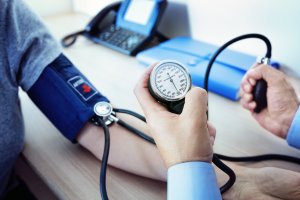
A reliable upper-arm blood pressure monitor can be genuinely useful here. Your clinician may want you to check your pressure when lying down, then again after standing. That gives more useful information than “I felt weird three Tuesdays ago.” The American Family Physician review notes that diagnosis is based on blood pressure and heart rate measured after five minutes lying down and again three minutes after standing.
When To Call the Doctor Promptly
Please do not self-diagnose every dizzy spell as dehydration. Get evaluated sooner rather than later if you:
- faint or nearly faint
- fall or injure yourself
- have chest pain, shortness of breath, or a racing/irregular heartbeat
- notice black stools, vomiting, fever, or signs of illness
- have symptoms that are frequent, worsening, or interfering with daily life
And if you have diabetes, Parkinson’s, a heart condition, or take multiple blood pressure-affecting medications, recurring dizziness deserves even more attention.
The Bottom Line
If you get dizzy when you stand up, your body may be telling you that your blood pressure is dropping faster than it should. Sometimes the fix is as straightforward as more fluids, slower position changes, or a medication adjustment. Sometimes it points to an underlying issue that needs treatment.
Either way, this is one of those symptoms that is common but not something you should just “live with” out of politeness. Your job is not to pretend everything is fine while quietly gripping the bathroom counter. Your job is to listen when your body gives you useful information, and then respond like the smart woman you are.