Falls are one of the leading causes of injury among adults over 50. Even when a fall doesn’t result in serious injury, it can shake confidence and lead to reduced activity, which, in turn, accelerates strength and balance loss.
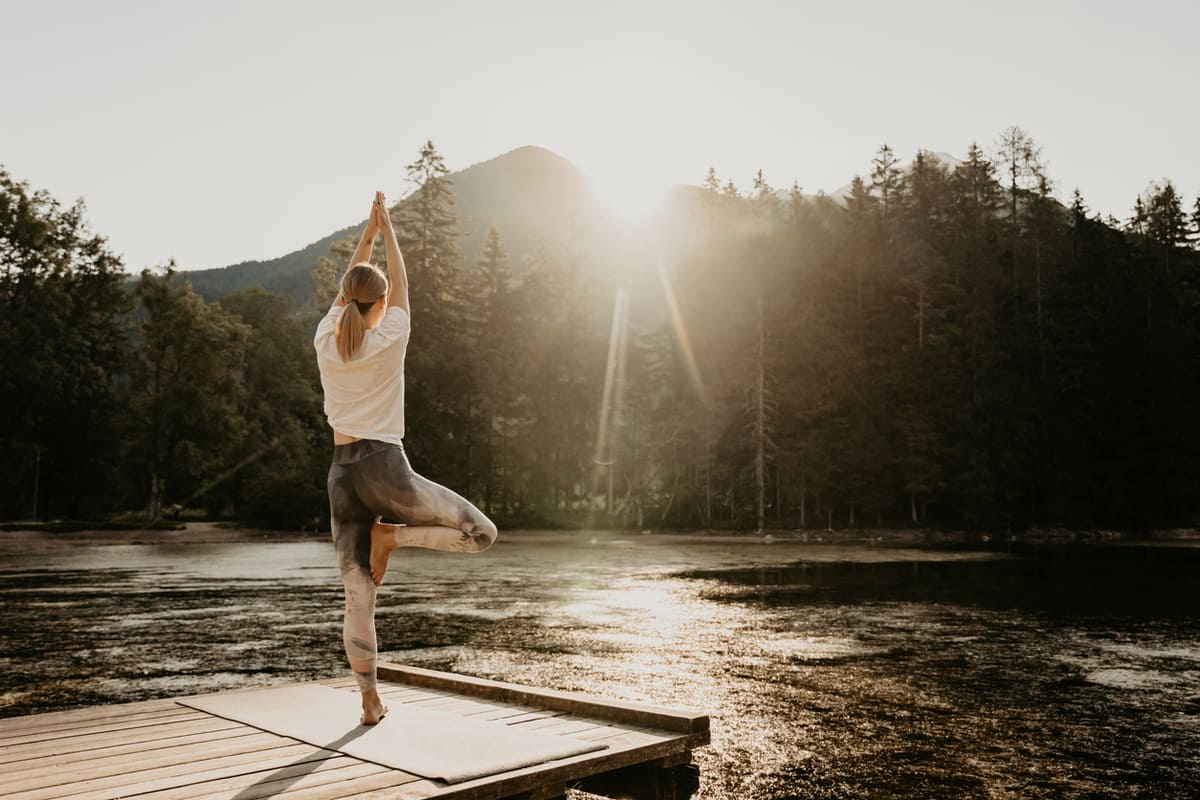
Balance isn’t something most of us think about – until it starts to slip. As we age, balance naturally declines due to changes in muscle strength, joint stability, vision, and the inner ear. The good news? One of the simplest and most effective ways to support balance can be done anywhere, in less than a minute, with no equipment at all: standing on one leg.
This small but mighty habit is gaining attention for good reason. Practiced consistently, standing on one leg for 30 seconds at a time can help improve stability, confidence, and overall functional fitness as we age.
Why Balance Matters More With Age
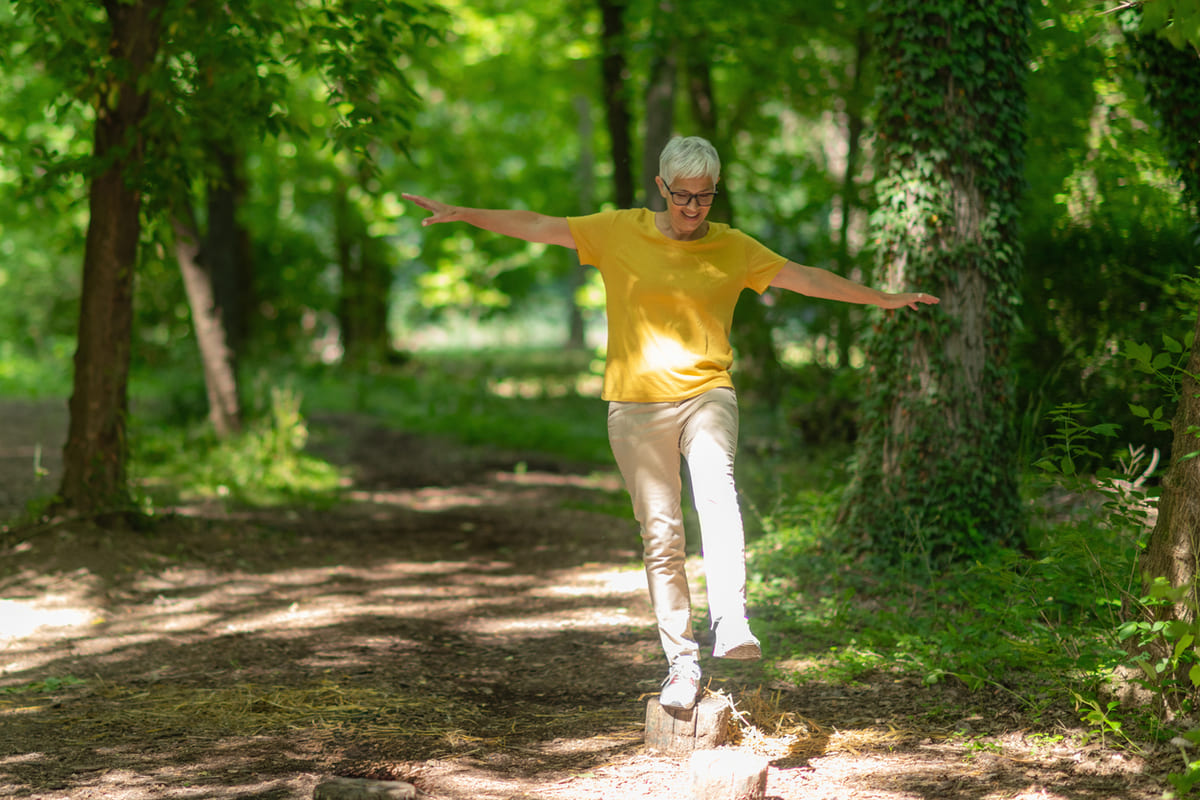
Good balance supports:
- Walking confidently on uneven surfaces
- Going up and down stairs
- Getting in and out of chairs or cars
- Maintaining independence longer
Balance isn’t just about your feet – it’s a complex coordination between your brain, muscles, joints, vision, and vestibular (inner ear) system.
How Standing on One Leg Helps
Standing on one leg challenges your body in several important ways:
1. Strengthens Key Muscles
Balancing on one leg activates the muscles in your ankles, calves, thighs, hips, and core. These muscles are essential for stability and quick corrections if you stumble.
2. Improves Proprioception
Proprioception is your body’s ability to sense where it is in space. Single-leg standing sharpens this awareness, helping your brain react more quickly to changes in position.
3. Enhances Core Stability
Even though it looks like a leg exercise, balancing requires subtle engagement of your abdominal and back muscles—key players in posture and fall prevention.
4. Trains the Brain
Balance is neurological as much as physical. Practicing balance regularly helps strengthen the communication between your brain and body, improving reaction time.
Why 30 Seconds Matters
Research suggests that the ability to stand on one leg for at least 30 seconds is a meaningful indicator of balance and overall physical function in midlife and beyond. The goal isn’t perfection; it’s consistency and gradual improvement.
If 30 seconds feels easy, you’re building a valuable reserve. If it feels challenging, that’s exactly why the exercise is so beneficial.
How to Practice Safely
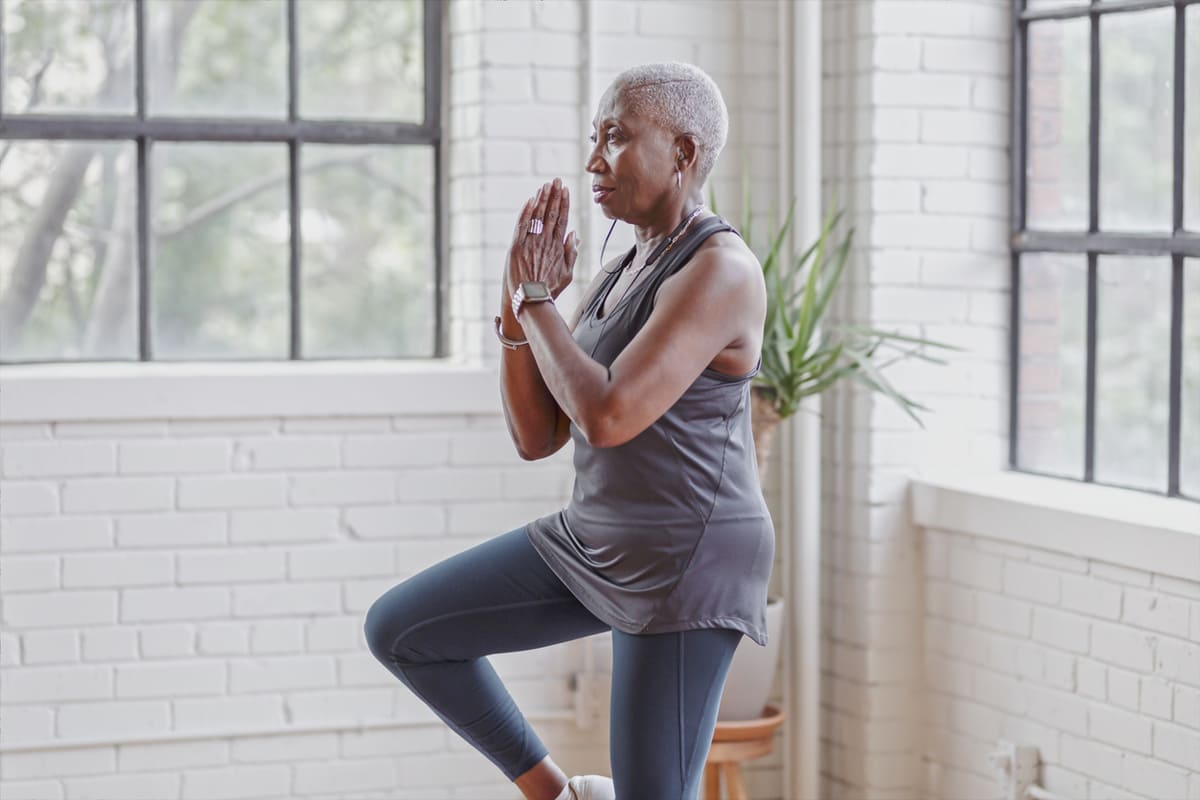
Safety comes first, especially if balance is already a concern.
- Stand near a sturdy chair, countertop, or wall
- Start by lightly resting a fingertip for support if needed
- Keep your chest lifted and gaze forward
- Engage your core gently – no holding your breath
Lift one foot off the floor and hold for up to 30 seconds. Switch sides. Repeat once or twice.
Ways to Progress Over Time
As your balance improves, you can gently increase the challenge:
- Try closing your eyes for a few seconds
- Turn your head slowly side to side
- Stand on a softer surface like a yoga mat
- Add small arm movements
Progress gradually and stop if you feel unsteady.
Make It a Daily Habit
The beauty of this exercise is how easily it fits into daily life:
- While brushing your teeth
- Waiting for the kettle to boil
- During TV commercials
- After your morning stretch
Just one minute a day – 30 seconds per leg – can make a meaningful difference over time.
The Takeaway
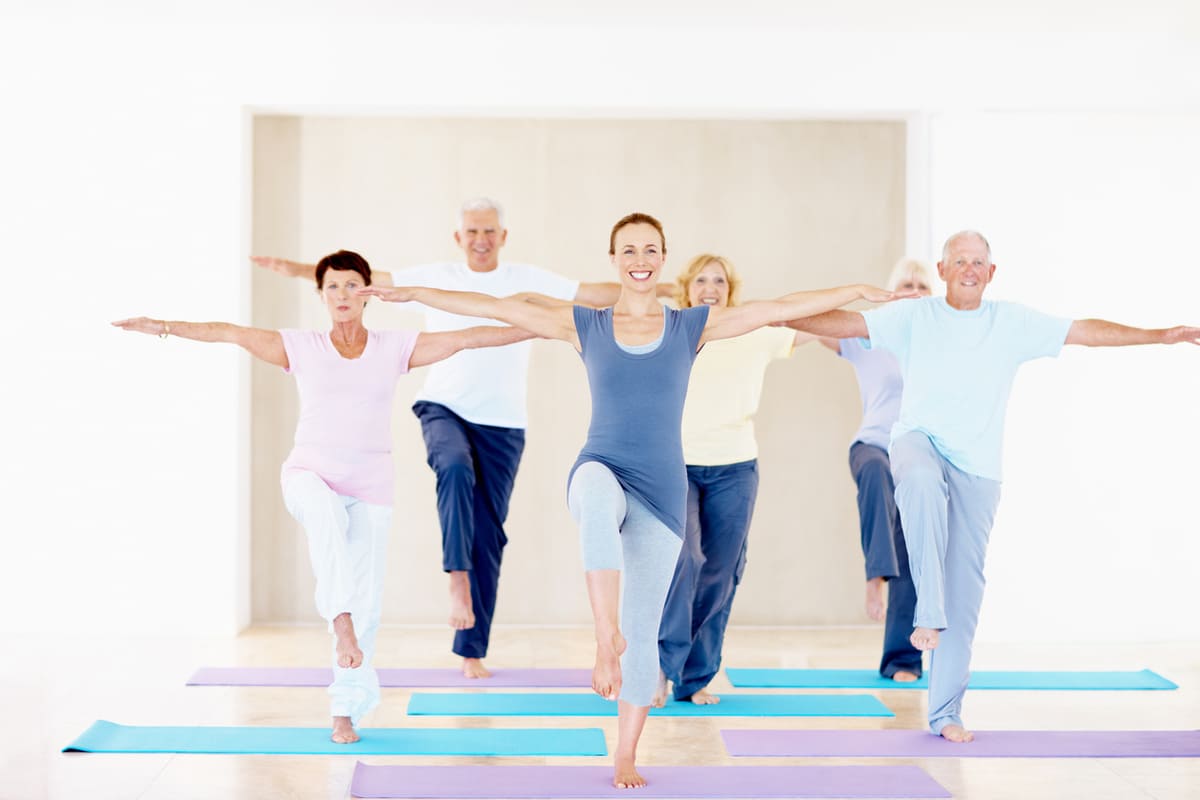
Healthy aging isn’t about doing more; it’s about doing what matters. Standing on one leg may look simple, but it sends a powerful message to your body: stay strong, stay steady, stay confident.
Small daily practices like this can help support balance, reduce fall risk, and keep you moving with confidence for years to come.
As always, if you have a medical condition or concerns about balance, talk with your healthcare provider before starting new exercises.