
Protein is one of the most important nutrients for maintaining muscle, strength, metabolism, and overall health as we age. Yet many women are still following outdated recommendations that may not fully support healthy aging.
So how much protein do women actually need—especially after 50? Let’s take a closer look at what current nutrition science suggests.
Signs You Need More Protein

It can be hard to tell if you’re getting enough of this essential nutrient, but there are some signs you can watch for. If your hair, skin, and nails aren’t what they used to be, you may need more. As estrogen levels decline, these signs are sometimes blamed on hormones, but diet changes may be indicated.
For my over-50 clients, failure to see changes in muscle even when they’re lifting weights properly is a sign they need more protein. Essential amino acids in this nutrient are the building blocks of muscle.
Another sign? You find yourself snacking or, at least, wanting to snack between meals. Protein improves your satiety so you feel full longer. Low energy can be attributed to many things at midlife, but boosting protein intake has led many of my clients to say, “I have so much more energy.” That might be because many protein sources are rich in iron, and low iron levels make you weaker and tired. If you’re experiencing any of these issues, it may be time to re-examine what and when you’re eating.
Old Dietary Recommendations
The Recommended Dietary Allowance (RDA) for protein is 0.8 grams per kilogram of body weight per day. This guideline represents the minimum amount needed to prevent deficiency in most healthy adults.
For example:
- A 130-pound woman (59 kg) needs about 47 grams per day
- A 150-pound woman (68 kg) needs about 54 grams per day
- A 170-pound woman (77 kg) needs about 62 grams per day
However, many experts believe this minimum recommendation may not be optimal for maintaining muscle mass and metabolic health as we age.
The RDA is designed to prevent deficiency – not necessarily to promote optimal health or muscle maintenance. That distinction becomes increasingly important for women over 50 who want to maintain strength, mobility, and metabolism.
It can also feel complicated to calculate grams per kilogram of body weight every day. Recent research suggests that both total daily protein intake and how protein is distributed across meals can influence muscle health. That’s why many nutrition experts offer more practical guidance for how much protein to include at each meal.
The Dietary Recommendations for Modern Women

Some researchers and nutrition experts suggest that older adults may benefit from protein intakes above the RDA, often in the range of 1.0–1.2 grams per kilogram of body weight per day to help maintain muscle mass as we age. Rather than focusing solely on daily totals, researchers often recommend considering protein intake per meal as well.
If you’re trying to lose weight, spreading protein intake throughout the day may help preserve muscle mass while reducing body fat. Maintaining muscle becomes increasingly important with age because it supports metabolism, mobility, and overall strength. Many nutrition experts suggest aiming for roughly 20–30 grams of protein per meal, which may help stimulate muscle protein synthesis and support healthy aging.
For many people, this is a simpler way to plan meals without constantly calculating daily totals.
A Boost From Exercise
Combining strength training with adequate protein intake offers many benefits for women over 50. Stronger muscles support bone health, improve balance, and can reduce the risk of falls later in life. It can also make it easier to maintain a healthy weight and body composition. Athletes and people who exercise regularly often need more protein than sedentary individuals, because physical activity increases the body’s demand for muscle repair and growth.
However, aging muscles become less responsive to protein, which means older adults may benefit from slightly higher protein intake than younger adults, especially when combined with resistance exercise. Muscle protein synthesis – the process of building new muscle – naturally declines with age. Regular exercise helps your body use protein more effectively, which is why strength training is especially important for maintaining muscle after age 50.
Strength training improves your body’s ability to use protein to repair and build muscle. Some studies suggest women may have slightly different muscle protein responses to exercise than men, though both benefit significantly from resistance training.
The takeaway: women over 50 often benefit from paying closer attention to protein intake, especially when staying active.
Plant and Animal Protein Sources
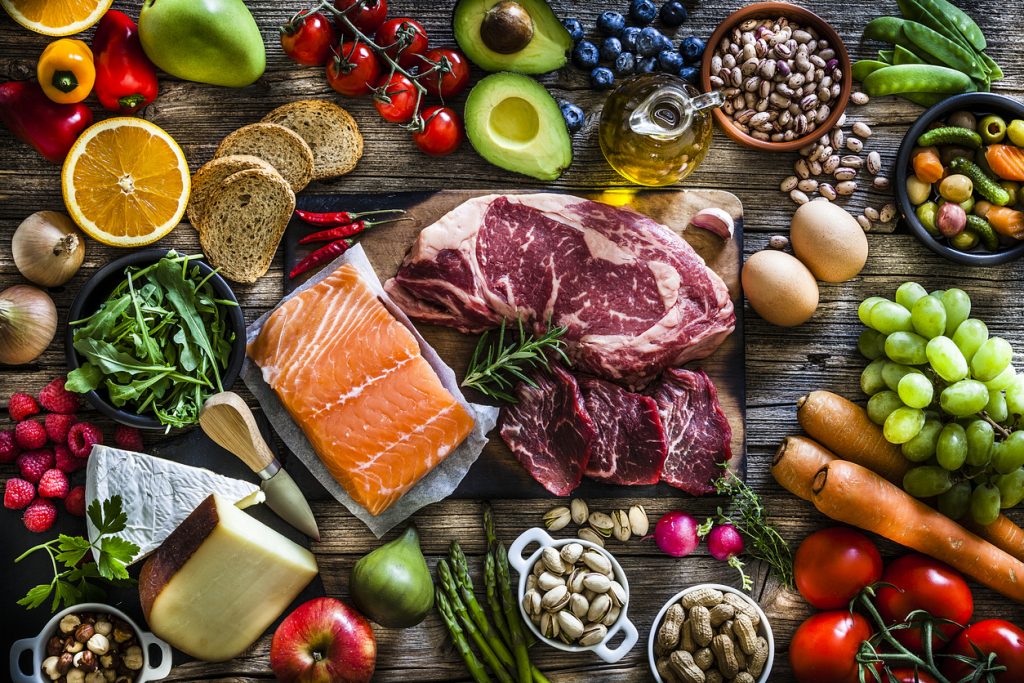
So what are some practical ways to increase protein in your diet? For many animal protein sources, 4–6 ounces of meat, poultry, or fish typically provides about 25–30 grams of protein. A simple visual guide is that a portion roughly the size of your palm often provides a substantial amount of protein.
Examples of protein-rich foods include:
Animal proteins
- Fish
- Chicken or turkey
- Eggs
- Greek yogurt
- Lean beef
- Cottage cheese
Plant proteins
- Lentils
- Beans
- Chickpeas
- Tofu and tempeh
- Nuts and seeds
- Soy products
Spending a little time reading nutrition labels or looking up common foods can help you quickly estimate how much protein your meals contain.
Can You Overdo It?
It is unlikely that you will add too much to your daily diet thanks to its satiety effect. If you’ve got a concern about kidney issues, the reports included have found no negative effects from increasing protein to the per meal amounts (unless you have an existing renal issue – then check with your doctor before taking on a new diet plan).
Just be sure you don’t cut out other foods! If protein crowds out processed foods and snacks, hooray! However, you want to fill your plate with a wide variety of vegetables, healthy fats, and resistant starches too.
Our Top Protein Picks:
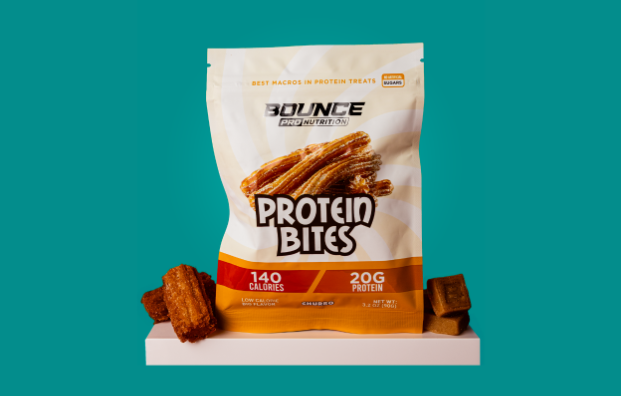
Power your muscles and satisfy your cravings! Introducing the most macro-friendly protein treat on the market. These delicious protein bites are only 140 calories and contain 20 grams of protein per bag. They have 0 fat and 0 cholesterol and use high-quality protein. Traditional protein bars have 250+ calories for the same amount of protein.
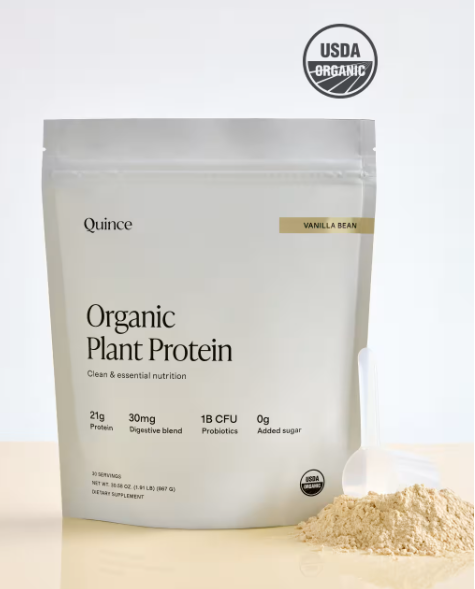
Powered by plants, made for performance. Build strength and lean muscle with 21g of complete plant protein—plus probiotics and enzymes for easy digestion. Clean, delicious, and certified organic, this is the high-quality nutrition that works as hard as you do.
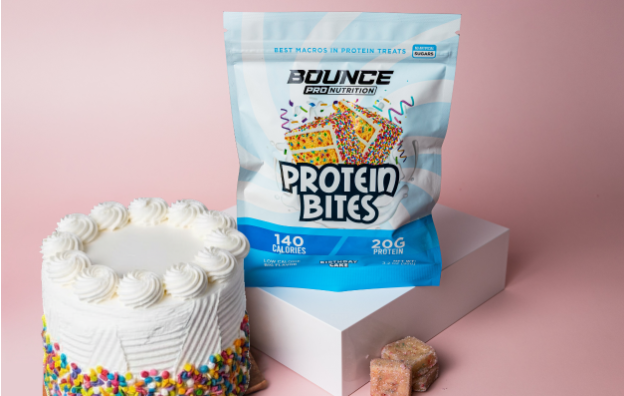
You can have your cake and eat it too! Birthday Cake Protein Bites are soft, flavorful, high-protein snacks that help build lean muscle, support recovery, and keep you fueled through any workout. These delicious protein bites contain 20 grams of protein and are only 140 calories per bag.
Powders and shakes can be messy, inconvenient, and hard to digest. Bounce Protein Bites make it simple with pre-measured servings that are easy to enjoy and light on your stomach.
The Bottom Line
Protein plays a major role in healthy aging for women.
While the official RDA remains 0.8 grams per kilogram of body weight, many experts suggest that women over 50 may benefit from 1.0–1.2 grams per kilogram daily, particularly when combined with regular strength training.
A simple, practical approach is to aim for 20–30 grams of protein at each meal and to include a variety of high-quality protein sources throughout the day.
Supporting muscle health now can help maintain strength, independence, and vitality for decades to come.
Read Next:
Knowing When You Need to Supplement Your Diet