
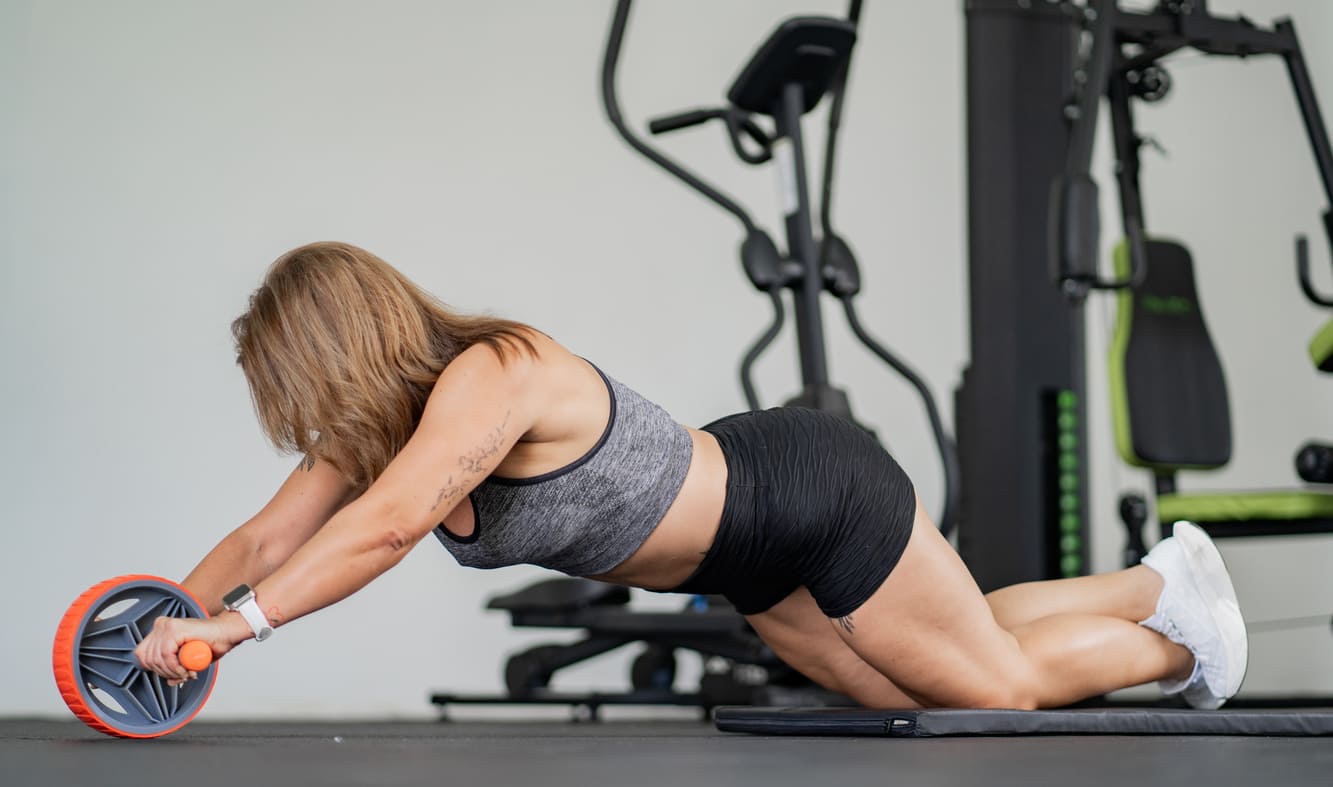
I’ve become a bit of a fitness junkie as I’ve aged. I’m particularly focused on fall prevention as I know firsthand from friends and family members what a slippery slope falling can be. I also learned when I was only in my 20s how important a strong core could be in eliminating back pain. Focusing on my core, basically ended my issues with lower back pain. When most people hear the word core, they think about six-pack abs or doing endless crunches on the floor. But the real purpose of your core has nothing to do with aesthetics.
Your core is the foundation of nearly every movement your body makes, and as we age, maintaining a strong core becomes one of the most important things we can do for long-term health and mobility. A weak core doesn’t just affect how your midsection looks, it affects how your entire body functions. When most people hear the word core, they think about six-pack abs or doing endless crunches on the floor. But the real purpose of your core has nothing to do with aesthetics.
The Hidden Problems Caused by a Weak Core
Your core is made up of muscles in your abdomen, back, hips, and pelvis that work together to stabilize your spine and support movement. When those muscles weaken, the effects show up in several ways.
Lower back pain
Your core acts like a natural brace for your spine. When those muscles aren’t doing their job, the lower back muscles take on extra strain, often leading to chronic back discomfort.
Poor posture
A weak core makes it difficult to sit and stand upright. Over time, this can lead to rounded shoulders, a forward head position, and compression in the spine.
Hip and knee instability
Your core connects the upper and lower body. When it’s weak, the hips and knees often compensate, which can contribute to joint pain and instability.
Reduced balance and coordination
Core strength plays a major role in balance. As these muscles weaken, stability decreases, which significantly increases the risk of falls—one of the biggest health threats for women as we age.
The good news? Strengthening your core can dramatically improve all of these issues. But here’s the important part: Traditional ab exercises like crunches aren’t the best solution.
Why Crunches Aren’t the Answer
For decades, crunches were considered the go-to exercise for building a strong core. But research and modern training methods now show that they are not the most effective—or safest—way to strengthen your core, especially as we age. Here’s why.
Crunches only work a small portion of the core
Crunches primarily target the rectus abdominis (the front “six-pack” muscle). But your core is much larger than that—it includes deep stabilizing muscles, obliques, the lower back, and the muscles surrounding the pelvis.
They don’t train the core the way we actually use it
Your core’s real job is stabilizing your body while you move, not repeatedly bending forward.
They can place strain on the neck and spine
Many people pull on their neck during crunches or place pressure on the lumbar spine, which can worsen neck and back discomfort—exactly the problems we’re trying to prevent.
In other words, crunches train your core for an activity you rarely perform in real life. What your body really needs is functional core strength.
The Power of Functional Core Training
Functional exercises train the core the way it naturally works, by stabilizing your body while the arms and legs move.
Many of the best core exercises don’t even look like “ab exercises.” They look like everyday movements.
Squats
Squats strengthen not only the legs and glutes but also require the core to engage to keep the spine stable and upright. They mimic real-life activities like:
- Sitting down and standing up
- Getting out of a car
- Rising from the floor
Lifting and Carrying Weights
Carrying a bag of groceries, lifting a suitcase, or picking up a grandchild all rely heavily on core strength.
Exercises like farmer’s carries, deadlifts, and goblet squats train the core to brace and stabilize during movement, which protects the spine and improves overall strength.
Rotational and Stability Movements
Activities that involve resisting rotation—like holding a plank or performing controlled twisting movements, train the deeper core muscles that support balance and spinal health.
These movements help your body learn to control motion, which is essential for preventing injuries and maintaining coordination.
5 Core Exercises That Actually Strengthen Your Core
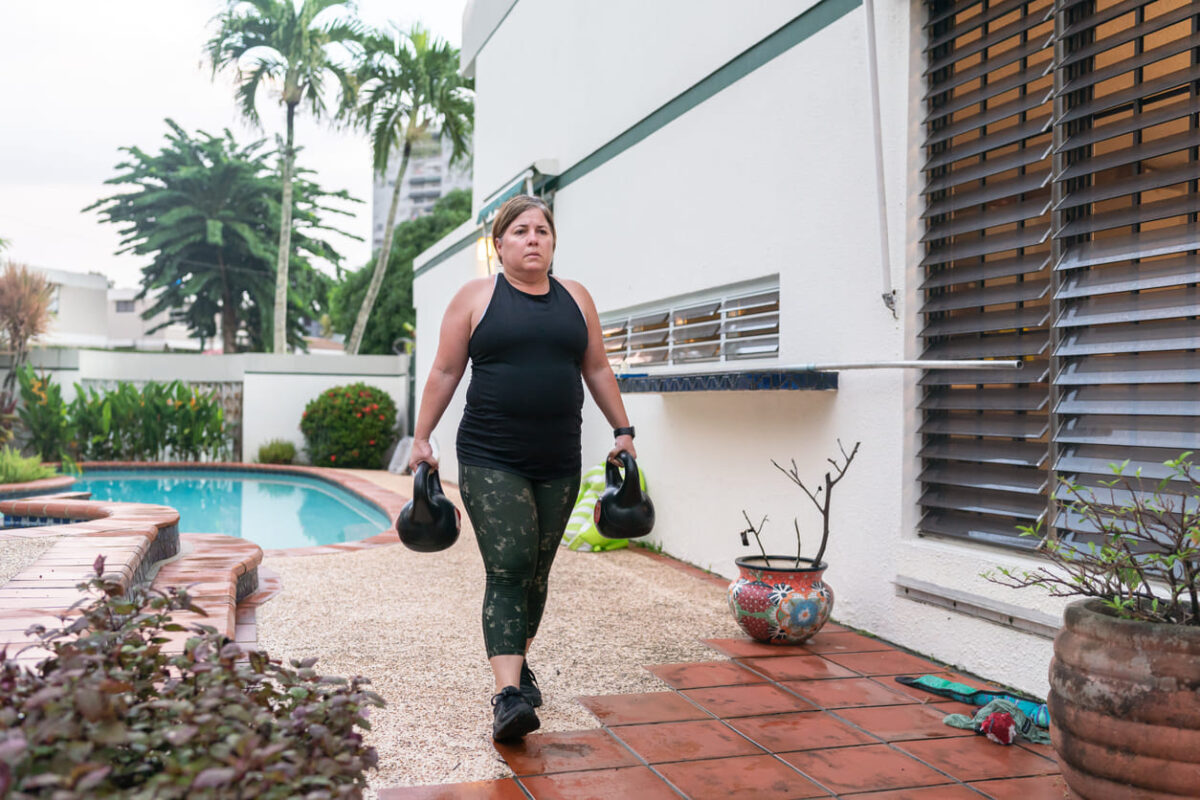
These functional exercises train your core to stabilize your body the way it does in everyday life—helping improve balance, posture, and strength.
Try adding these movements to your routine 2–3 times per week.
1. Goblet Squat
Why it works:
Holding weight in front of your body forces the core to engage to keep your spine upright.
How to do it:
- Hold a dumbbell or kettlebell close to your chest.
- Stand with feet shoulder-width apart.
- Lower into a squat, keeping your chest lifted and core engaged.
- Press through your heels to return to standing.
Reps: 10–12
2. Farmer’s Carry
Why it works:
One of the best exercises for total core stability. Your core works to prevent your torso from leaning or twisting.
How to do it:
- Hold a dumbbell or kettlebell in each hand.
- Stand tall with shoulders back.
- Walk forward slowly while keeping your torso upright and core tight.
Time: 30–60 seconds
3. Bird Dog
Why it works:
Strengthens the deep stabilizing muscles of the core and improves coordination and balance.
How to do it:
- Start on hands and knees.
- Extend your right arm forward and left leg back.
- Keep hips level and core engaged.
- Return to center and switch sides.
Reps: 8–10 per side
4. Dead Bug
Why it works:
Trains the deep abdominal muscles that stabilize the spine.
How to do it:
- Lie on your back with arms extended toward the ceiling.
- Bring knees into tabletop position.
- Slowly lower opposite arm and leg toward the floor.
- Return and switch sides.
Reps: 8–10 per side
5. Suitcase Carry
Why it works:
This single-sided carry forces the core to resist leaning, great for strengthening the obliques and improving balance.
How to do it:
- Hold one dumbbell at your side.
- Stand tall and keep your shoulders level.
- Walk slowly while keeping your torso upright.
Time: 30 seconds per side
Tip: Focus on controlled movement and good posture rather than speed. The goal is to train the core to stabilize your body during movement—just like it does in daily life.
A Strong Core Means a Stronger, Safer Body
When you train your core through functional movement, you’re doing much more than strengthening your midsection. You’re improving:
- Balance
- Stability
- Posture
- Joint health
- Everyday mobility
- Fall prevention
And perhaps most importantly, you’re building the strength that allows you to continue living actively and independently for years to come.
The goal isn’t a six-pack. The goal is a body that moves well, feels strong, and supports you in every stage of life. Because when your core is strong, everything else works better.