

You know that feeling: you get a whiff of a familiar scent, and it whisks you straight back to a specific moment when your mind’s eye can still see what was happening. But, it turns out, scent can do so much more for our brains, even while we’re sleeping. Here’s the scoop on how strong scents might be a potential treatment for dementia – and how it can benefit you.
Disclosure: This post on strong scents while sleeping and dementia aims to provide you with details on adding fragrance to your sleeping area. This information is provided for educational purposes only; any questions or concerns should be discussed with your doctor.
Taking You Back

Every time Halloween night rolled around, I’d stick my face into my daughter’s large bag of candy and immediately be transported back to the time when plastic costumes with a tie in the back and hard face masks depicting the latest cartoon characters were all the rage in the 1970s. I distinctly remember that scent: chocolate mixed with red licorice and gumballs. Honestly, just writing this makes me able to almost smell it.
Called the Proust effect, it’s actually an odor-linked memory that we have. Perfume, baking, and cooking scents can do the same thing as my Halloween candy bag. It’s also called “scent nostalgia,” an intensely vivid and emotional memory. Of our five individual senses, the olfactory sense, or sense of smell, is the only one connected to our brain’s memory circuits.
While we have corrections for our other senses, including corrective lenses for poor vision and hearing aids for those who have difficulty making out words and noise, very little has been done to help with a loss of smell.
First, What Is Dementia?

Before I delve into the promising study, here’s a quick recap of dementia to bring you up to speed. In its true definition, dementia is “a condition characterized by progressive or persistent loss of intellectual functioning, especially with impairment of memory and abstract thinking, and often with personality change, resulting from organic disease of the brain.” In a tell-it-to-me-like-I’m-five definition, it’s the loss of thinking, remembering, and reasoning, so much so that it interferes with a person’s daily life and can put them in serious danger.
Alzheimer’s Disease is the leading cause of dementia, followed by vascular dementia caused by microscopic bleeding and blood vessel blockages in the brain. Once diagnosed with Alzheimer’s, the life expectancy is only 8-10 years, sadly. Dementia is not passed down through heredity, and most symptoms begin appearing when someone is 65 or older.
Several symptoms can be seen as precursors to Alzheimer’s Disease, the major one being mild cognitive impairment. But one thing to note for this article is the loss of smell. The inability to identify scents, including soap, leather, strawberry, lilac, and lemon (among others), was the best predictor for diagnosing someone with a neurodegenerative disease.
Sleeping with Scent

After reading about this fascinating study regarding strong scents while we sleep, I had to share, as it’s definitely worth giving it a go. In a nutshell, scientists at the University of California, Irvine’s (UCI) Centre for Neurobiology of Learning and Memory compiled a panel of men and women aged 60 to 85 years old. Each was given a scent diffuser and seven different single-scent natural oils. The scents used were eucalyptus, lavender, lemon, orange, peppermint, rose, and rosemary.
Split into two groups, one group was given full-strength scent cartridges, while the other group received much less intense ones. Before each participant went to sleep, they chose one of the seven cartridges, and the diffuser released the scent for two hours each night.
Here’s the amazing part: those who were given the full-strength natural oil cartridges showed a 226% increase in cognitive performance! Rarely do I write with an exclamation mark, but that sentence deserved one. Additionally, participants who used the full-strength oils also reported sleeping better.
Word list tests, including the Rey Auditory Verbal Learning Test, were used to evaluate the group members’ memories. Brain imaging of the left uncinate fasciculus revealed better integrity in this particular brain pathway.
Previously, a scientific study found that “exposing people with moderate dementia to up to 40 different odors twice a day over a period of time boosted their memories and language skills, eased depression, and improved their olfactory capacities.”
What This Means for Us
Speaking simply, using and smelling strong scents while we sleep could deter dementia. Even using a diffuser with natural oil can be a non-invasive way to boost our brain’s cognitive functioning. If you’re planning to improve your sleep, make sure to use all-natural diffuser oils with strong scents to give your brain the best possible boost.
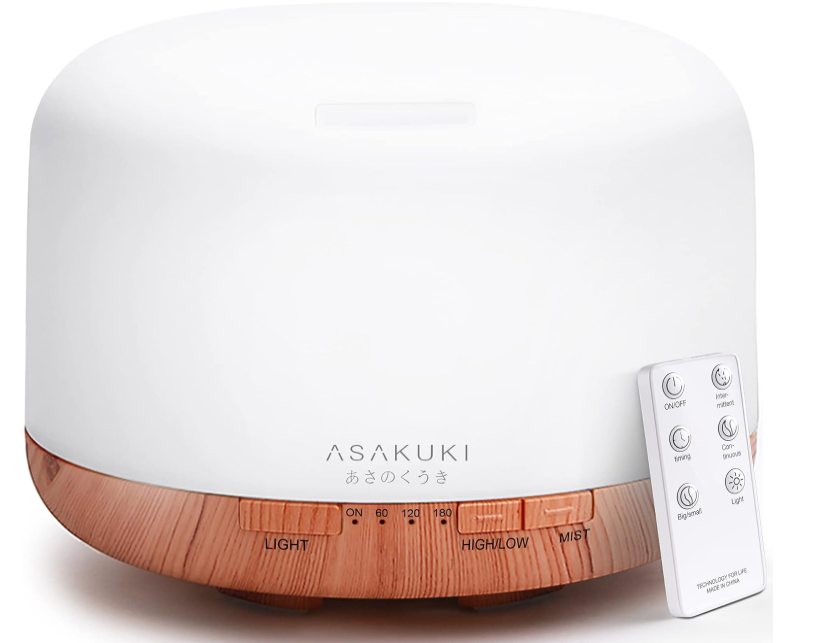
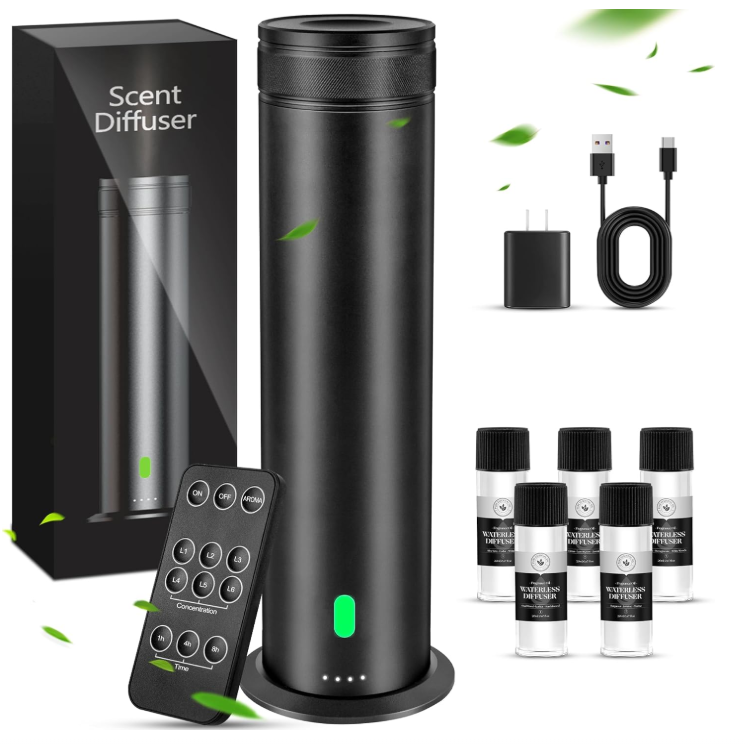
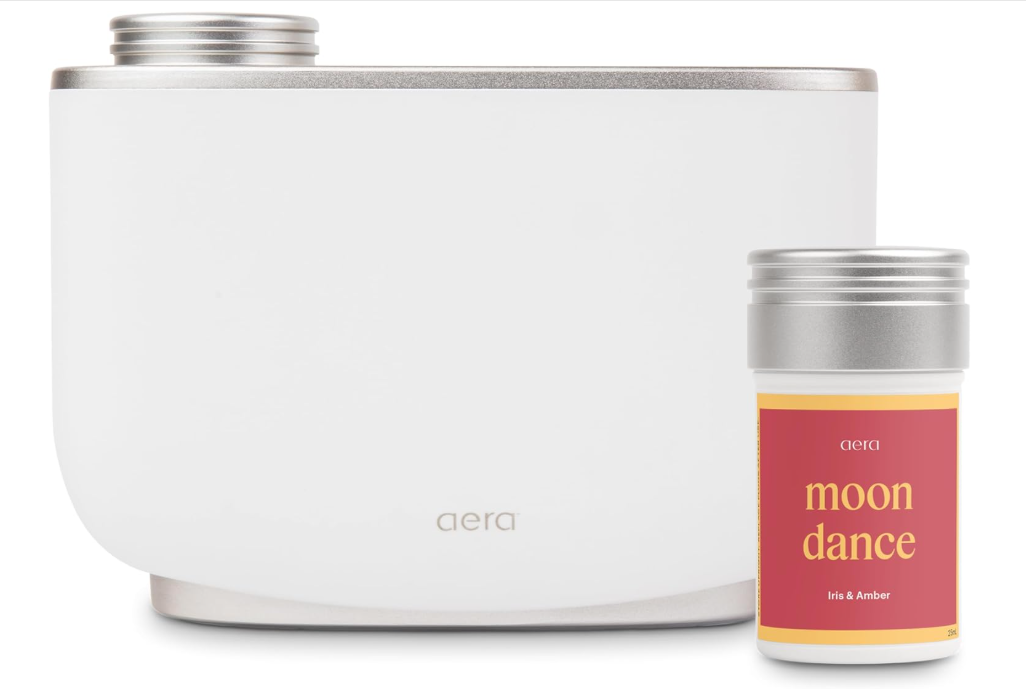
Try it Out: Top Products for Scent and Memory
Read Next:
How to Improve Memory, Increase Intelligence, and Ensure Brain Health